Equity Share Agreement For Real Estate In Franklin
Description






Get your form ready online
Our built-in tools help you complete, sign, share, and store your documents in one place.
Make edits, fill in missing information, and update formatting in US Legal Forms—just like you would in MS Word.
Download a copy, print it, send it by email, or mail it via USPS—whatever works best for your next step.
Sign and collect signatures with our SignNow integration. Send to multiple recipients, set reminders, and more. Go Premium to unlock E-Sign.
If this form requires notarization, complete it online through a secure video call—no need to meet a notary in person or wait for an appointment.
We protect your documents and personal data by following strict security and privacy standards.

Make edits, fill in missing information, and update formatting in US Legal Forms—just like you would in MS Word.

Download a copy, print it, send it by email, or mail it via USPS—whatever works best for your next step.

Sign and collect signatures with our SignNow integration. Send to multiple recipients, set reminders, and more. Go Premium to unlock E-Sign.

If this form requires notarization, complete it online through a secure video call—no need to meet a notary in person or wait for an appointment.

We protect your documents and personal data by following strict security and privacy standards.
Looking for another form?





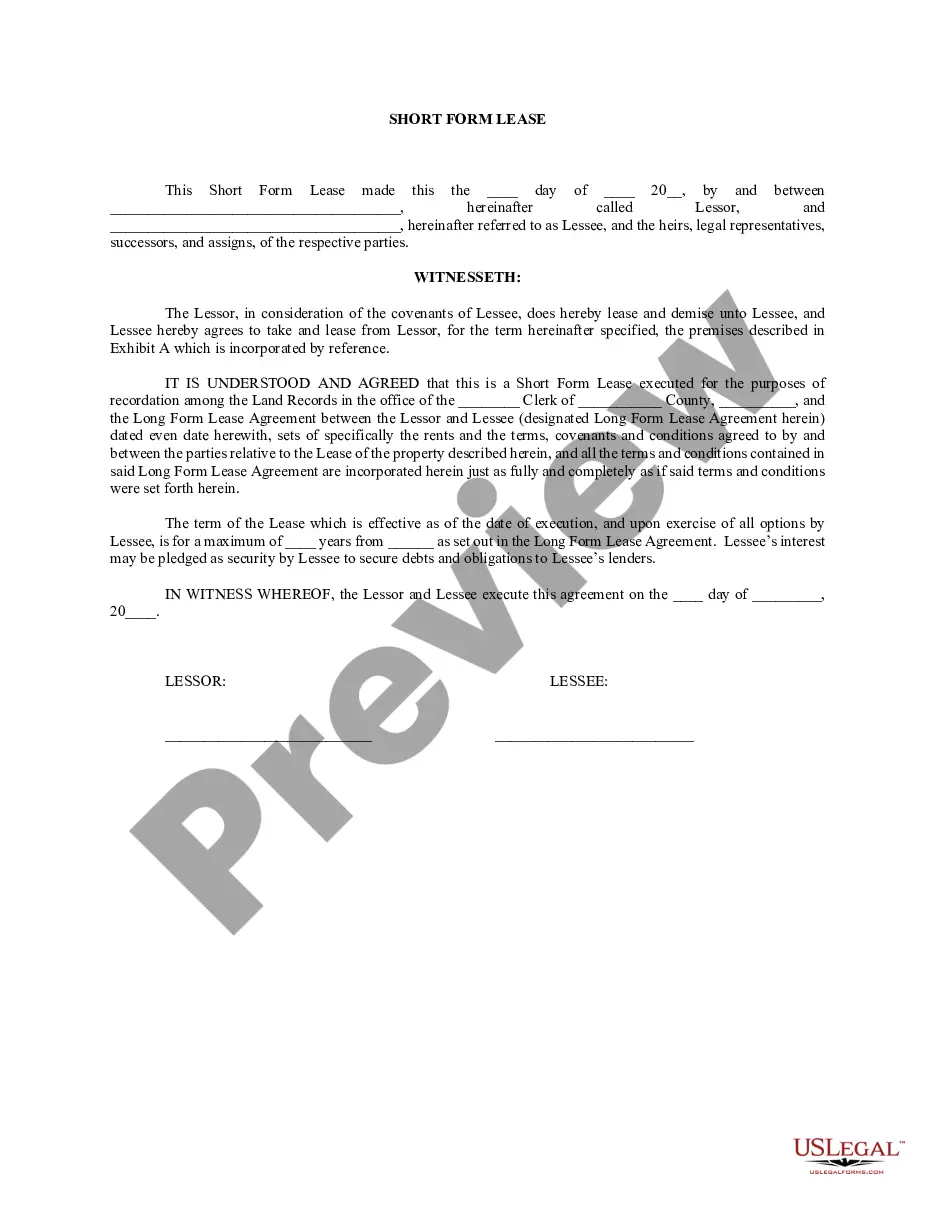

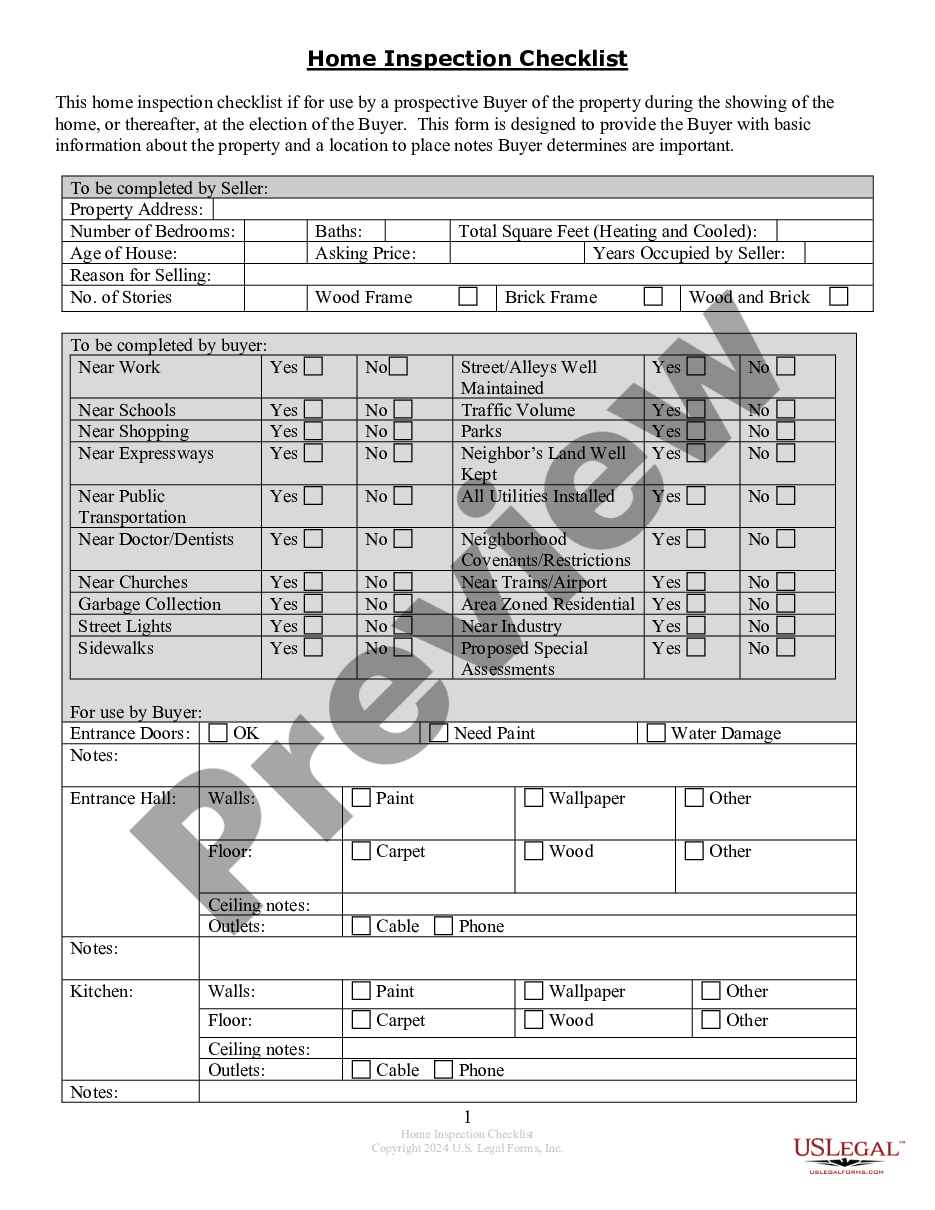

Form popularity
FAQ
Home equity sharing may also be wise if you don't want extra debt reflected on your credit profile. "These agreements allow homeowners to access their home equity without incurring additional debt," says Michael Crute, a real estate agent and operations strategist with Keller Williams in Atlanta.
EQUITY = Current Market Value - Remaining Mortgage Balance Example: If the property is worth $800,000 and you owe $500,000 dollars on the mortgage, you'd have $300,000 in equity.
Equity is equal to total assets minus its total liabilities. These figures can all be found on a company's balance sheet for a company. For a homeowner, equity would be the value of the home less any outstanding mortgage debt or liens.
Professionals get into the industry from: Straight out of undergraduate. Real estate investment banking groups at BBs and EBs, as well as industry-specific boutiques like Eastdil. Real estate brokerage firms like CBRE and JLL, usually from investment sales roles. Commercial real estate lending or real estate debt funds.
Looking for Real Estate Investor Partners Strategy #1: Networking. Strategy #2: Investment Clubs. Strategy #3: Social Media. Strategy #4: Real Estate Agents. Strategy #5: Friends and Family.
Reach out to professionals you've worked with, including your attorney, mortgage broker, and investment sales broker. Tell them you're looking for a partner for a potential project. Check if they have other clients or know developers who might be interested in hearing about your business plan.
Looking for Real Estate Investor Partners Strategy #1: Networking. Strategy #2: Investment Clubs. Strategy #3: Social Media. Strategy #4: Real Estate Agents. Strategy #5: Friends and Family.
The 50% rule or 50 rule in real estate says that half of the gross income generated by a rental property should be allocated to operating expenses when determining profitability. The rule is designed to help investors avoid the mistake of underestimating expenses and overestimating profits.
In an equity sale, the homeowner has positive equity in their home. That is, the owner owes less than the home is worth. Upon the sale of the house, the seller will net a profit due to the positive equity.
An equity investment is a form of investing where the investor acts as a shareholder in the property that they're investing in. The stake that they have in the property directly correlates with the amount that they've invested.
