Equity Agreement Sample With Retainer In Cuyahoga
Description






Get your form ready online
Our built-in tools help you complete, sign, share, and store your documents in one place.
Make edits, fill in missing information, and update formatting in US Legal Forms—just like you would in MS Word.
Download a copy, print it, send it by email, or mail it via USPS—whatever works best for your next step.
Sign and collect signatures with our SignNow integration. Send to multiple recipients, set reminders, and more. Go Premium to unlock E-Sign.
If this form requires notarization, complete it online through a secure video call—no need to meet a notary in person or wait for an appointment.
We protect your documents and personal data by following strict security and privacy standards.

Make edits, fill in missing information, and update formatting in US Legal Forms—just like you would in MS Word.

Download a copy, print it, send it by email, or mail it via USPS—whatever works best for your next step.

Sign and collect signatures with our SignNow integration. Send to multiple recipients, set reminders, and more. Go Premium to unlock E-Sign.

If this form requires notarization, complete it online through a secure video call—no need to meet a notary in person or wait for an appointment.

We protect your documents and personal data by following strict security and privacy standards.
Looking for another form?

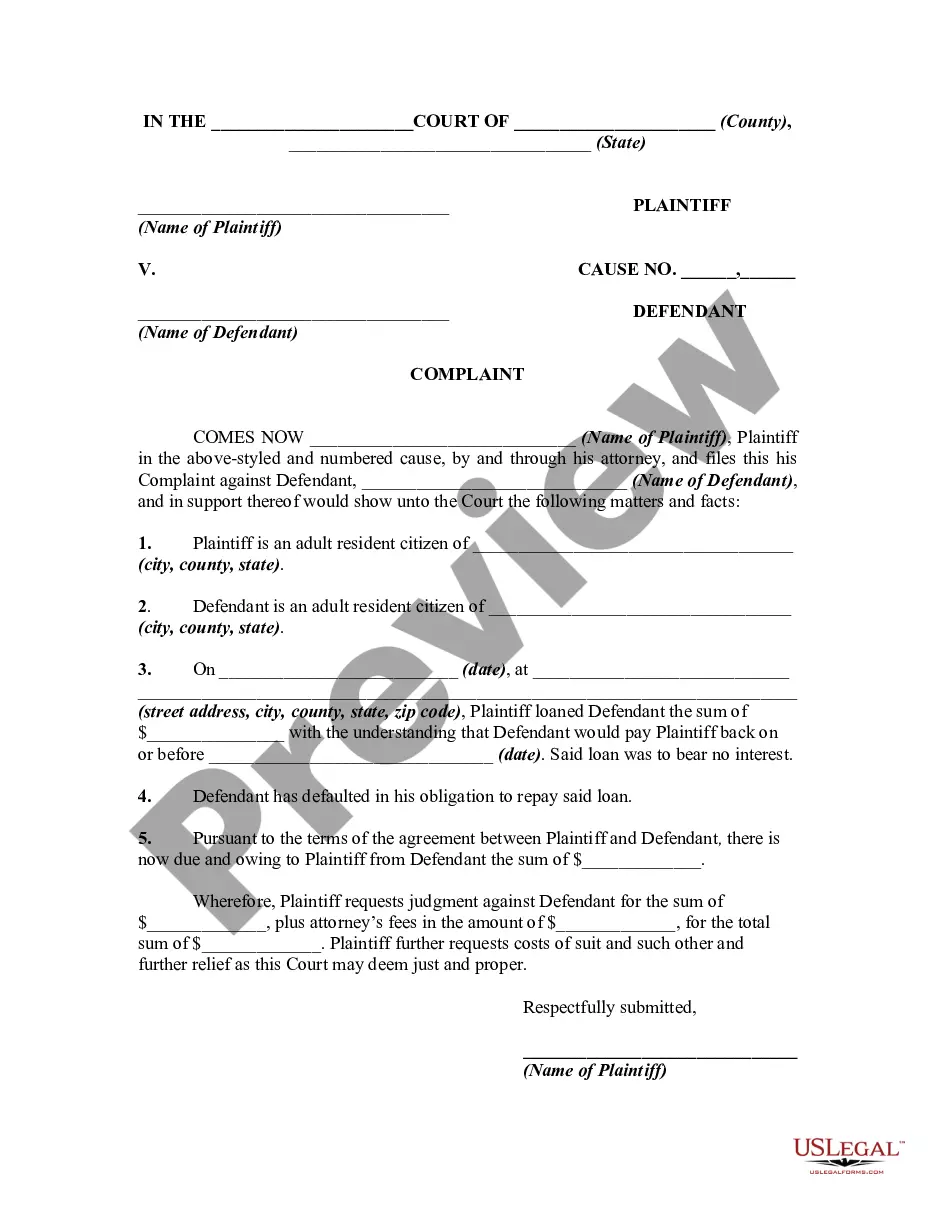






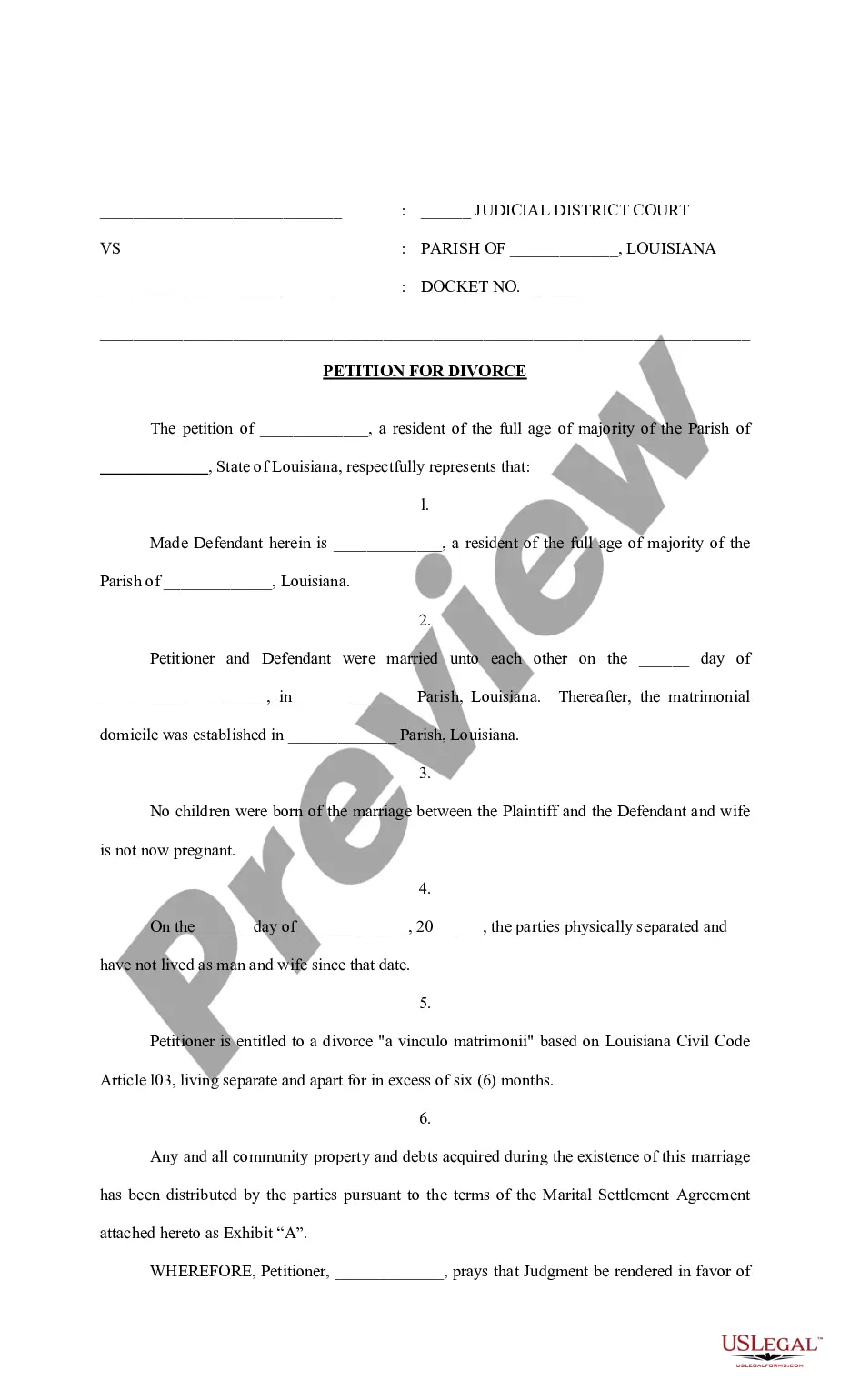

Form popularity
FAQ
Retainer agreements (also referred to as representation agreements) are a type of compensation agreement with lawyers either for reserving their employment or as compensation for future services. Also inside the agreement are details on the scope and procedure for the representation.
Equity agreements commonly contain the following components: Equity program. This section outlines the details of the investment plan, including its purpose, conditions, and objectives. It also serves as a statement of intention to create a legal relationship between both parties.
Here are a few things to include in your retainer pitch: The challenges involved in working this role on contingency. The benefits of going with a retainer over contingency. A clear plan on how you will deliver a shortlist and to what timescale.
Here's my advice: Pitch only to existing clients or clients you know well. Never pitch a retainer agreement to someone you've never worked with before. Present the retainer as a way to get “front of the line” status. Highlight the benefit of predictable budgeting. Include a small discount (maybe)
Retainer agreements (also referred to as representation agreements) are a type of compensation agreement with lawyers either for reserving their employment or as compensation for future services. Also inside the agreement are details on the scope and procedure for the representation.
The goal of a retainer is to provide your clients with ongoing access to your agency's services. Furthermore, with a retainer agreement, agencies can offer their services at discounted prices to improve client retention. Exactly how much depends on the type of retainer you offer—which we will discuss further.
A retainer agreement is a work-for-hire contract. It falls between a one-off contract and permanent employment, which may be full-time or part-time. Its distinguishing feature is that the client or customer pays in advance for professional work to be specified later.
