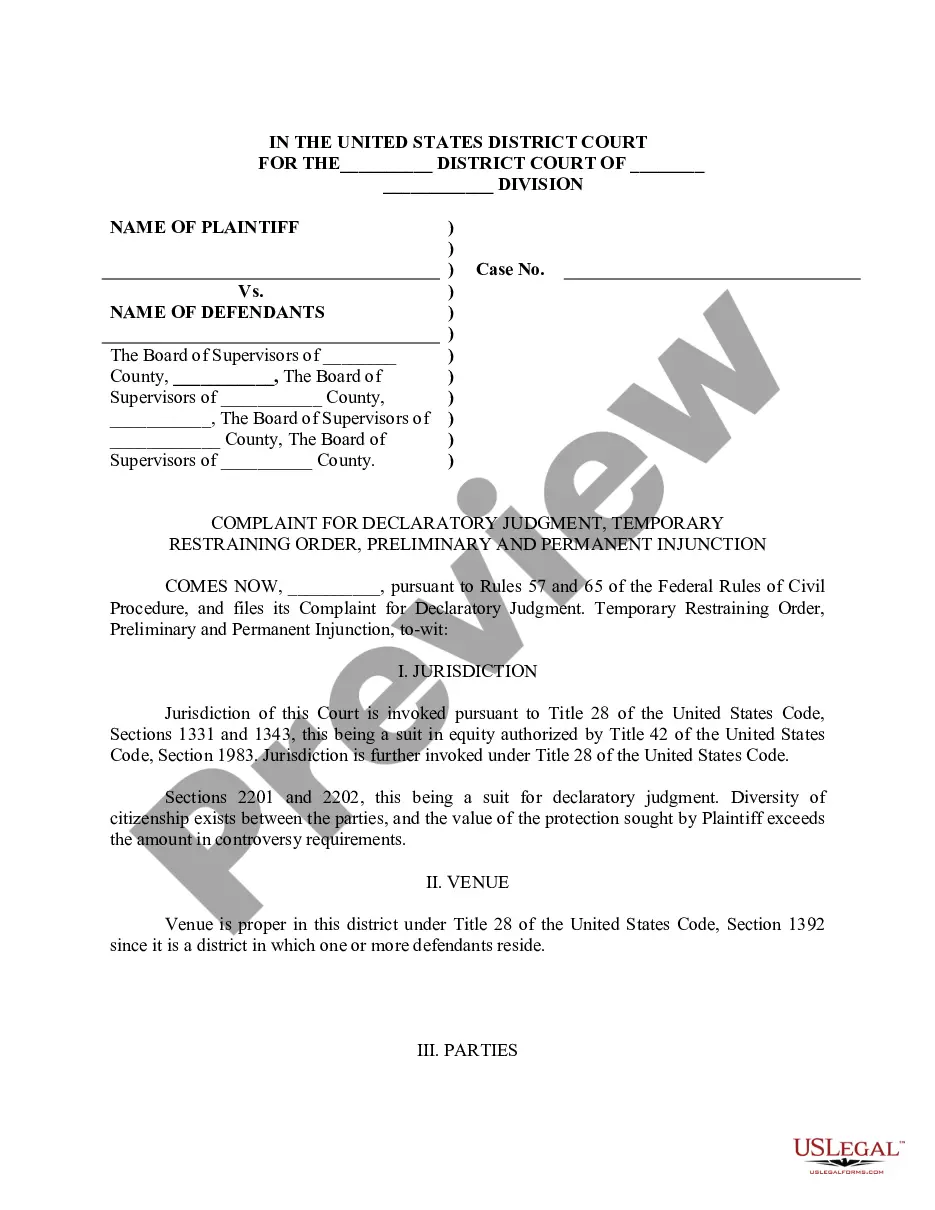
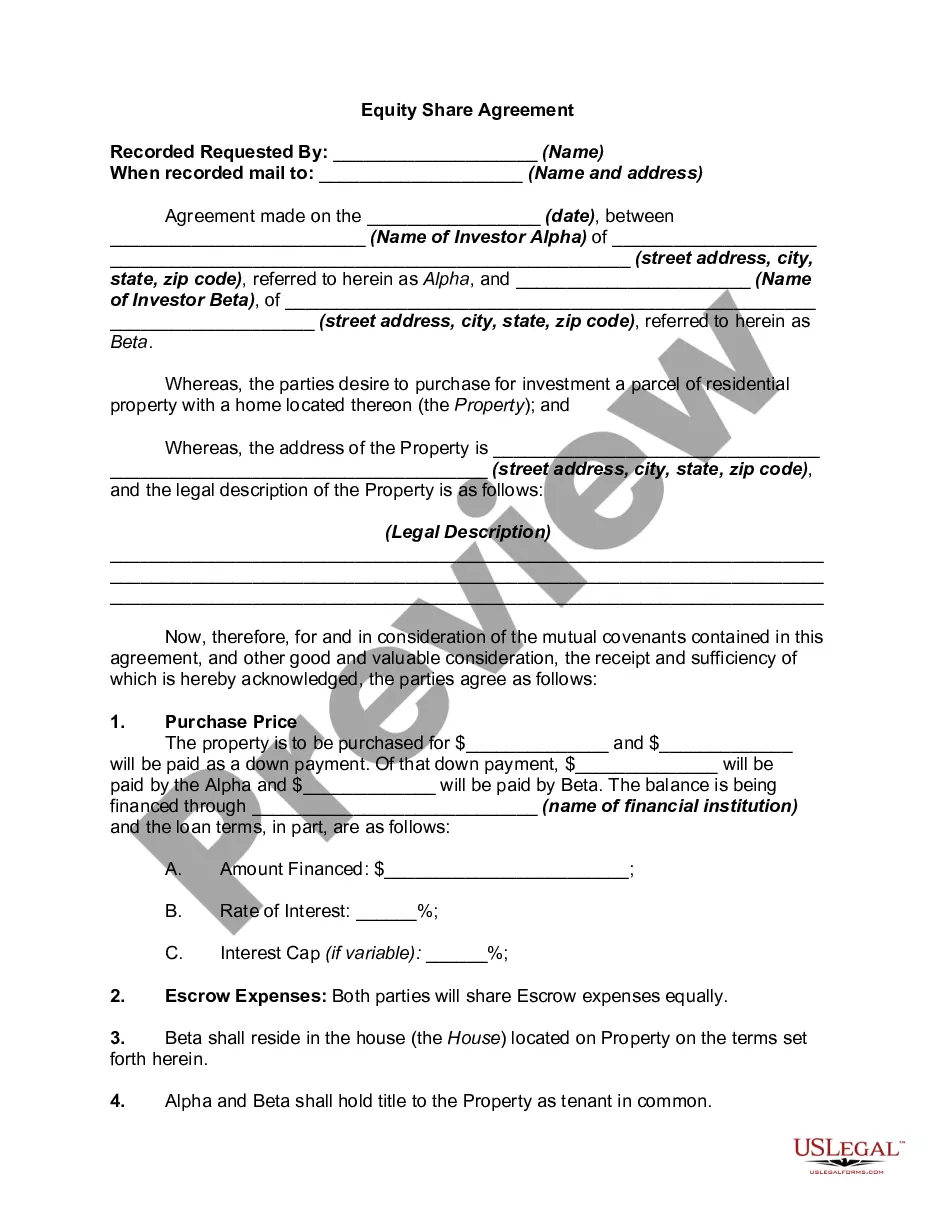
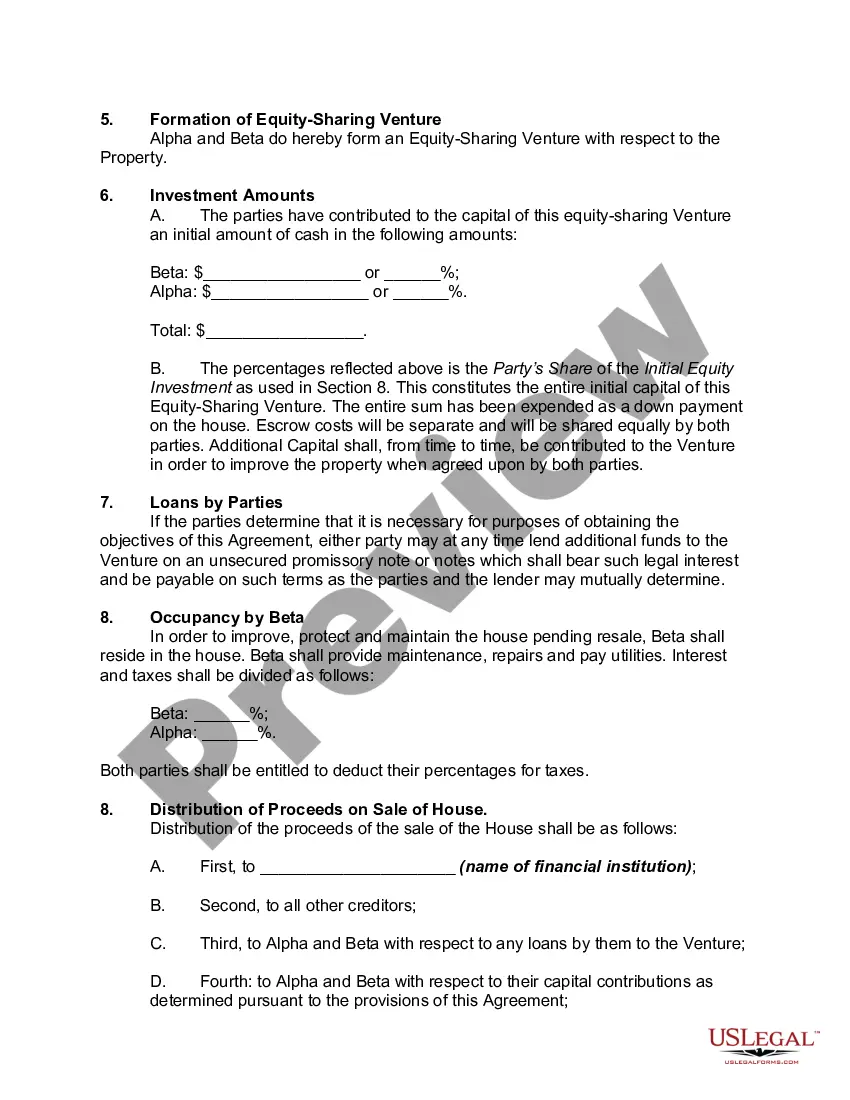
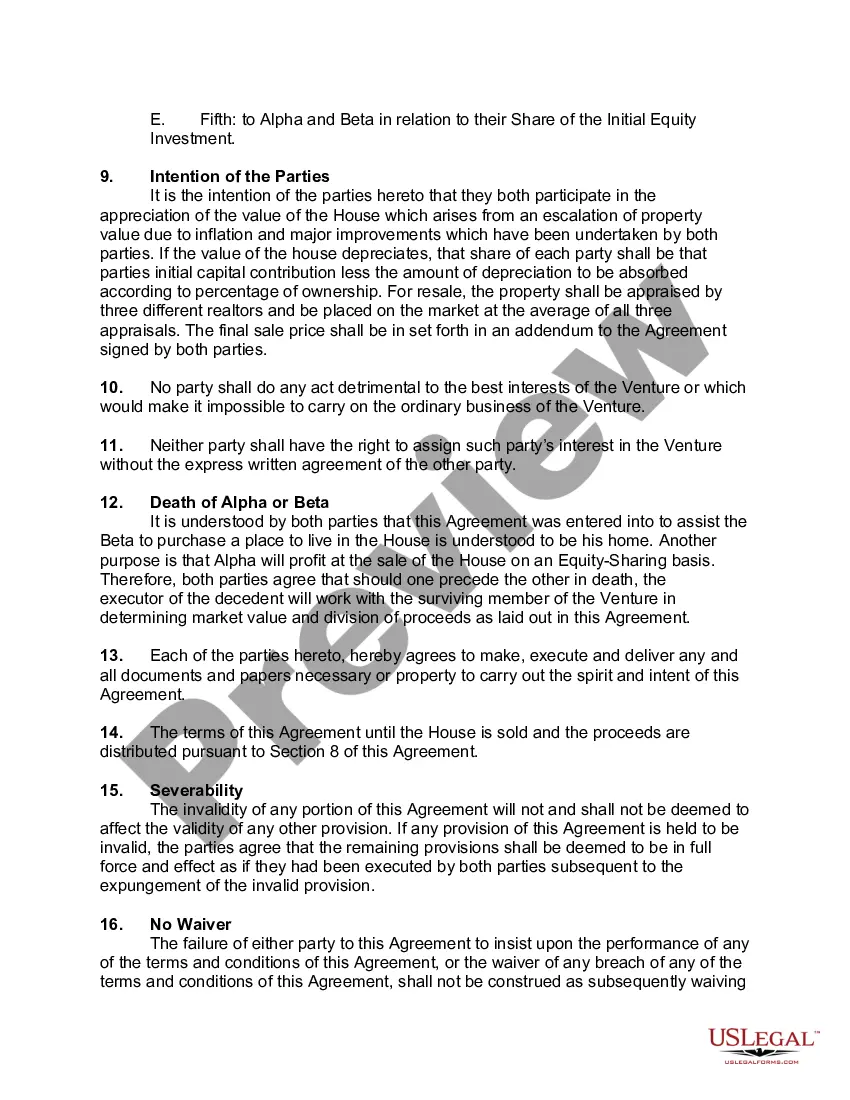
Co-ownership Agreements For Real Estate In Cook
Description
Get your form ready online
Our built-in tools help you complete, sign, share, and store your documents in one place.
Make edits, fill in missing information, and update formatting in US Legal Forms—just like you would in MS Word.
Download a copy, print it, send it by email, or mail it via USPS—whatever works best for your next step.
Sign and collect signatures with our SignNow integration. Send to multiple recipients, set reminders, and more. Go Premium to unlock E-Sign.
If this form requires notarization, complete it online through a secure video call—no need to meet a notary in person or wait for an appointment.
We protect your documents and personal data by following strict security and privacy standards.

Make edits, fill in missing information, and update formatting in US Legal Forms—just like you would in MS Word.

Download a copy, print it, send it by email, or mail it via USPS—whatever works best for your next step.

Sign and collect signatures with our SignNow integration. Send to multiple recipients, set reminders, and more. Go Premium to unlock E-Sign.

If this form requires notarization, complete it online through a secure video call—no need to meet a notary in person or wait for an appointment.

We protect your documents and personal data by following strict security and privacy standards.
Looking for another form?
Form popularity
FAQ
To create a joint tenancy with the right of survivorship, all you need to do is put the right words on the title document, such as a deed to real estate, a car's title slip, or the signature card establishing a bank account.
Joint account A joint owner or co-owner means that both owners have the same access to the account. As an owner of the account, both co-owners can deposit, withdraw, or close the account. You most likely want to reserve this for someone with whom you already have a financial relationship, such as a family member.
Co-own·er. ˈkō-ˌō-nər. : one of two or more individuals or entities owning property together (as by joint tenancy, tenancy in common, or tenancy by the entirety)
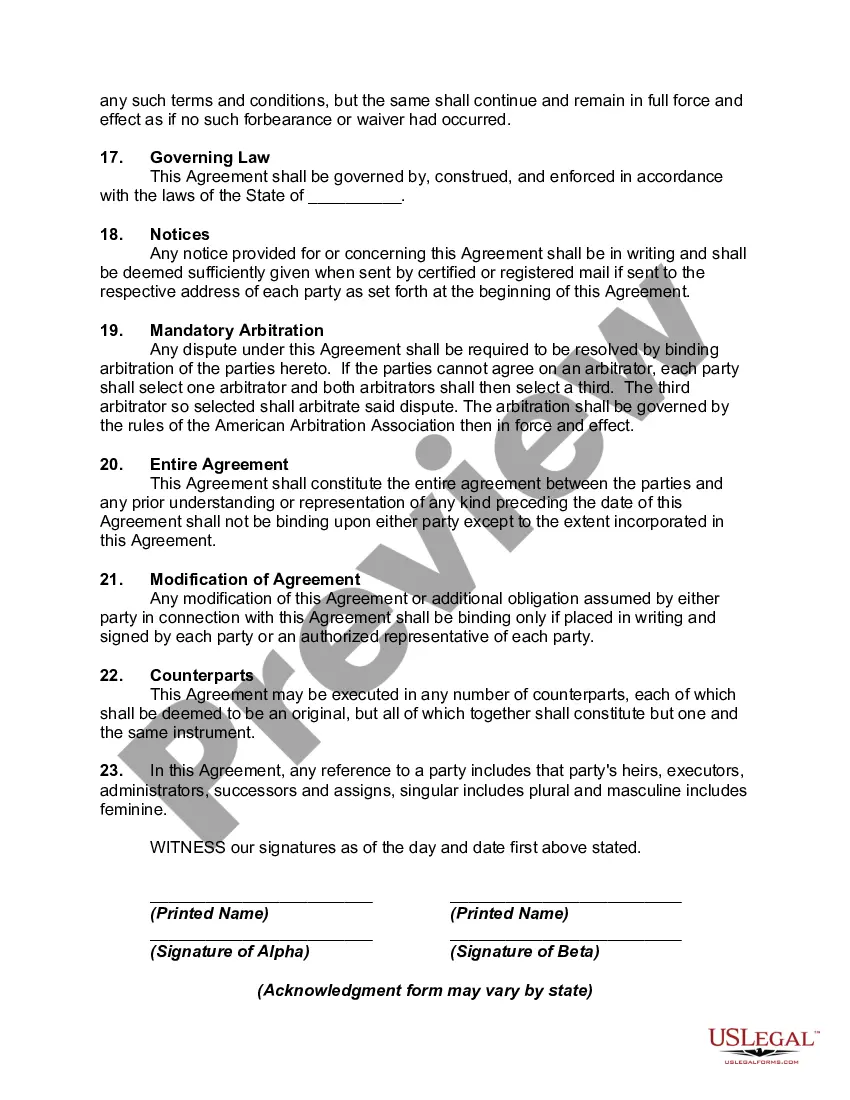
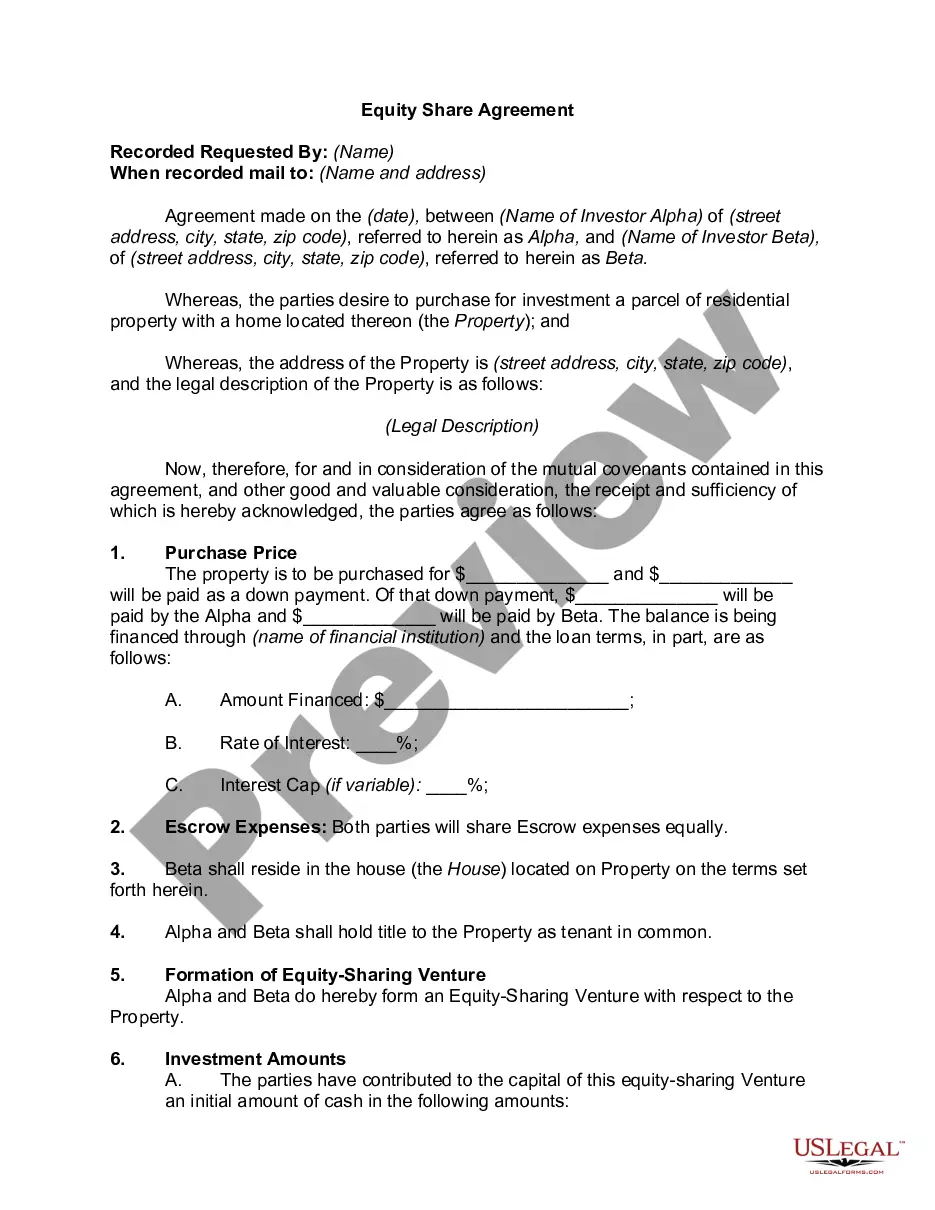
Draft a document for the parties to sign specifying the relationship between them, such as joint tenants in common, tenants in entirety, etc. Both parties must agree to the terms of the relationship, and sign the document to ensure that it is legally binding.
Also, because your shared home represents a major economic investment, you should hire a lawyer to help you prepare an agreement that meets your needs.
Co-ownership might entail more complex legal agreements, specifically outlining each party's rights and responsibilities. Joint property ownership usually involves a simpler, more standardised agreement.
In fact, trying to get your co-owner off the property might land you in legal trouble by allowing the co-owner to claim damages from ouster.
Co-ownership, particularly models like fractional ownership, tends to provide more tailored experiences that align with individual preferences and lifestyles. Joint property ownership, on the other hand, requires complete alignment among all owners.
owner can be an individual or a group that owns a percentage of an asset in conjunction with another individual or group. The revenue, tax, legal, and financial obligations can be different for each coowner and will depend on the coownership agreement and nature of the asset.