Co-ownership Agreement Example In Clark
Description






Get your form ready online
Our built-in tools help you complete, sign, share, and store your documents in one place.
Make edits, fill in missing information, and update formatting in US Legal Forms—just like you would in MS Word.
Download a copy, print it, send it by email, or mail it via USPS—whatever works best for your next step.
Sign and collect signatures with our SignNow integration. Send to multiple recipients, set reminders, and more. Go Premium to unlock E-Sign.
If this form requires notarization, complete it online through a secure video call—no need to meet a notary in person or wait for an appointment.
We protect your documents and personal data by following strict security and privacy standards.

Make edits, fill in missing information, and update formatting in US Legal Forms—just like you would in MS Word.

Download a copy, print it, send it by email, or mail it via USPS—whatever works best for your next step.

Sign and collect signatures with our SignNow integration. Send to multiple recipients, set reminders, and more. Go Premium to unlock E-Sign.

If this form requires notarization, complete it online through a secure video call—no need to meet a notary in person or wait for an appointment.

We protect your documents and personal data by following strict security and privacy standards.
Looking for another form?

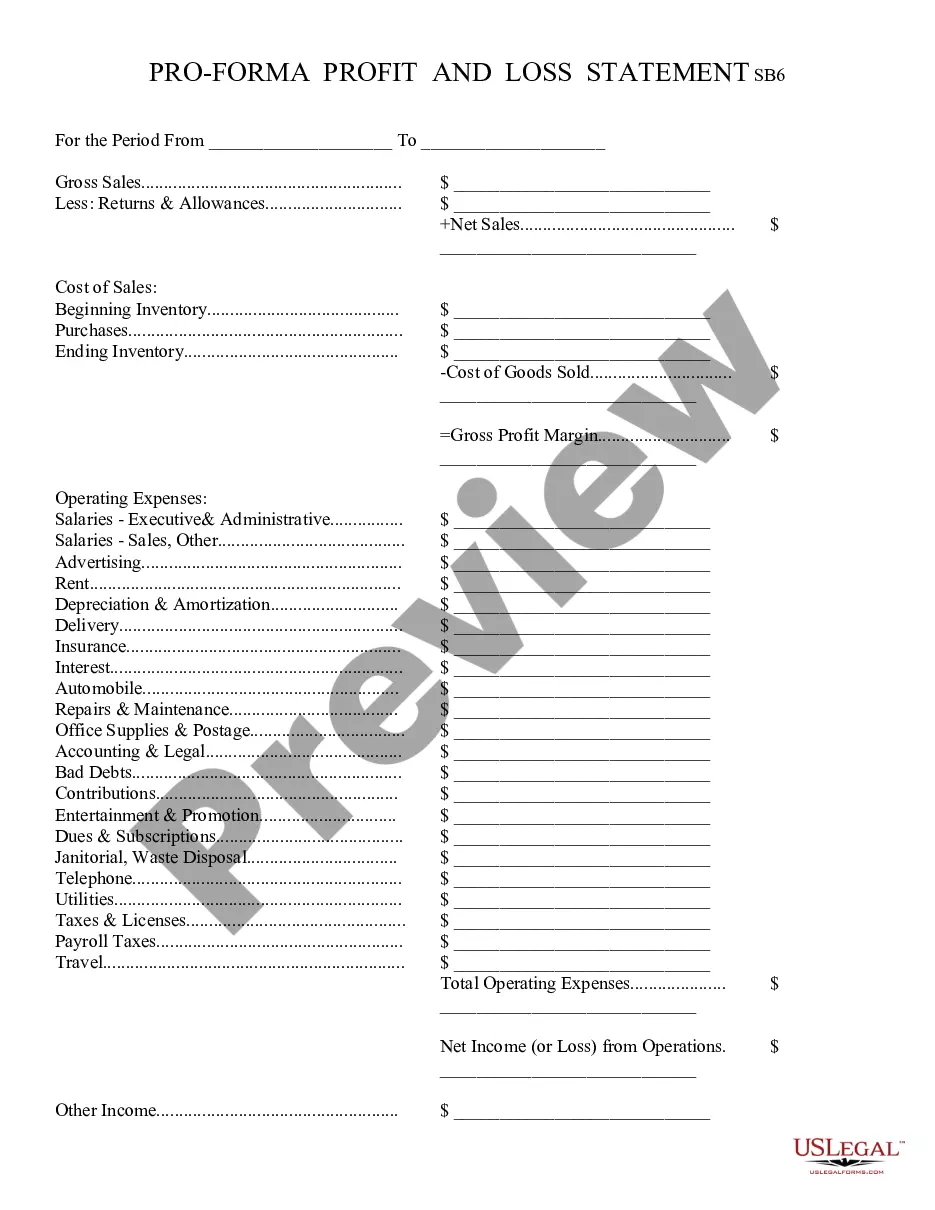
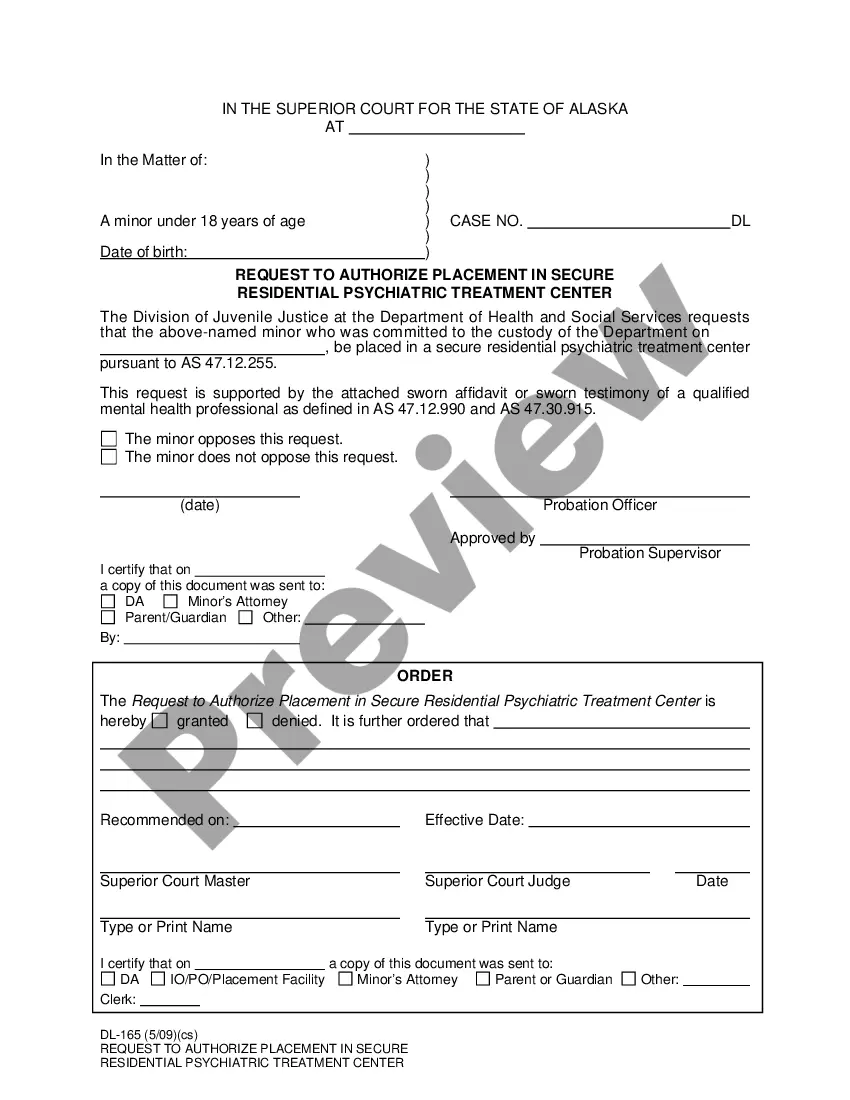
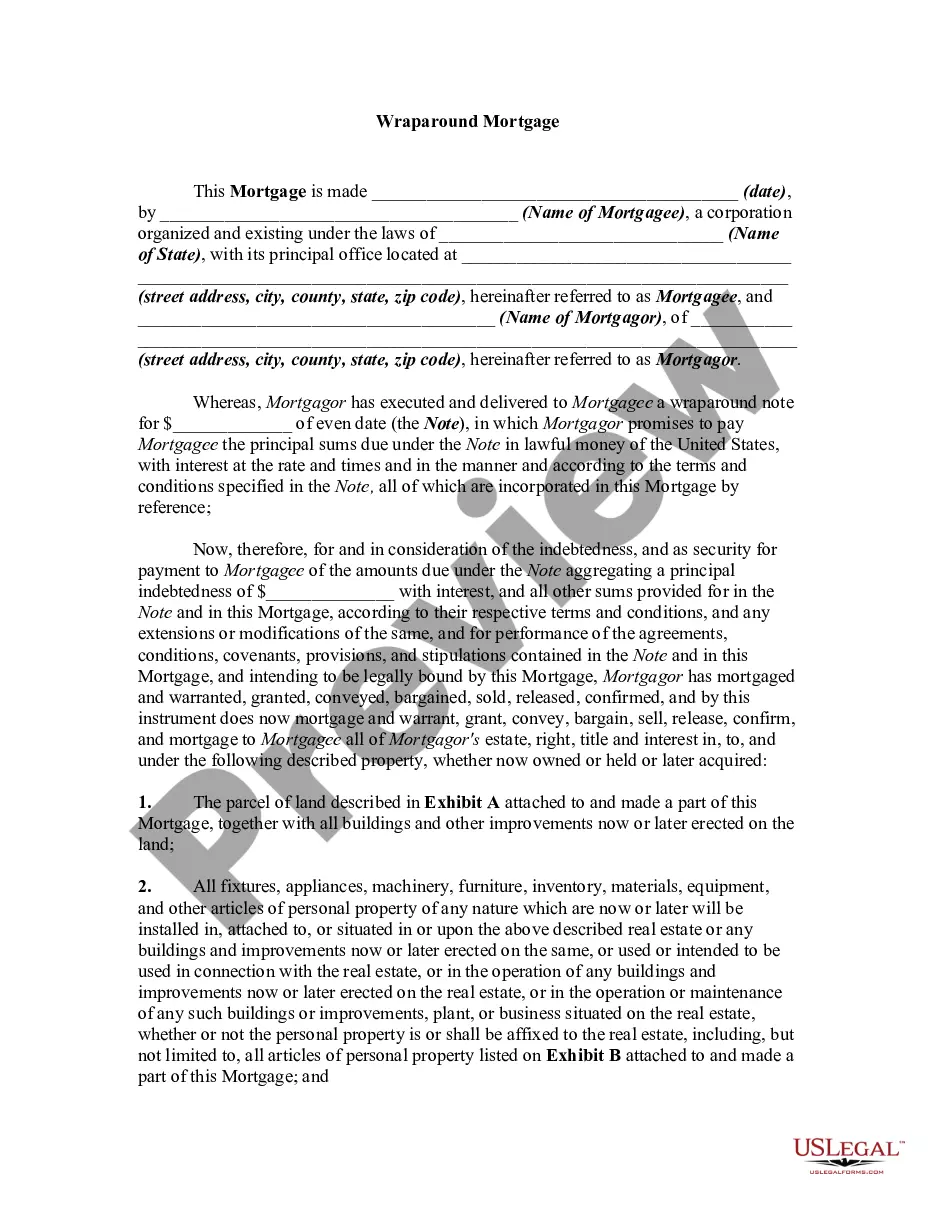





Form popularity
FAQ
Legal Framework Governing Co-ownership in the Philippines Article 493 of the Civil Code specifies that while each co-owner is entitled to freely dispose of their undivided interest in the co-owned property, they cannot sell specific portions of the land unless it has been legally partitioned.
Once you (and the other LLC Members, if applicable) sign the Operating Agreement, then it becomes a legal document. Can I write my own Operating Agreement? Yes, but we recommend using an Operating Agreement template. An Operating Agreement is a legal document.
An ownership transfer letter can be written in the following way: Explain the purpose of the transfer request letter. Consider the overall position of the asset. Mention how the transfer will be of mutual benefit. Ensure the clarity of pints. Mention details of who is involved. Terms, conditions, and legal obligations.
Also, because your shared home represents a major economic investment, you should hire a lawyer to help you prepare an agreement that meets your needs.
Write the contract in six steps Start with a contract template. Open with the basic information. Describe in detail what you have agreed to. Include a description of how the contract will be ended. Write into the contract which laws apply and how disputes will be resolved. Include space for signatures.
Outlining the rights and obligations of each party Agree on what rights and responsibilities each party will have. Ensure that each party understands and agrees to the duties and obligations assigned to them. Identify what each party is responsible for, including any financial contributions.
There are different types of co-ownership, including tenancy in common, joint ownership, community property and tenancy by the entirety. Each type corresponds to a different set of rules and allowances.
owned property is a property that was purchased and is owned jointly by two or more people. Coownership is not a new concept. As real estate prices keep increasing, purchasing real estate with other people can make more financial sense.
Joint Tenancy: Unity in Ownership Joint tenancy is a popular type of co-ownership of property where all co-owners - termed joint tenants - hold an equal interest in the property. A key feature of a joint tenancy is the right of survivorship.