Manufacturing Agreement Format India In Wayne
Description

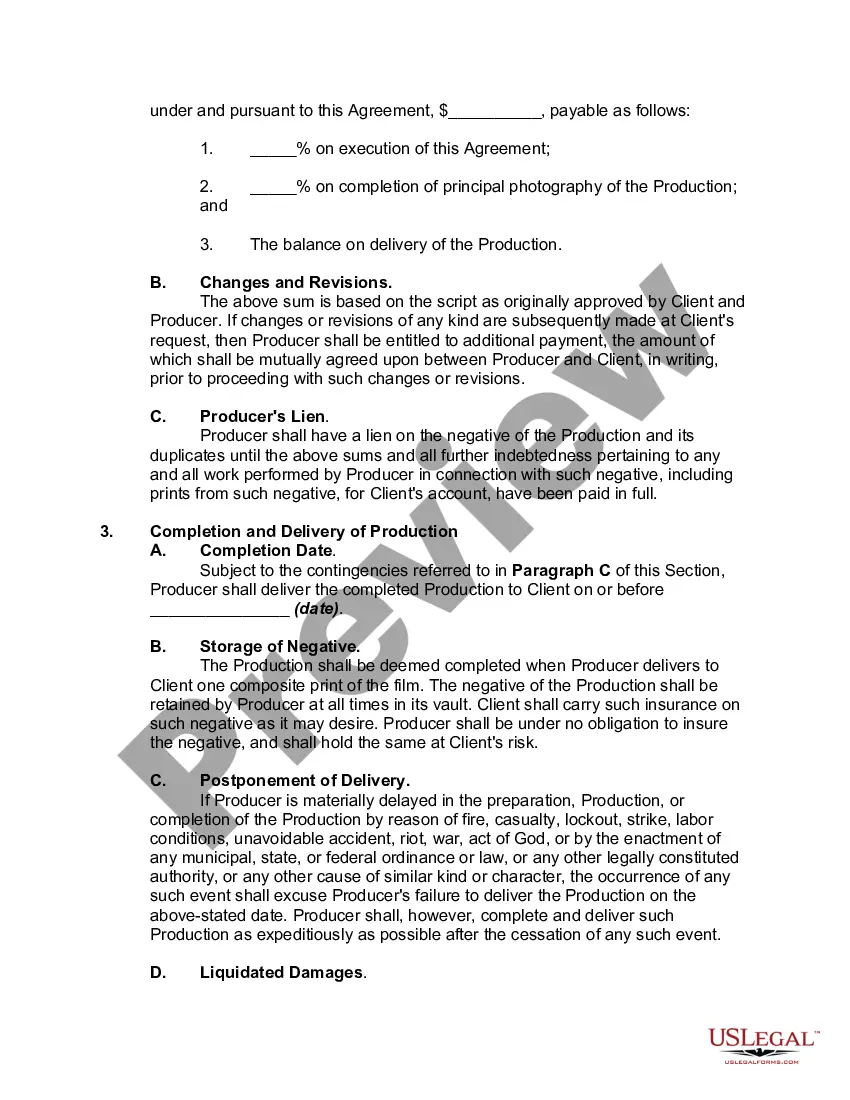
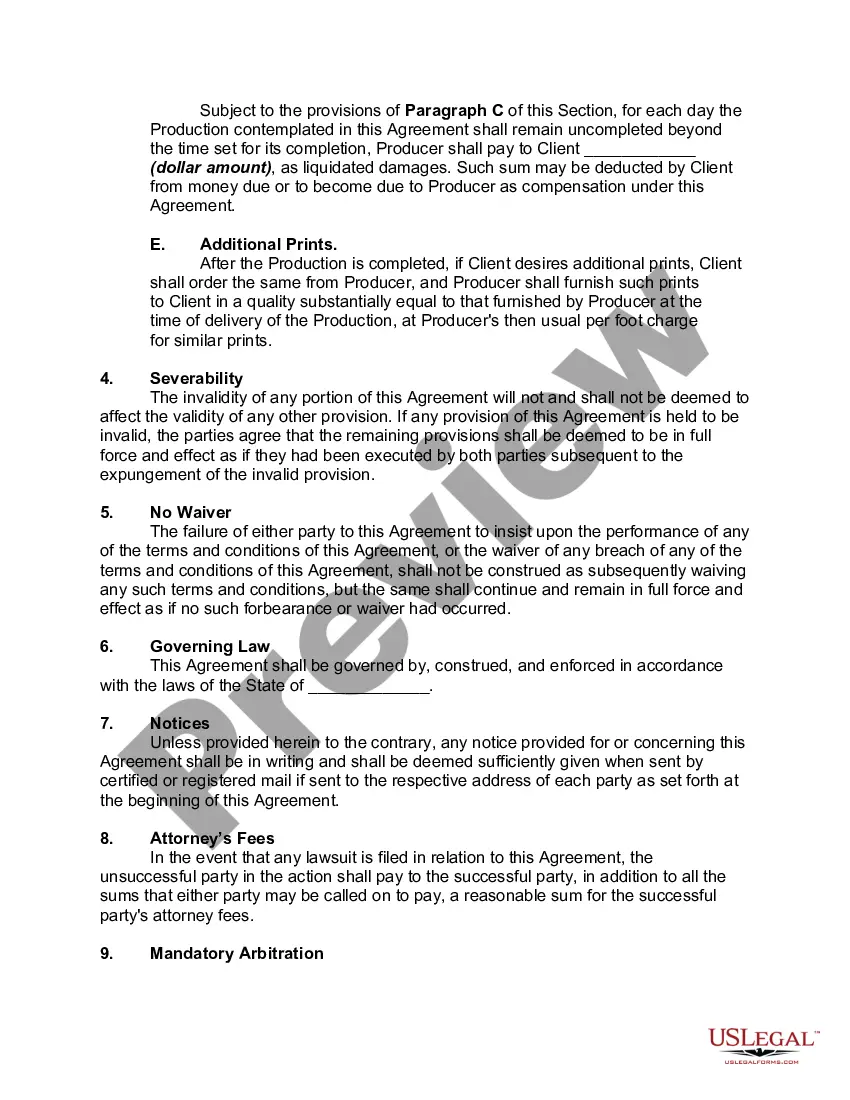
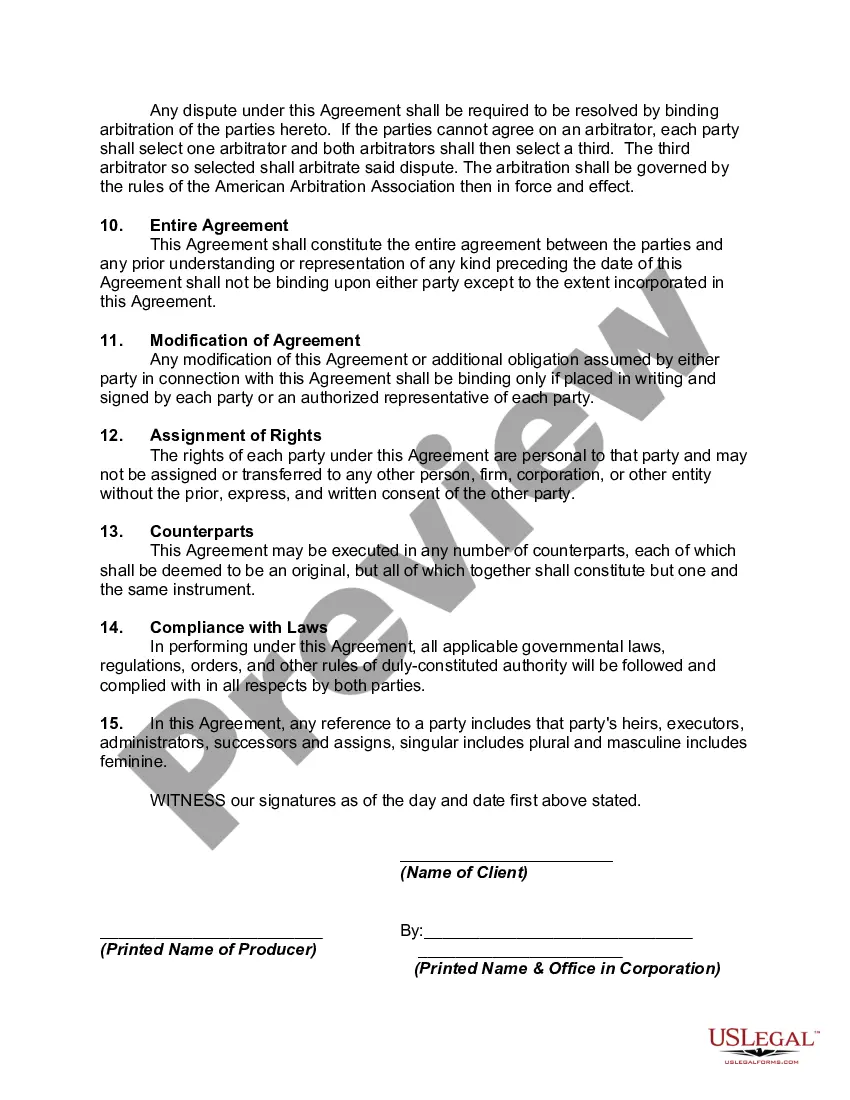
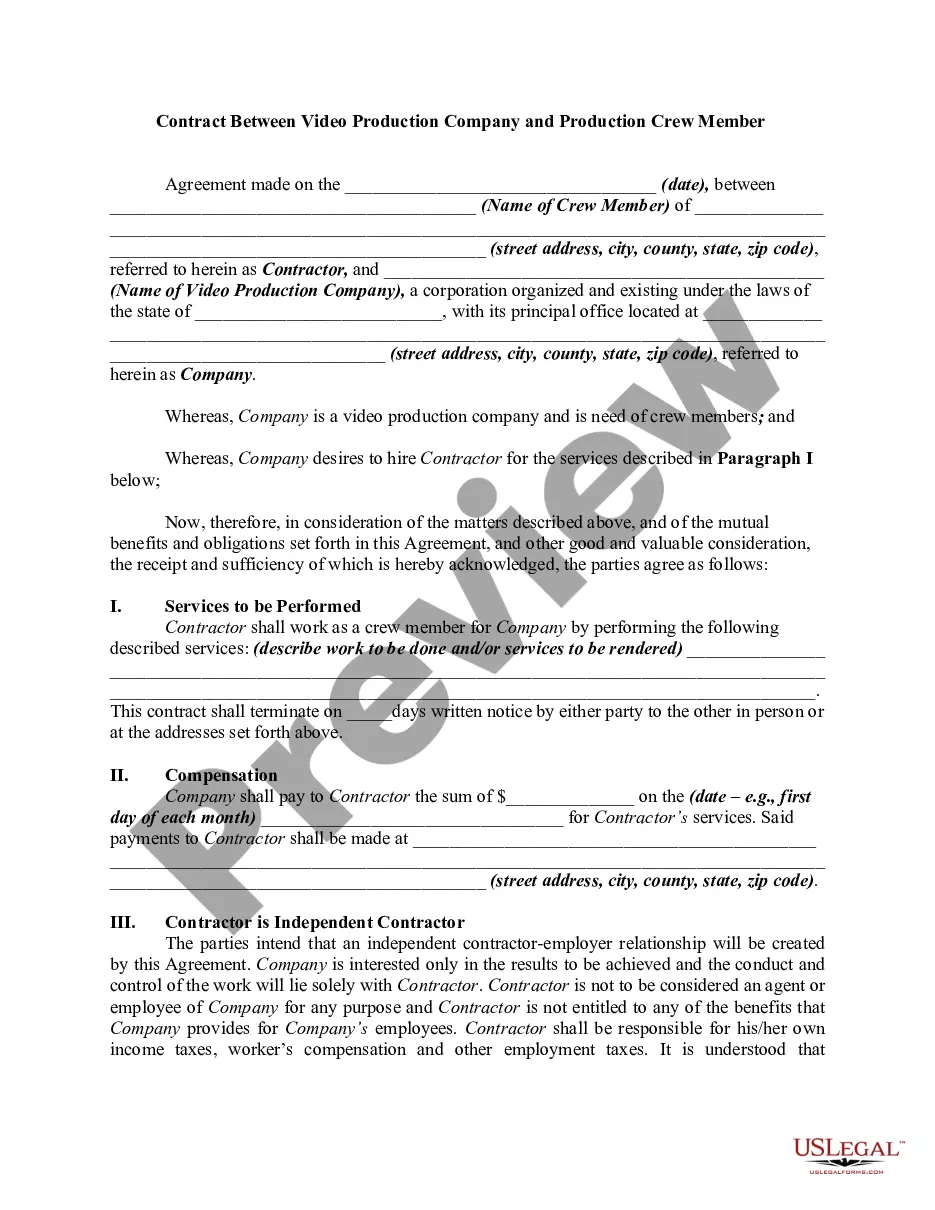
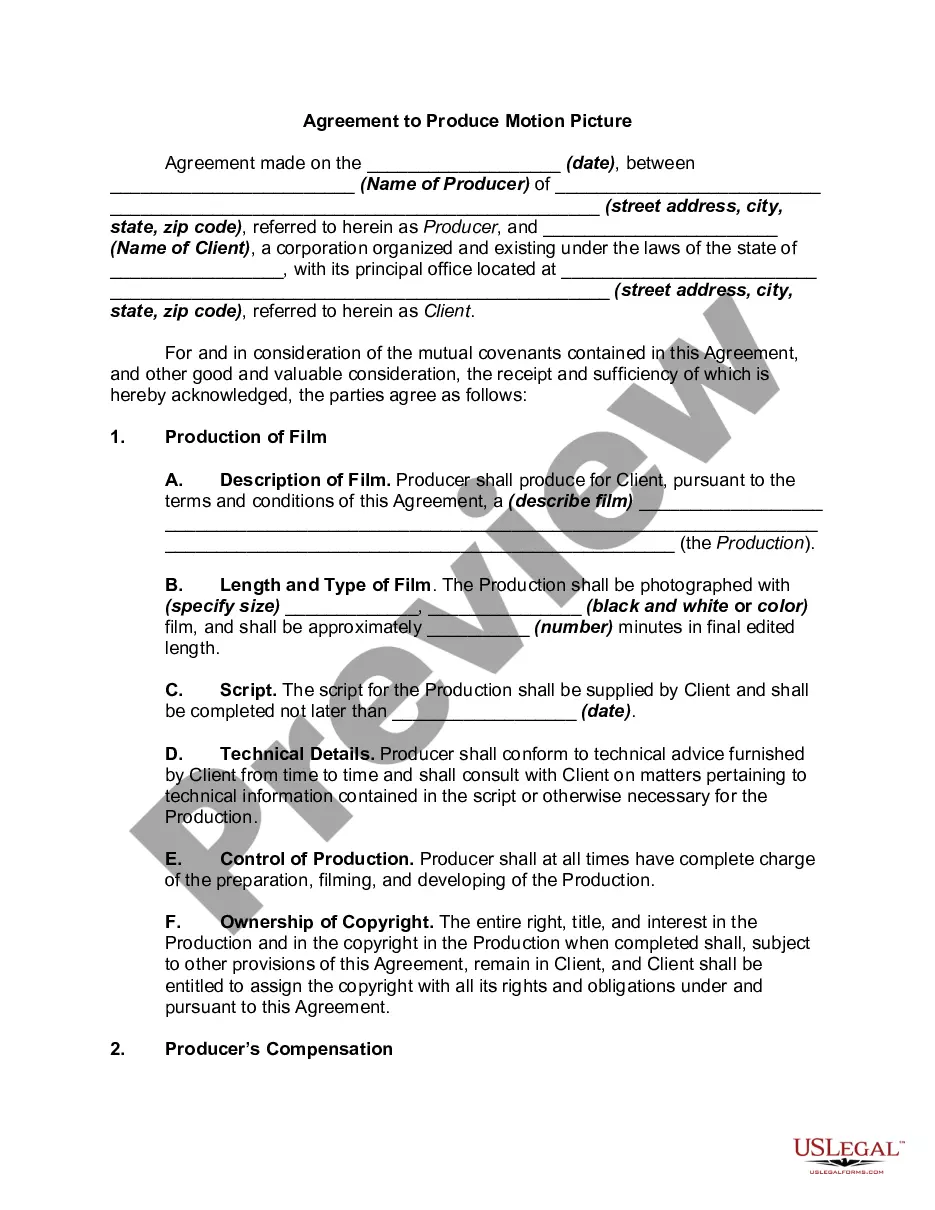
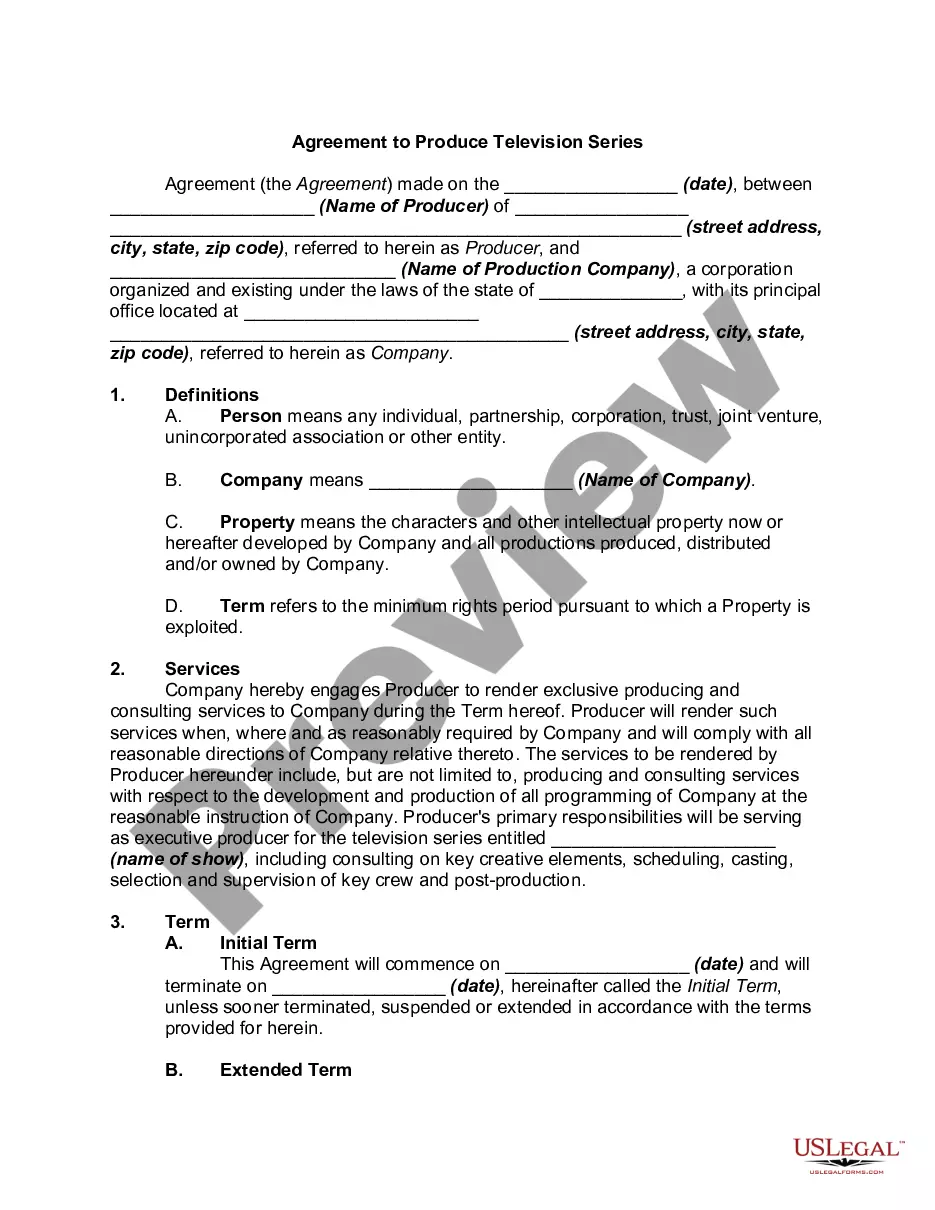
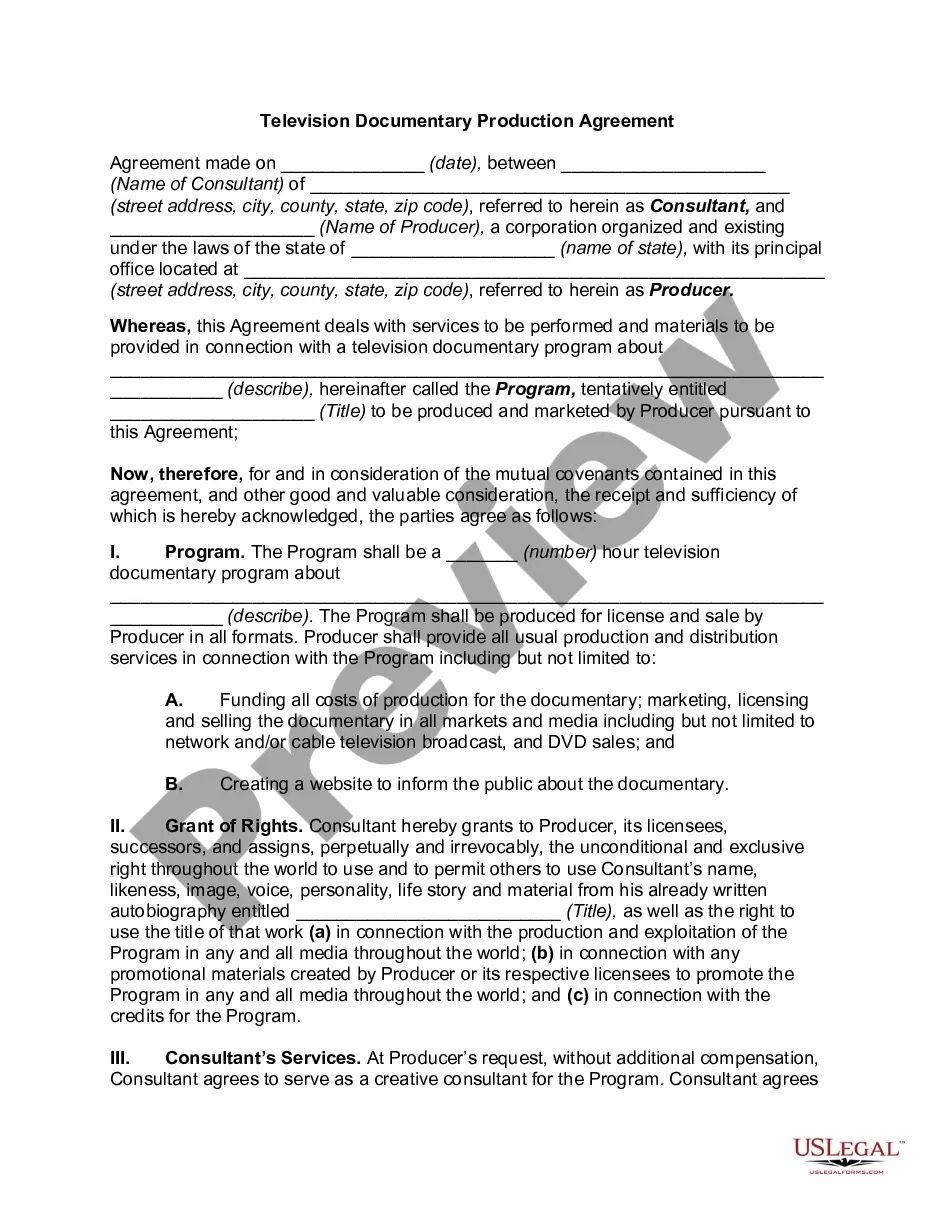
Get your form ready online
Our built-in tools help you complete, sign, share, and store your documents in one place.
Make edits, fill in missing information, and update formatting in US Legal Forms—just like you would in MS Word.
Download a copy, print it, send it by email, or mail it via USPS—whatever works best for your next step.
Sign and collect signatures with our SignNow integration. Send to multiple recipients, set reminders, and more. Go Premium to unlock E-Sign.
If this form requires notarization, complete it online through a secure video call—no need to meet a notary in person or wait for an appointment.
We protect your documents and personal data by following strict security and privacy standards.

Make edits, fill in missing information, and update formatting in US Legal Forms—just like you would in MS Word.

Download a copy, print it, send it by email, or mail it via USPS—whatever works best for your next step.

Sign and collect signatures with our SignNow integration. Send to multiple recipients, set reminders, and more. Go Premium to unlock E-Sign.

If this form requires notarization, complete it online through a secure video call—no need to meet a notary in person or wait for an appointment.

We protect your documents and personal data by following strict security and privacy standards.
Looking for another form?




Form popularity
FAQ
How to write a letter of agreement Title the document. Add the title at the top of the document. List your personal information. Include the date. Add the recipient's personal information. Address the recipient. Write an introduction paragraph. Write your body. Conclude the letter.
Essentials of Forming an Agreement: Parties - There must be two or more parties to form an agreement. Offer or proposal - The proposal must be made by one party to the other. The person(s) to whom the proposal has been made must clearly understand all the aspects and terms of the proposal.
Creating a Self-Contract Stick to just one goal. Write down the steps you need to take to achieve the goal. Set a deadline for the contract to one day, or a week at most. Keep it short and focused, but formal. Focus on the upsides of the contract. Change the contract if you feel that you've accomplished it already.
How to draft a contract between two parties: A step-by-step checklist Know your parties. Agree on the terms. Set clear boundaries. Spell out the consequences. Specify how you will resolve disputes. Cover confidentiality. Check the legality of the contract. Open it up to negotiation.
Write the contract in six steps Start with a contract template. Open with the basic information. Describe in detail what you have agreed to. Include a description of how the contract will be ended. Write into the contract which laws apply and how disputes will be resolved. Include space for signatures.
Drafting of an Effective Agreement or Contract Intention of the parties. Reasons why the parties are entering the agreement. Subject matter of the Agreement, eg. Consideration. Time period of the agreement. Termination of the agreement and its consequences. Exit options of the parties. Important timelines, if any.
A contract is created at law when there is a mutual exchange of promises upon reasonably understandable terms and conditions. A contract does not have to be reduced to writing in order to be enforceable; however, for the purposes of this manual, the term contract is intended to mean a written form of communication.
While contract manufacturing offers many benefits, there are also some risks associated with it. One of the most significant risks is the risk of intellectual property theft. By outsourcing production to a third-party manufacturer, the company is essentially handing over control of its intellectual property.
In its most basic form, contract manufacturing is when one business agrees to assist in the production of goods for another business. The arrangement could be limited to producing certain components, such as equipment faceplates or control panel overlays, or it could entail complete start-to-finish manufacturing.
Contract manufacturing is a manufacturing-as-service approach: the customer provides all designs and specifications, and the supplier simply build to the drawing, while in OEM, the customer is providing a portion of the design (external, internal, some specs), and the supplier is incorporating their existing components ...
