Manufacturing Agreement Format In San Antonio
Description

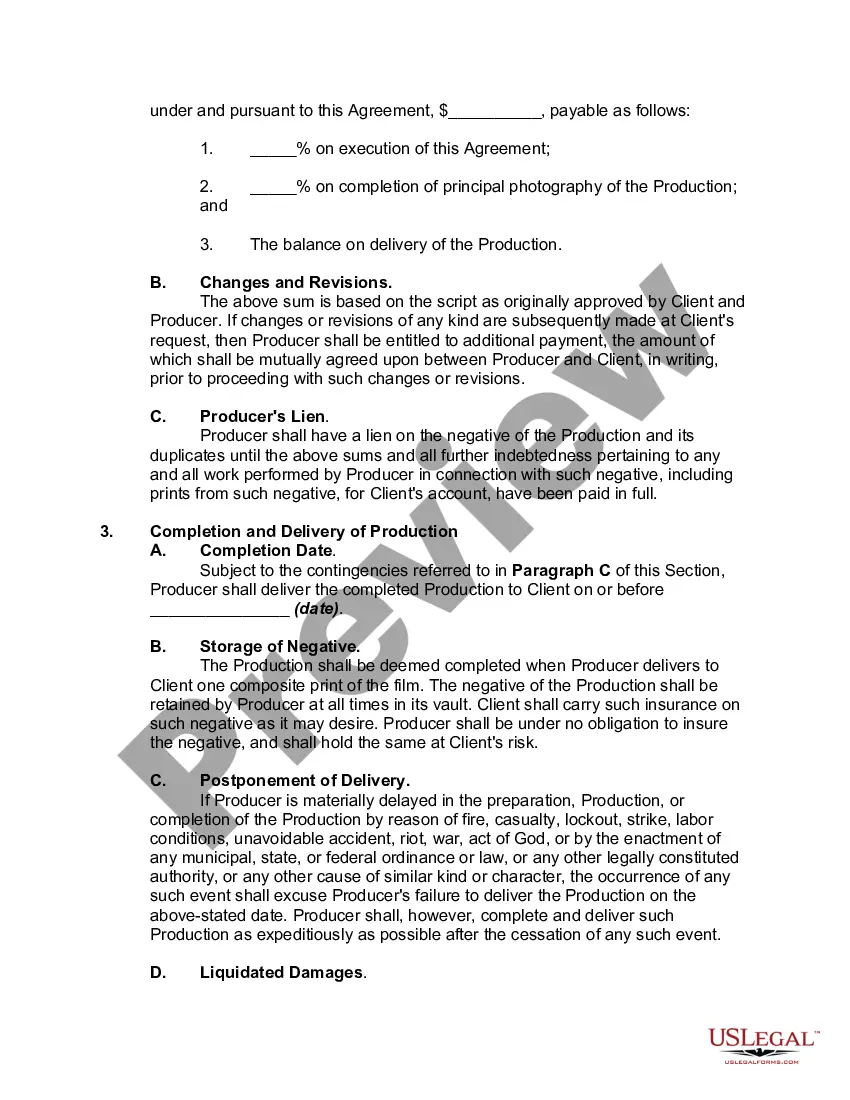
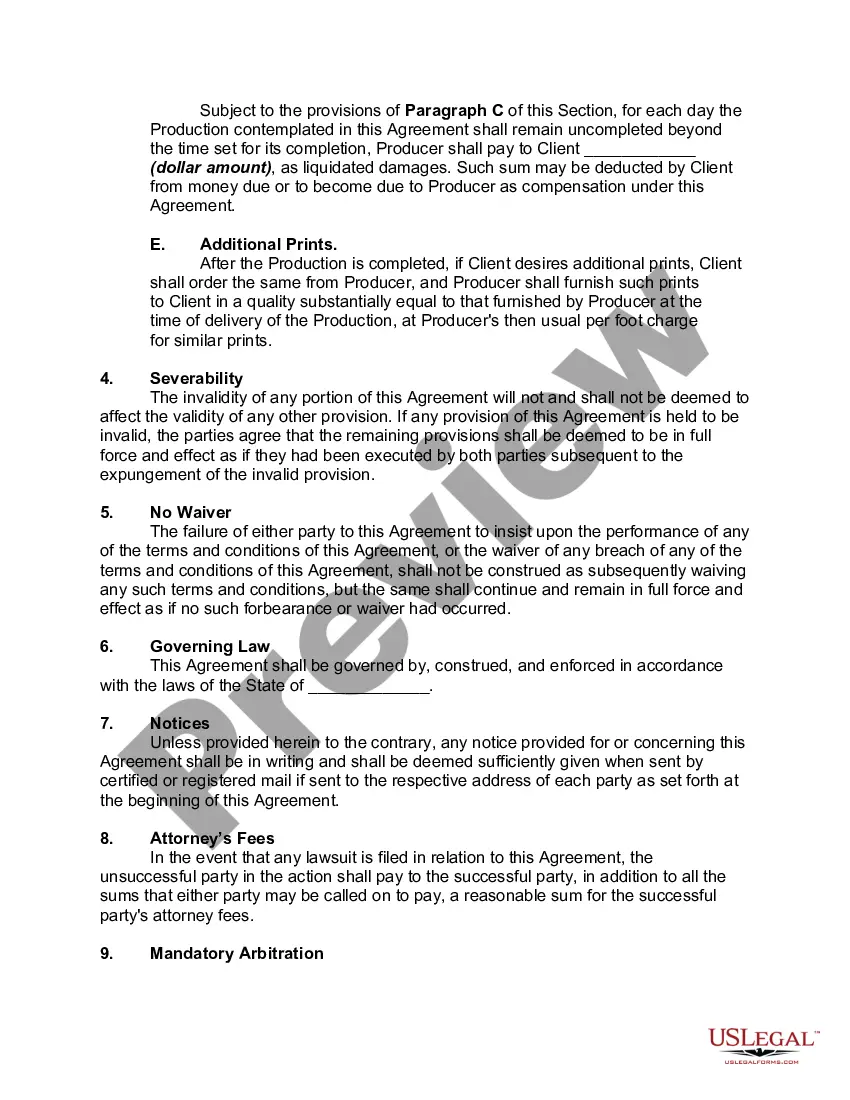
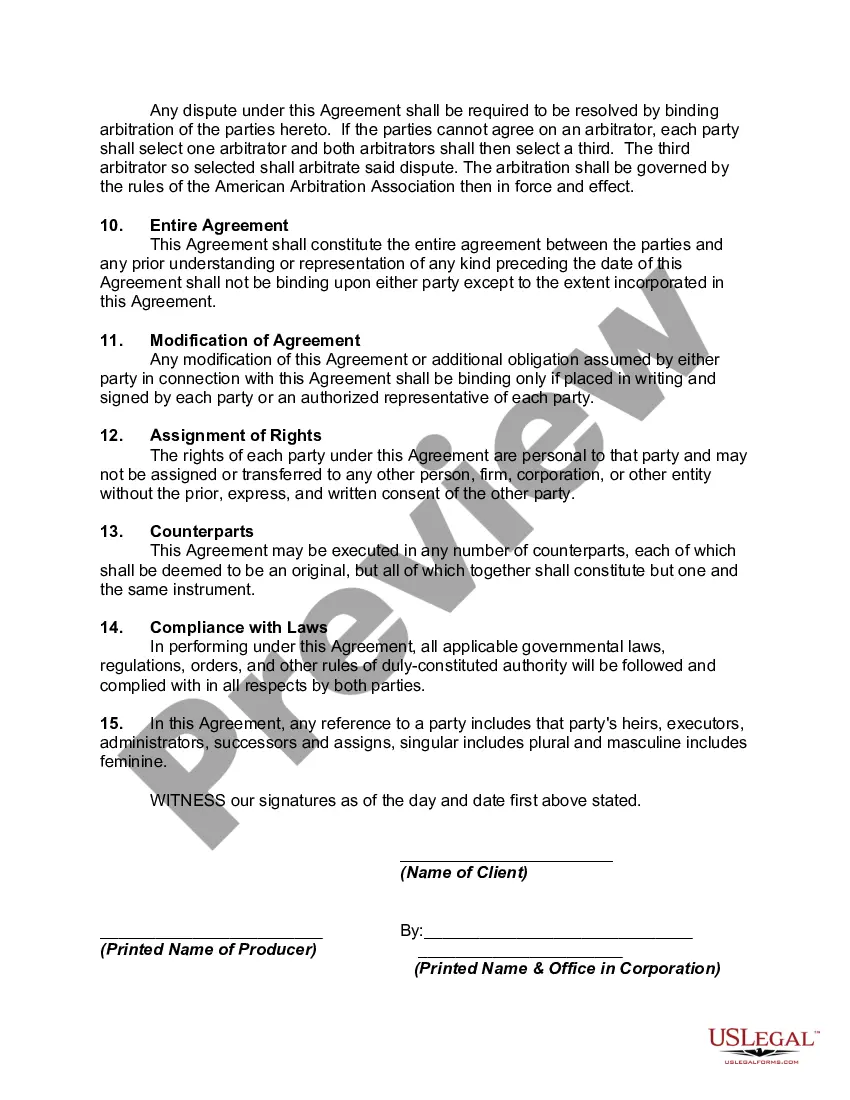
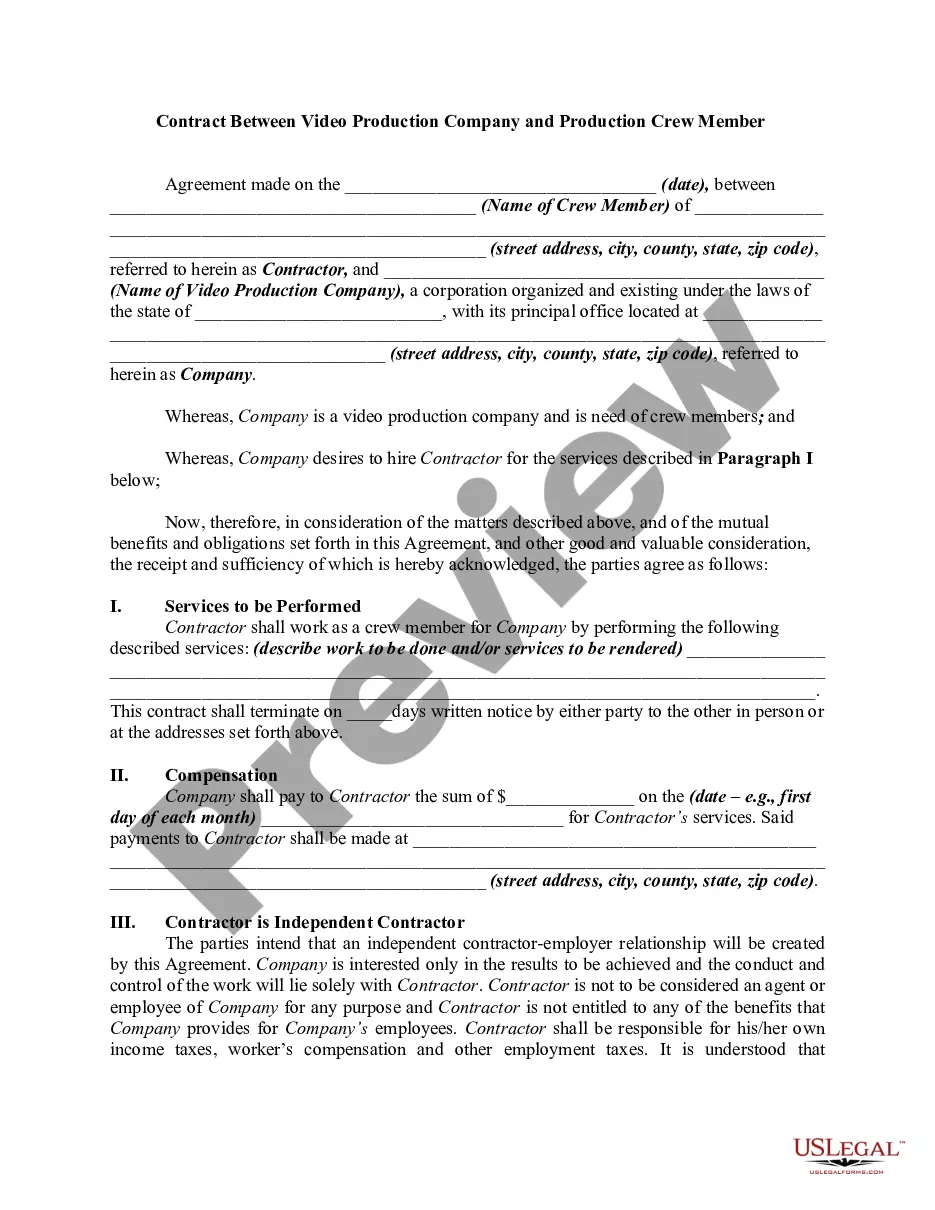
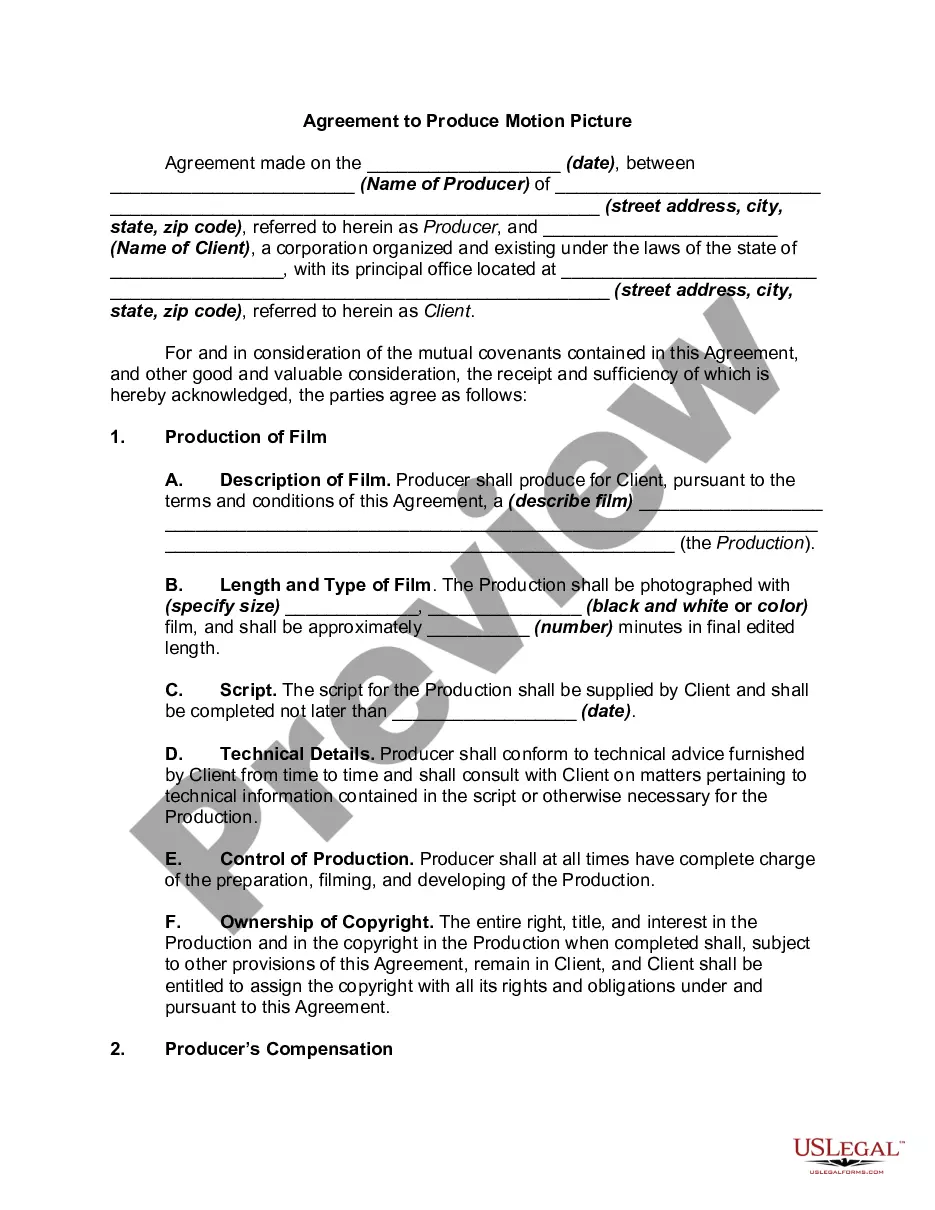
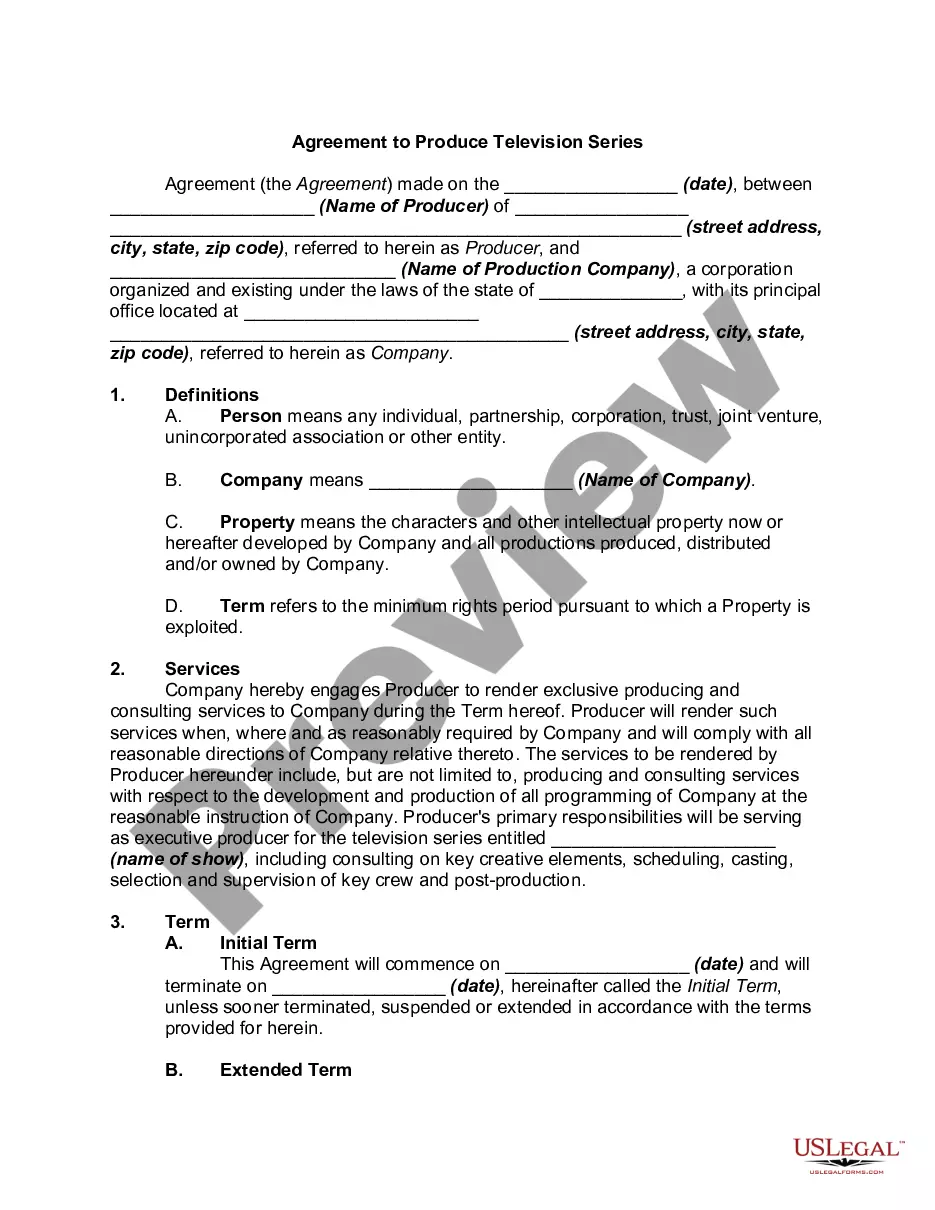
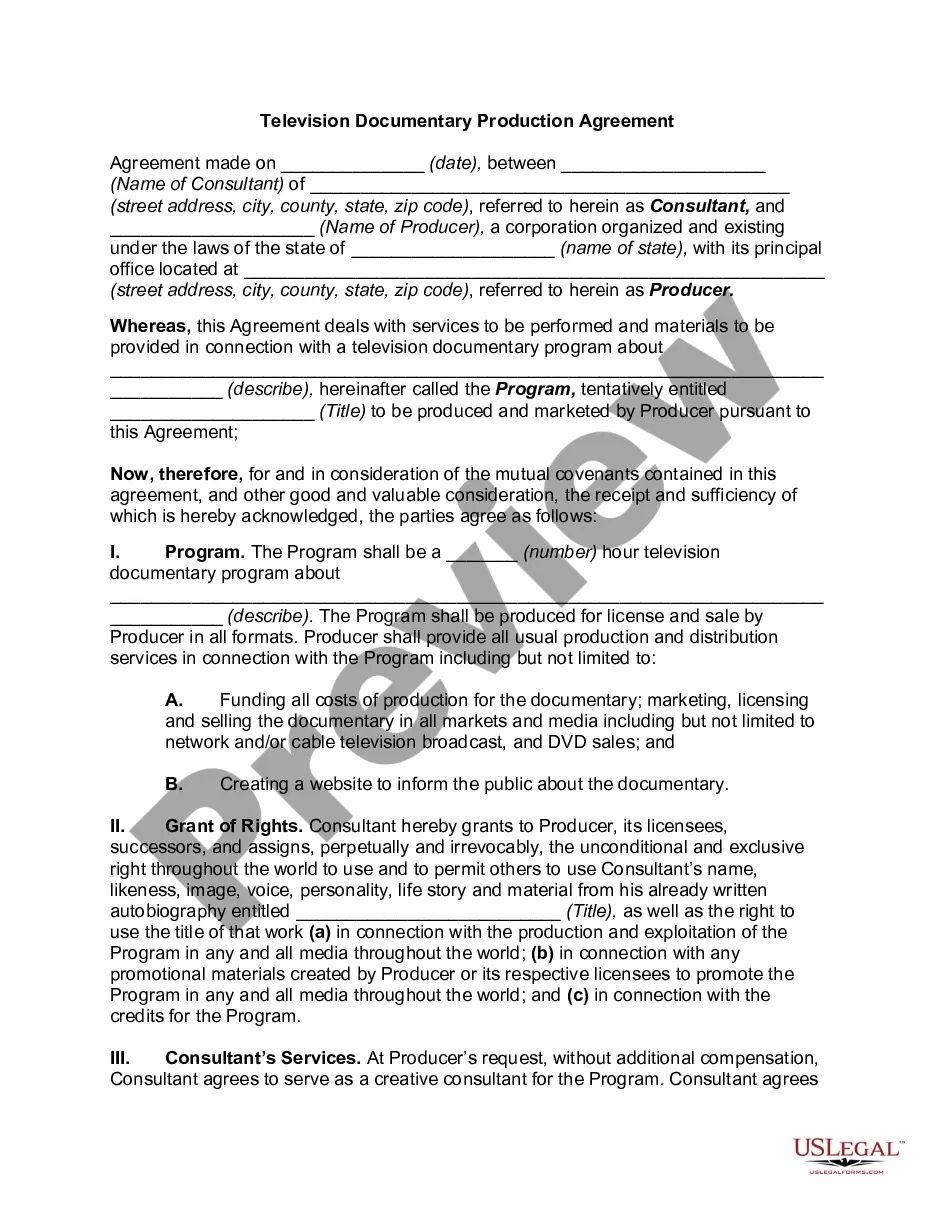
Get your form ready online
Our built-in tools help you complete, sign, share, and store your documents in one place.
Make edits, fill in missing information, and update formatting in US Legal Forms—just like you would in MS Word.
Download a copy, print it, send it by email, or mail it via USPS—whatever works best for your next step.
Sign and collect signatures with our SignNow integration. Send to multiple recipients, set reminders, and more. Go Premium to unlock E-Sign.
If this form requires notarization, complete it online through a secure video call—no need to meet a notary in person or wait for an appointment.
We protect your documents and personal data by following strict security and privacy standards.

Make edits, fill in missing information, and update formatting in US Legal Forms—just like you would in MS Word.

Download a copy, print it, send it by email, or mail it via USPS—whatever works best for your next step.

Sign and collect signatures with our SignNow integration. Send to multiple recipients, set reminders, and more. Go Premium to unlock E-Sign.

If this form requires notarization, complete it online through a secure video call—no need to meet a notary in person or wait for an appointment.

We protect your documents and personal data by following strict security and privacy standards.
Looking for another form?










Form popularity
FAQ
Contract manufacturing typically falls into three categories: component manufacturing, which involves producing individual parts; sub-assembly manufacturing, which focuses on creating semi-finished components; and complete product manufacturing, where the manufacturer produces a fully finished product ready for the ...
An agreement of license between a trademark owner and a manufacturer is an official document that states that the manufacturer of a product has the permission to manufacture the product by the company or the individual who has trademarked it.
The producer agreement can be written either as a continuous contract with a termination date to be determined in the future by either or both parties, or it can be structured to terminate on a specific date. This section provides a listing of the general and specific duties and obligations of the producer.
A contract is a binding agreement between parties, such as businesses, individuals, or multiple people. It defines the obligations of each party to the other, including: Delivery of products and/or services.
Your manufacturing contract should include: intellectual property (since the contract manufacturer(s) will be producing your proprietary creation). an assessment of manufacturing costs. clearly-written obligations of both parties. liabilities. product quality standards (if a quality control clause is included).
The manufacturing agreement should clearly set out the obligations of each party from the beginning of the manufacturing process through to the end of the contract, to prevent misunderstanding and clarify where responsibilities lie.
This is a manufacturing agreement, under which the manufacturer is obligated to produce and supply products that are specified by the customer. Typically, a detailed product specification will be provided, and this may be incorporated into the agreement or supplied as and when required by the customer.
A comprehensive guide on how to draft a contract Know your parties. Agree on the terms. Set clear boundaries. Spell out the consequences. Specify how you will resolve disputes. Cover confidentiality. Check the legality of the contract. Open it up to negotiation.
An agreement is made when two parties agree to something. So, for example, a mother might make an agreement with her son not to kiss him in public because, after kindergarten, well, that's just not cool. If people's opinions are in , or match one another, then they are in agreement.
