Production Contract Template Video With Music In Riverside
Description

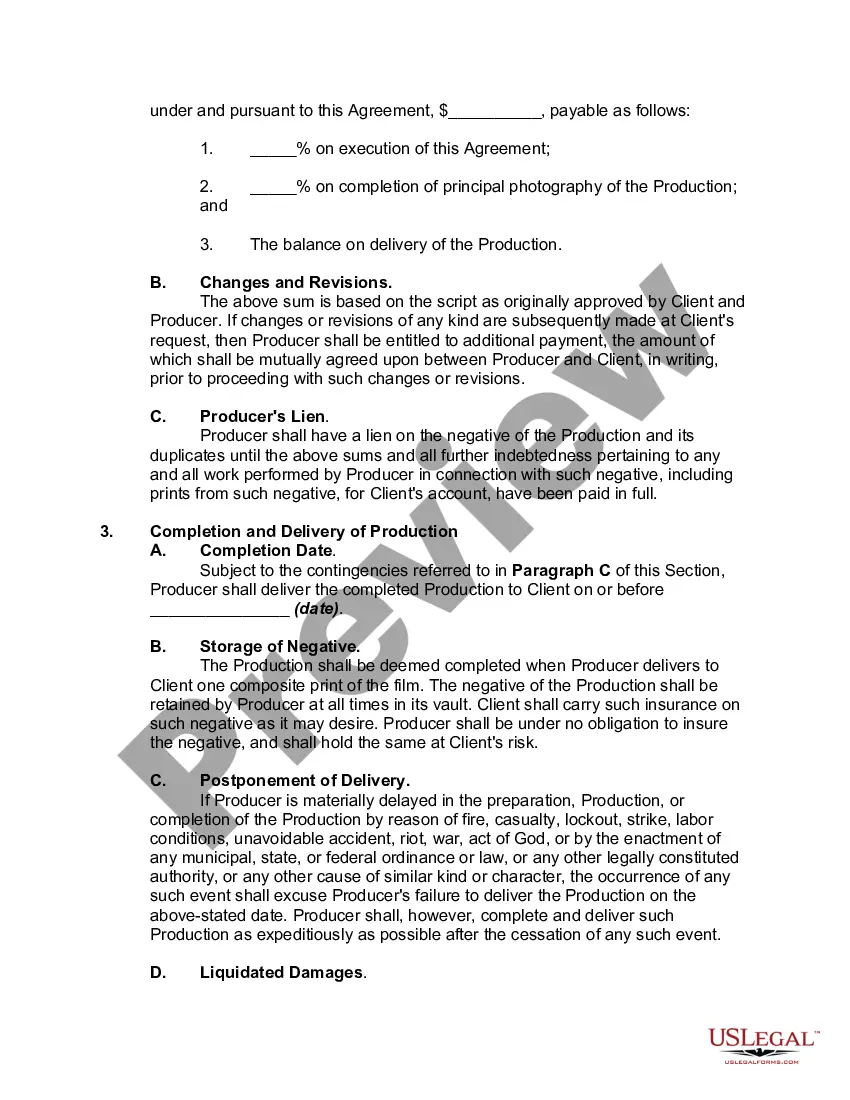
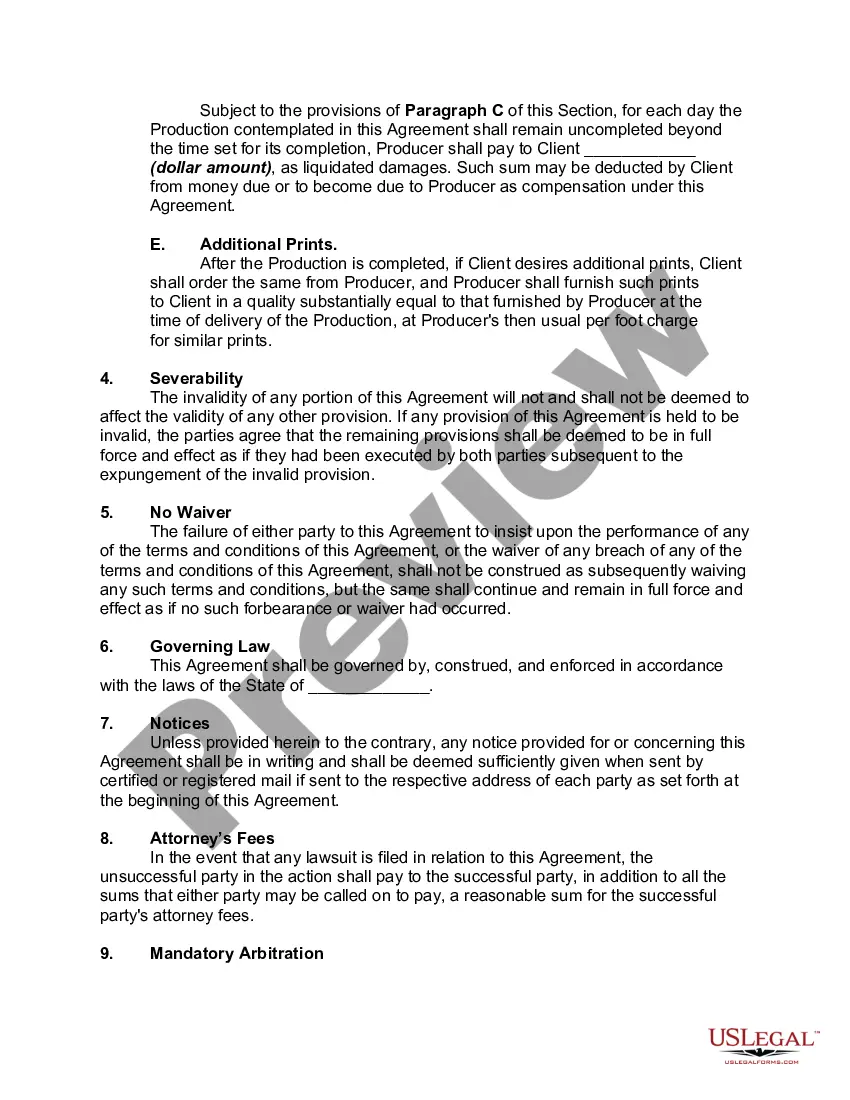
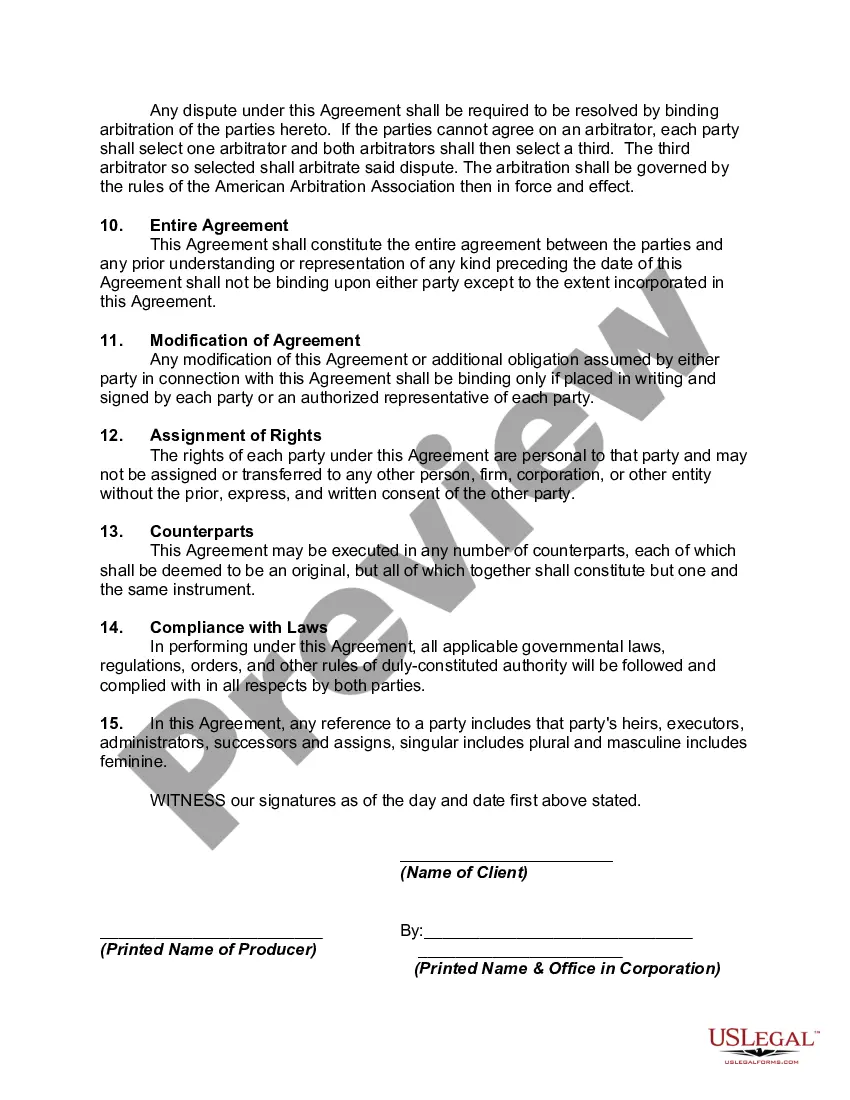
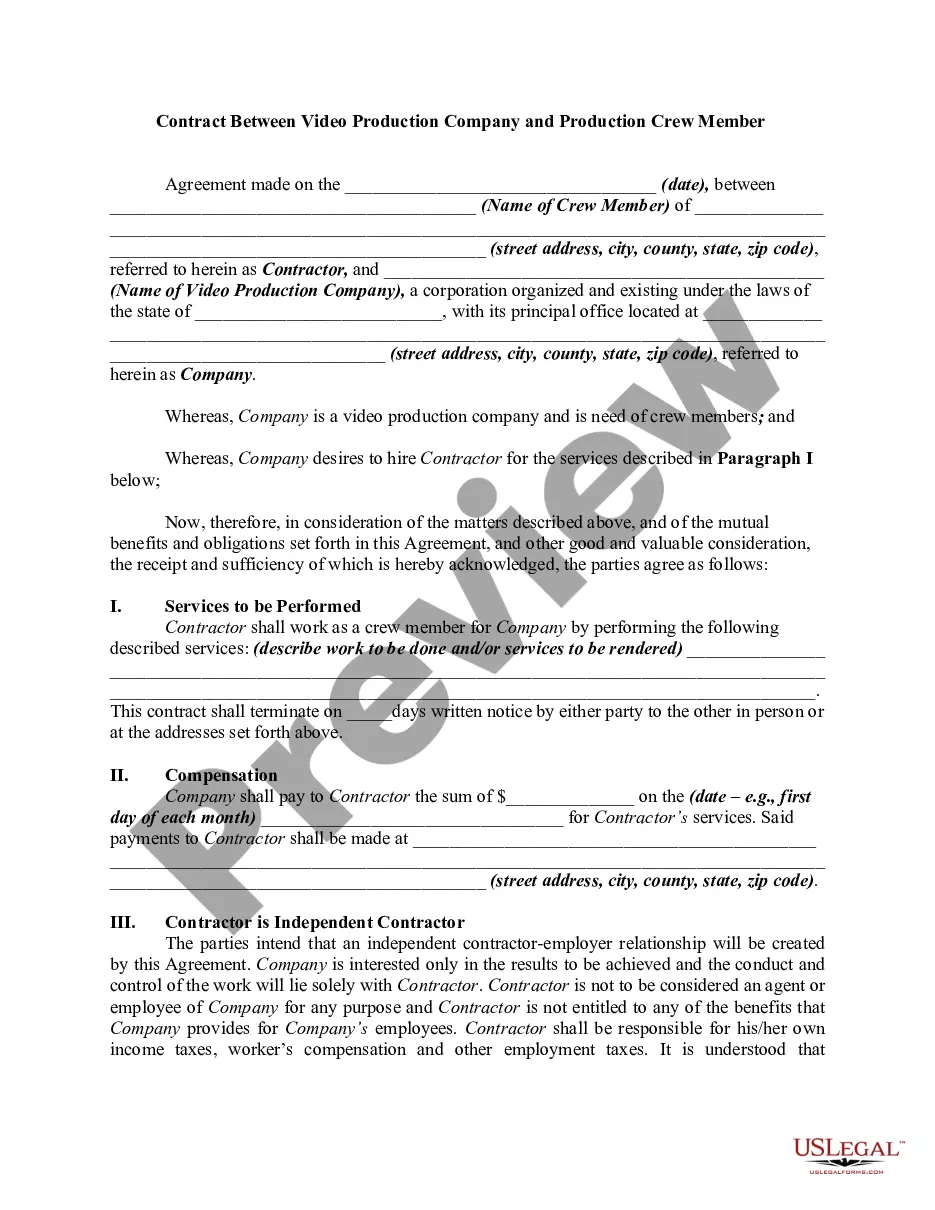
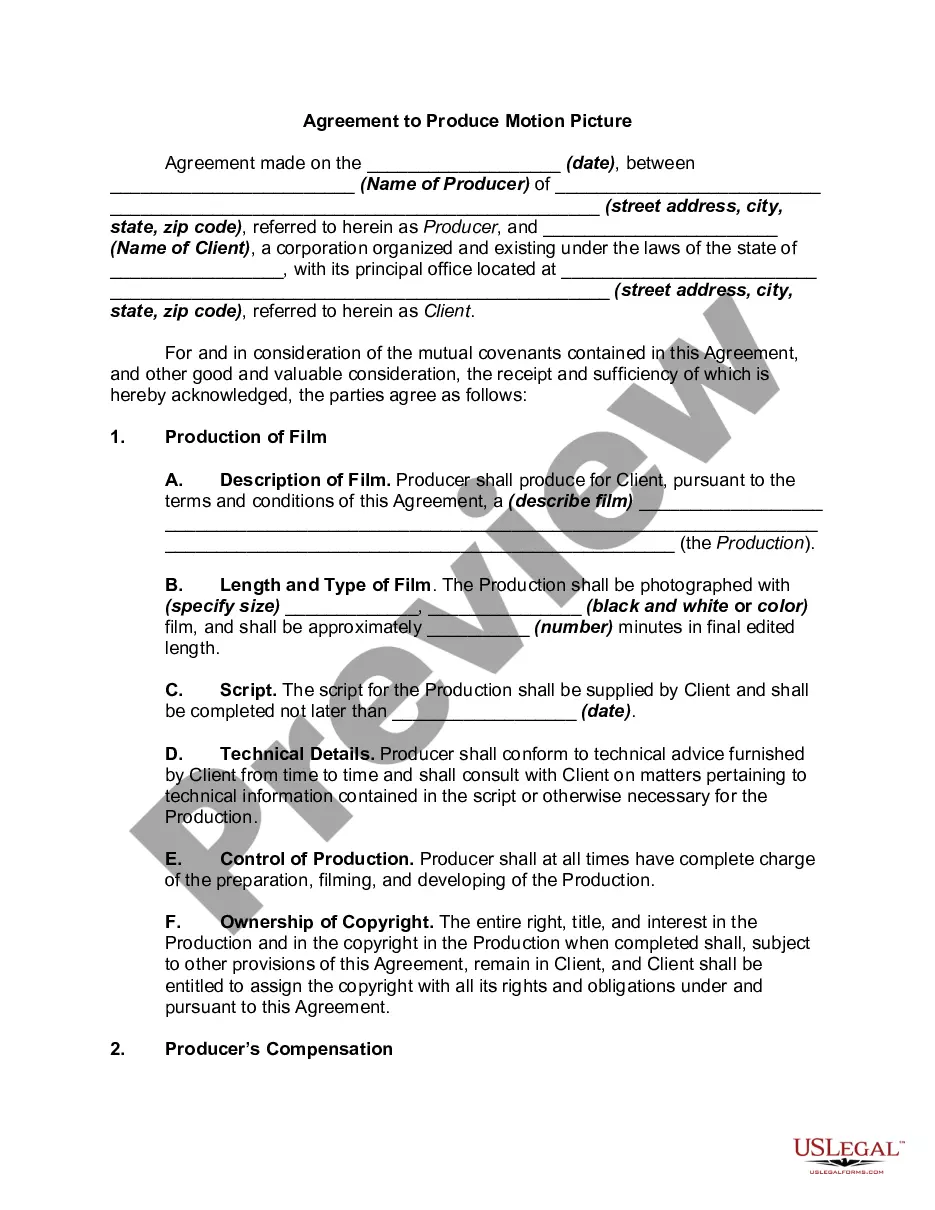
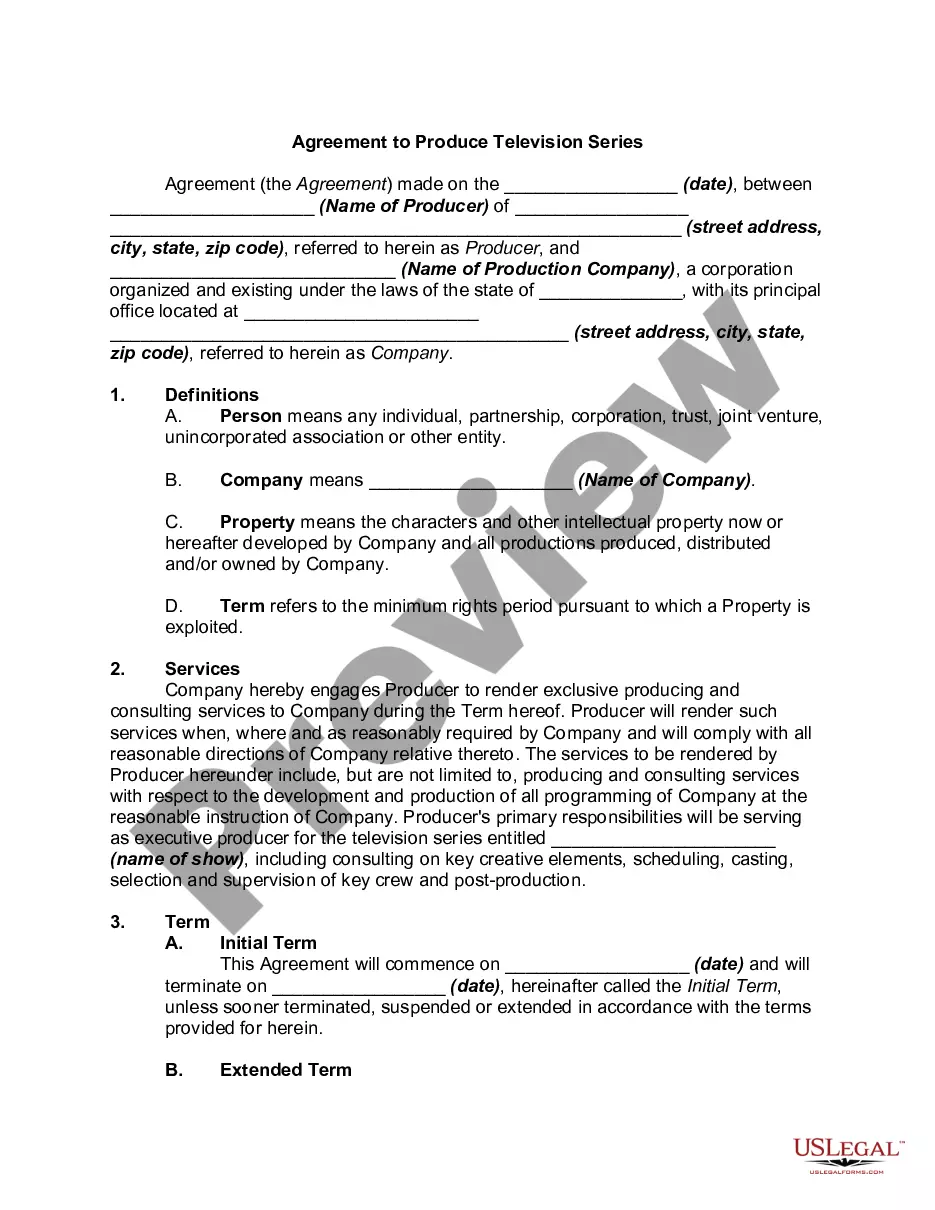
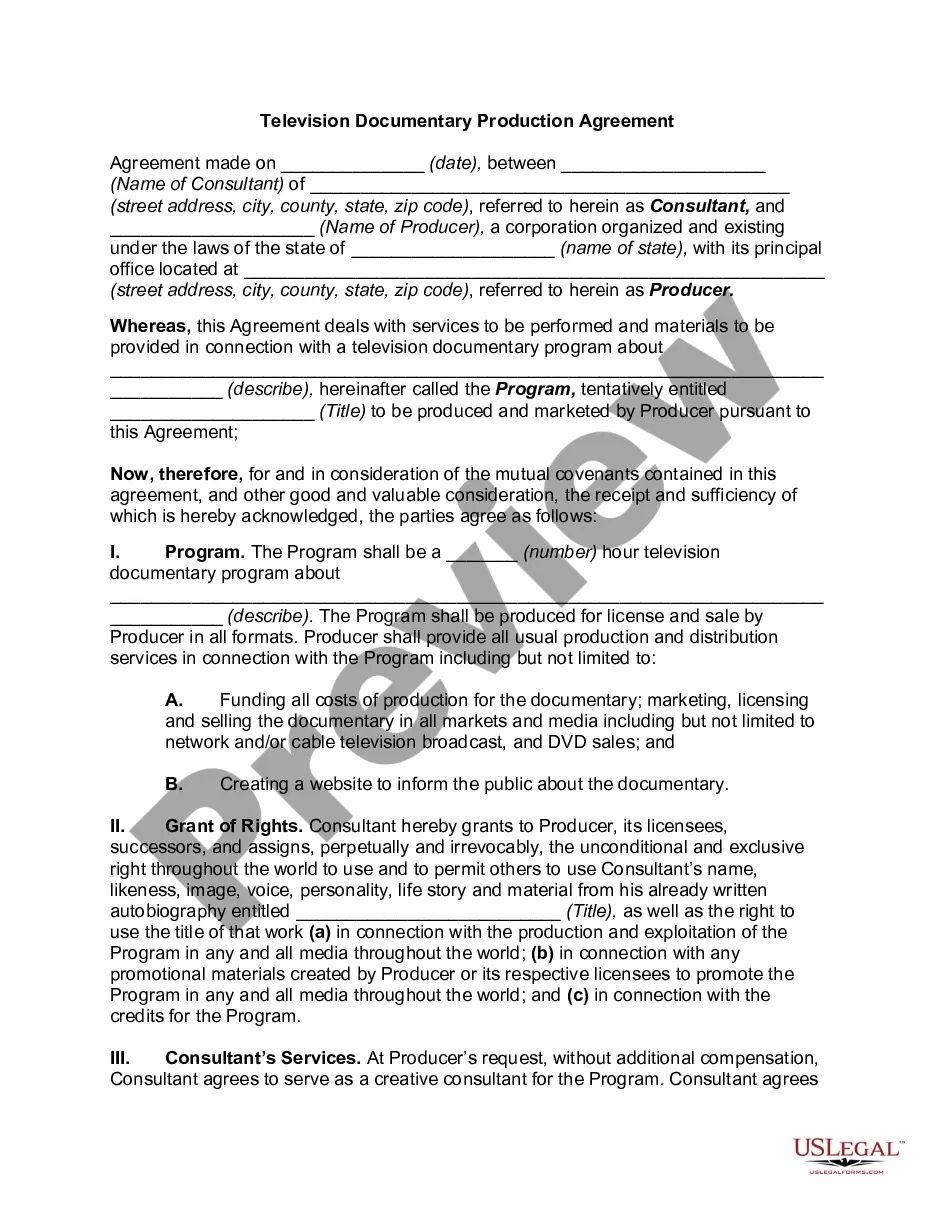
Get your form ready online
Our built-in tools help you complete, sign, share, and store your documents in one place.
Make edits, fill in missing information, and update formatting in US Legal Forms—just like you would in MS Word.
Download a copy, print it, send it by email, or mail it via USPS—whatever works best for your next step.
Sign and collect signatures with our SignNow integration. Send to multiple recipients, set reminders, and more. Go Premium to unlock E-Sign.
If this form requires notarization, complete it online through a secure video call—no need to meet a notary in person or wait for an appointment.
We protect your documents and personal data by following strict security and privacy standards.

Make edits, fill in missing information, and update formatting in US Legal Forms—just like you would in MS Word.

Download a copy, print it, send it by email, or mail it via USPS—whatever works best for your next step.

Sign and collect signatures with our SignNow integration. Send to multiple recipients, set reminders, and more. Go Premium to unlock E-Sign.

If this form requires notarization, complete it online through a secure video call—no need to meet a notary in person or wait for an appointment.

We protect your documents and personal data by following strict security and privacy standards.
Looking for another form?








Form popularity
FAQ
For your music career to succeed, you have to deliver quality content to your audience. This includes developing interesting compositions and high-quality music videos. So, you'll have to find professional videographers for hire to work on your music videos.
Here's a closer look at the requirements for music video producers: Education. Depending on the project or job position, there may be no formal education requirements for music video producers. Training. Experience. Build your portfolio. Develop your skills. Gain experience. Grow your network. Apply for projects or positions.
Your Music Recording Contract should cover details like: Compensation and royalties. Where and when the album will be recorded. The album's release date. Who has creative control over specific elements of the album. The termination clause. The exclusive agreement clause. Dispute resolution. Promotional appearances.
Music video directors and producers often work together as a team to create music videos for record companies and other employers. (Occasionally, a director may be responsible for all of the producers tasks.)
Director: The director is responsible for the overall concept of the music video. The director's vision is often developed with input from key creative team members. In short, the director controls the action happening on the stage, location or set.
Music video directors are the creative lead for any music video project for which they are hired. While they work with artists, commissioners, and labels, as well as music video producers and DPs, they are ultimately responsible for the vision.
Music Video Director. Music video directors oversee the production of music videos—short films that combine a song with visual imagery—from initial conception to final editing.
Performing arts schools are another option you can explore to receive relevant training. Taking a further education course in videotape production techniques, electronic tape editing or the use of cameras and synthesisers may also be beneficial.
How to be a music video director Earn a degree in film, photography or a related field. Get an internship. Gain experience in the field. Network with other professionals. Create a portfolio or demo reel of your best work. Create an online presence. Enter film competitions. Continue training and honing your skills.
While a degree in music can be beneficial, it is not necessary. Many music producers have learned their craft through trial and error and experience. But as a beginner, you would need to spend lots of time and effort getting the knowledge and skill.