Manufacturing Agreement Format In Michigan
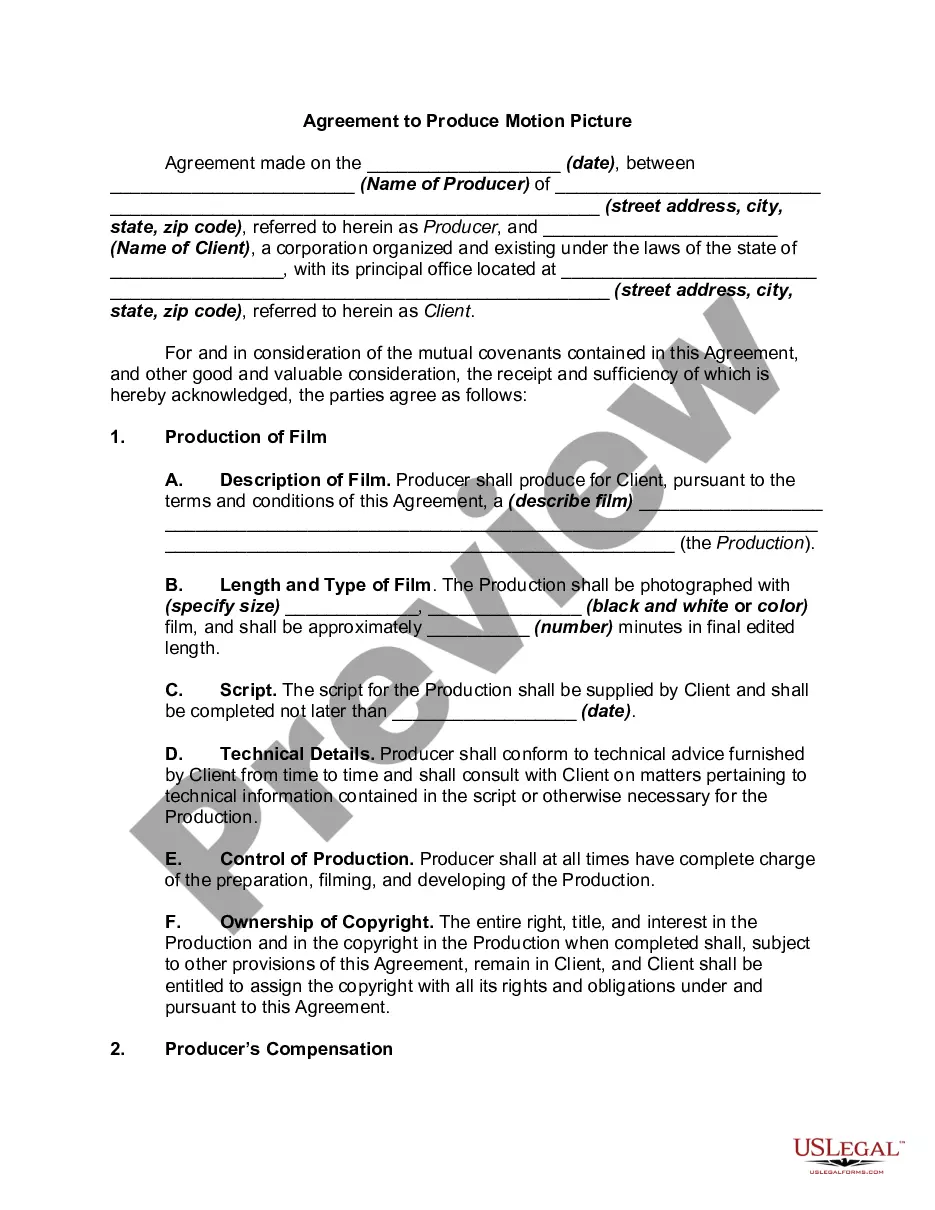
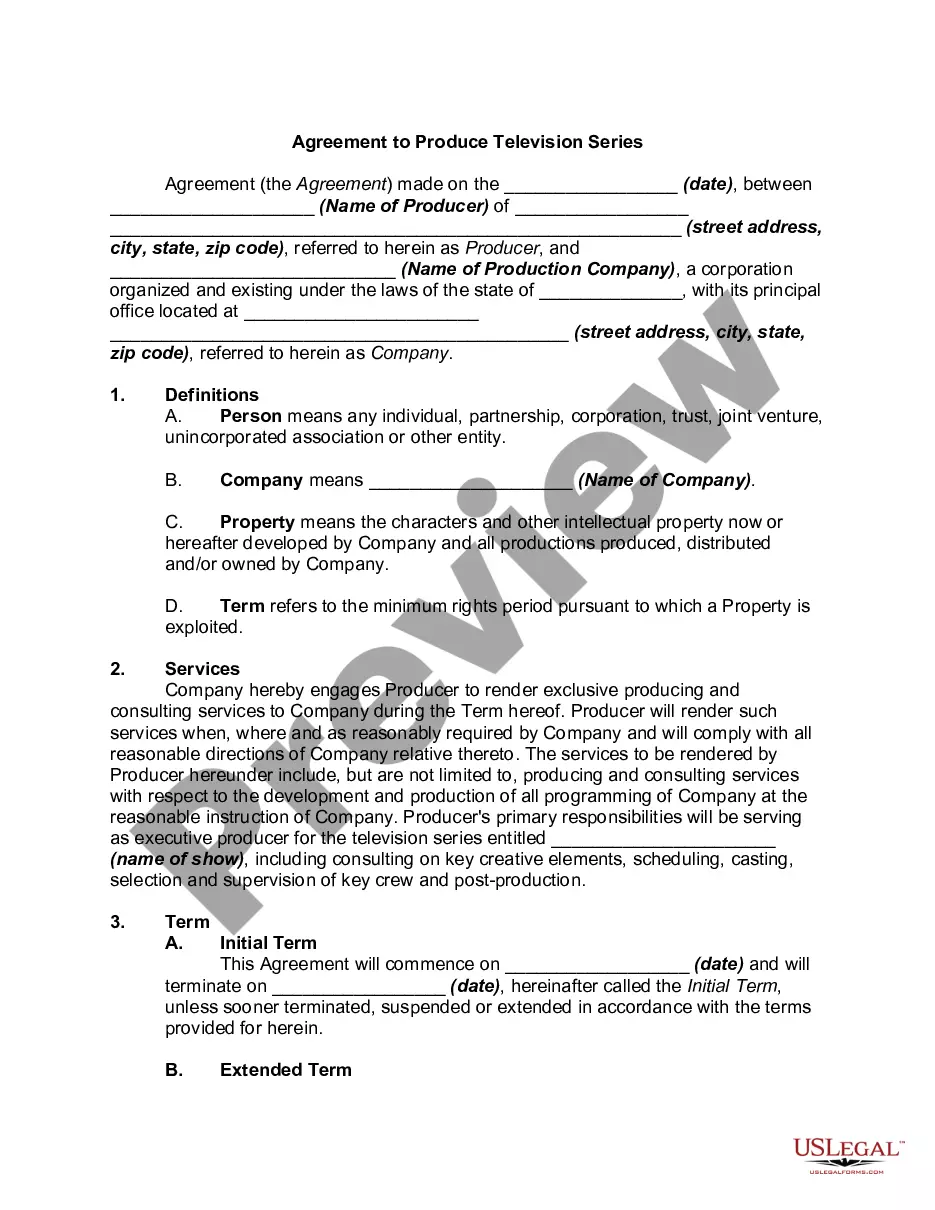
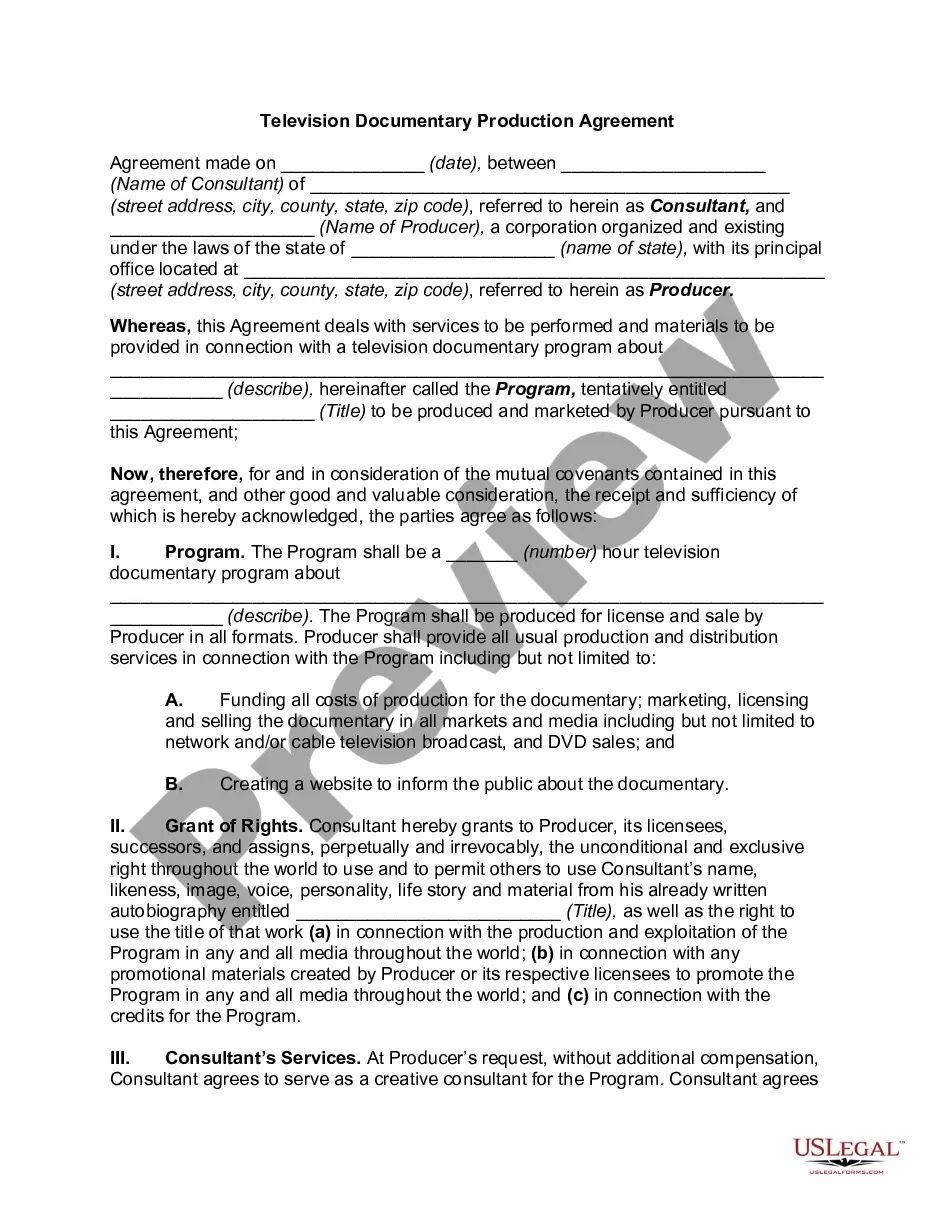
Description

Get your form ready online
Our built-in tools help you complete, sign, share, and store your documents in one place.
Make edits, fill in missing information, and update formatting in US Legal Forms—just like you would in MS Word.
Download a copy, print it, send it by email, or mail it via USPS—whatever works best for your next step.
Sign and collect signatures with our SignNow integration. Send to multiple recipients, set reminders, and more. Go Premium to unlock E-Sign.
If this form requires notarization, complete it online through a secure video call—no need to meet a notary in person or wait for an appointment.
We protect your documents and personal data by following strict security and privacy standards.

Make edits, fill in missing information, and update formatting in US Legal Forms—just like you would in MS Word.

Download a copy, print it, send it by email, or mail it via USPS—whatever works best for your next step.

Sign and collect signatures with our SignNow integration. Send to multiple recipients, set reminders, and more. Go Premium to unlock E-Sign.

If this form requires notarization, complete it online through a secure video call—no need to meet a notary in person or wait for an appointment.

We protect your documents and personal data by following strict security and privacy standards.
Looking for another form?








Form popularity
FAQ
In a private labeling situation, a company chooses an already existing product from a manufacturer and applies its label for sale. These products are sometimes called “store brand” products. Contract manufacturing, in contrast, involves a company seeking a manufacturer for its own unique product attributes.
The acronyms represent the different services that specific manufacturers offer within a broader manufacturing environment. An EMS provides electronics manufacturing services; an OEM is an original equipment manufacturer. CEMs are contract electronics manufacturers and ECM is an electronic contract manufacturer.
Choosing Between Contract Manufacturing and OEM The decision between CM and OEM depends on several factors, including: Product Complexity: CM is well-suited for complex products with unique designs and specifications, while OEM is more suitable for products with established designs and standardized components.
Contract manufacturing is a manufacturing-as-service approach: the customer provides all designs and specifications, and the supplier simply build to the drawing, while in OEM, the customer is providing a portion of the design (external, internal, some specs), and the supplier is incorporating their existing components ...
The manufacturing agreement should clearly set out the obligations of each party from the beginning of the manufacturing process through to the end of the contract, to prevent misunderstanding and clarify where responsibilities lie.
Here are the steps to write a letter of agreement: Title the document. Add the title at the top of the document. List your personal information. Include the date. Add the recipient's personal information. Address the recipient. Write an introduction paragraph. Write your body. Conclude the letter.
Your manufacturing contract should include: intellectual property (since the contract manufacturer(s) will be producing your proprietary creation). an assessment of manufacturing costs. clearly-written obligations of both parties. liabilities. product quality standards (if a quality control clause is included).
While an Original Equipment Manufacturer produces original equipment, an aftermarket manufacturer, on the other hand, makes products that are made to look like and work interchangeably with those of the OEM.
Sometimes, a contract covers a one-time action between parties, but what happens when the relationships or circumstances are ongoing? When signing parties know they will continue to work together in the future, a Master Service Agreement (MSA) can simplify those future agreements and speed up the negotiation process.
Many companies wish to outsource manufacturing of their product to third party manufacturers. A manufacturing agreement should set out the terms of the arrangement in a legally binding agreement. This will provide a good basis for an effective working relationship in which both parties know what is expected.
