Sample Contract Agreement For Construction Services In Clark
Description

Get your form ready online
Our built-in tools help you complete, sign, share, and store your documents in one place.
Make edits, fill in missing information, and update formatting in US Legal Forms—just like you would in MS Word.
Download a copy, print it, send it by email, or mail it via USPS—whatever works best for your next step.
Sign and collect signatures with our SignNow integration. Send to multiple recipients, set reminders, and more. Go Premium to unlock E-Sign.
If this form requires notarization, complete it online through a secure video call—no need to meet a notary in person or wait for an appointment.
We protect your documents and personal data by following strict security and privacy standards.

Make edits, fill in missing information, and update formatting in US Legal Forms—just like you would in MS Word.

Download a copy, print it, send it by email, or mail it via USPS—whatever works best for your next step.

Sign and collect signatures with our SignNow integration. Send to multiple recipients, set reminders, and more. Go Premium to unlock E-Sign.

If this form requires notarization, complete it online through a secure video call—no need to meet a notary in person or wait for an appointment.

We protect your documents and personal data by following strict security and privacy standards.
Looking for another form?






Form popularity
FAQ
A Master Subcontract Agreement encompasses everything your subcontractor might need to know when working for you. This includes insurance requirements, confirmation that they are independent contractors and not employees, and all the other legal technicalities needed to protect you and your business.
Contracts address the specific details of a particular project, transaction, or engagement. Think of the master agreement as the foundation or umbrella under which contracts operate. It sets the general terms, while contracts focus on the specific details and scope of each individual project.
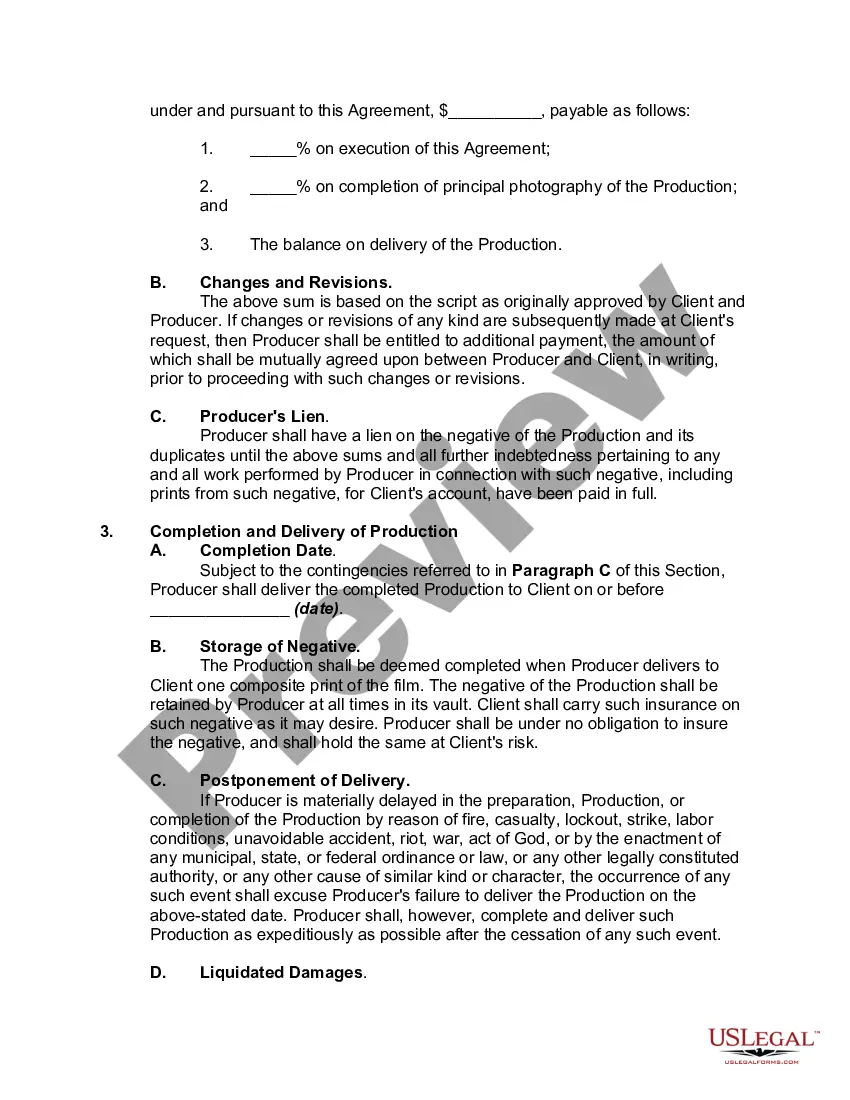
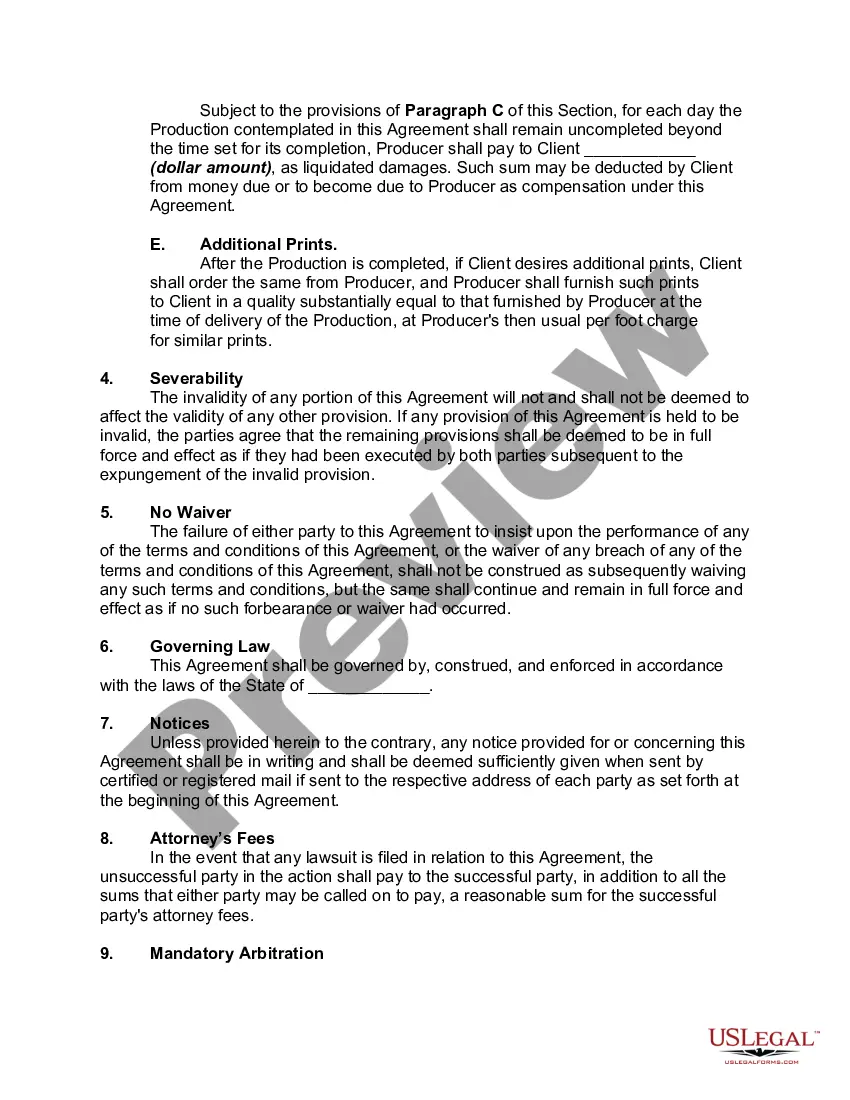
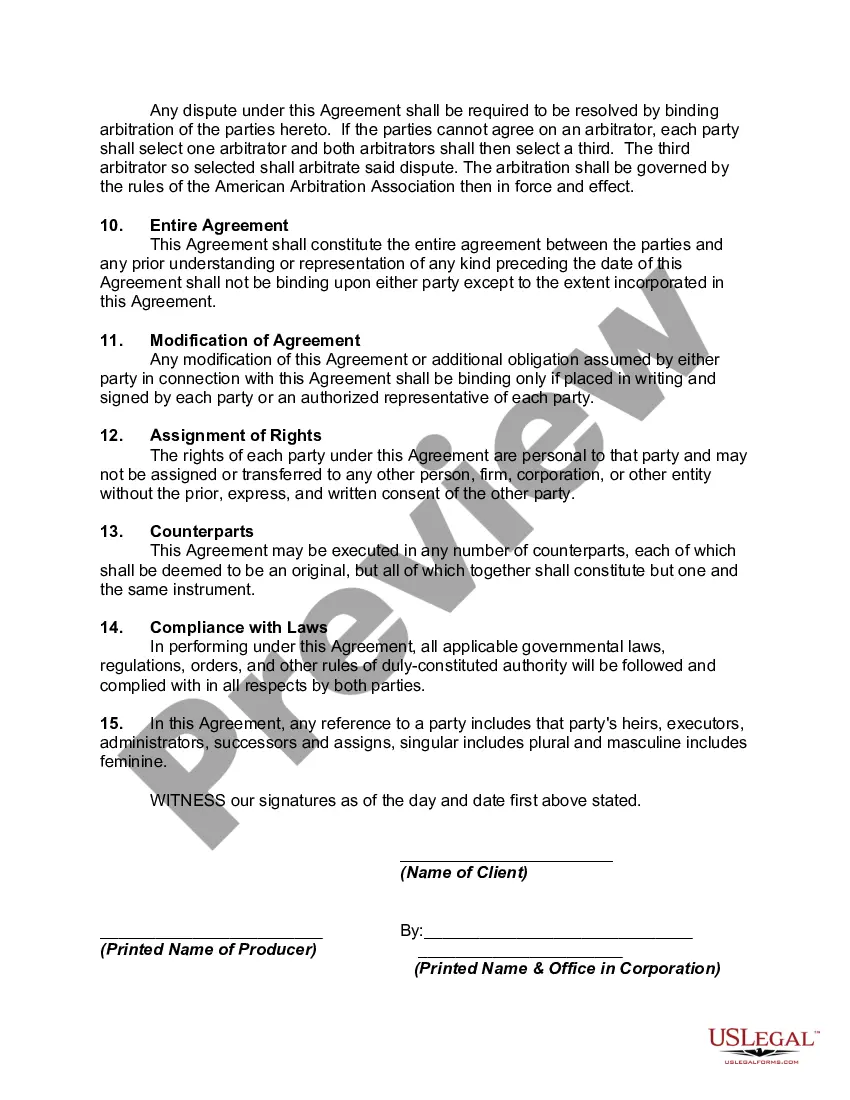
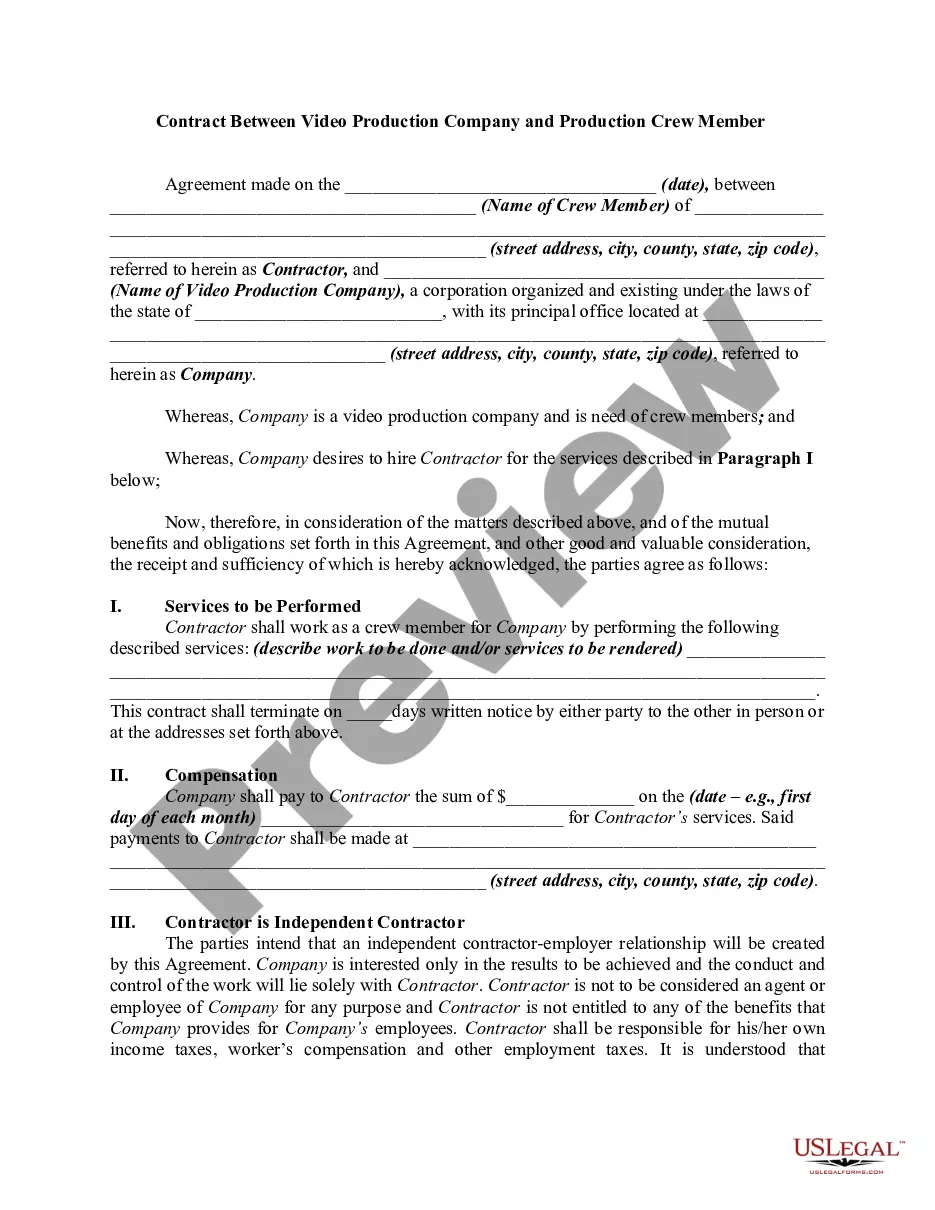
A construction contract agreement is a form that documents all of the work you will do for a customer. A contract is only valid once both parties ratify it by signing in agreement.
Sometimes known as a master service agreement or a framework arrangement, the master contract can help determine courses of action if a dispute arises or in the event of a necessary termination of the contract. Having a master contract in place can save both parties a lot of time in negotiation and arbitration.
Typically a primary contractor operates under a contractual agreement to provide materials, services, or labor to complete a project. On the other hand, subcontractors are businesses or individuals that carry out work for a contractor as a part of a larger project or overwhelming task.
The purpose of the agreement document is to legally bind both parties to hold up their end of the bargain. This protects the interests of all involved parties and provides protections to each if complaints arise in court.tt.
The contract agreement is the centerpiece of the overall package and includes a summary of important terms and conditions established to govern the construction process. The agreement also references the other documents and addendums.
What is Included in Construction Documents? There are two things included in Construction Documents: Drawings and Specifications.
Contract documents contain two technical parts of every design package: 1) construction drawings (sometimes called “blueprints” or “schematics”), and 2) written specifications either directly on the drawings or as an additional booklet.
