Production Sharing Agreement Meaning In Chicago
Description

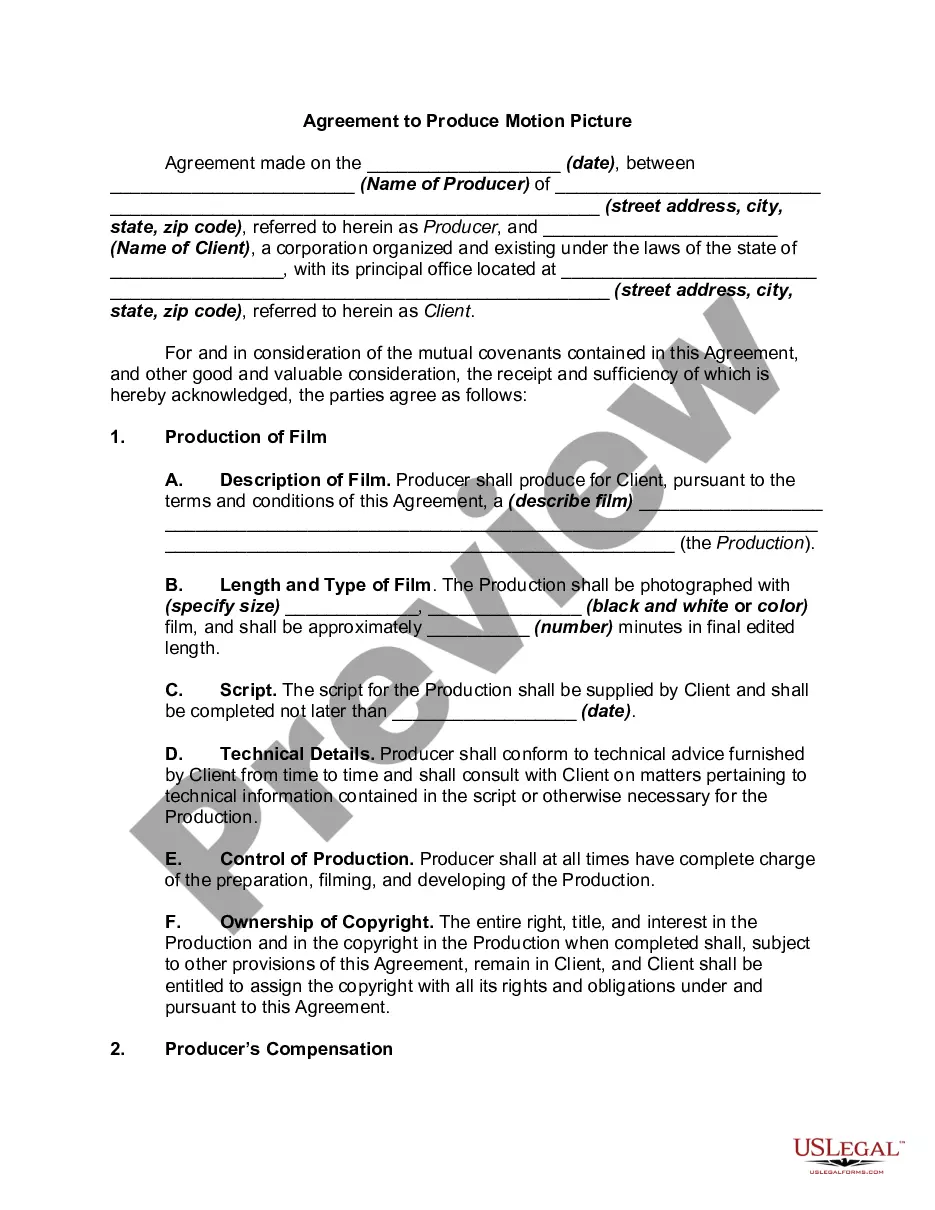
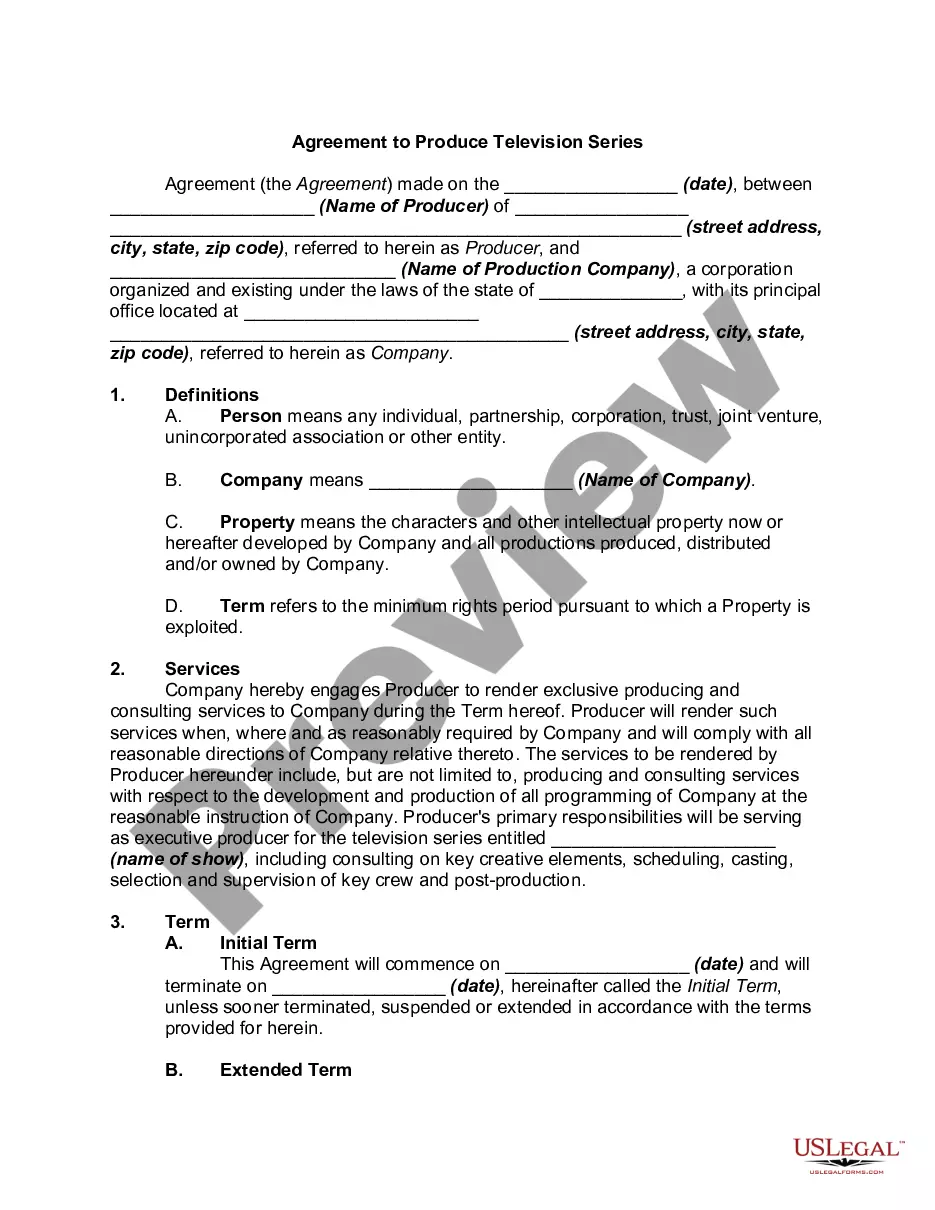
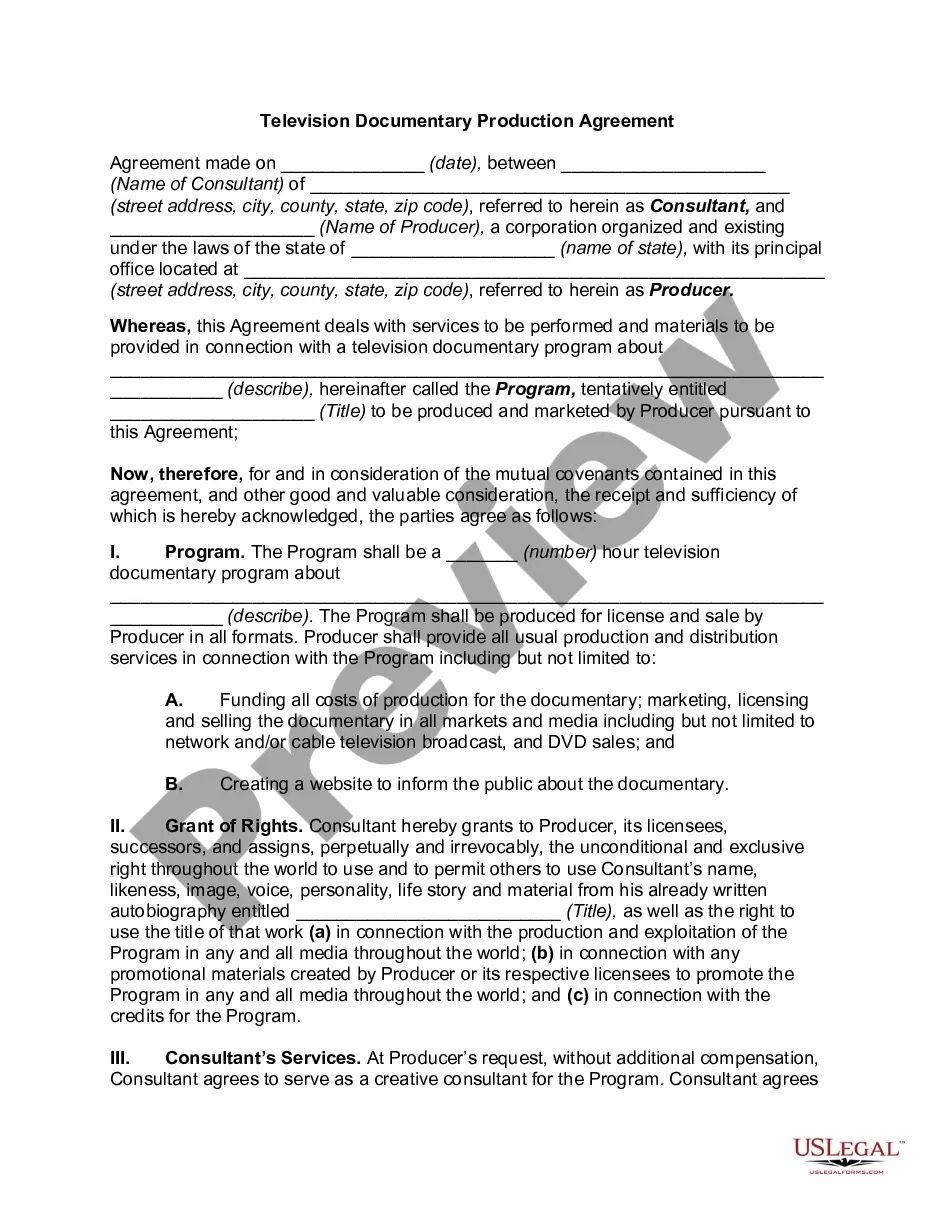
Get your form ready online
Our built-in tools help you complete, sign, share, and store your documents in one place.
Make edits, fill in missing information, and update formatting in US Legal Forms—just like you would in MS Word.
Download a copy, print it, send it by email, or mail it via USPS—whatever works best for your next step.
Sign and collect signatures with our SignNow integration. Send to multiple recipients, set reminders, and more. Go Premium to unlock E-Sign.
If this form requires notarization, complete it online through a secure video call—no need to meet a notary in person or wait for an appointment.
We protect your documents and personal data by following strict security and privacy standards.

Make edits, fill in missing information, and update formatting in US Legal Forms—just like you would in MS Word.

Download a copy, print it, send it by email, or mail it via USPS—whatever works best for your next step.

Sign and collect signatures with our SignNow integration. Send to multiple recipients, set reminders, and more. Go Premium to unlock E-Sign.

If this form requires notarization, complete it online through a secure video call—no need to meet a notary in person or wait for an appointment.

We protect your documents and personal data by following strict security and privacy standards.
Looking for another form?

Form popularity
FAQ
In a production sharing contract (“PSC”), the host country's government awards to an oil company (or group of companies, typically called the Contractor) the rights to explore in a specified area and, following discovery of hydrocarbons in the area, the right to produce the discovered resources.
Production-Sharing Agreements (PSAs) are among the most common types of contractual arrangements for petroleum exploration and development.
Production agreement is a legally binding contract setting out the terms and conditions for the production of goods or services between two parties at a place.
Production sharing agreements can be beneficial to governments of countries that lack the expertise and/or capital to develop their resources and wish to attract foreign companies to do so. They can be very profitable agreements for the oil companies involved, but often involve considerable risk.
A sharing agreement is a legal agreement between two or more parties to govern the rights and responsibilities while sharing the use of or access to an asset. Sharing agreements can apply to property, information, data, services, among other things.
A production sharing contract (PSC) is a contractual relationship between a host government and a private sector participant ('investor') whereby the government contracts with the investor to carry out oil and gas exploration and production activities (E&P activities) in a defined area for a defined period of time.
Production sharing agreement (PSA) is a contract between one or more investors and the government in which rights to prospection, exploration and extraction of mineral resources from a specific area over a specified period of time are determined.
A: In order for a data sharing agreement to be legally binding, it needs to meet certain criteria including being in writing; specifying parties involved; outlining obligations of each party; stating consideration (what each party has agreed to provide); providing signatures from both parties; and being valid under ...
