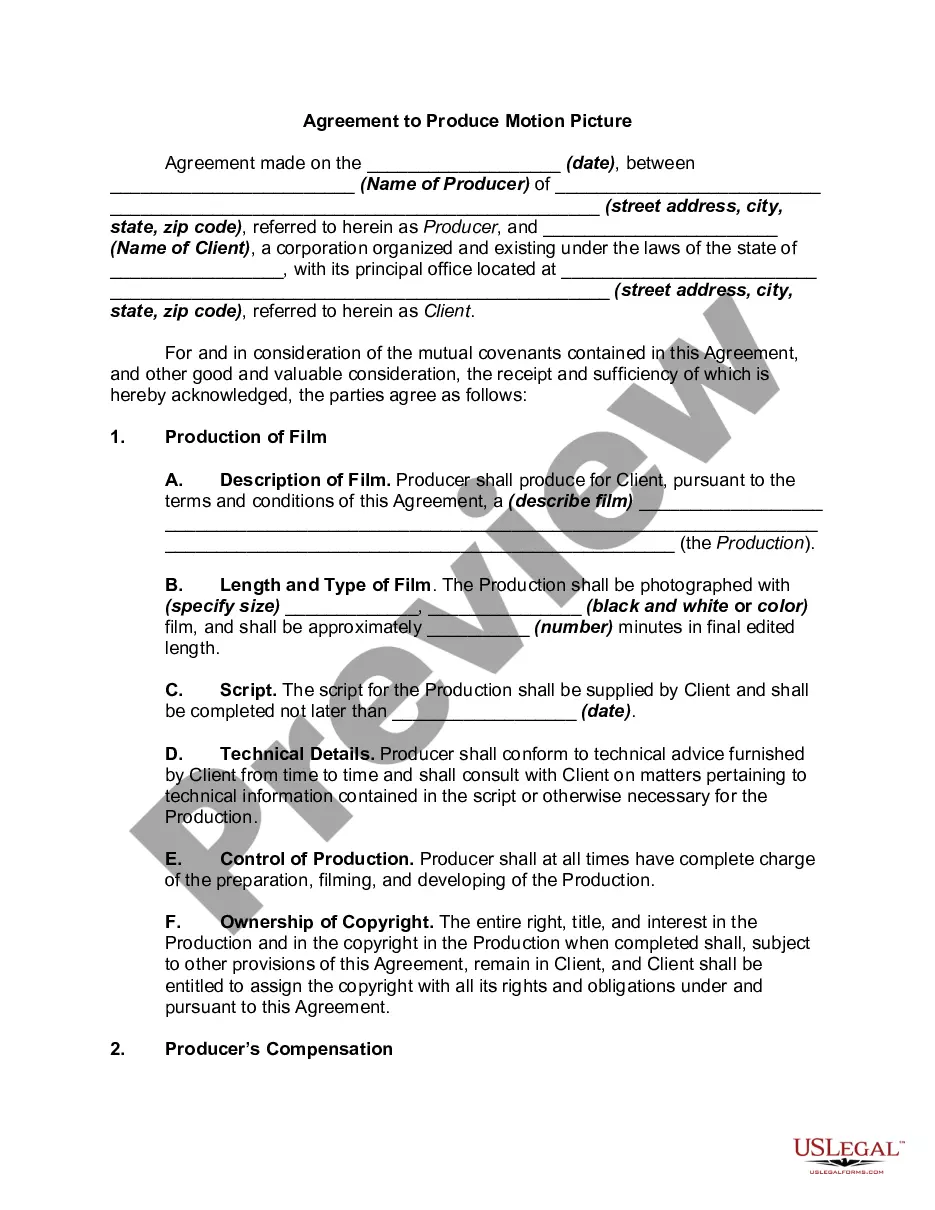
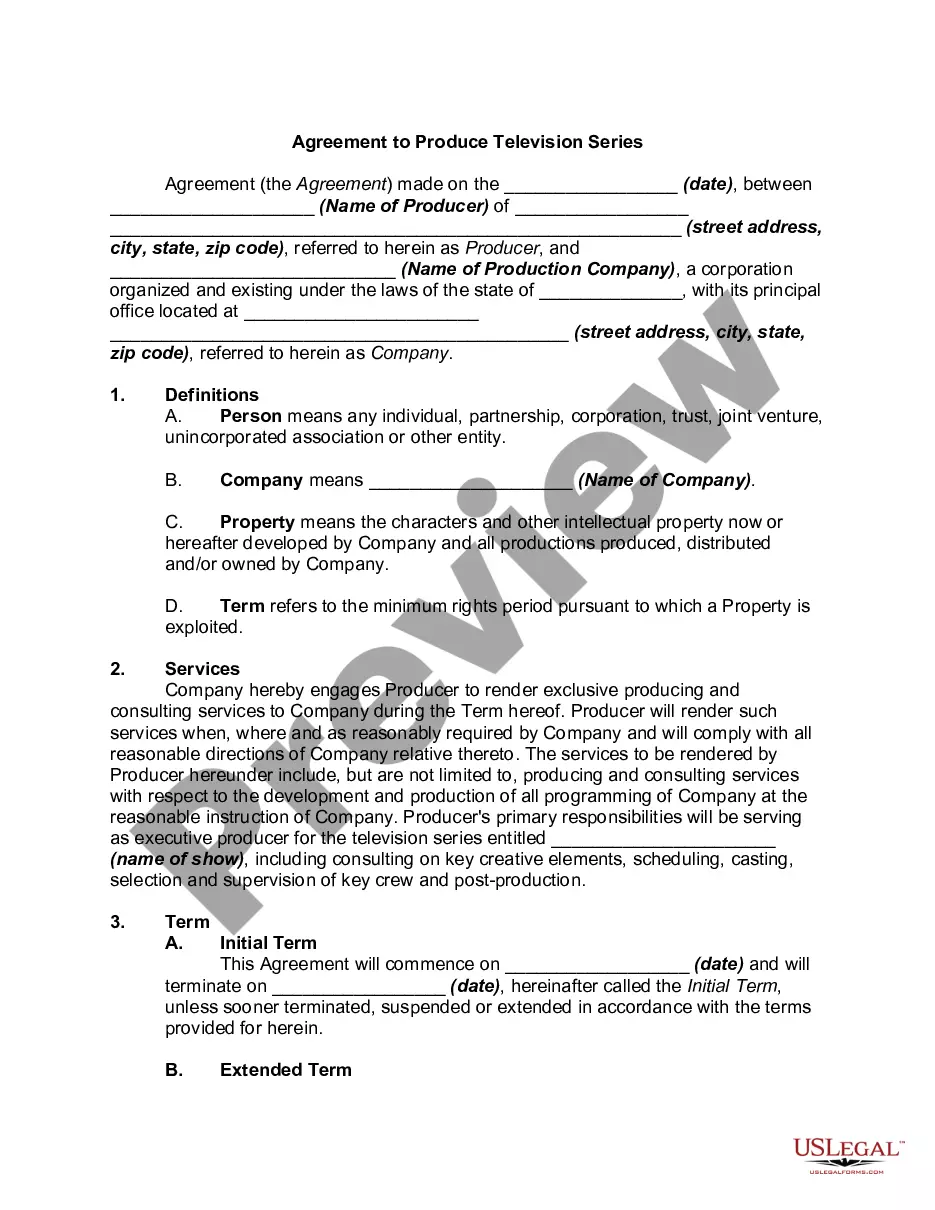
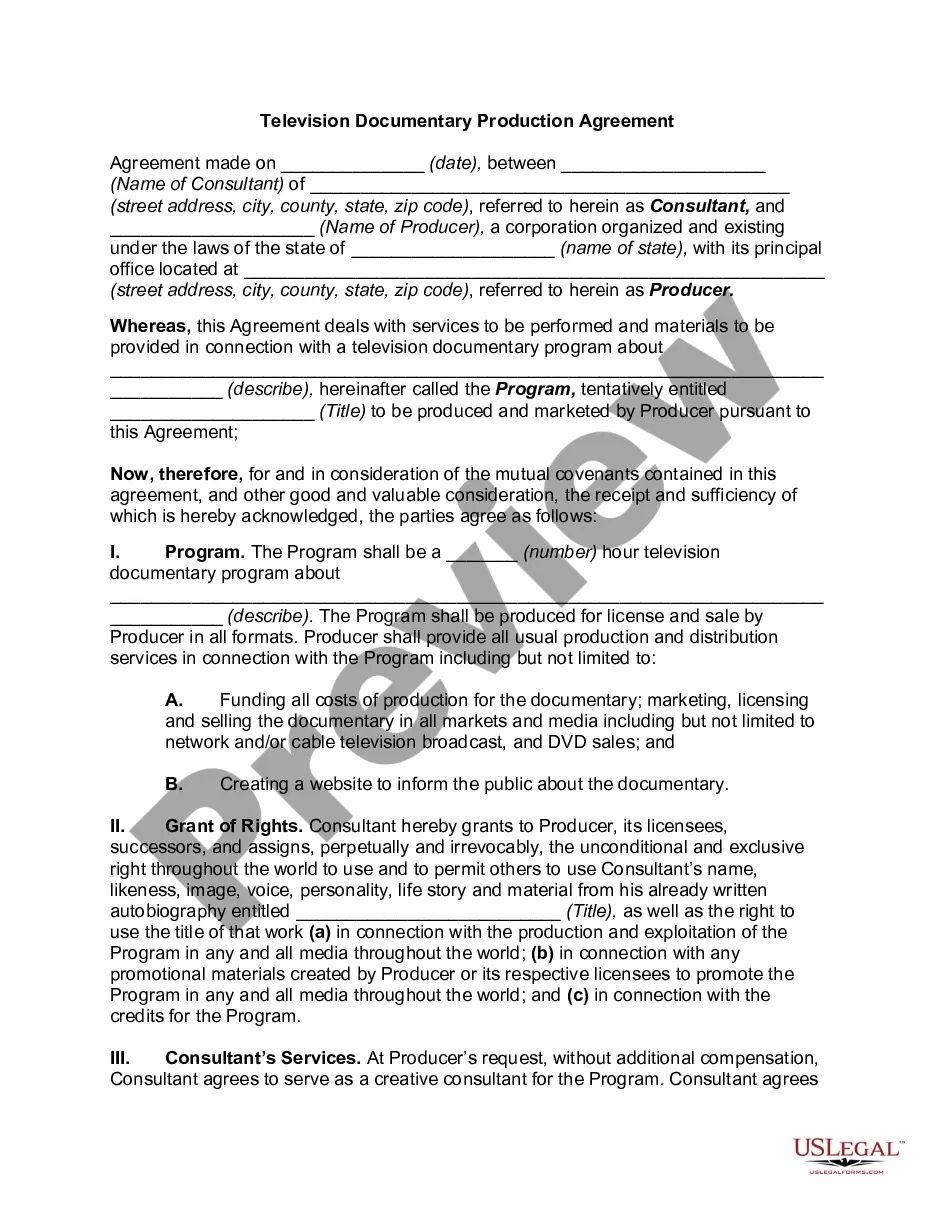
Film Agreement Sample For Students In Broward
Description

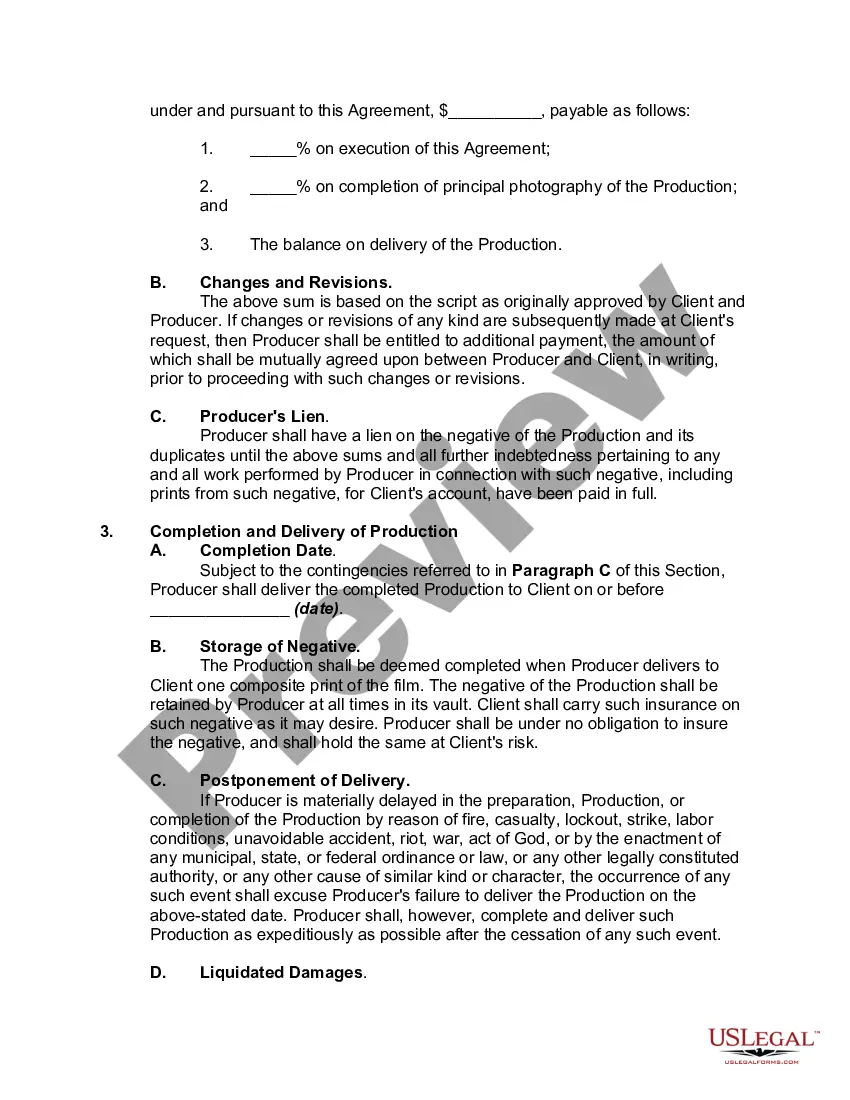
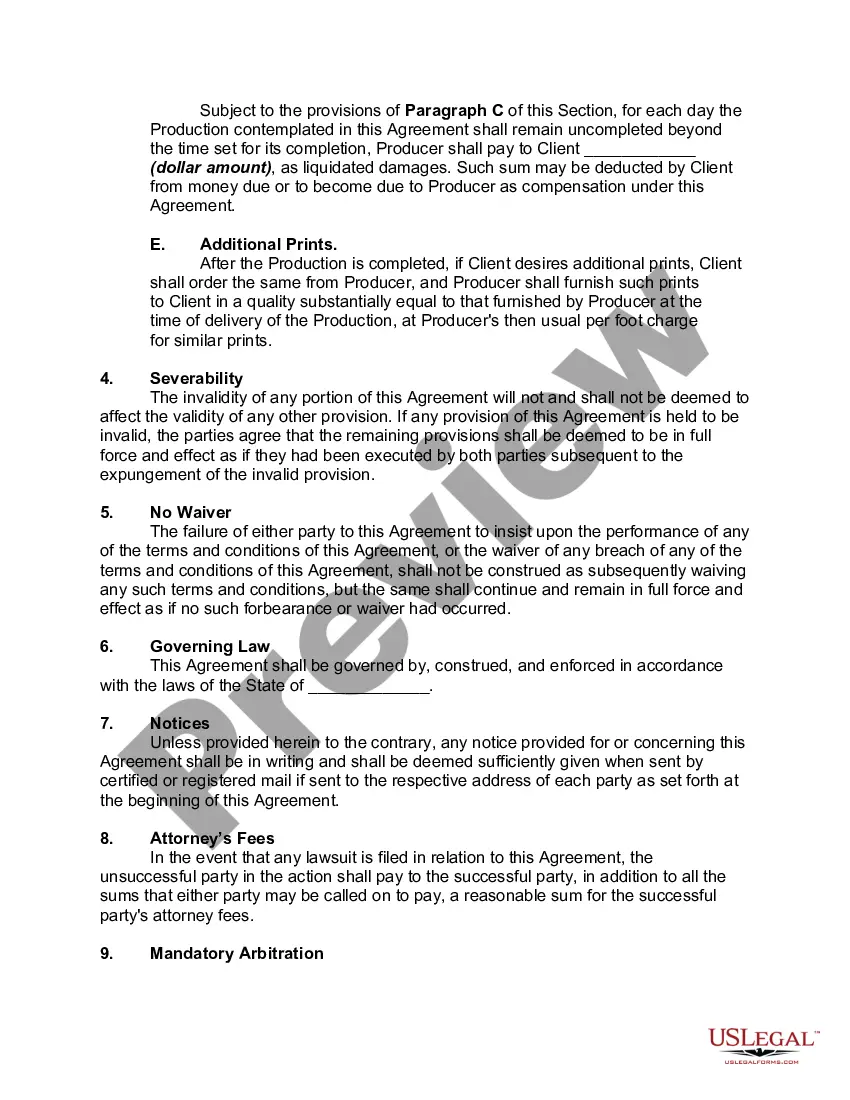
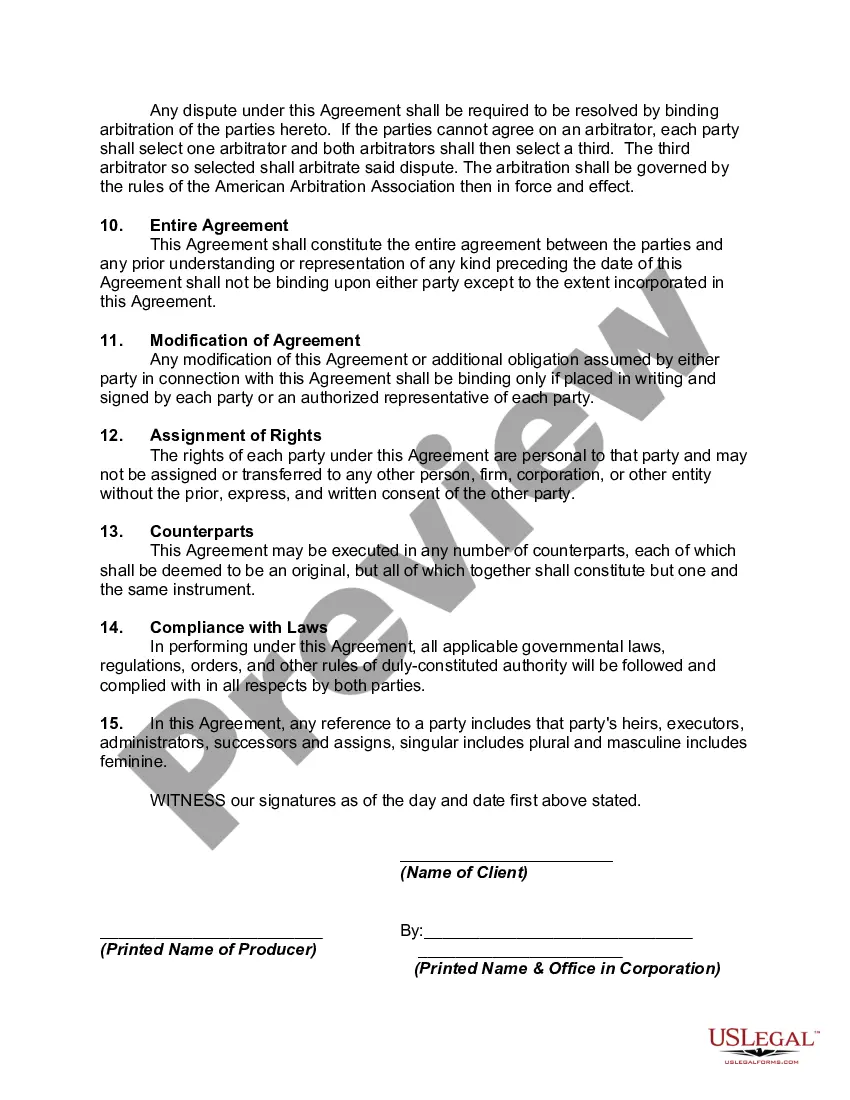
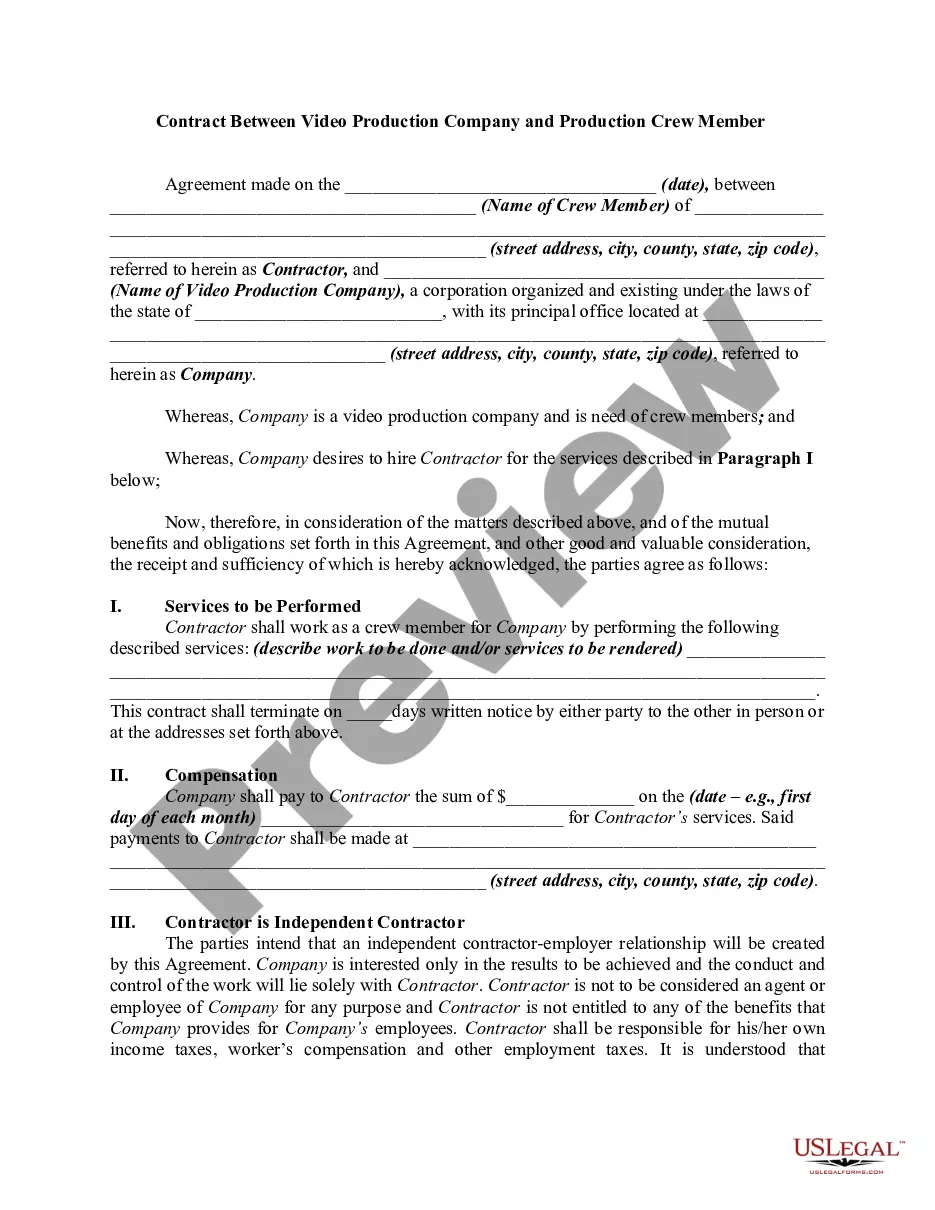
Get your form ready online
Our built-in tools help you complete, sign, share, and store your documents in one place.
Make edits, fill in missing information, and update formatting in US Legal Forms—just like you would in MS Word.
Download a copy, print it, send it by email, or mail it via USPS—whatever works best for your next step.
Sign and collect signatures with our SignNow integration. Send to multiple recipients, set reminders, and more. Go Premium to unlock E-Sign.
If this form requires notarization, complete it online through a secure video call—no need to meet a notary in person or wait for an appointment.
We protect your documents and personal data by following strict security and privacy standards.

Make edits, fill in missing information, and update formatting in US Legal Forms—just like you would in MS Word.

Download a copy, print it, send it by email, or mail it via USPS—whatever works best for your next step.

Sign and collect signatures with our SignNow integration. Send to multiple recipients, set reminders, and more. Go Premium to unlock E-Sign.

If this form requires notarization, complete it online through a secure video call—no need to meet a notary in person or wait for an appointment.

We protect your documents and personal data by following strict security and privacy standards.
Looking for another form?




Form popularity
FAQ
The Family Educational Rights and Privacy Act (FERPA) is a complex federal law addressing the privacy of students' educational records.
The primary FERPA rights for parents and students age 18 or older are: • The right to inspect and review education records • The right to seek to amend education records that are inaccurate, misleading, or in violation of the student's privacy rights • The right to have limited control over the disclosure of ...
One of the most common FERPA violations is releasing student education records without consent. Examples of this violation include: Accidentally or purposefully emailing student information to unauthorized parties. Sharing a student athlete's academic status with unauthorized parties.
The Family Educational Rights and Privacy Act (FERPA) (20 U.S.C. § 1232g; 34 CFR Part 99) is a federal law that protects the privacy of student education records. FERPA.
Because parochial and private schools at the elementary and secondary levels generally do not receive funding under any program administered by the US Department of Education, they are not subject to FERPA. Private postsecondary schools, however, generally do receive such funding and are subject to FERPA.
