Form In Film Examples In Arizona
Description

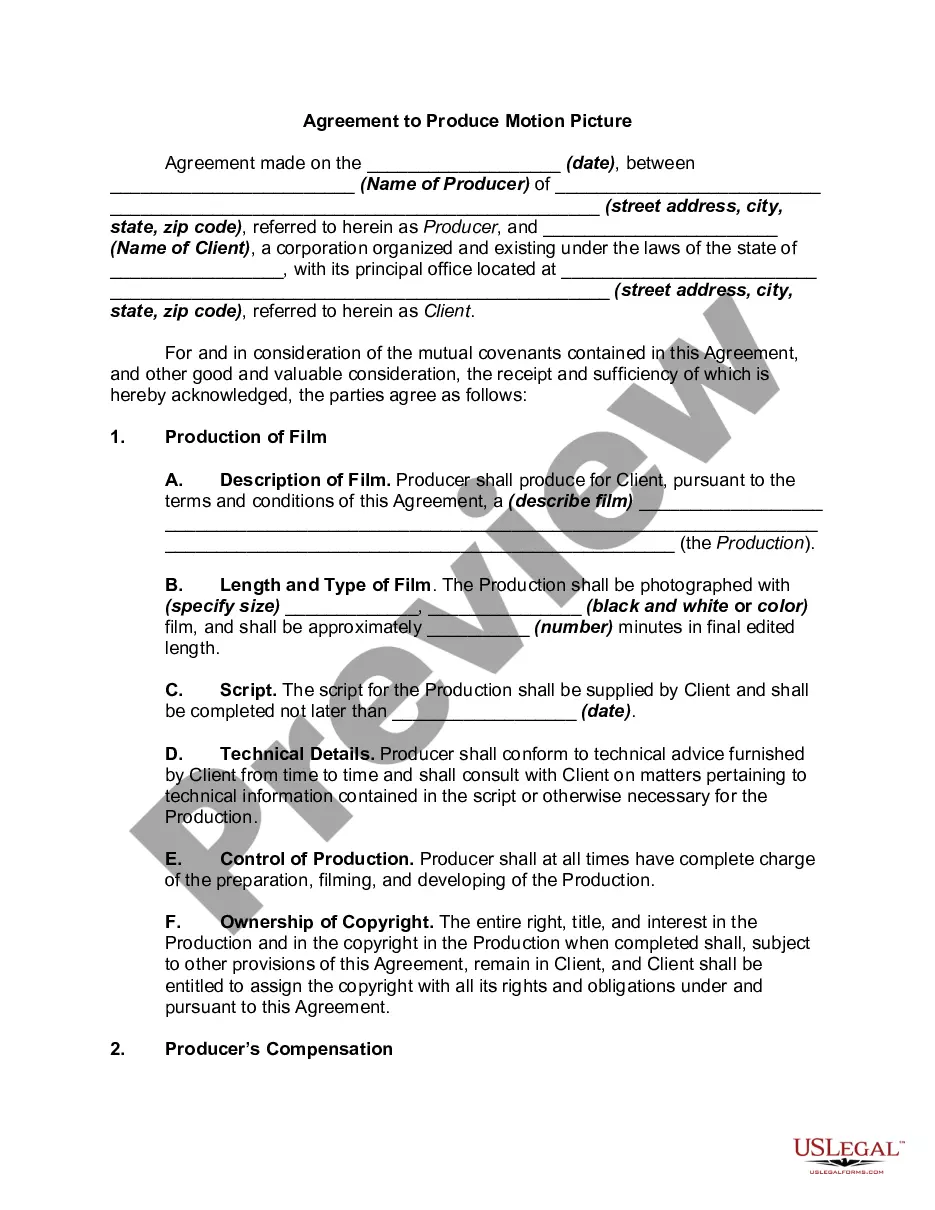
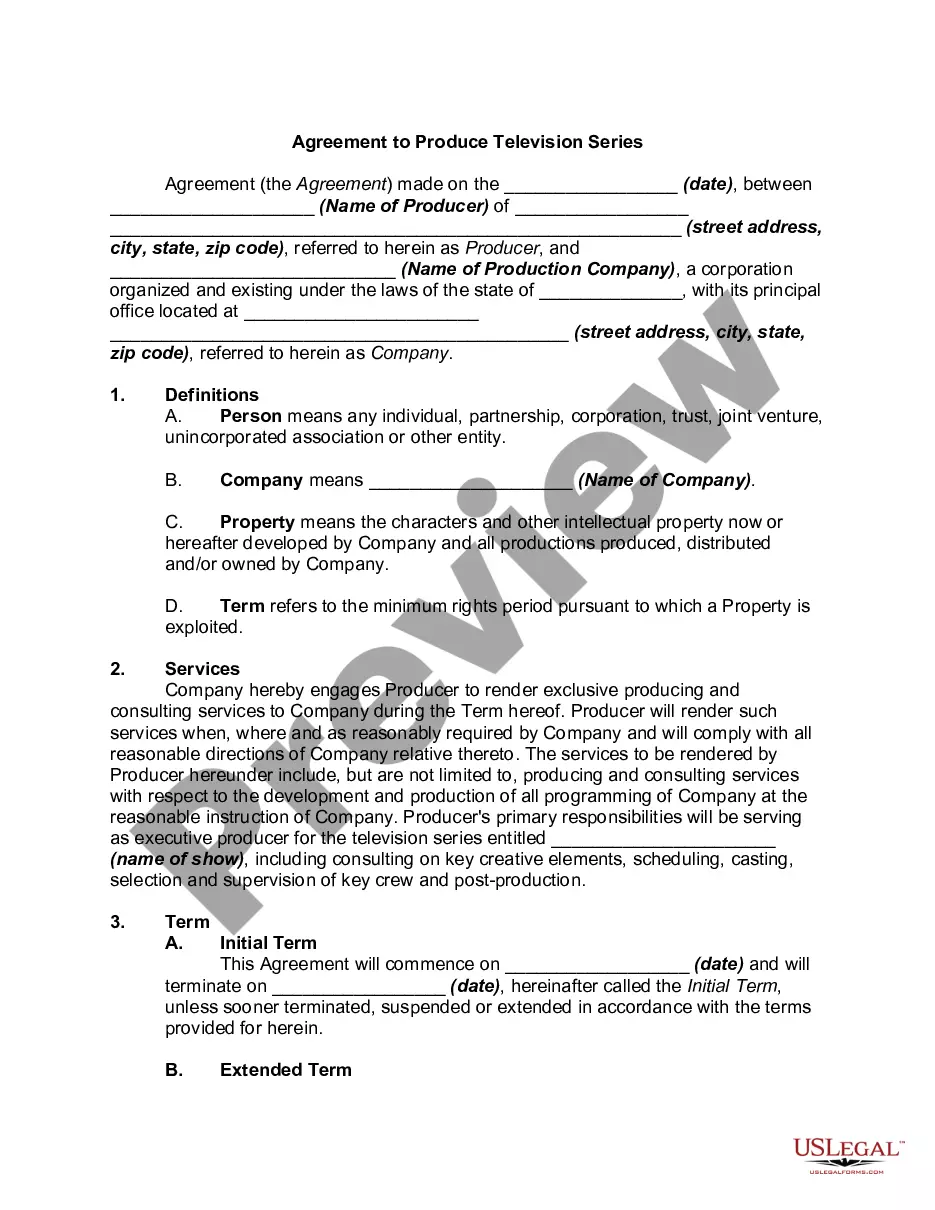
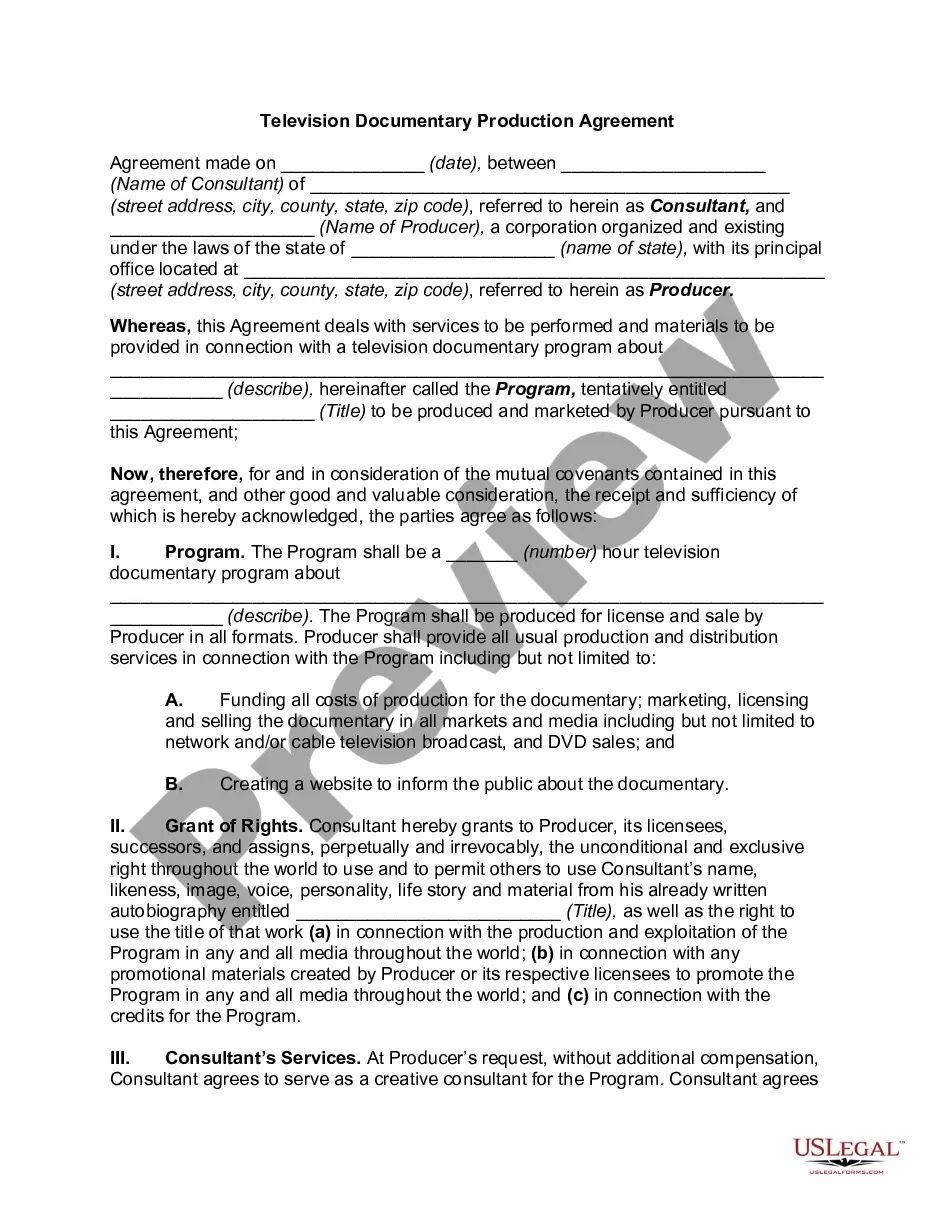
Get your form ready online
Our built-in tools help you complete, sign, share, and store your documents in one place.
Make edits, fill in missing information, and update formatting in US Legal Forms—just like you would in MS Word.
Download a copy, print it, send it by email, or mail it via USPS—whatever works best for your next step.
Sign and collect signatures with our SignNow integration. Send to multiple recipients, set reminders, and more. Go Premium to unlock E-Sign.
If this form requires notarization, complete it online through a secure video call—no need to meet a notary in person or wait for an appointment.
We protect your documents and personal data by following strict security and privacy standards.

Make edits, fill in missing information, and update formatting in US Legal Forms—just like you would in MS Word.

Download a copy, print it, send it by email, or mail it via USPS—whatever works best for your next step.

Sign and collect signatures with our SignNow integration. Send to multiple recipients, set reminders, and more. Go Premium to unlock E-Sign.

If this form requires notarization, complete it online through a secure video call—no need to meet a notary in person or wait for an appointment.

We protect your documents and personal data by following strict security and privacy standards.
Looking for another form?






Form popularity
FAQ
Plot, characters, cinematography, sound, and a good ending are the five key features of a good film.
Film Form can be described as the elements within a film and their relationship with one another. This includes the production and story elements such as camera, characters, and mies-en-scene, and the way these elements are used to create meaning.
Filmmaking Fundamentals: The 5 Stages of Making a Film Direction. Acting. Cinematography. Camera Angles. Camera Shots. Production Design. Sound Capture.
Film form refers to the technical elements that make up a film, including lighting, sound, mise-en-scene, editing, and cinematography. Mise-en-scene comprises everything that appears in the frame and how those elements are arranged.
The key elements of film form: cinematography, mise-en-scène, editing, sound and performance Area 2.
Film form refers to the technical elements that make up a film, including lighting, sound, mise-en-scene, editing, and cinematography. Mise-en-scene comprises everything that appears in the frame and how those elements are arranged.
All genres have subgenres that further differentiate films into different types based on specific tropes and elements. Common genres include: Action movies, which always feature violence and have subgenres like martial arts films (Enter the Dragon, for instance) Romance movies, which use dating as a source of tension.
It covers the 5 "C's"--Camera Angles, Continuity, Cutting, Close-ups and Composition. The books talks about what these are, how they are used and also WHY they are used--citing examples of each.
It might come as no surprise to some, but Arizona has quite the history in the film industry. Blessed with beautiful deserts and a short drive from home base in Hollywood, Arizona was the setting for many of the Golden Era of film's westerns.
The form of a film includes narrative structure. It also includes a wide range of other elements we will be looking at in the weeks to come. Form is the system of relationships between all the elements we see on screen, of which the structuring of events in the screenplay—our main focus here—is only one.
