Patent Infringement In China In Bexar
Description

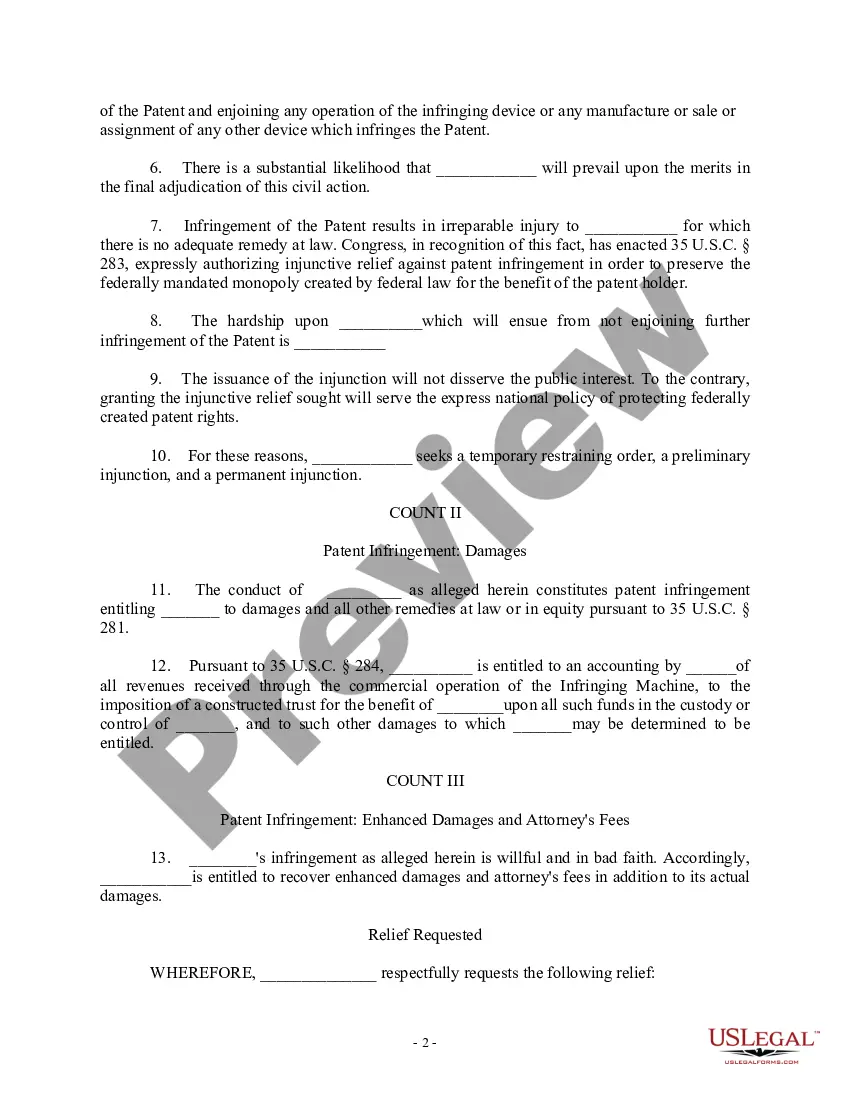
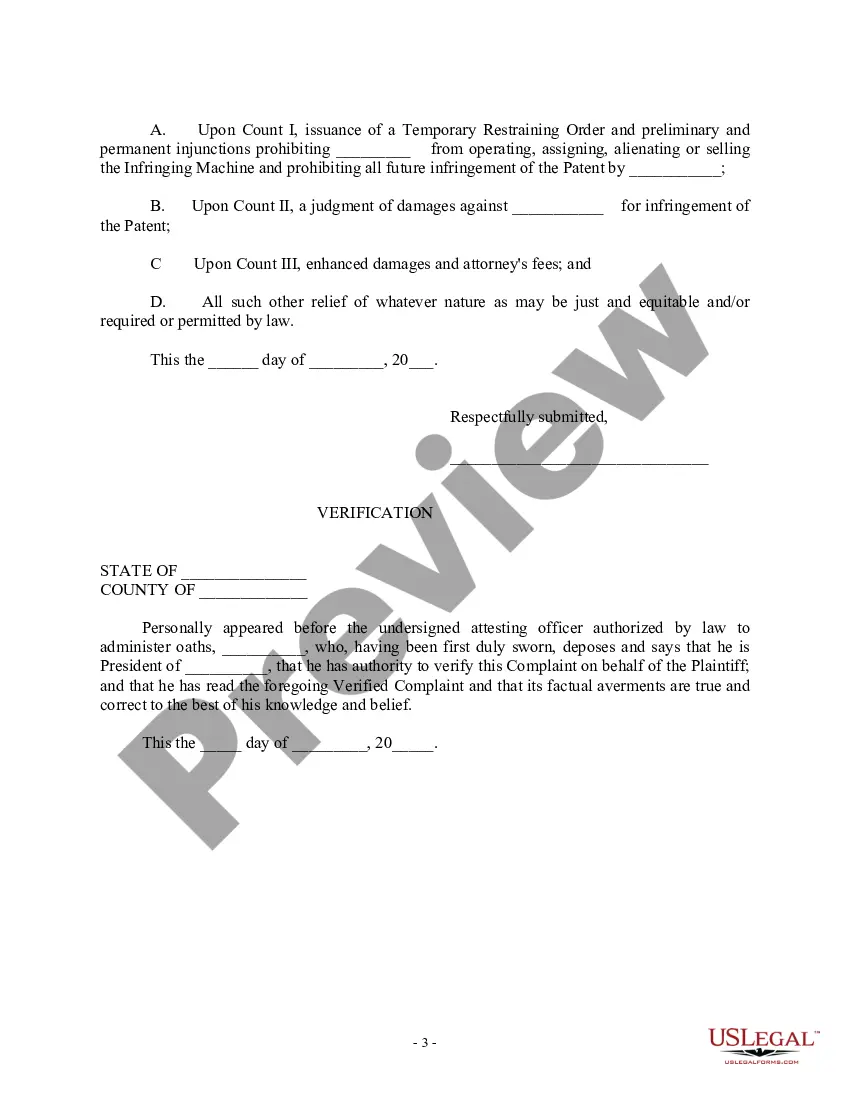
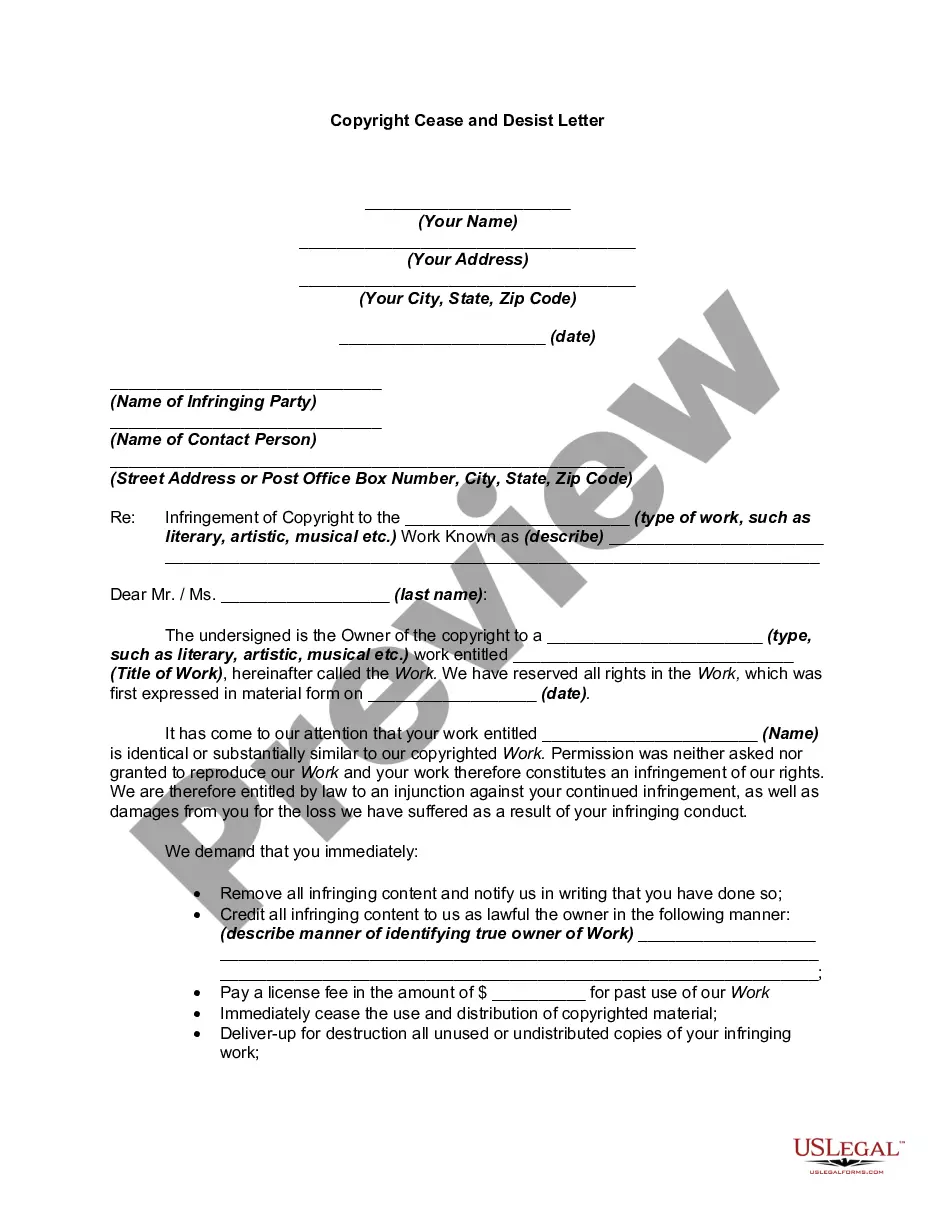
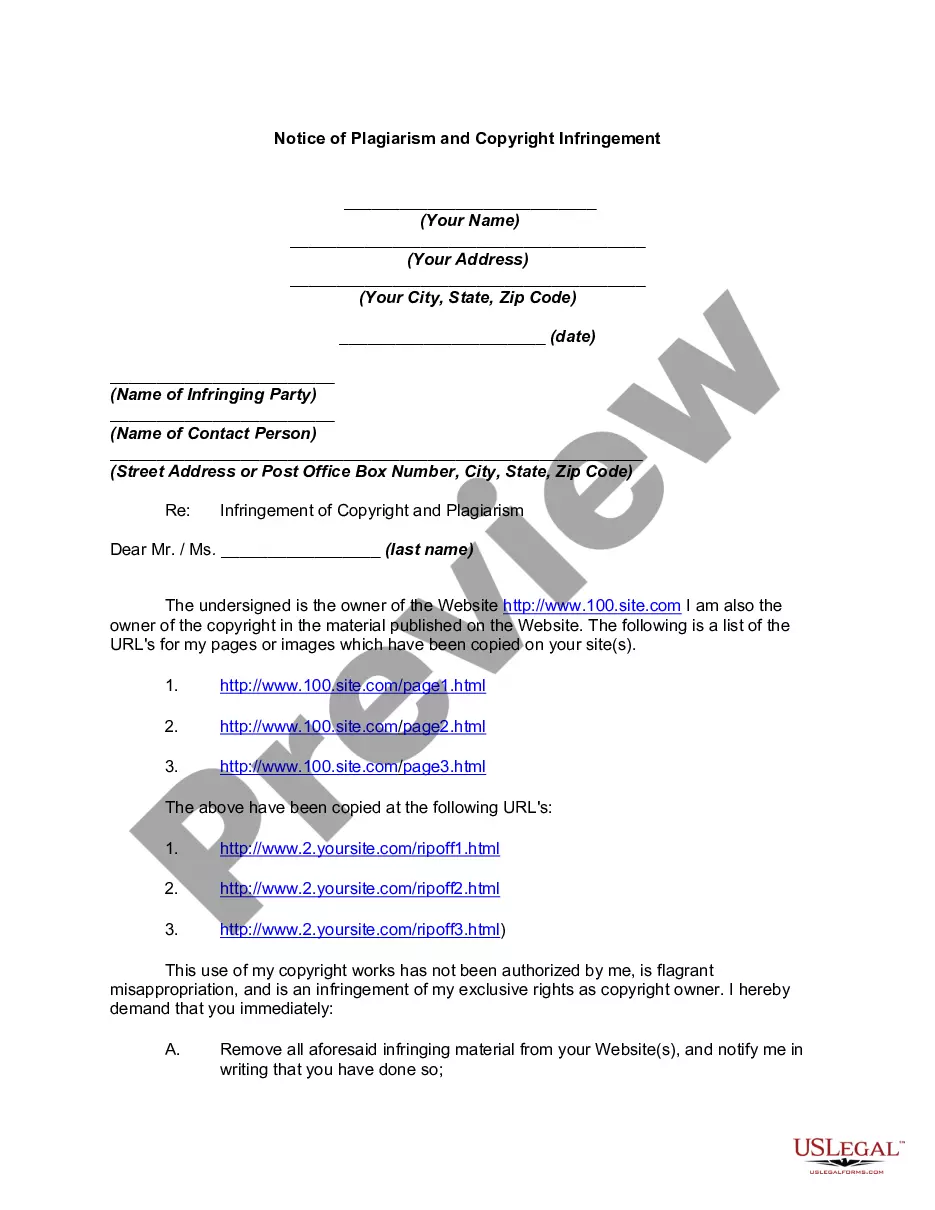
Get your form ready online
Our built-in tools help you complete, sign, share, and store your documents in one place.
Make edits, fill in missing information, and update formatting in US Legal Forms—just like you would in MS Word.
Download a copy, print it, send it by email, or mail it via USPS—whatever works best for your next step.
Sign and collect signatures with our SignNow integration. Send to multiple recipients, set reminders, and more. Go Premium to unlock E-Sign.
If this form requires notarization, complete it online through a secure video call—no need to meet a notary in person or wait for an appointment.
We protect your documents and personal data by following strict security and privacy standards.

Make edits, fill in missing information, and update formatting in US Legal Forms—just like you would in MS Word.

Download a copy, print it, send it by email, or mail it via USPS—whatever works best for your next step.

Sign and collect signatures with our SignNow integration. Send to multiple recipients, set reminders, and more. Go Premium to unlock E-Sign.

If this form requires notarization, complete it online through a secure video call—no need to meet a notary in person or wait for an appointment.

We protect your documents and personal data by following strict security and privacy standards.
Looking for another form?







Form popularity
FAQ
There are three steps involved: Discovering the details of the accused activity; Studying the claims of the patent; and. Comparing the accused activity to the patent claims.
A U.S. patent holder can block importation and sale of an infringing machine, manufacture or composition of matter in the U.S. and can sue for damages. Suit can be brought against foreign companies in U.S. federal court, so long as the patent holder can serve the infringer.
Having your valuable patents registered and recognized in China will put you in a much better position when you explore options against infringers. After all, the patents published or granted by the USPTO are accessible to potential infringers from every corner of the world with an internet connection, including China.
Patents in China are generally considered worthless to foreigners because they're so difficult to enforce.
Internationally, China is a member of WIPO and has ratified several international treaties and bilateral agreements in the area of patents over the past 30 years. Therefore, International patents are recognized, and there are a number of ways to register those patents in China, as mentioned above.
A patent holder must sue the unauthorized party in federal district court. The patent holder can sue in any federal court where the infringed product is found. Patent lawsuits are time-consuming. Depending on where you live, these suits can take years to get to trial.
Examination proceeding for inventions includes five stages, namely receiving, preliminary examination, publication, substantive examination, and grant.
Getting Started in Litigation Your attorney will file a formal complaint in federal court, explaining how the defendant has infringed on your patent. Together with your attorney, you will need to compile evidence of your ownership of the patent and the infringement.
Identity of the Infringer This may be a particularly easy process if there is only one specific individual who has infringed on your patent. It can become much more complicated, however, when there are multiple individuals and businesses involved.