Wrongful Interference With Goods In Maryland
Description

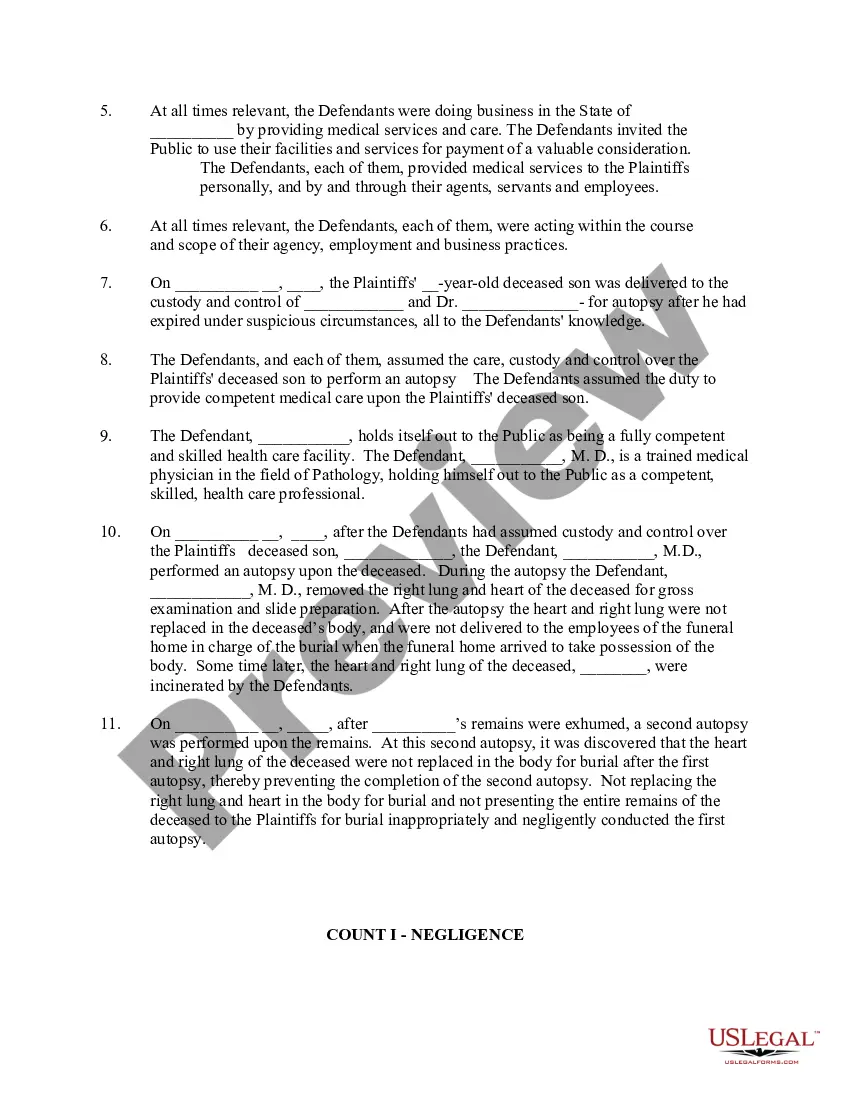
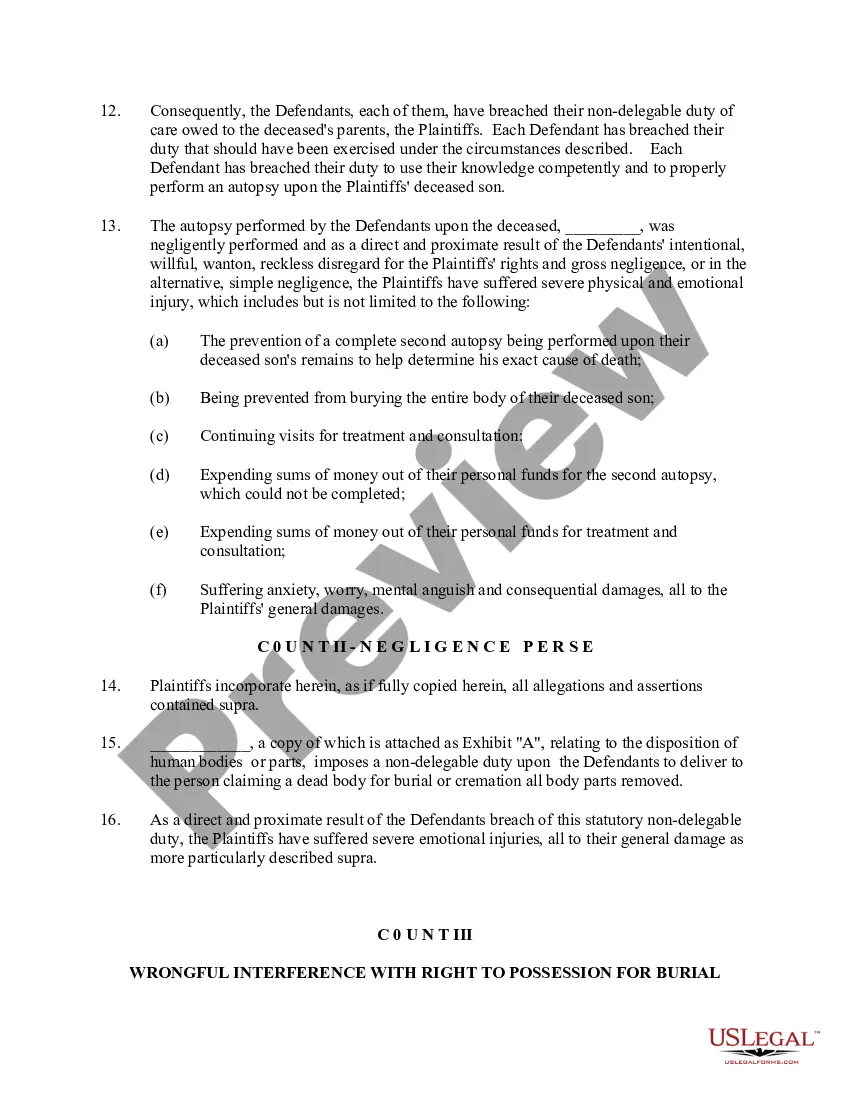
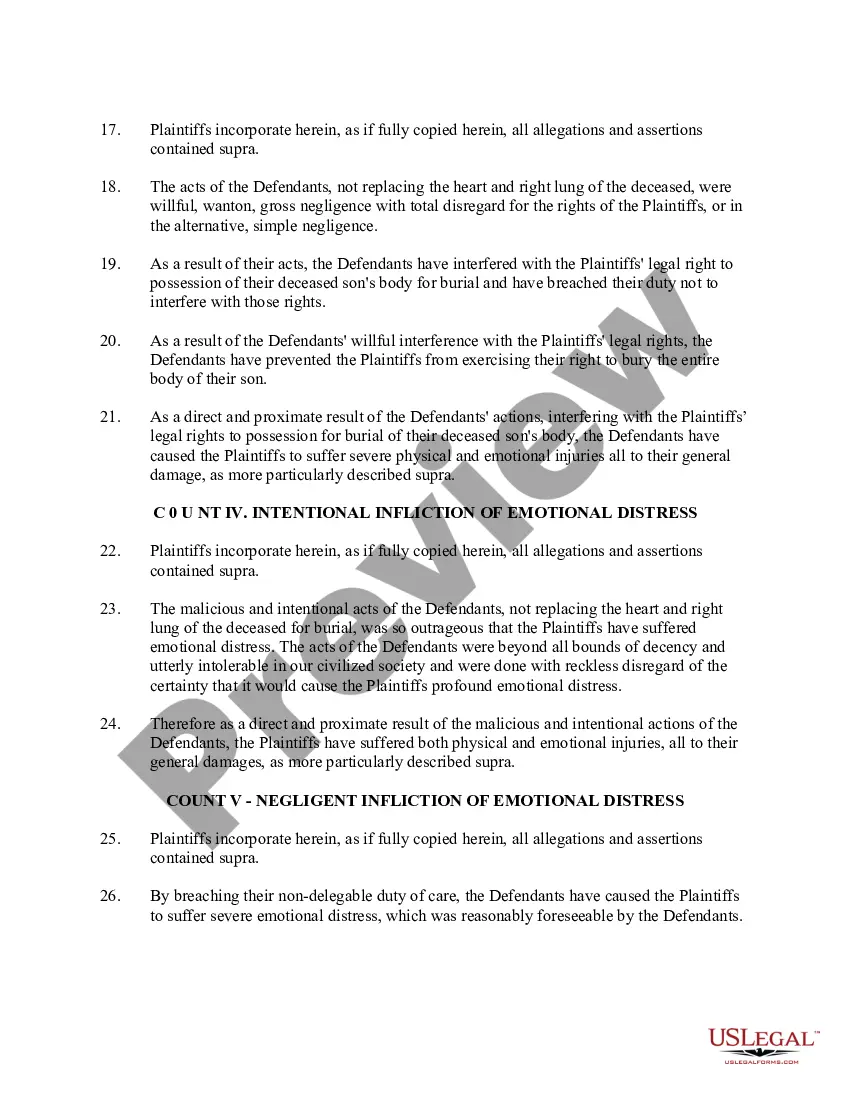
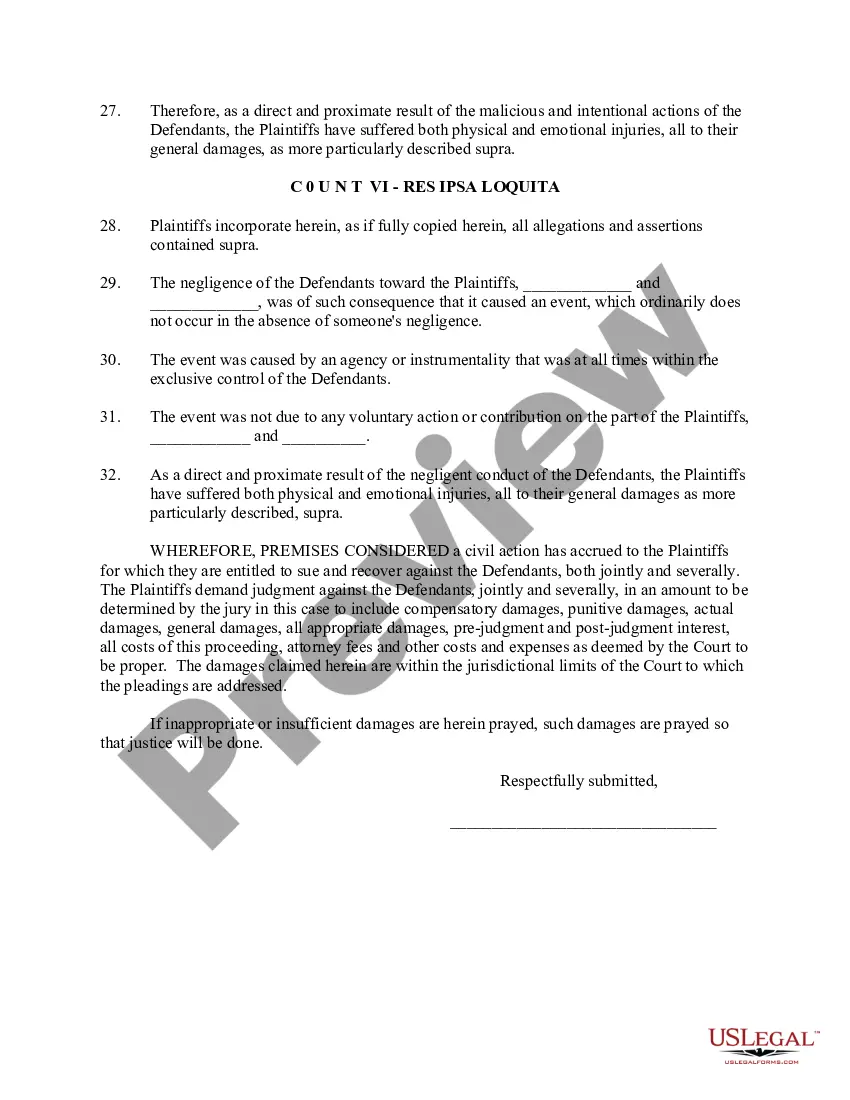

Get your form ready online
Our built-in tools help you complete, sign, share, and store your documents in one place.
Make edits, fill in missing information, and update formatting in US Legal Forms—just like you would in MS Word.
Download a copy, print it, send it by email, or mail it via USPS—whatever works best for your next step.
Sign and collect signatures with our SignNow integration. Send to multiple recipients, set reminders, and more. Go Premium to unlock E-Sign.
If this form requires notarization, complete it online through a secure video call—no need to meet a notary in person or wait for an appointment.
We protect your documents and personal data by following strict security and privacy standards.

Make edits, fill in missing information, and update formatting in US Legal Forms—just like you would in MS Word.

Download a copy, print it, send it by email, or mail it via USPS—whatever works best for your next step.

Sign and collect signatures with our SignNow integration. Send to multiple recipients, set reminders, and more. Go Premium to unlock E-Sign.

If this form requires notarization, complete it online through a secure video call—no need to meet a notary in person or wait for an appointment.

We protect your documents and personal data by following strict security and privacy standards.
Looking for another form?








Form popularity
FAQ
If your situation meets the required elements for a legal claim, you absolutely can. In California, intentionally interfering with another person's expected inheritance is a tort (a civil wrong, which allows a person to sue another person in court, assuming the elements are met).
Tortious interference is a common law tort allowing a claim for damages against a defendant who wrongfully interferes with the plaintiff's contractual or business relationships. See also intentional interference with contractual relations.
Deceiving another company's employees to lure them to work for you instead. Making false claims about a competitor to deter business. Threatening a logistics company if they make a supply delivery to a competitor. Interfering with a party's ability to uphold its contractual obligations.
Proving tortious interference in court is complicated. It is a complex legal issue that requires a great deal of evidence. Your best recourse is to have a business attorney who specializes in tort and contract law.
Broadly speaking, interference in a legal setting is wrongful conduct that prevents or disturbs another in the performance of their usual activities, in the conduct of their business or contractual relations, or in the enjoyment of their full legal rights.
The Torts (Interference with Goods) Act 1977 introduces a collective description ' wrongful interference with goods' to cover conversion, trespass to goods, negligence resulting in damage to goods or to an interest in goods and any other tort in so far as it results in damage to goods or an interest in goods.
Proving tortious interference in court is complicated. It is a complex legal issue that requires a great deal of evidence. Your best recourse is to have a business attorney who specializes in tort and contract law.
