Wrongful Accusation Charges In Maryland
Description

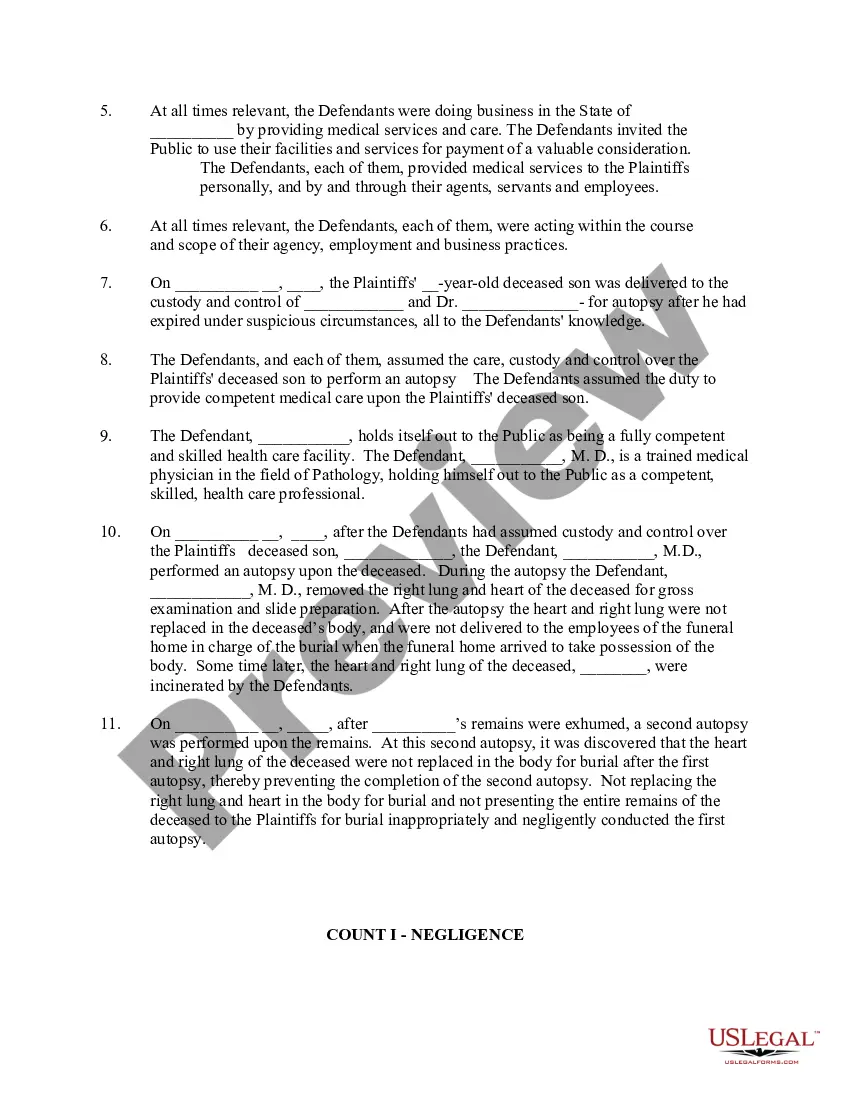
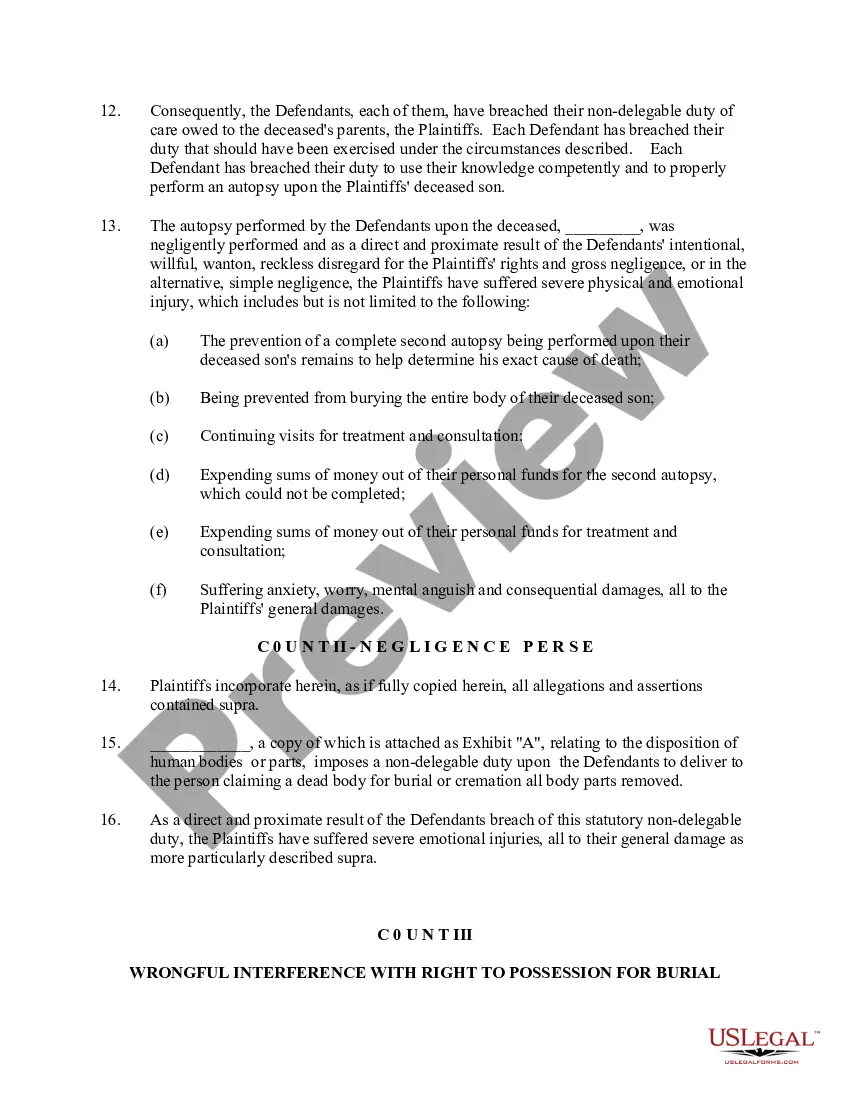
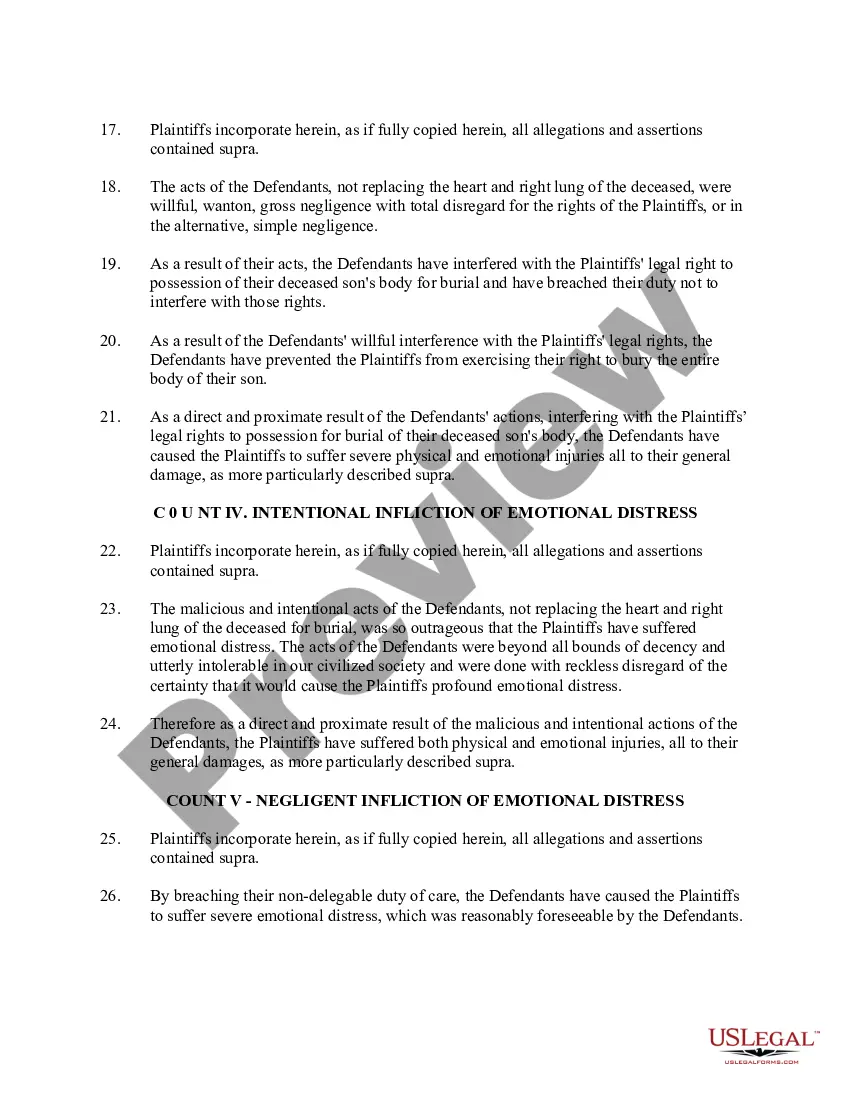
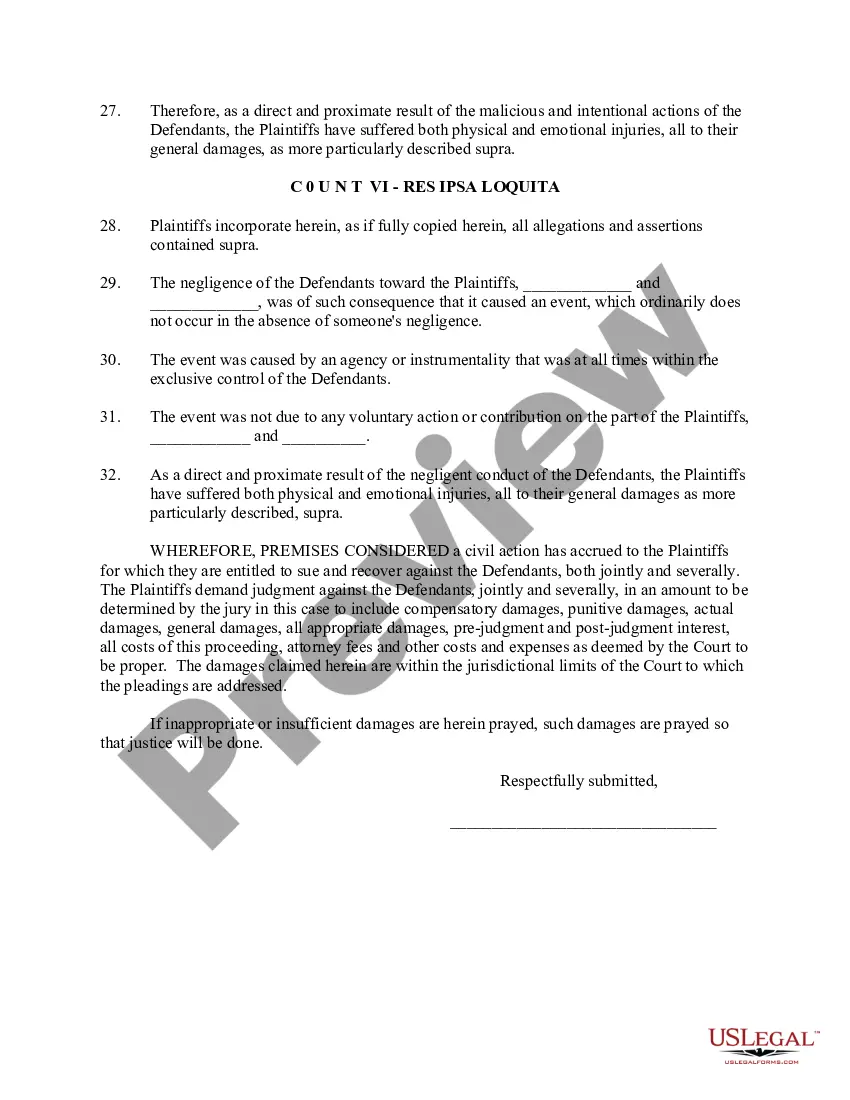

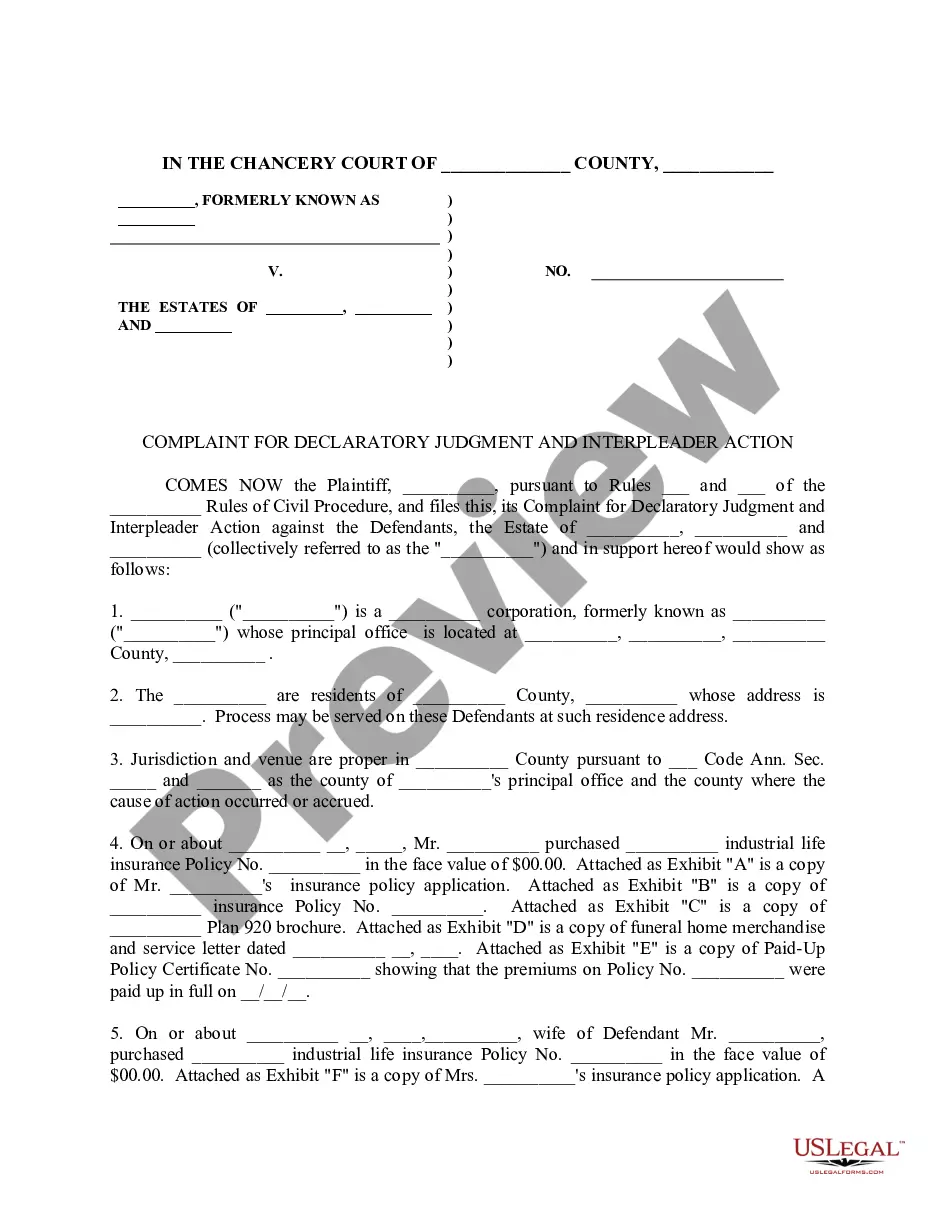
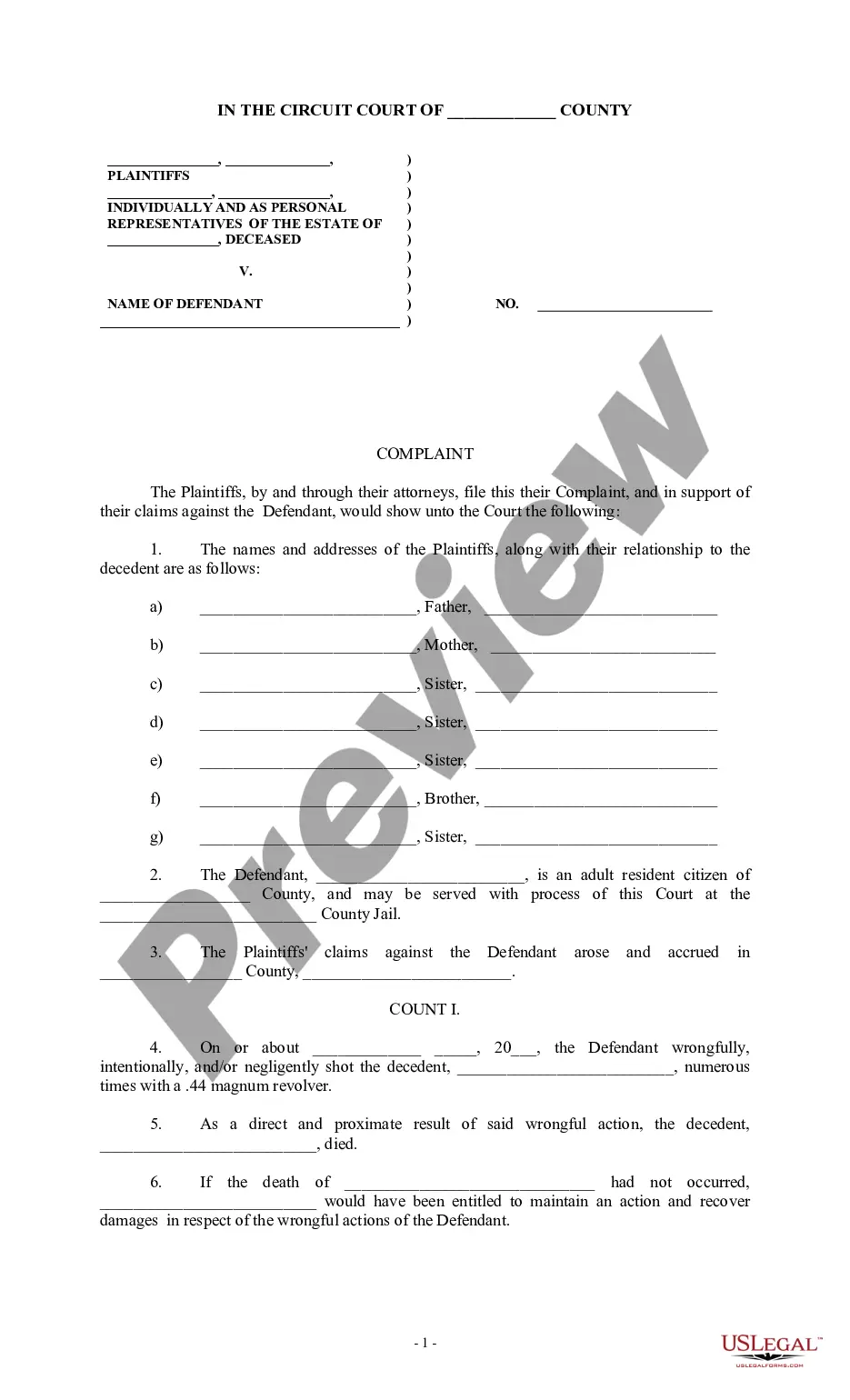
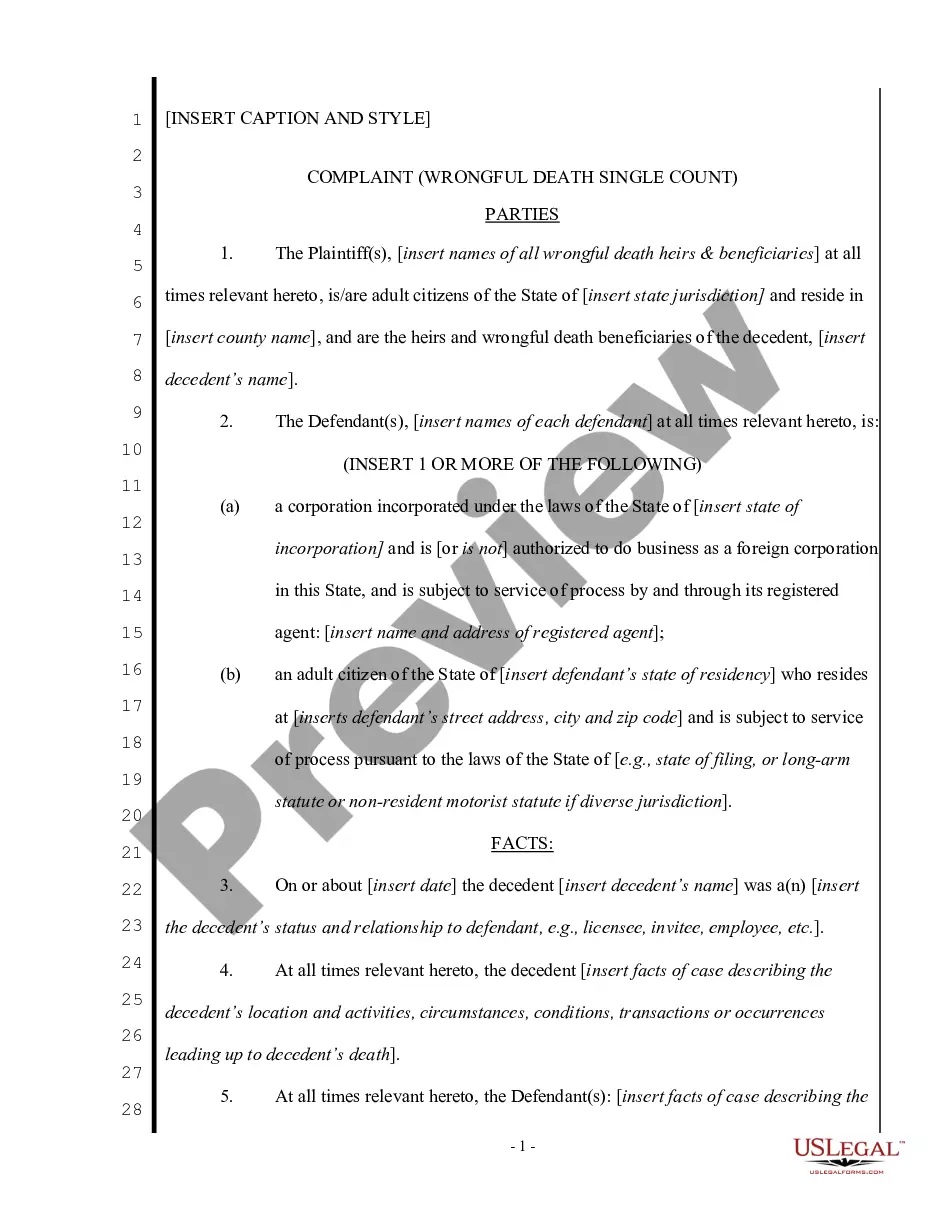
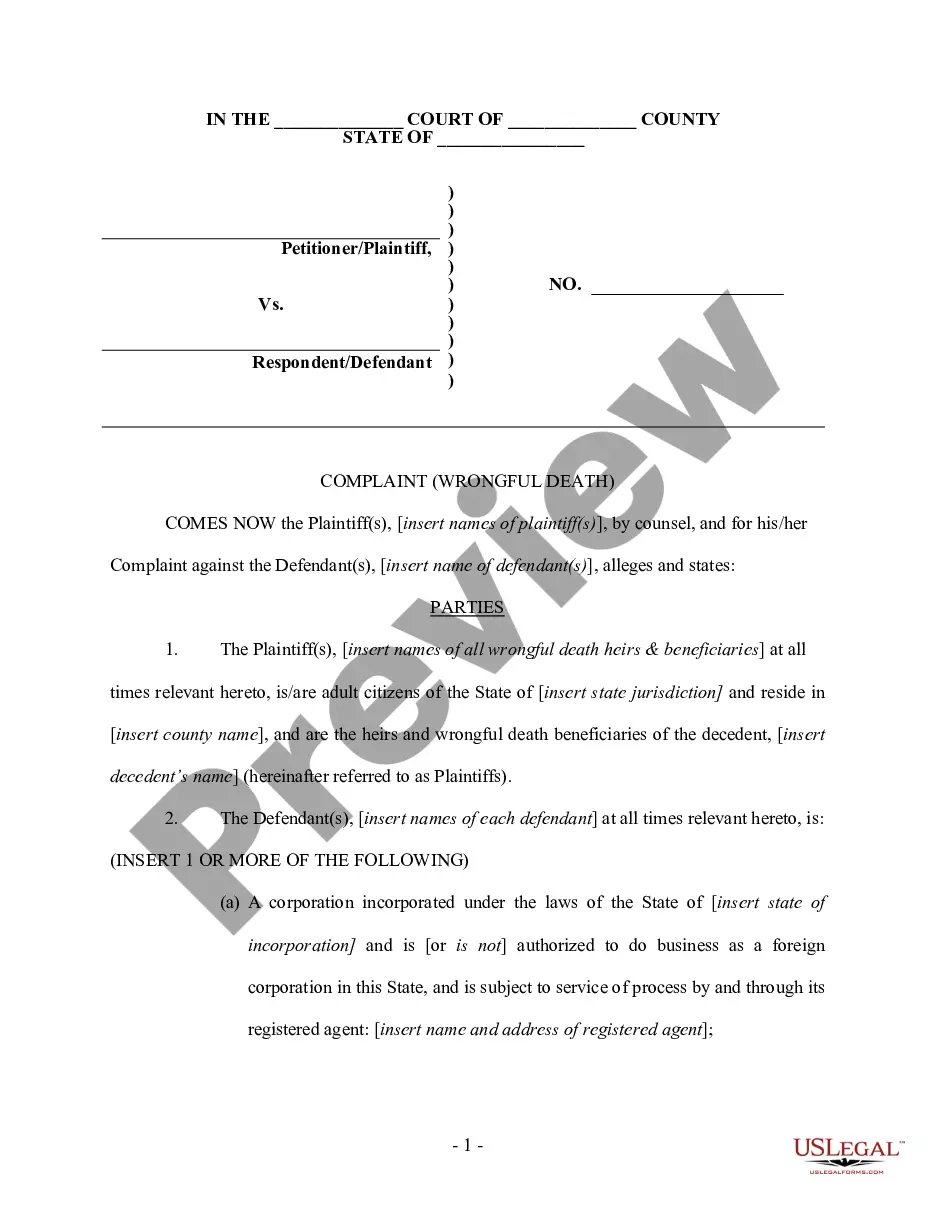
Get your form ready online
Our built-in tools help you complete, sign, share, and store your documents in one place.
Make edits, fill in missing information, and update formatting in US Legal Forms—just like you would in MS Word.
Download a copy, print it, send it by email, or mail it via USPS—whatever works best for your next step.
Sign and collect signatures with our SignNow integration. Send to multiple recipients, set reminders, and more. Go Premium to unlock E-Sign.
If this form requires notarization, complete it online through a secure video call—no need to meet a notary in person or wait for an appointment.
We protect your documents and personal data by following strict security and privacy standards.

Make edits, fill in missing information, and update formatting in US Legal Forms—just like you would in MS Word.

Download a copy, print it, send it by email, or mail it via USPS—whatever works best for your next step.

Sign and collect signatures with our SignNow integration. Send to multiple recipients, set reminders, and more. Go Premium to unlock E-Sign.

If this form requires notarization, complete it online through a secure video call—no need to meet a notary in person or wait for an appointment.

We protect your documents and personal data by following strict security and privacy standards.
Looking for another form?

Form popularity
FAQ
- A person who violates this section is guilty of a misdemeanor and on conviction is subject to imprisonment not exceeding 10 years or a fine not exceeding $10,000 or both.
Yes, you can file suit against someone spreading lies about you. Often times, it's easy for a local attorney to send a letter to the individual, demanding that they cease spreading the rumors. I handle these types of cases, including online and in-person defamation.
Yes, you can sue someone who made false allegations against you resulting in an arrest. There are two main types of lawsuits that you can file in this case: malicious prosecution and defamation.
Find Witnesses and Present Evidence Additionally, your attorney can present physical evidence like video footage, text messages, or emails that corroborate your account and refute the false claims. These pieces of evidence can paint a clear picture of your innocence and discredit the accuser's allegations.
Yes. In California, making false accusations is a crime and can lead to serious legal consequences.
Defending Yourself Against False Accusations at Work Remain Calm and Be Professional. Talk to a Lawyer. Contact HR. Get the Details of the Complaint. Gather Evidence. Find Witnesses and Present Evidence. Be Honest and Cooperate with Any Investigations. Avoid Your Accuser.
If convicted, penalties for false accusations could result in fines of up to $1,000, up to six months in county jail, or both. Additionally, individuals may face civil lawsuits for defamation or malicious prosecution if the false accusations harm another person's reputation or lead to wrongful legal actions.
Defending Yourself Against False Accusations at Work Remain Calm and Be Professional. Talk to a Lawyer. Contact HR. Get the Details of the Complaint. Gather Evidence. Find Witnesses and Present Evidence. Be Honest and Cooperate with Any Investigations. Avoid Your Accuser.
In California, making false accusations is a crime and can lead to serious legal consequences. Under Penal Code Section 148.5 , it is a misdemeanor to falsely report a crime to law enforcement. And if you're wondering whether you can go to jail for making false accusations, the answer is yes.