Possession Abandonment Laws In Hillsborough
Description


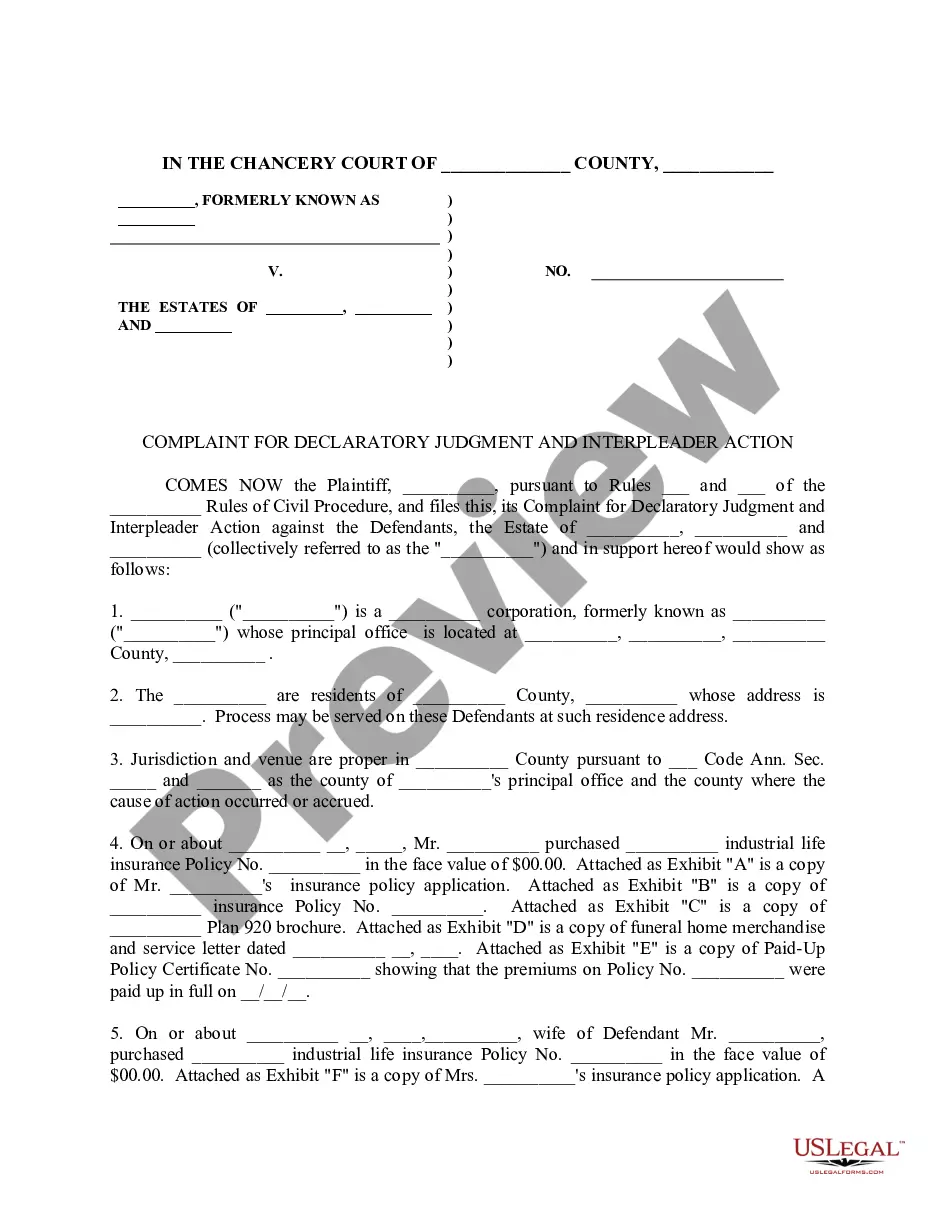
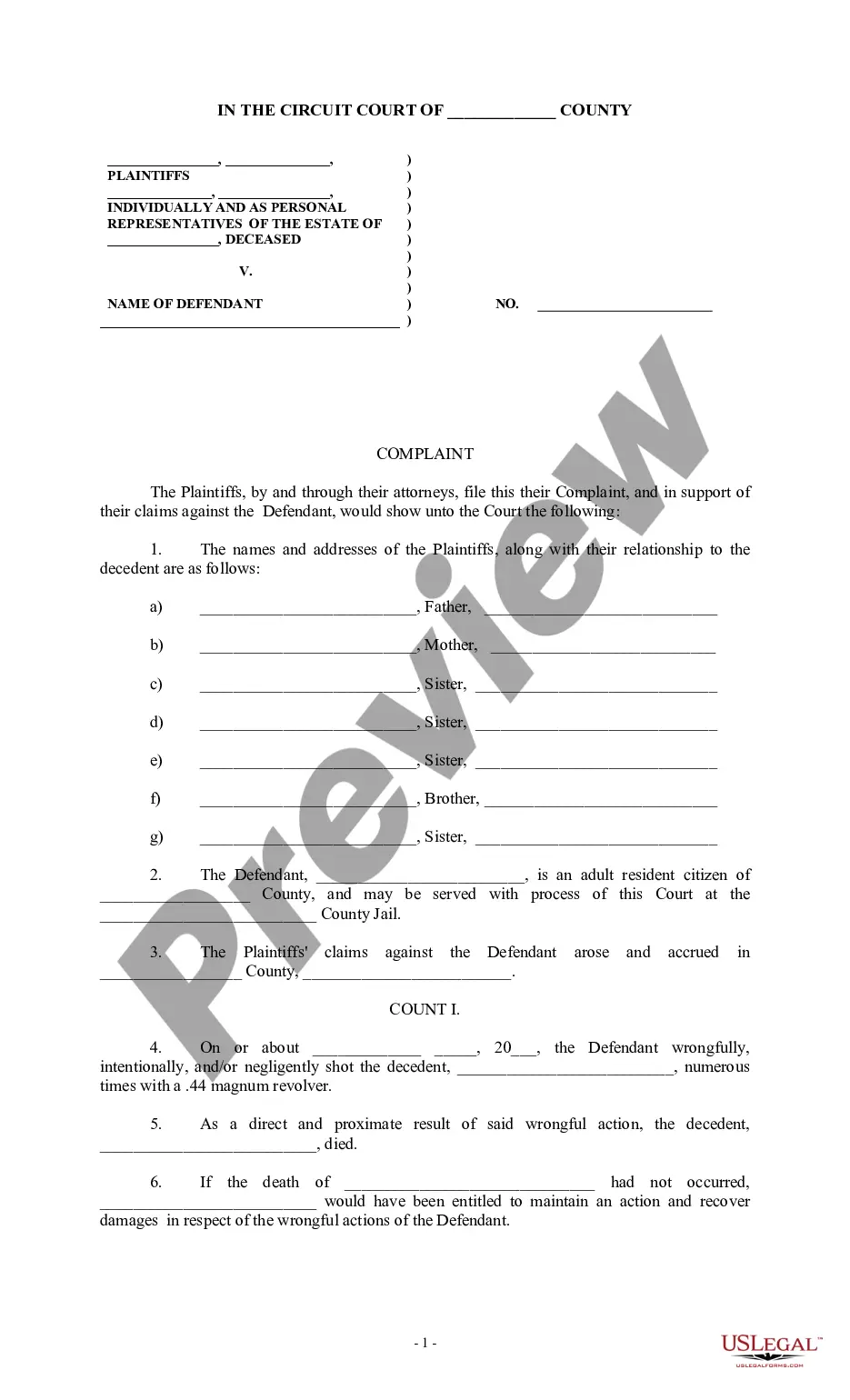
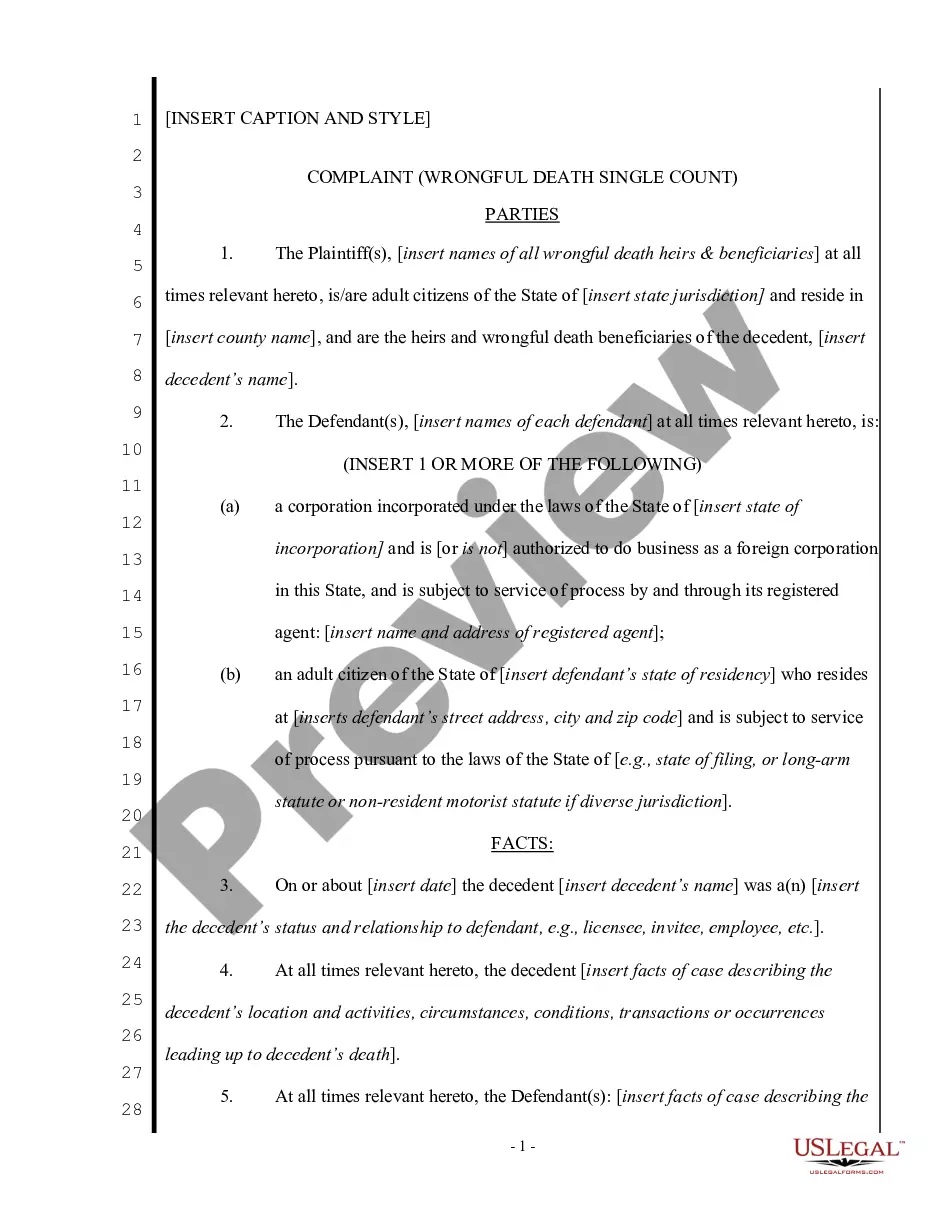
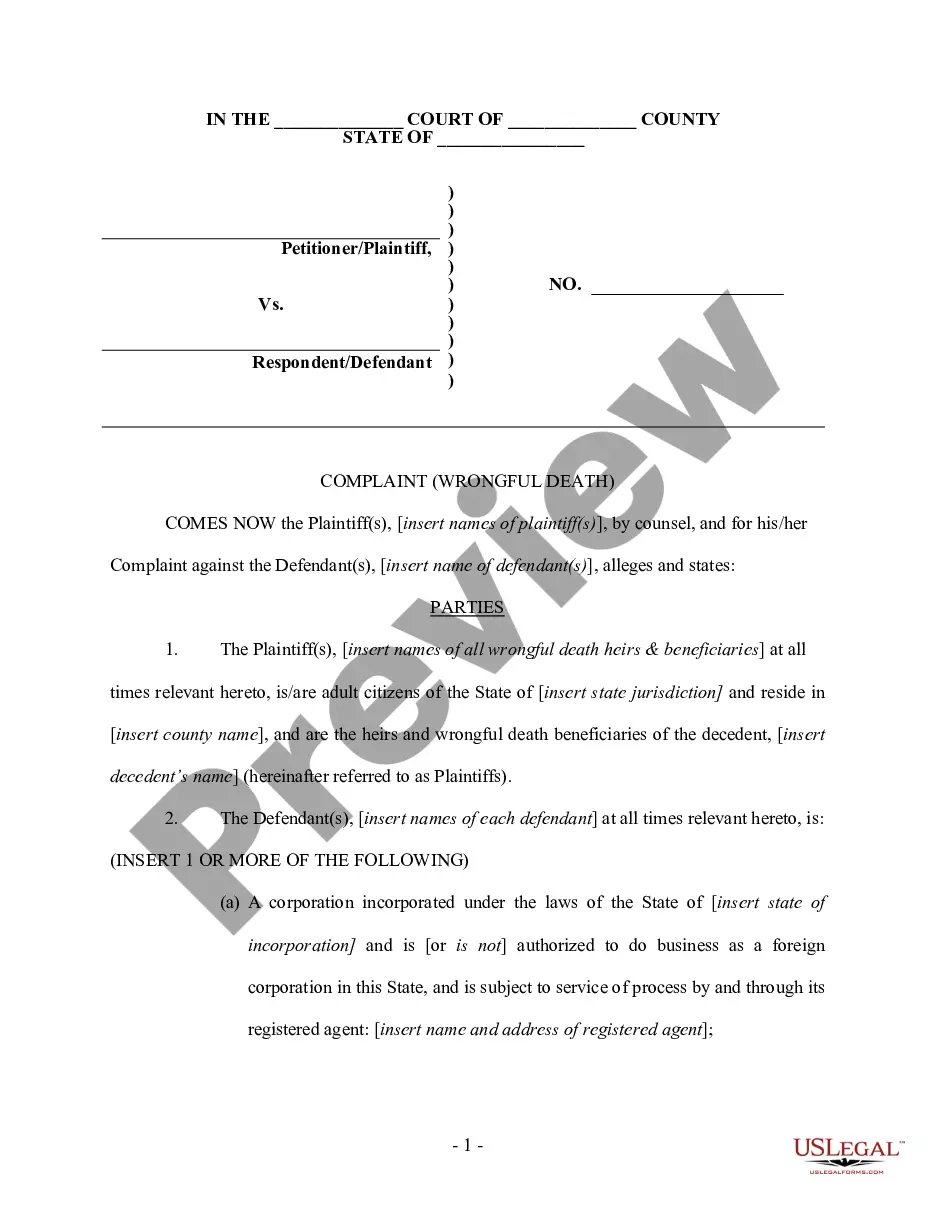
Get your form ready online
Our built-in tools help you complete, sign, share, and store your documents in one place.
Make edits, fill in missing information, and update formatting in US Legal Forms—just like you would in MS Word.
Download a copy, print it, send it by email, or mail it via USPS—whatever works best for your next step.
Sign and collect signatures with our SignNow integration. Send to multiple recipients, set reminders, and more. Go Premium to unlock E-Sign.
If this form requires notarization, complete it online through a secure video call—no need to meet a notary in person or wait for an appointment.
We protect your documents and personal data by following strict security and privacy standards.

Make edits, fill in missing information, and update formatting in US Legal Forms—just like you would in MS Word.

Download a copy, print it, send it by email, or mail it via USPS—whatever works best for your next step.

Sign and collect signatures with our SignNow integration. Send to multiple recipients, set reminders, and more. Go Premium to unlock E-Sign.

If this form requires notarization, complete it online through a secure video call—no need to meet a notary in person or wait for an appointment.

We protect your documents and personal data by following strict security and privacy standards.
Looking for another form?






Form popularity
FAQ
Florida Statutes Chapter 705 outlines the procedures for dealing with lost or abandoned property. It defines "abandoned property" as items left intentionally and permanently by the owner, with no owner who intends to claim them. The law requires landlords to follow specific steps before disposing of any property.
Under Florida Statute § 83.595, landlords may presume abandonment if the tenant has been absent from the property for at least 15 consecutive days, provided there is no written notice from the tenant about the absence and the rent is not current.
In Florida, if a person continuously occupies a parcel of real property for seven consecutive years and does not possess a legal document to validate a claim to the property, the person may acquire ownership of the property via adverse possession.
Can I claim ownership of an abandoned property in Florida? Claiming ownership of an abandoned property, known as adverse possession, requires meeting specific legal criteria, including openly living on and continuously improving the property as defined by state law.
(1) “Abandoned” or “abandonment” means a situation in which the parent or legal custodian of a child or, in the absence of a parent or legal custodian, the caregiver, while being able, makes no provision for the child's support and has failed to establish or maintain a substantial and positive relationship with the ...
Possession of Property If the tenancy is week to week, you must give a 7-day notice. If the tenancy is month to month, you must give a 30-day notice. If the tenant does not comply with the notice you will need to bring a copy of the notice to our office and file your eviction complaint with the court.
Adverse possession is a legal form of taking over property ownership, while squatting, or taking up unauthorized residence in an abandoned or unmonitored space, is illegal.
Florida does not have a law describing abandonment or explaining how it may affect divorce cases. However, it does have a law describing desertion. ing to Florida state law, desertion is the act of a man leaving his wife and/or children and withholding lawful financial support from them.
Entering an abandoned building without permission is typically illegal. At a minimum, you could potentially be charged with trespassing. If you enter with the intent to steal or vandalize the property, you could be charged with the more serious crime of burglary.
At common law, a person who finds abandoned property may claim it. To do so, the finder must take definite steps to show their claim. For example, a finder might claim an abandoned piece of furniture by taking it to their house, or putting a sign on it indicating their ownership.
