Injunctive Relief For Defamation In Texas
Description


Get your form ready online
Our built-in tools help you complete, sign, share, and store your documents in one place.
Make edits, fill in missing information, and update formatting in US Legal Forms—just like you would in MS Word.
Download a copy, print it, send it by email, or mail it via USPS—whatever works best for your next step.
Sign and collect signatures with our SignNow integration. Send to multiple recipients, set reminders, and more. Go Premium to unlock E-Sign.
If this form requires notarization, complete it online through a secure video call—no need to meet a notary in person or wait for an appointment.
We protect your documents and personal data by following strict security and privacy standards.

Make edits, fill in missing information, and update formatting in US Legal Forms—just like you would in MS Word.

Download a copy, print it, send it by email, or mail it via USPS—whatever works best for your next step.

Sign and collect signatures with our SignNow integration. Send to multiple recipients, set reminders, and more. Go Premium to unlock E-Sign.

If this form requires notarization, complete it online through a secure video call—no need to meet a notary in person or wait for an appointment.

We protect your documents and personal data by following strict security and privacy standards.
Looking for another form?









Form popularity
FAQ
Understanding the nuances of defamation damages is complex. For personalised advice tailored to your situation, please reach out to our legal team. The current ceiling for damages awards in libel actions is £350,000 as per Nicklin J in Lachaux v Independent Print Ltd & Anor 2021 EWHC 1797.
Compensation Insights Table Type of DamagesAverage Compensation Range Economic Damages $10,000 – $100,000 Non-Economic Damages $15,000 – $300,000 Punitive Damages Varies widely ($20,000 – $1,000,000+) Settlements Typically $5,000 – $50,000
Damages. Generally, with any cause of action under Texas law, a plaintiff must show damages. However, in defamation cases, if the false and defamatory statement at issue is considered defamatory per se, the plaintiff may be awarded nominal damages without proof of actual injury.
To prove a successful defamation claim, the plaintiff must show the following: (1) the defendant published a false statement; (2) that defamed the plaintiff; (3) with the requisite degree of fault regarding the statement's truth; and (4) damages, unless the statement constitutes defamation per se.
Truth, or substantial truth, is a complete defense to a claim of defamation.
General damages include things such as emotional distress, loss of enjoyment of life, loss of reputation, and humiliation.
It delves into defenses such as substantial truth, opinion and rhetorical hyperbole, consent, and privilege, which can offer absolute or qualified immunity. This Note also examines statutory defenses like Texas's anti-SLAPP law, the Texas Defamation Mitigation Act, and the Communications Decency Act (CDA).
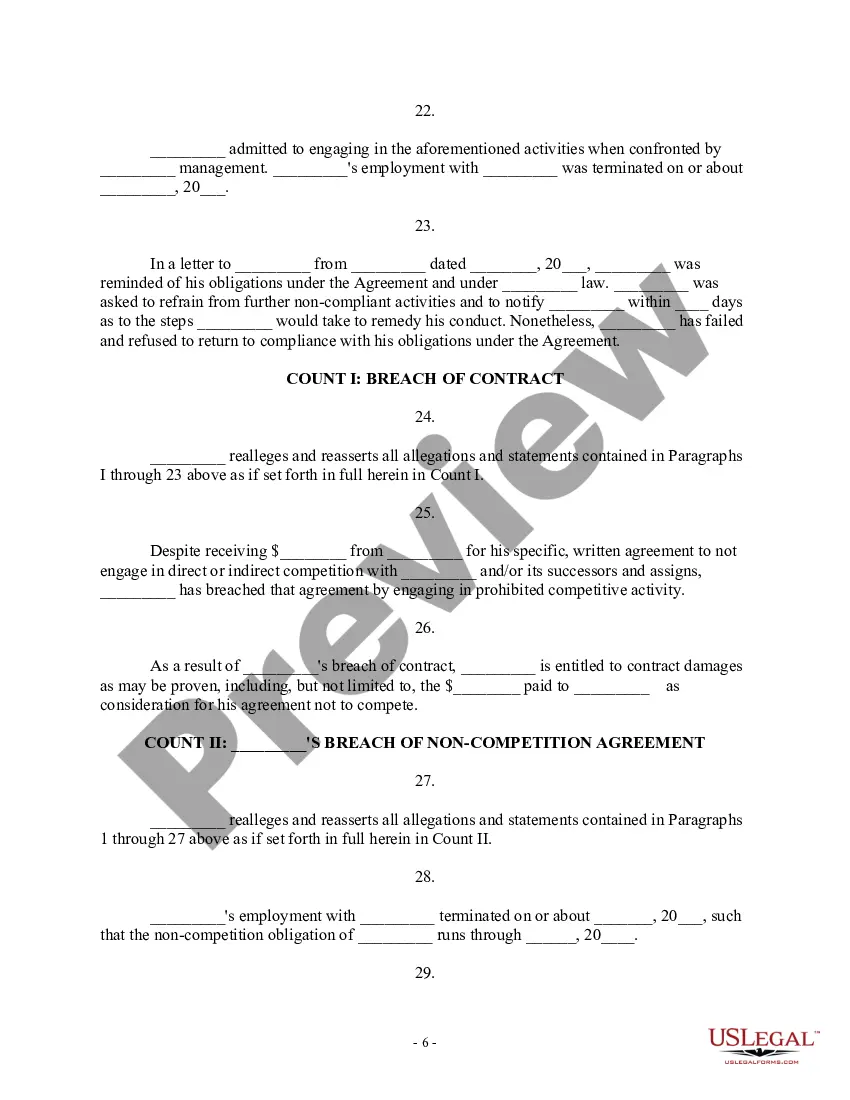
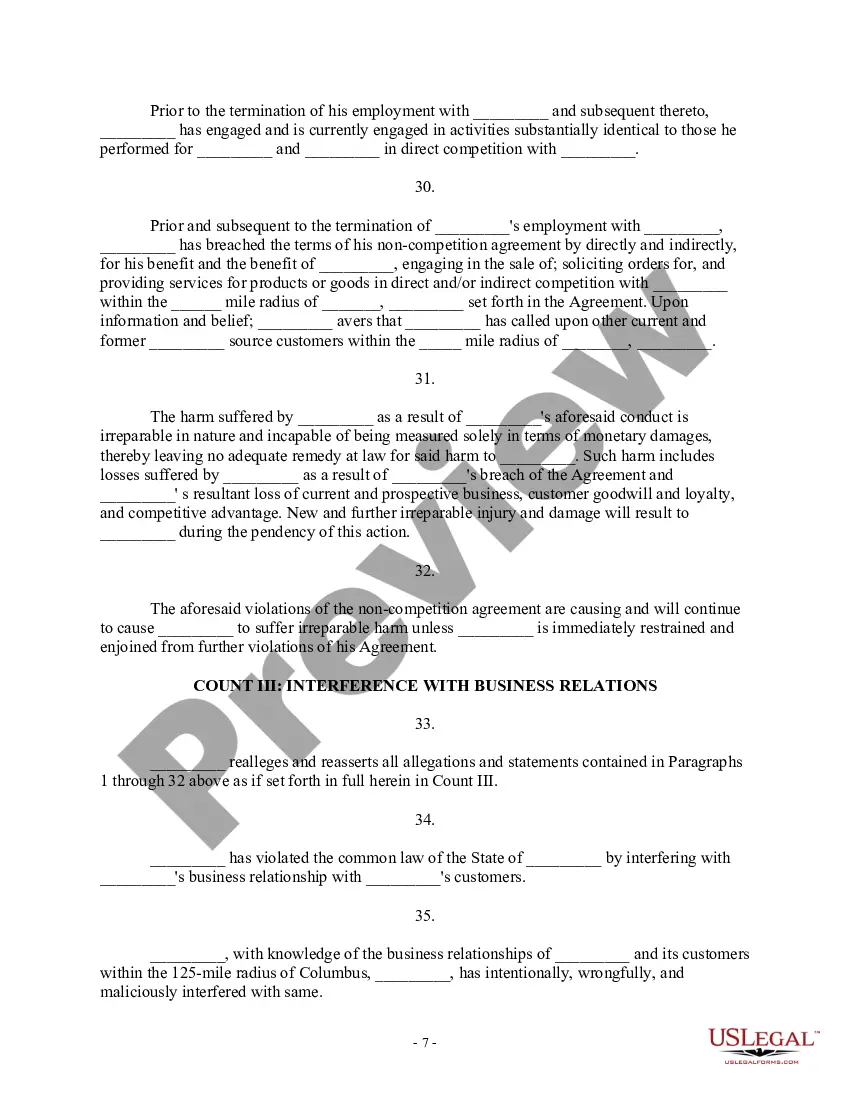
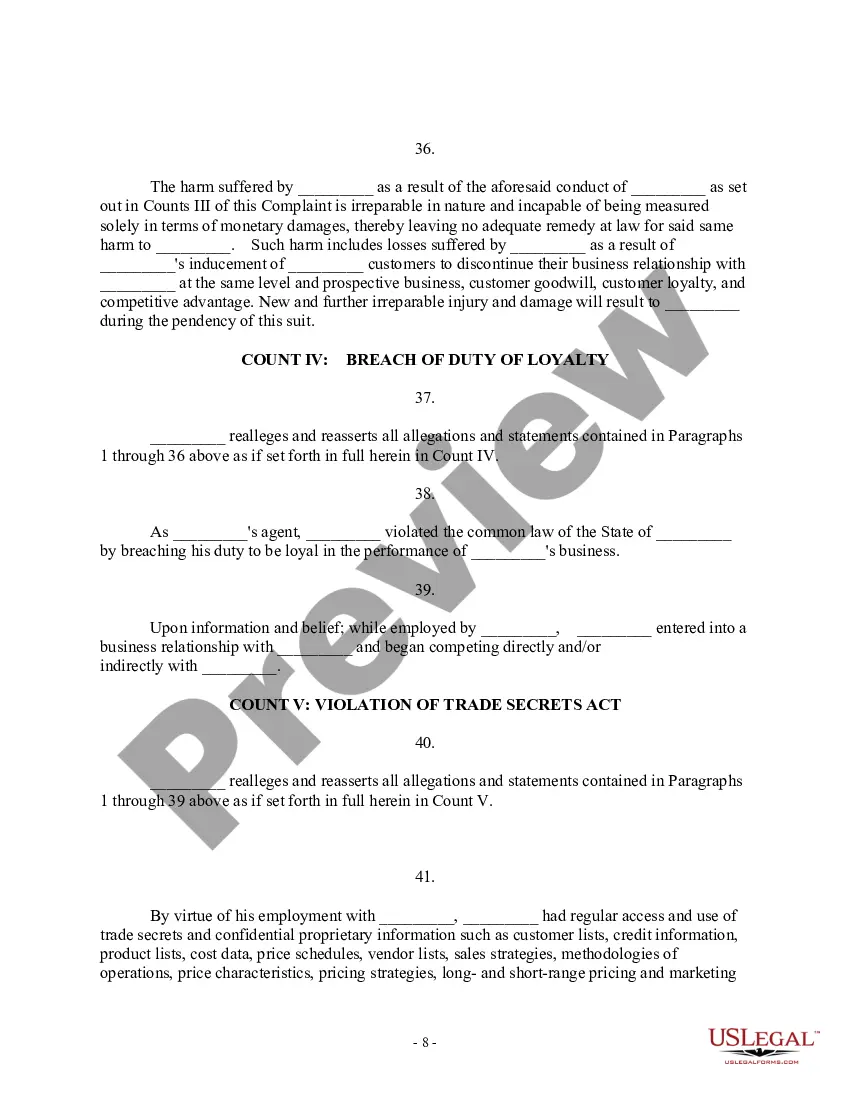
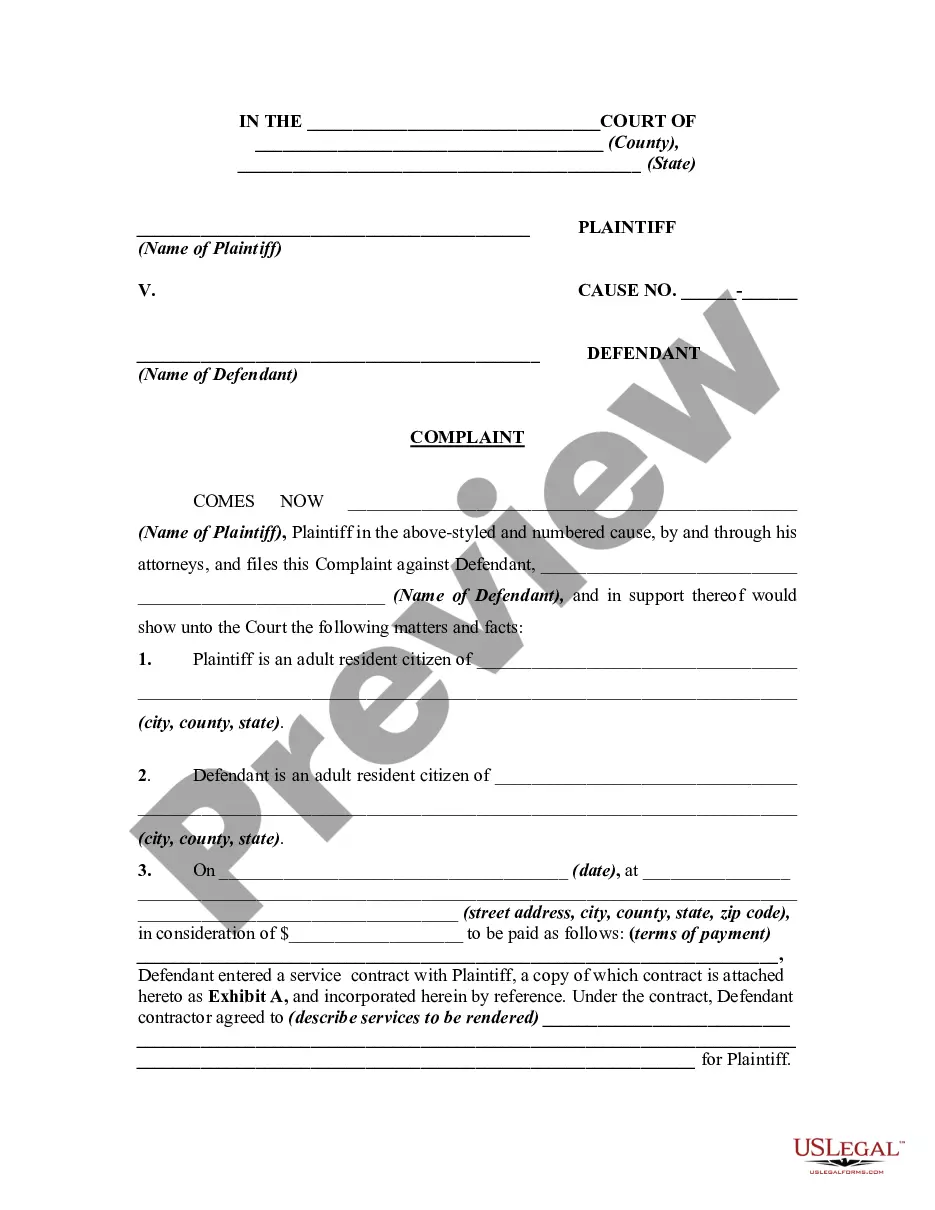
To be entitled to a temporary injunction, the applicant must plead a cause of action and show a probable right to recover on that cause of action and a probable, imminent, and irreparable injury in the interim. “Imminent” means that the injury is relatively certain to occur rather than being remote and speculative.
The party asking for an injunctive relief must prove three things: 1) that there is a cause of action against the defendant; 2) that the party seeking the injunction has a right to the property in question; and 3) that the objects in question are in danger of “probable, imminent, and irreparable injury.” In the Strube ...
To win a TRO or a Temporary Injunction, the plaintiff must show the following: That the plaintiff is entitled to some form of permanent relief. That the plaintiff is likely to win the lawsuit. That the harm the plaintiff is complaining about is imminent. That if the harm comes about the plaintiff would be irreparable.
