Complaint Relief Without Drugs In Texas
Description

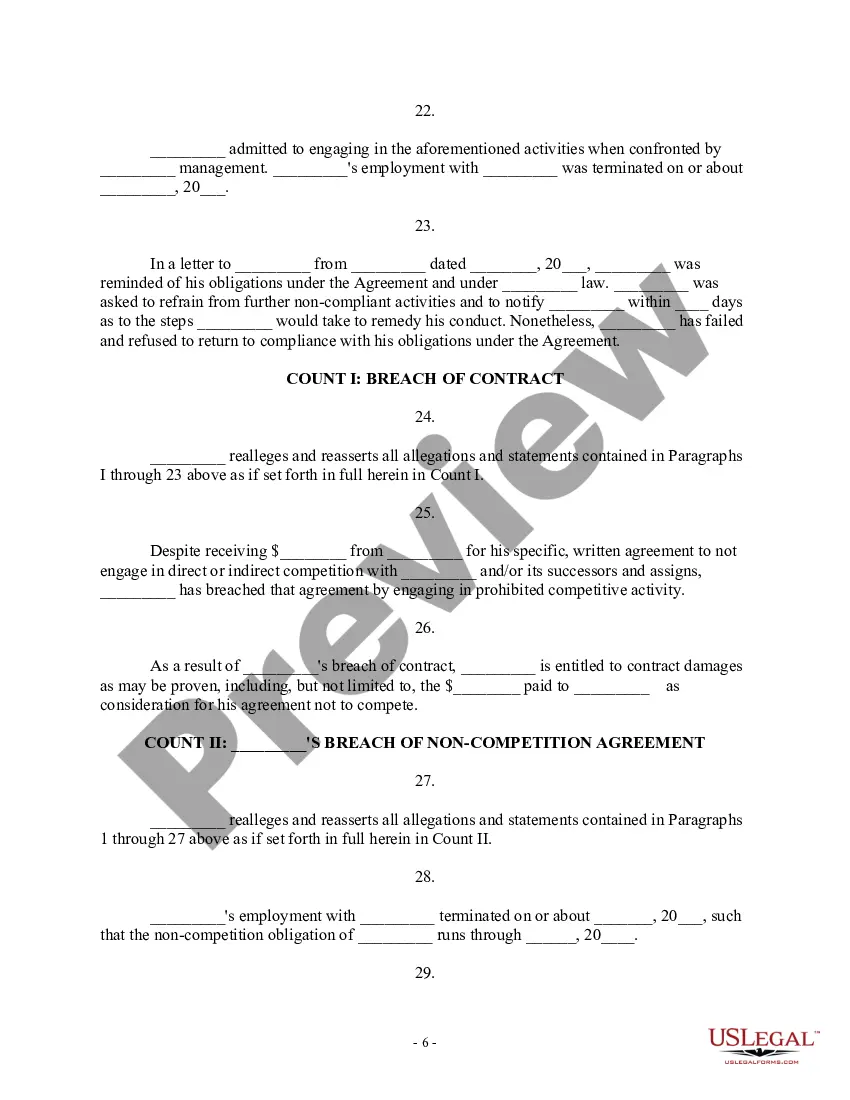
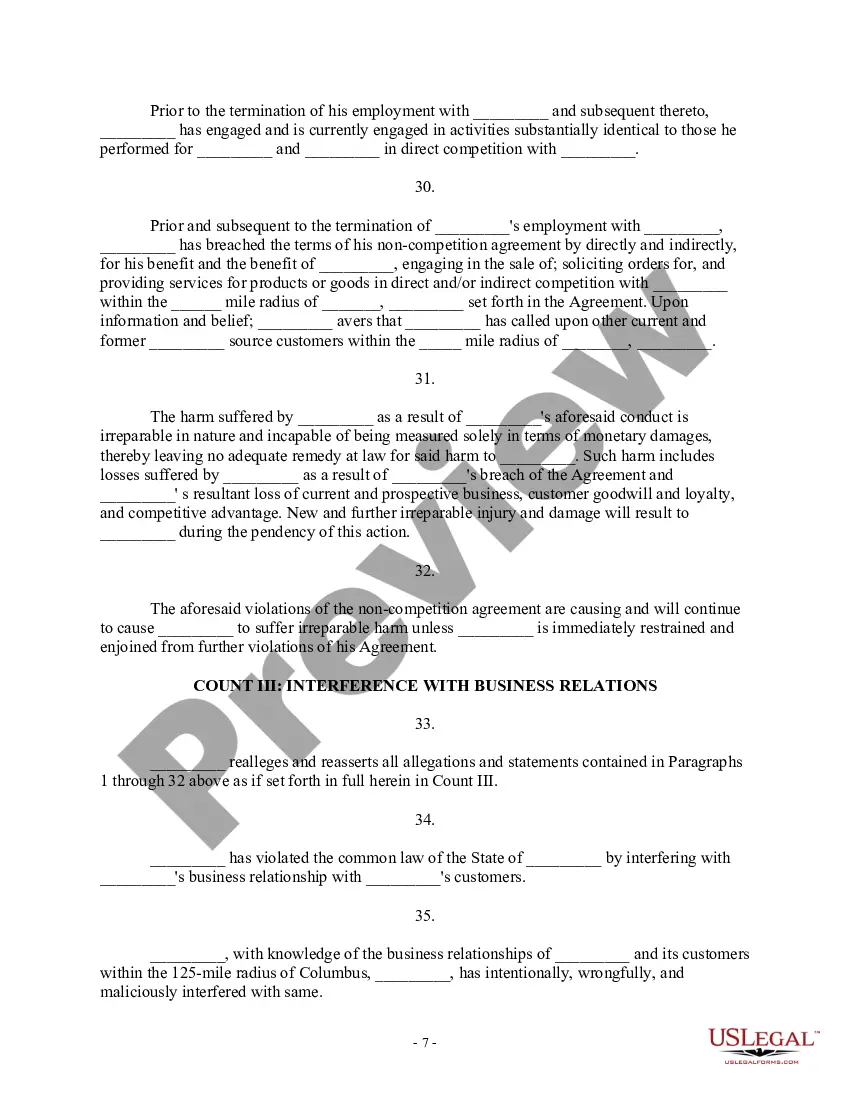
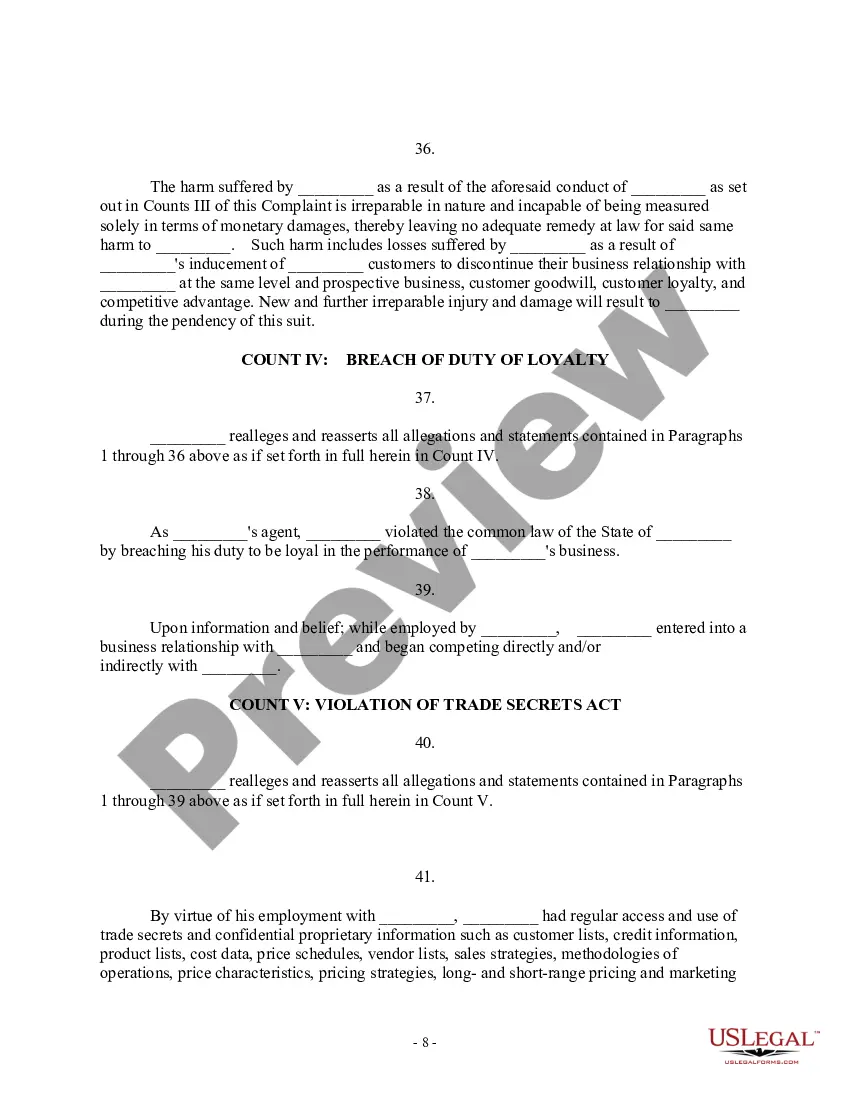
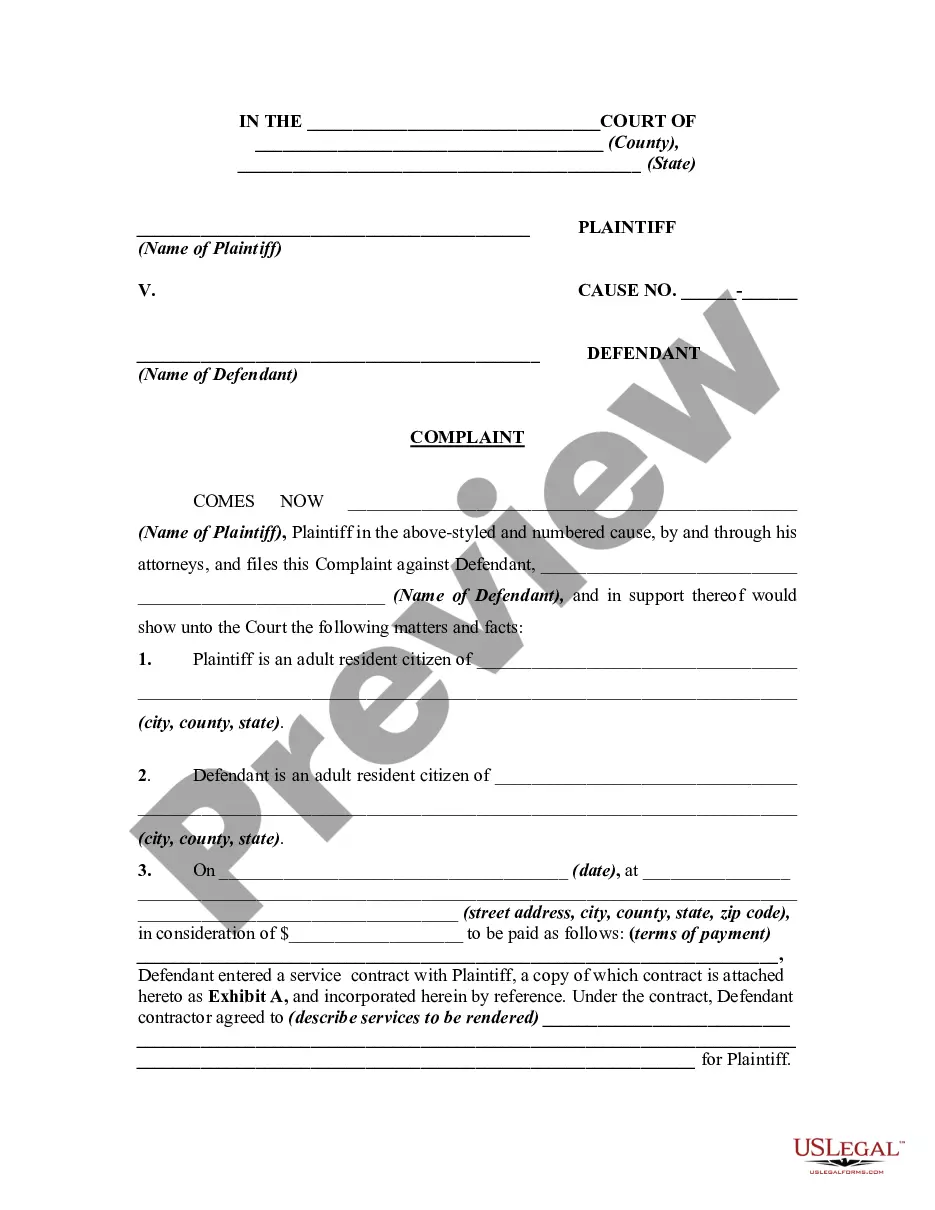

Get your form ready online
Our built-in tools help you complete, sign, share, and store your documents in one place.
Make edits, fill in missing information, and update formatting in US Legal Forms—just like you would in MS Word.
Download a copy, print it, send it by email, or mail it via USPS—whatever works best for your next step.
Sign and collect signatures with our SignNow integration. Send to multiple recipients, set reminders, and more. Go Premium to unlock E-Sign.
If this form requires notarization, complete it online through a secure video call—no need to meet a notary in person or wait for an appointment.
We protect your documents and personal data by following strict security and privacy standards.

Make edits, fill in missing information, and update formatting in US Legal Forms—just like you would in MS Word.

Download a copy, print it, send it by email, or mail it via USPS—whatever works best for your next step.

Sign and collect signatures with our SignNow integration. Send to multiple recipients, set reminders, and more. Go Premium to unlock E-Sign.

If this form requires notarization, complete it online through a secure video call—no need to meet a notary in person or wait for an appointment.

We protect your documents and personal data by following strict security and privacy standards.
Looking for another form?






Form popularity
FAQ
The Board cannot accept complaints submitted anonymously. The most frequent complaints involve issues related to standard of care, professional incompetence, unprofessional conduct which may endanger the public, and inability to practice medicine by reason of mental or physical impairment.
You can make a complaint by mail or fax, but HHS prefers that people submit online via the Texas Unified Licensure Information Portal (TULIP) or call 1-800-458-9858 so we can get all of the information right away to investigate and resolve a complaint.
Submitting a Complaint Against Health Care Facilities (Except Substance Abuse Chemical Dependency Treatment or Narcotic or Opioid Treatment Facilities) Complaint hotline: 1-800-458-9858, Option 5. Email: hfcplaints@hhs.texas. Fax: 833-709-5735. Mailing address: Health and Human Services Commission.
Submitting a Complaint Against Health Care Facilities (Except Substance Abuse Chemical Dependency Treatment or Narcotic or Opioid Treatment Facilities) Complaint hotline: 1-800-458-9858, Option 5. Email: hfcplaints@hhs.texas. Fax: 833-709-5735. Mailing address: Health and Human Services Commission.
The Texas Medical Board is the state agency charged with keeping Texas patients safe through the licensure and regulation of Texas physicians.
Making a complaint Verify you have an issue. Decide the outcome you want. Gather evidence and write a description of the issue. Contact the retailer or service provider. Before you complain. Complaining by phone or in person. Writing a complaint.
To submit a complaint to the HHS Ombudsman, you can: Fill out this online form. Call 866-566-8989 8 a.m. to 5 p.m. Central Time, Monday through Friday and speak to someone that day.
To place a complaint: Submit your complaint electronically via the Online Complaint Form, or print a PDF version COMPLAINT FORM (SPANISH COMPLAINT FORM ) and mail it in, or call the Complaint Hotline 1-800-201-9353 and follow the automated prompts to request a complaint form.
Writing an Effective Complaint The effective com- plaint letter is written to the Chief Executive Officer of the hospital or health plan and has four ele- ments: 1) a compliment, 2) detailed description of the event, 3) expression of disappointment, and 4) a proposed resolution.
