Injunctive Relief Agreement Without Bond In Suffolk
Description

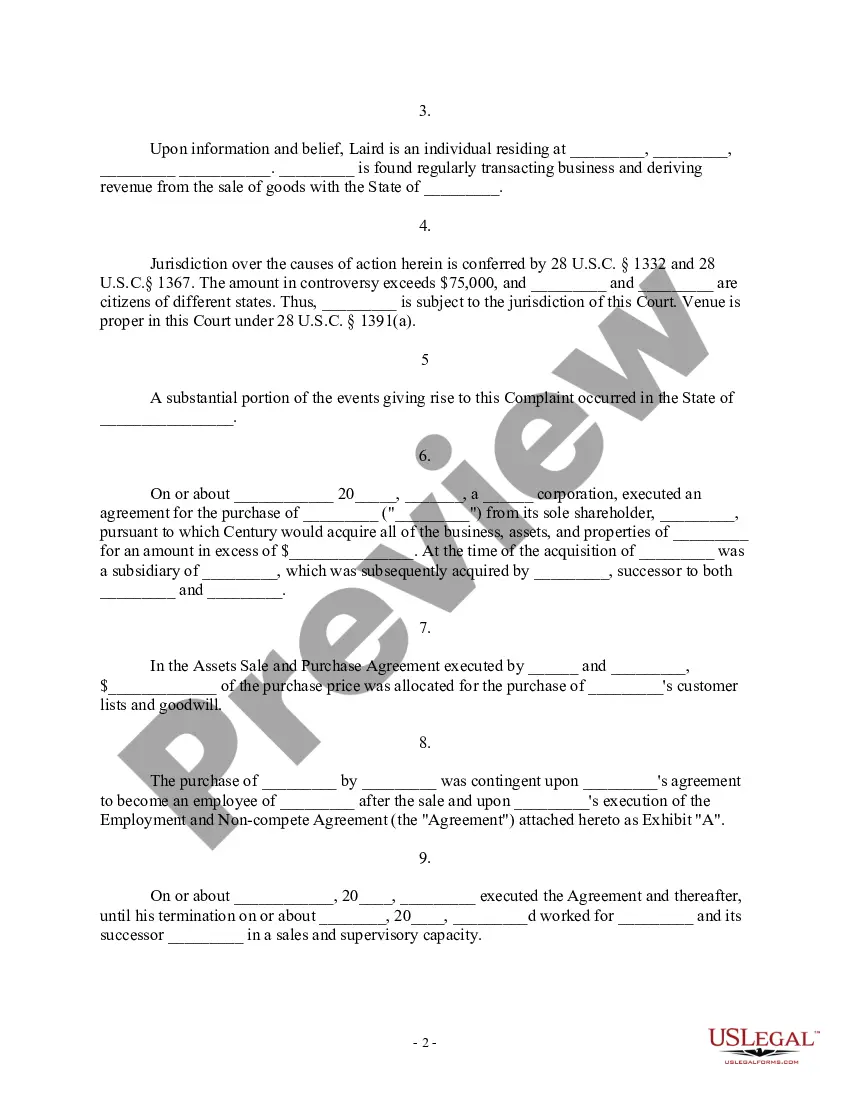
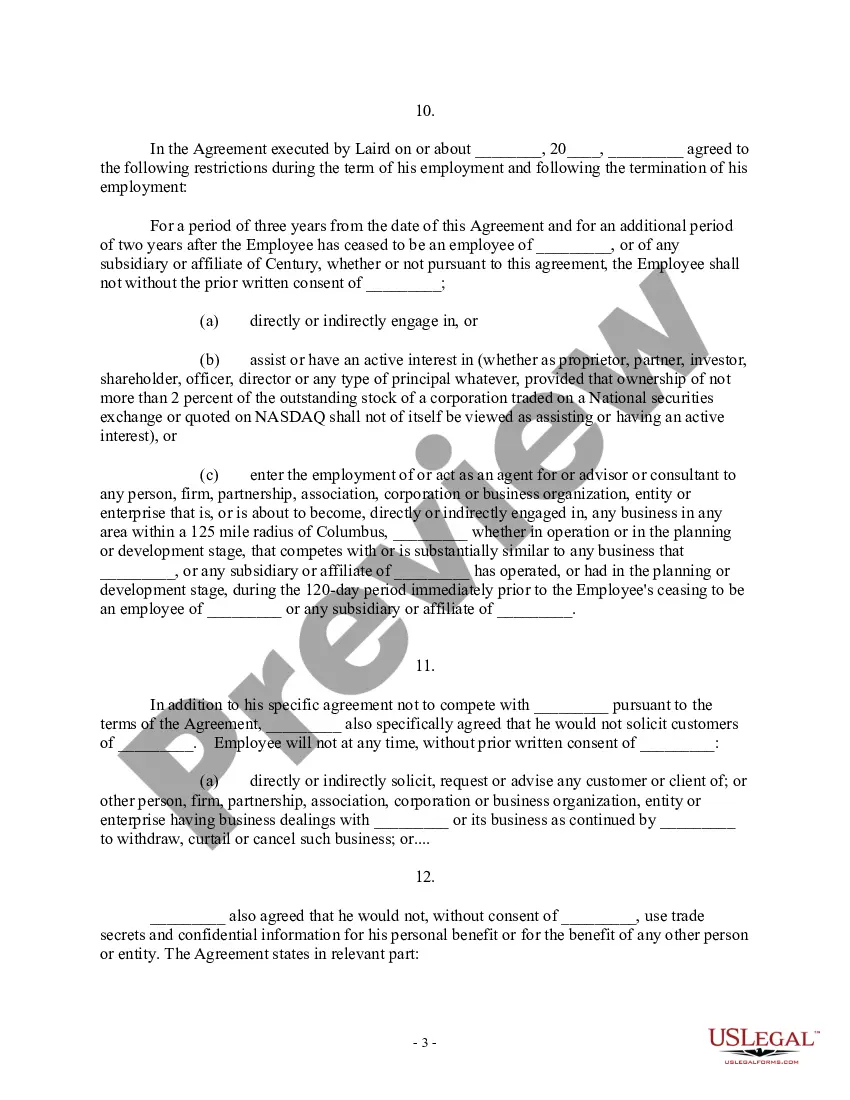
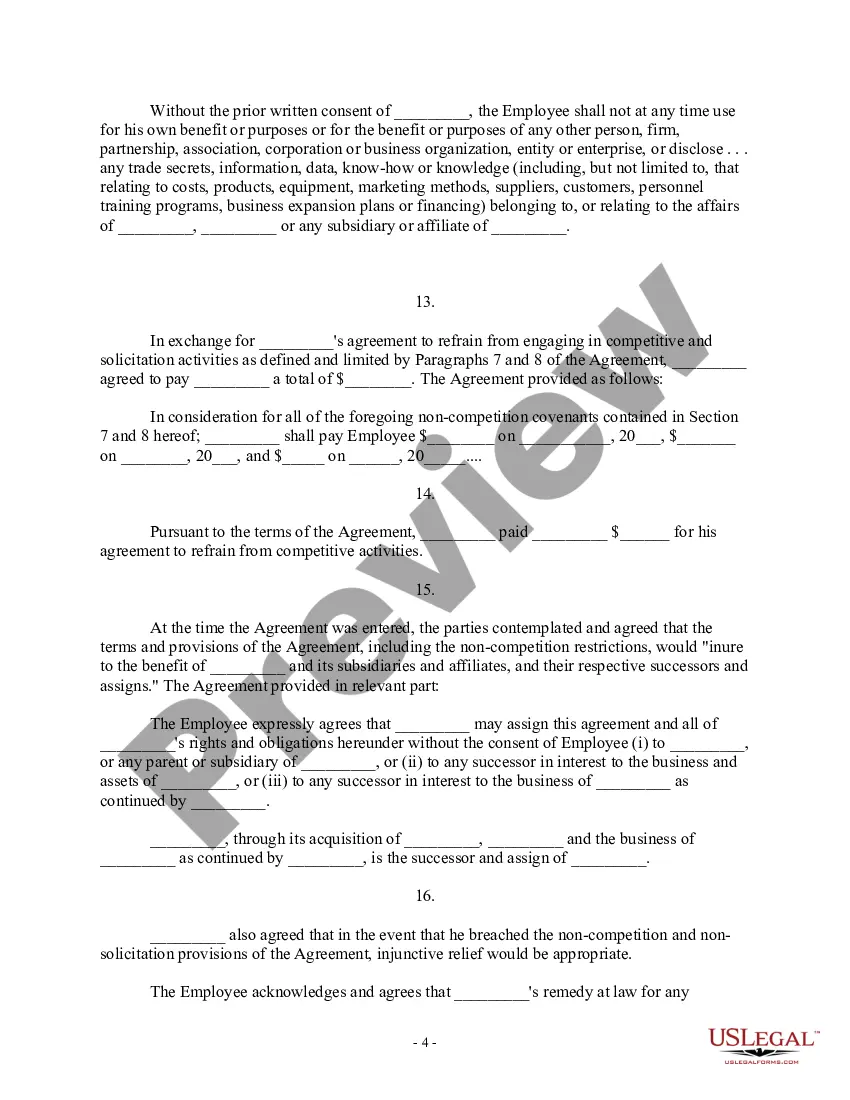
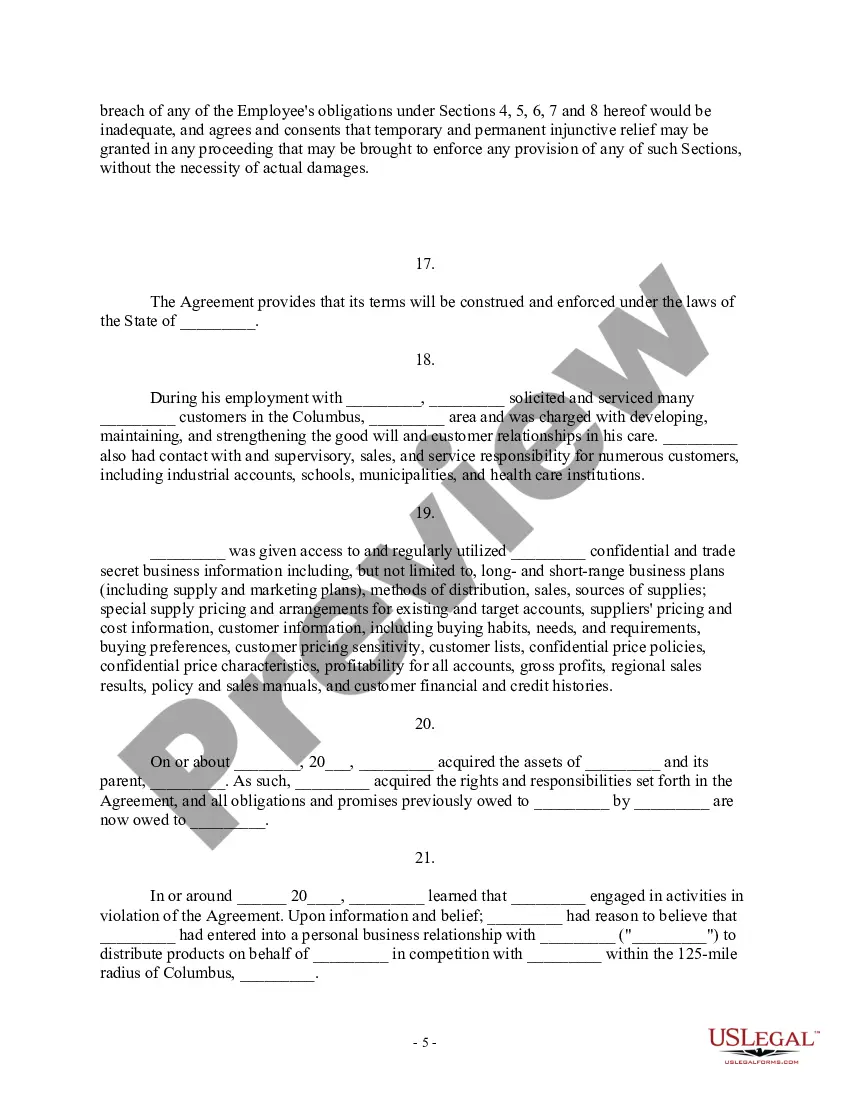
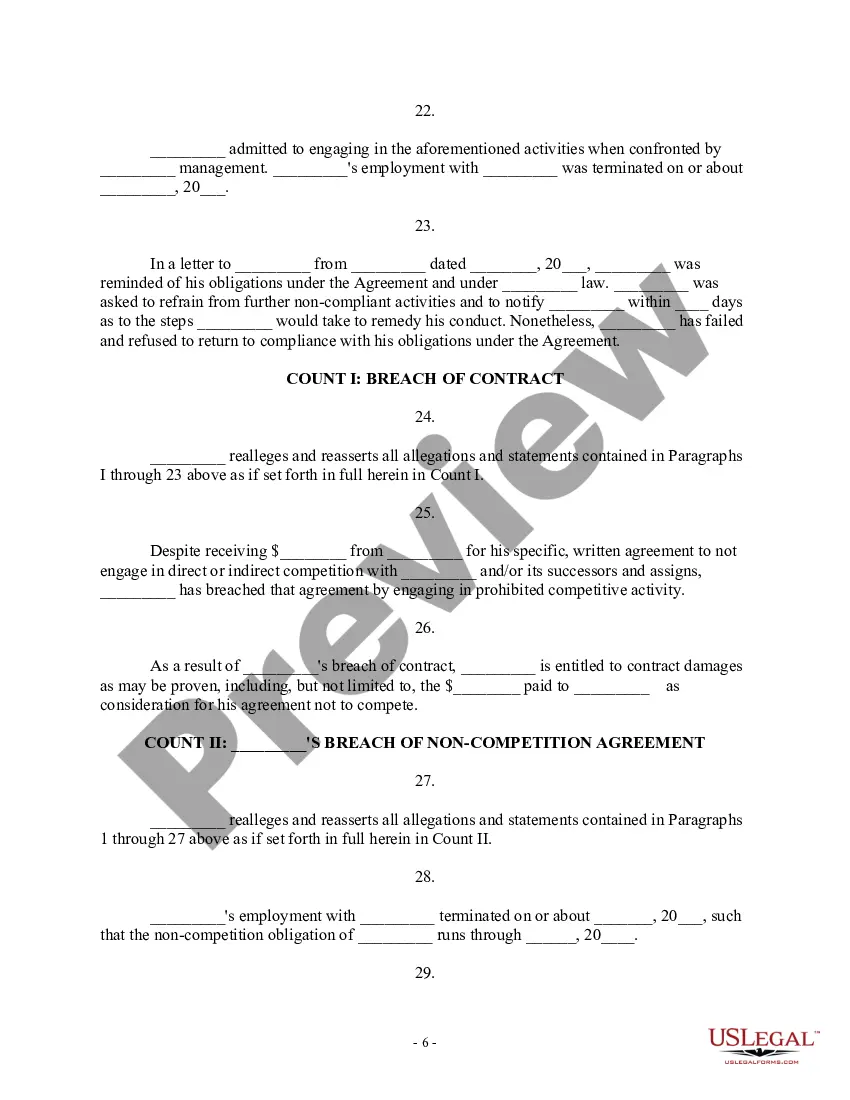
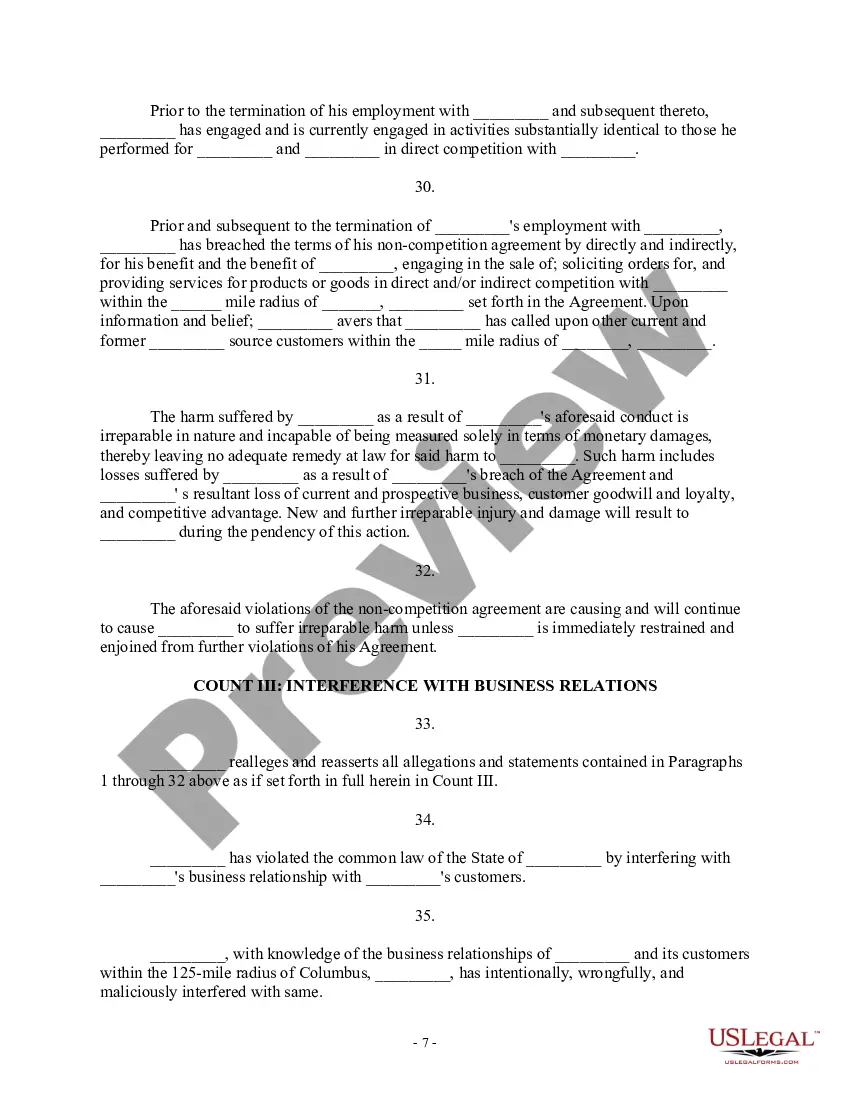
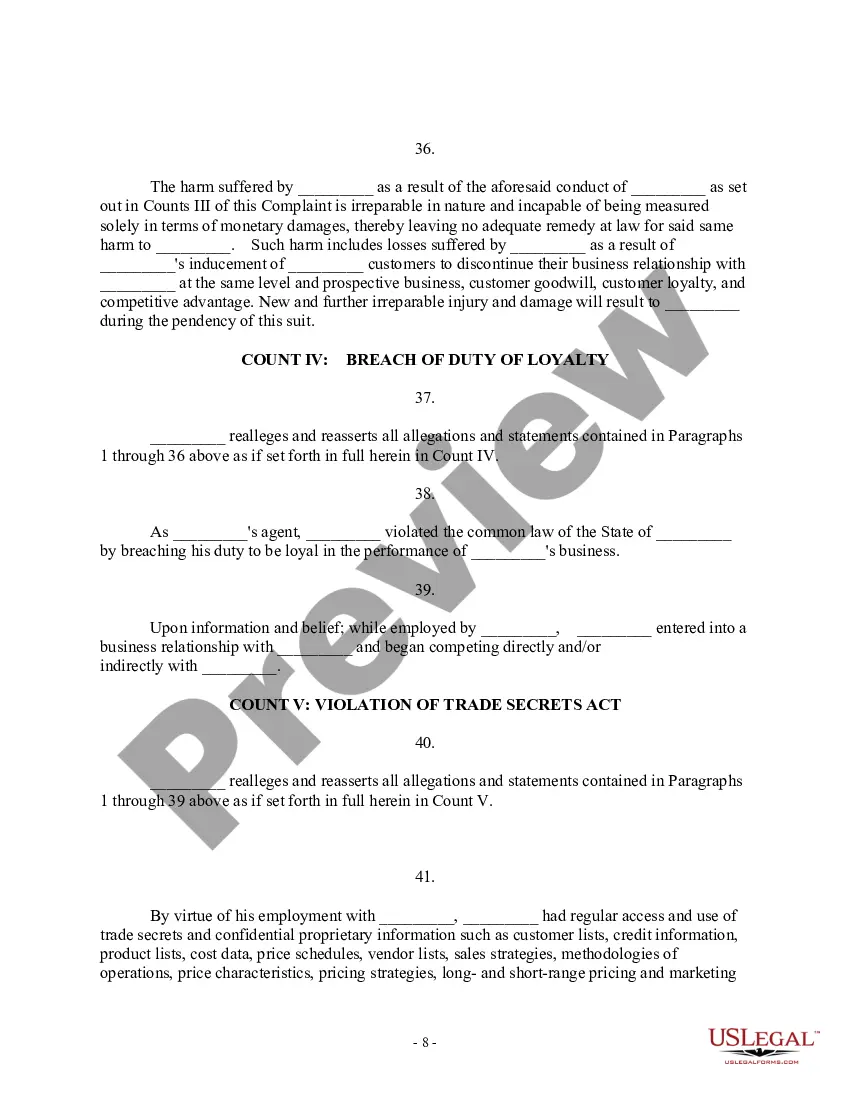
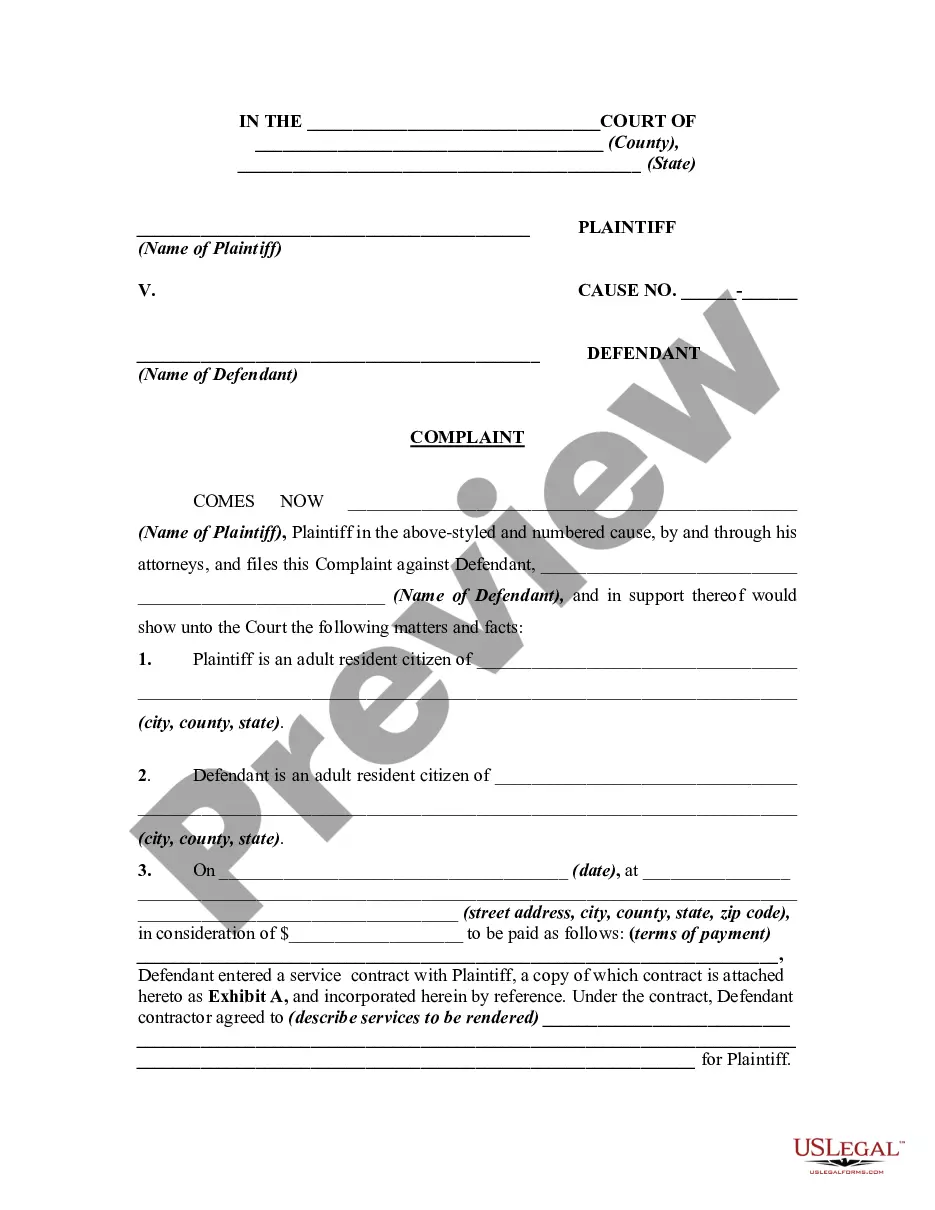

Get your form ready online
Our built-in tools help you complete, sign, share, and store your documents in one place.
Make edits, fill in missing information, and update formatting in US Legal Forms—just like you would in MS Word.
Download a copy, print it, send it by email, or mail it via USPS—whatever works best for your next step.
Sign and collect signatures with our SignNow integration. Send to multiple recipients, set reminders, and more. Go Premium to unlock E-Sign.
If this form requires notarization, complete it online through a secure video call—no need to meet a notary in person or wait for an appointment.
We protect your documents and personal data by following strict security and privacy standards.

Make edits, fill in missing information, and update formatting in US Legal Forms—just like you would in MS Word.

Download a copy, print it, send it by email, or mail it via USPS—whatever works best for your next step.

Sign and collect signatures with our SignNow integration. Send to multiple recipients, set reminders, and more. Go Premium to unlock E-Sign.

If this form requires notarization, complete it online through a secure video call—no need to meet a notary in person or wait for an appointment.

We protect your documents and personal data by following strict security and privacy standards.
Looking for another form?









Form popularity
FAQ
An injunction is a court order prohibiting the defendant from further disclosing or using the proprietary information or trade secret that was the subject of the NDA. NDAs often state that use of information in violation of their terms constitutes “irreparable harm” to the party disclosing the information.
Some examples of cases where parties may seek injunctions include: Theft of clients: Former employees, partners who have left a company, or other parties to business contracts may violate non-compete agreements and attempt to lure clients away from the company.
The injunctive relief clause is a contractual provision that allows a party to seek a court-ordered injunction to prevent the other party from engaging in specific actions that could cause irreparable harm.
Injunctive relief, also known as an injunction , is a court-ordered remedy which restricts a party from committing specific actions or requires a party to complete specific actions.
An agreement may also set out the consequences for a breach of a confidentiality provision (however, this must, for example, adequately reflect the damage suffered; a penalty is not enforceable). Further if damages are inadequate, then an injunction seeking to restrain the breach may be the appropriate solution.
Injunctive relief means that the discloser is able to obtain a preemptive court order preventing the information from being spread. A clause can entitle a party to apply for an injunction to prevent the other party disclosing, or continuing to disclose, the confidential information.
Some jurisdictions may require the party seeking equitable relief to post a bond or other security prior to granting such relief. The purpose of this requirement is to protect the party against which equitable relief is sought in the event it is ultimately determined that such relief was not appropriate.
Indemnity clauses in an NDA often address the consequences of breaching confidentiality in a contract and establish that compensation is required if such a breach occurs.
Examples of situations where the court may approve an ex parte order include, but are not limited to: Writ of possession for property that was stolen. Temporary restraining order where there is immediate danger that property may become unavailable for levy. Correcting a clerical error in a pleading.
New York City ex parte restraining orders or orders of protection are orders issued by a judge while the defendant is not present in court. Ex parte restraining orders can sometimes be the result of harassment offenses, stalking, assault, and sometimes even domestic violence offenses.
