Injunctive Relief For Trespassing In San Jose
Description

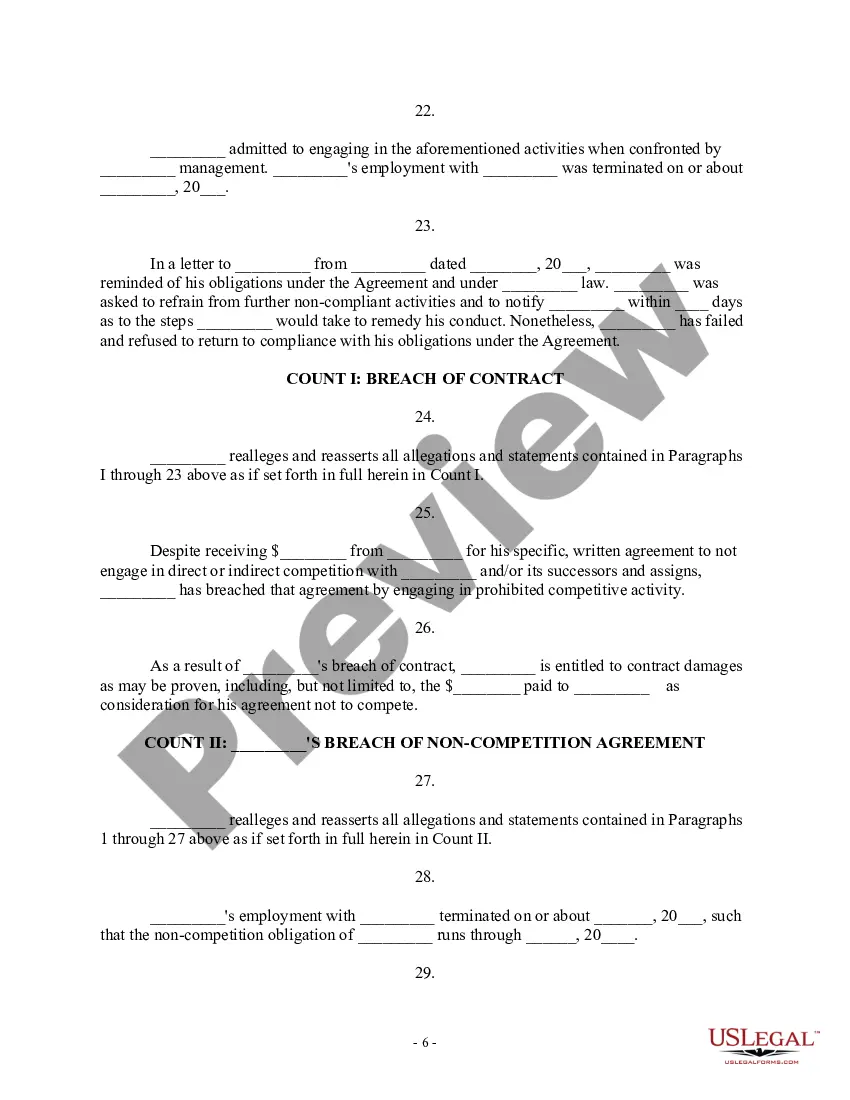
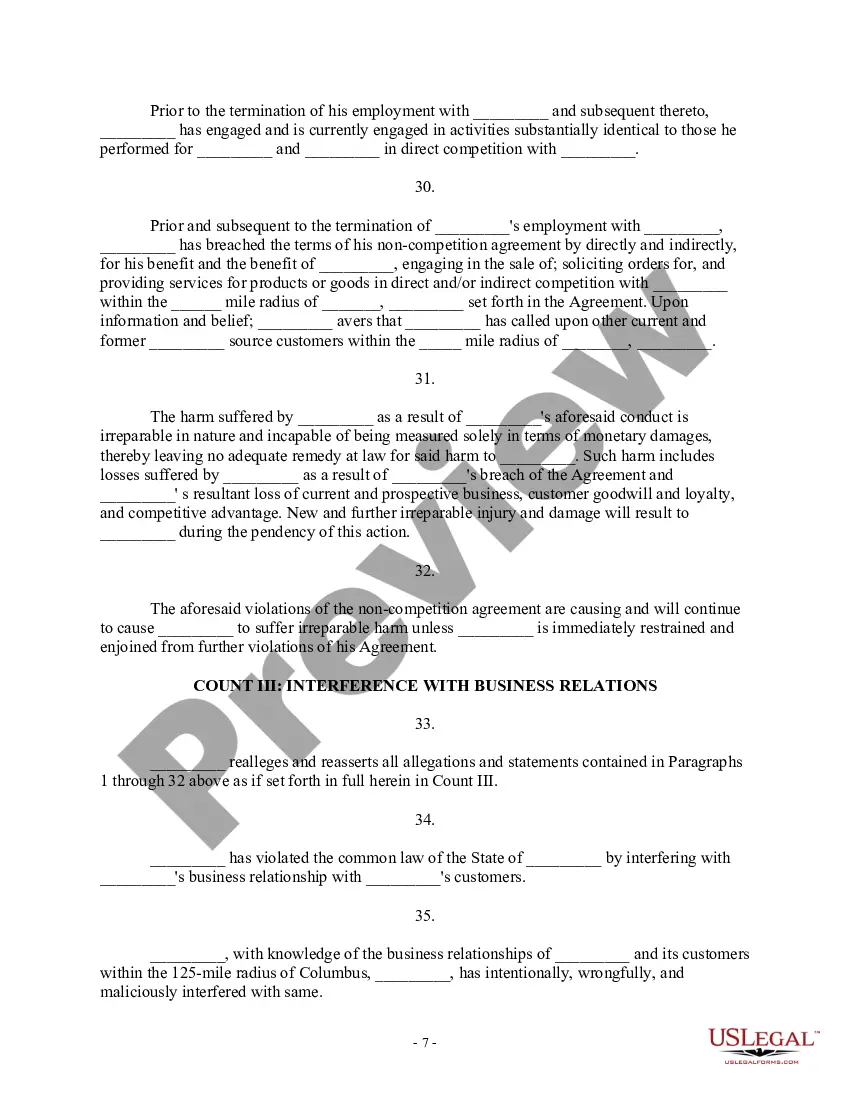
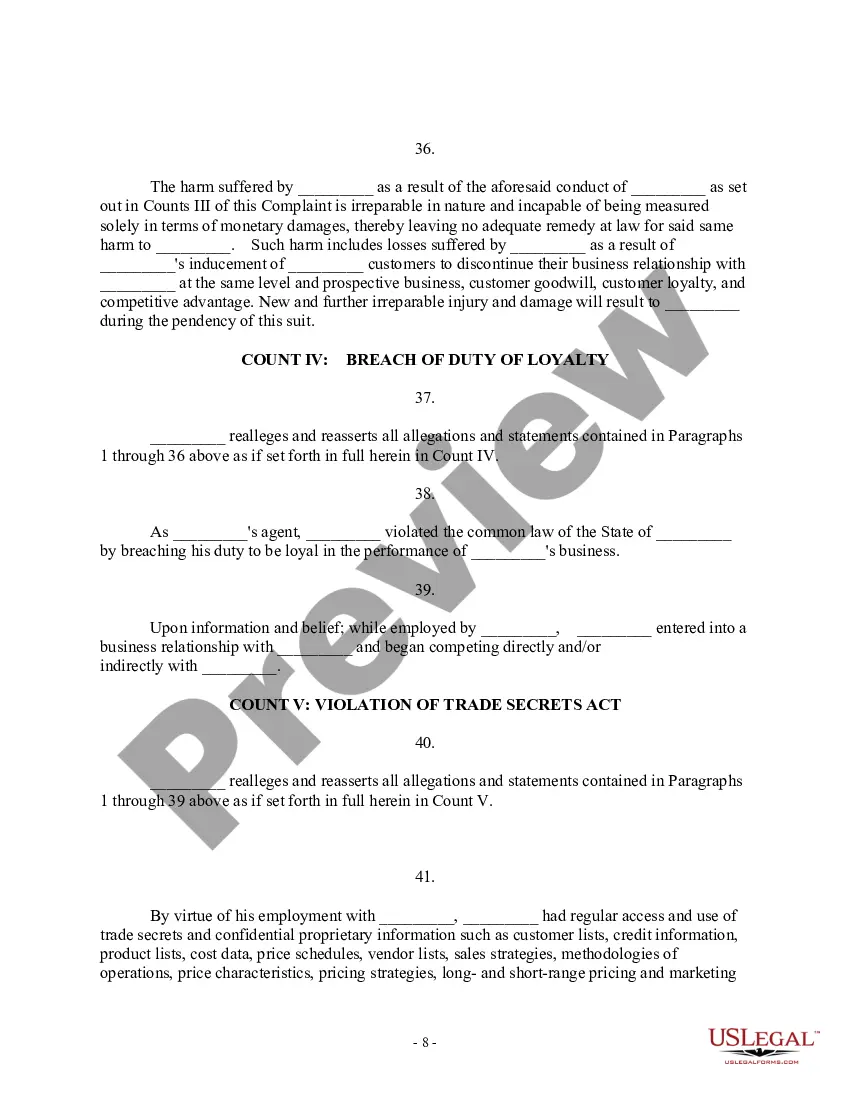

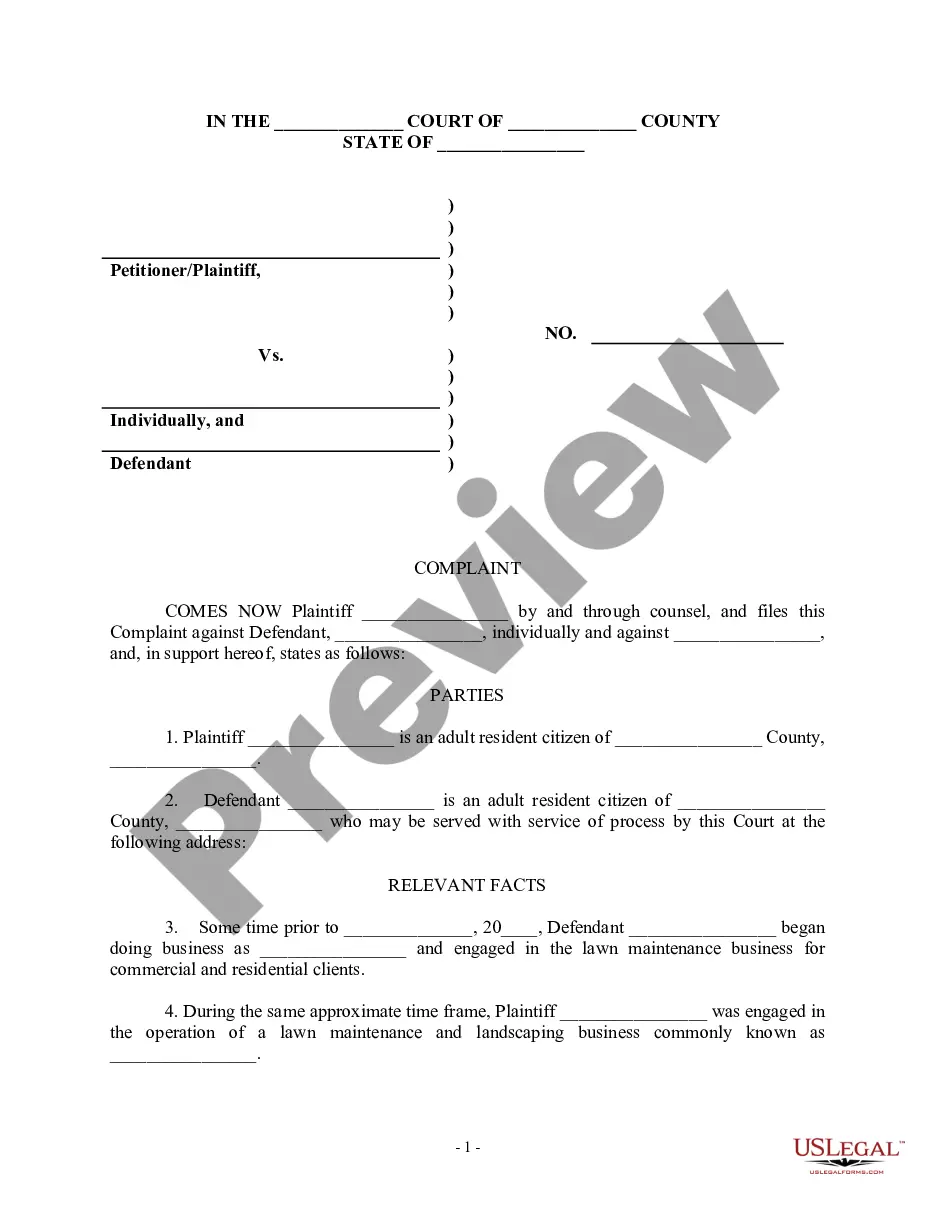



Get your form ready online
Our built-in tools help you complete, sign, share, and store your documents in one place.
Make edits, fill in missing information, and update formatting in US Legal Forms—just like you would in MS Word.
Download a copy, print it, send it by email, or mail it via USPS—whatever works best for your next step.
Sign and collect signatures with our SignNow integration. Send to multiple recipients, set reminders, and more. Go Premium to unlock E-Sign.
If this form requires notarization, complete it online through a secure video call—no need to meet a notary in person or wait for an appointment.
We protect your documents and personal data by following strict security and privacy standards.

Make edits, fill in missing information, and update formatting in US Legal Forms—just like you would in MS Word.

Download a copy, print it, send it by email, or mail it via USPS—whatever works best for your next step.

Sign and collect signatures with our SignNow integration. Send to multiple recipients, set reminders, and more. Go Premium to unlock E-Sign.

If this form requires notarization, complete it online through a secure video call—no need to meet a notary in person or wait for an appointment.

We protect your documents and personal data by following strict security and privacy standards.
Looking for another form?










Form popularity
FAQ
Defenses to criminal trespassing can include lack of intent to trespass, implied permission to be on the property, or reasonable doubt about the property being open to the public at the time.
Penalties If convicted, the defendant could be sentenced to up to six months in jail, a fine of up to $1000, and summary probation to the court with whatever conditions of probation the judge may deem appropriate. Trespassing under California Penal Code Section 602.8 PC is an infraction that is punishable by a fine.
There are different types of trespassing charges in California, and the severity of the charges depends on the circumstances that led to the offense. It can be charged as an infraction, a misdemeanor, or a felony, but most cases of trespass are charged as misdemeanors.
The most common legal defenses against felony trespassing include that your alleged threat was not credible, you didn't intent to cause fear to the person threatened, and you didn't intent to actually carry out the threat when you entered their property or workplace.
If you enter another person's property without a right to or their consent or stay there, you can face trespass charges ing to PEN 602. If the trespass was accidental and you had no intention of harming or interfering with the owner's property, you are innocent of the crime.
Types of Damages for Trespass in California A property owner or tenant has a legal right to get compensation for trespass to his land, and recover the following damages: Loss of market value. Loss of use of the property. Physical injury to the person or to the land.
California law recognizes and respects the sanctity of a person's private property. As a result, it is a crime to enter or remain on another's property without permission. In these instances, a defendant can be charged with trespassing under California Penal Code Section 602 PC.
If someone is trespassing on your property, there are a few things you can do. When in doubt, contact law enforcement before taking any action. If you're comfortable doing so, you may calmly and firmly inform the unwelcome intruder that they are trespassing on private property and ask them to leave.
Steps for Removing Trespassers Know Your Rights. Determine the Intent and Address the Immediate danger. Communicate and Issue a Notice. Understand the Eviction Process. Understand Laws Regarding Self-Defense. Consult with a Law Firm. What is it called when someone refuses to leave your property?
