Injunctive Relief Without Bond In San Bernardino
Description





Get your form ready online
Our built-in tools help you complete, sign, share, and store your documents in one place.
Make edits, fill in missing information, and update formatting in US Legal Forms—just like you would in MS Word.
Download a copy, print it, send it by email, or mail it via USPS—whatever works best for your next step.
Sign and collect signatures with our SignNow integration. Send to multiple recipients, set reminders, and more. Go Premium to unlock E-Sign.
If this form requires notarization, complete it online through a secure video call—no need to meet a notary in person or wait for an appointment.
We protect your documents and personal data by following strict security and privacy standards.

Make edits, fill in missing information, and update formatting in US Legal Forms—just like you would in MS Word.

Download a copy, print it, send it by email, or mail it via USPS—whatever works best for your next step.

Sign and collect signatures with our SignNow integration. Send to multiple recipients, set reminders, and more. Go Premium to unlock E-Sign.

If this form requires notarization, complete it online through a secure video call—no need to meet a notary in person or wait for an appointment.

We protect your documents and personal data by following strict security and privacy standards.
Looking for another form?








Form popularity
FAQ
Common reasons include: Reconciliation or Improved Relationship: If the individuals involved have reconciled, or if they believe they can safely resume contact without fear of harm, the protected party might request the order be canceled.
A school violence restraining order, pursuant to California Code of Civil Procedure section 527.85, can be sought when there is reasonable proof that a student has suffered a credible threat of violence made off campus, and great or irreparable harm would result to the student.
(a) A preliminary injunction may be granted at any time before judgment upon a verified complaint, or upon affidavits if the complaint in the one case, or the affidavits in the other, show satisfactorily that sufficient grounds exist therefor.
Preliminary injunctions and bonds. A party requesting a preliminary injunction may give notice of the request to the opposing or responding party either by serving a noticed motion under Code of Civil Procedure section 1005 or by obtaining and serving an order to show cause (OSC).
An injunction is a writ or order requiring a person to refrain from a particular act.
Penal Code 527 PC is the California statute that makes it a crime for a person to sell, offer to sell, print, publish or distribute a court order.
Generally, injunctive relief is only available when there is no other adequate remedy available and irreparable harm will result if the relief is not granted.
The California Code of Civil Procedure (CCP-527) covers both preliminary injunctions and temporary restraining orders. A party seeking a preliminary injunction or temporary restraining order may be required to post a bond, which is even more likely with a preliminary injunction.
The party seeking a preliminary injunctive relief must demonstrate: (1) irreparable injury in the absence of such an order; (2) that the threatened injury to the moving party outweighs the harm to the opposing party resulting from the order; (3) that the injunction is not adverse to public interest; and (4) that the ...
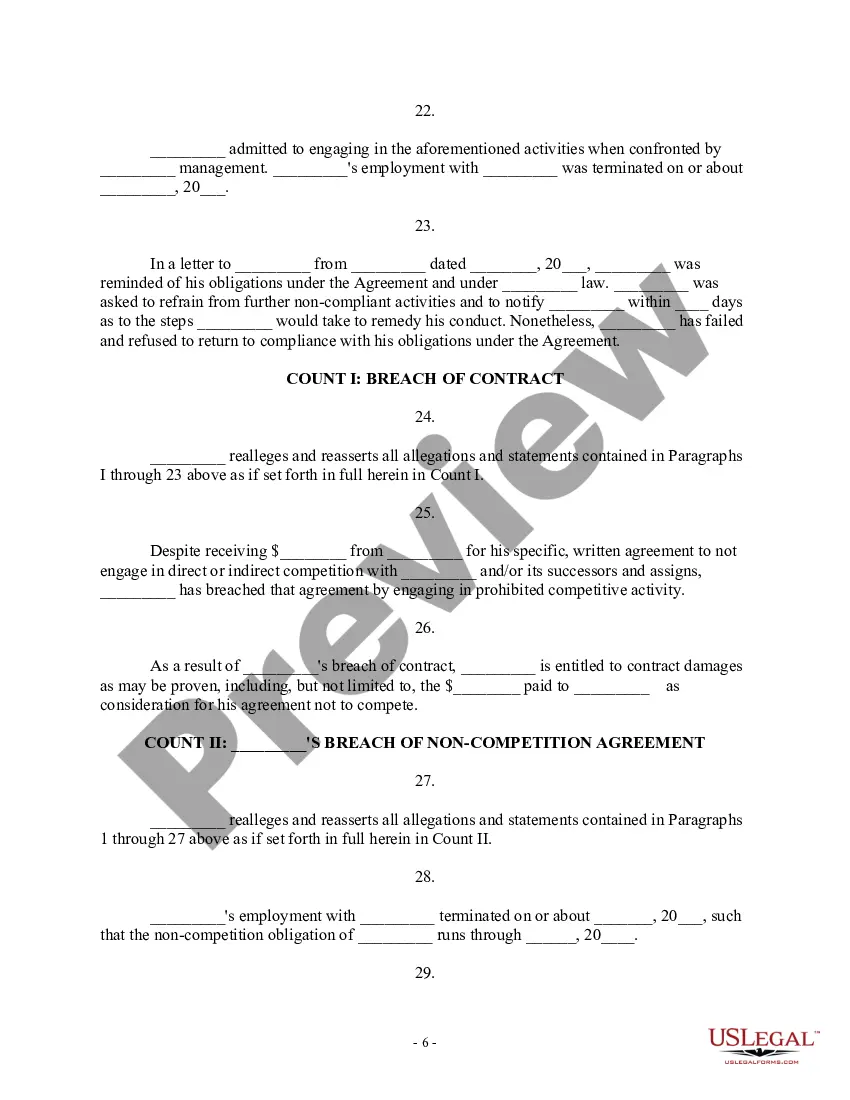
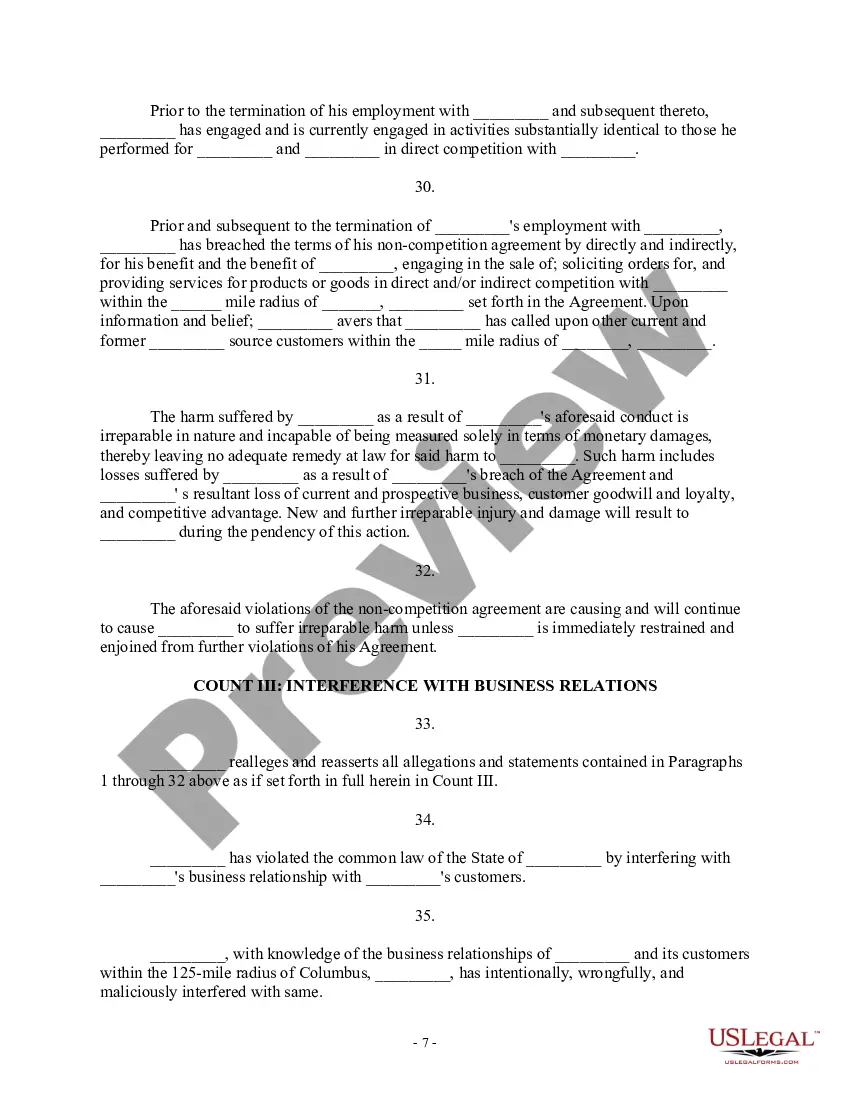
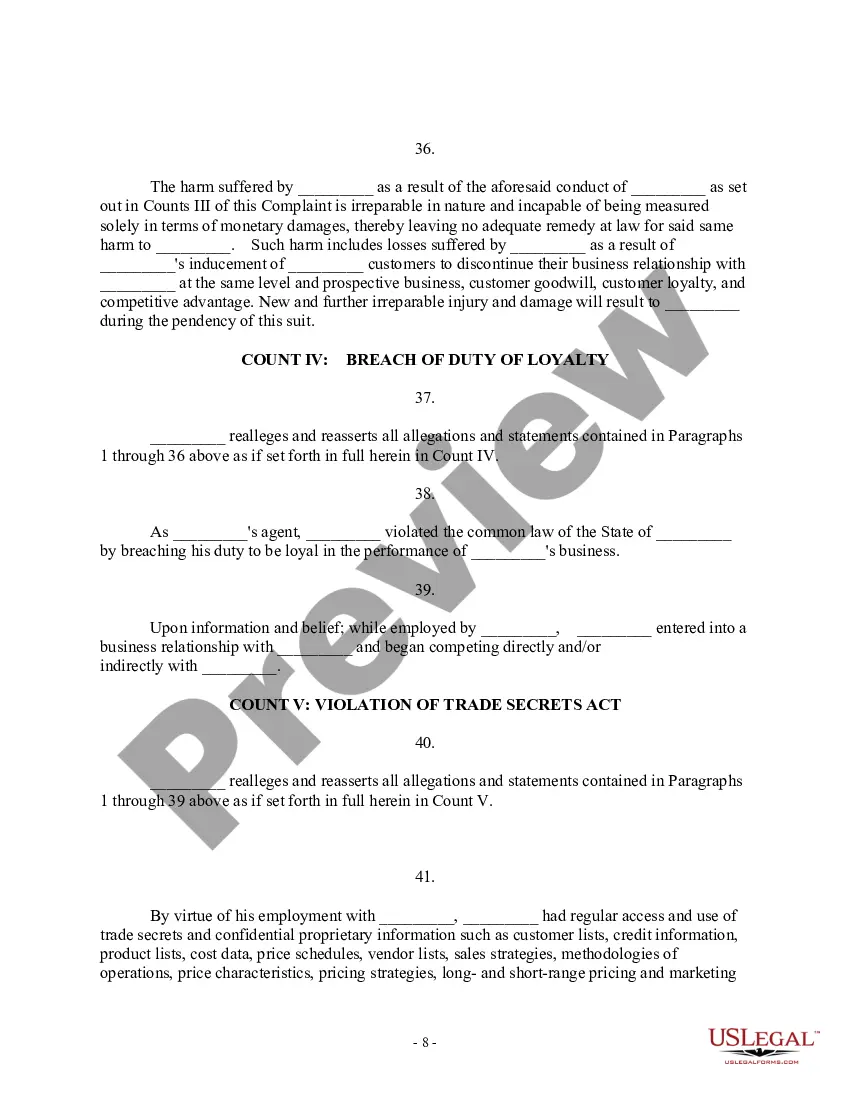
The plaintiff has the burden of proving that the defendant has breached the contract and that injunctive relief is necessary to prevent further harm. The plaintiff must also prove that the harm caused by the breach cannot be adequately compensated through monetary damages alone.
