Complaint Prayer For Relief In Orange
Description





Get your form ready online
Our built-in tools help you complete, sign, share, and store your documents in one place.
Make edits, fill in missing information, and update formatting in US Legal Forms—just like you would in MS Word.
Download a copy, print it, send it by email, or mail it via USPS—whatever works best for your next step.
Sign and collect signatures with our SignNow integration. Send to multiple recipients, set reminders, and more. Go Premium to unlock E-Sign.
If this form requires notarization, complete it online through a secure video call—no need to meet a notary in person or wait for an appointment.
We protect your documents and personal data by following strict security and privacy standards.

Make edits, fill in missing information, and update formatting in US Legal Forms—just like you would in MS Word.

Download a copy, print it, send it by email, or mail it via USPS—whatever works best for your next step.

Sign and collect signatures with our SignNow integration. Send to multiple recipients, set reminders, and more. Go Premium to unlock E-Sign.

If this form requires notarization, complete it online through a secure video call—no need to meet a notary in person or wait for an appointment.

We protect your documents and personal data by following strict security and privacy standards.
Looking for another form?




Form popularity
FAQ
Anonymous complaints may also be reported by calling (714) 744-5555. 300 E. Chapman Ave. For general inquiries, please submit a contact form.
Complaints can be made during normal business hours at most of our stations located throughout the county. If this is impractical, you may telephone the Internal Investigations Unit at (714) 834-5548. After normal business hours, complaints can be made to the Sheriff's Department Commander at (714) 647-7000.
Most of all, filing a complaint may lead to a fair hearing of your grievances and to your getting the action you want.
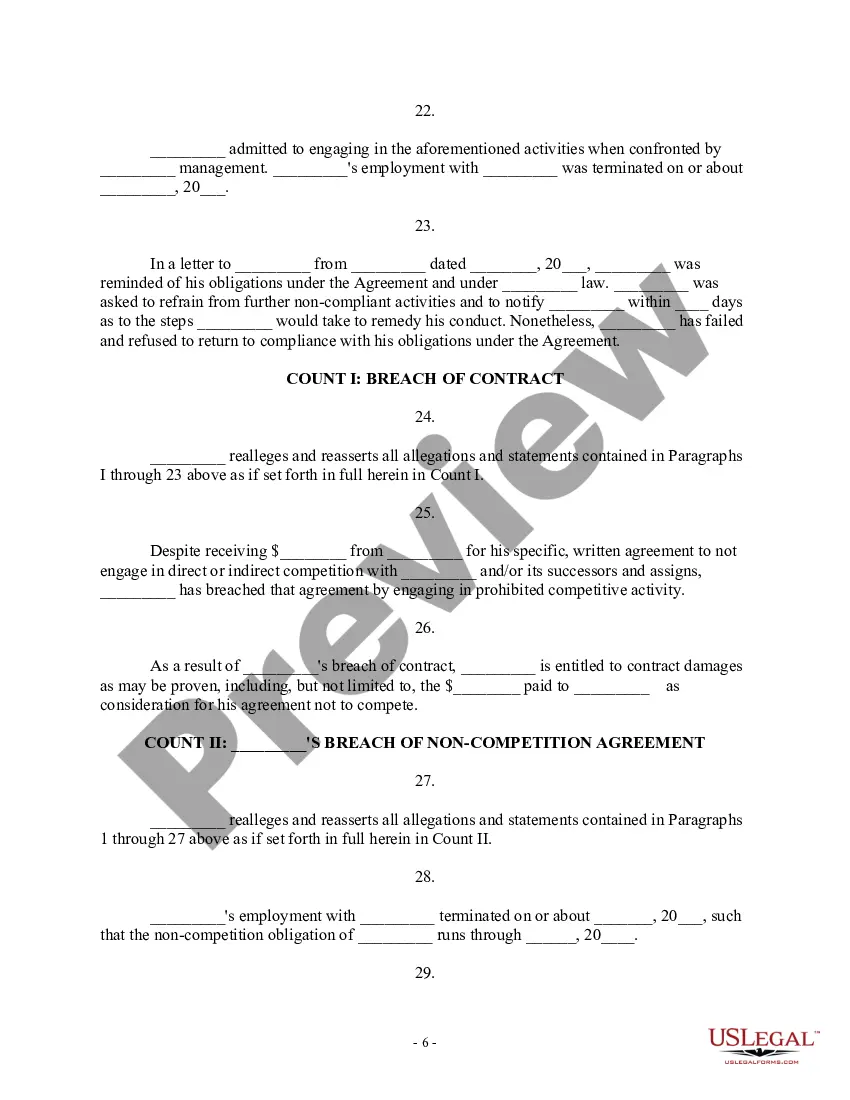
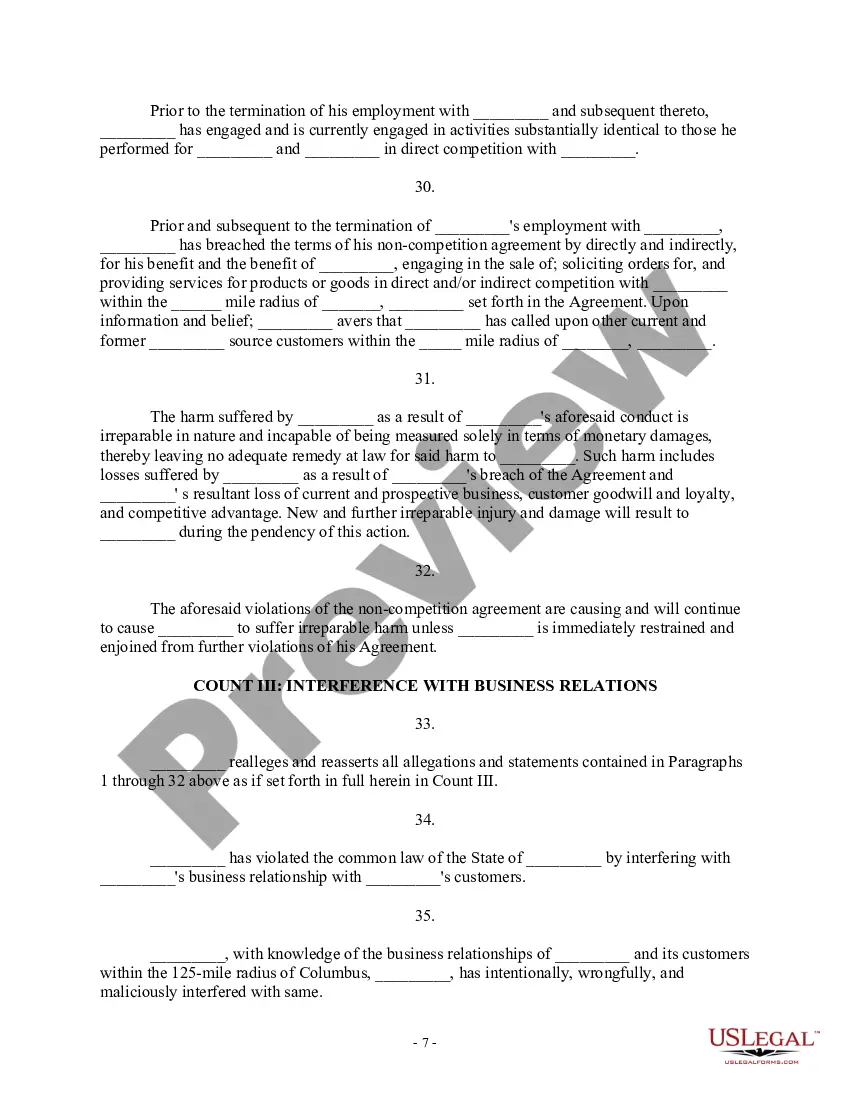
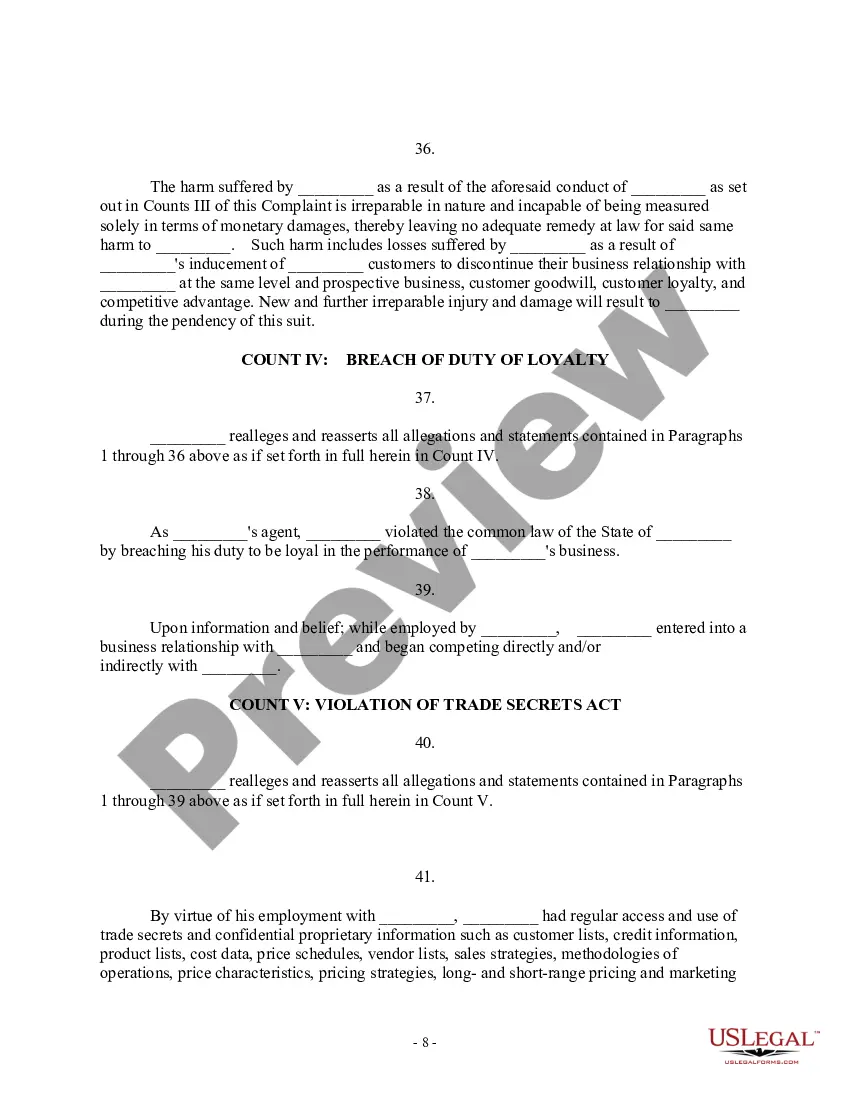
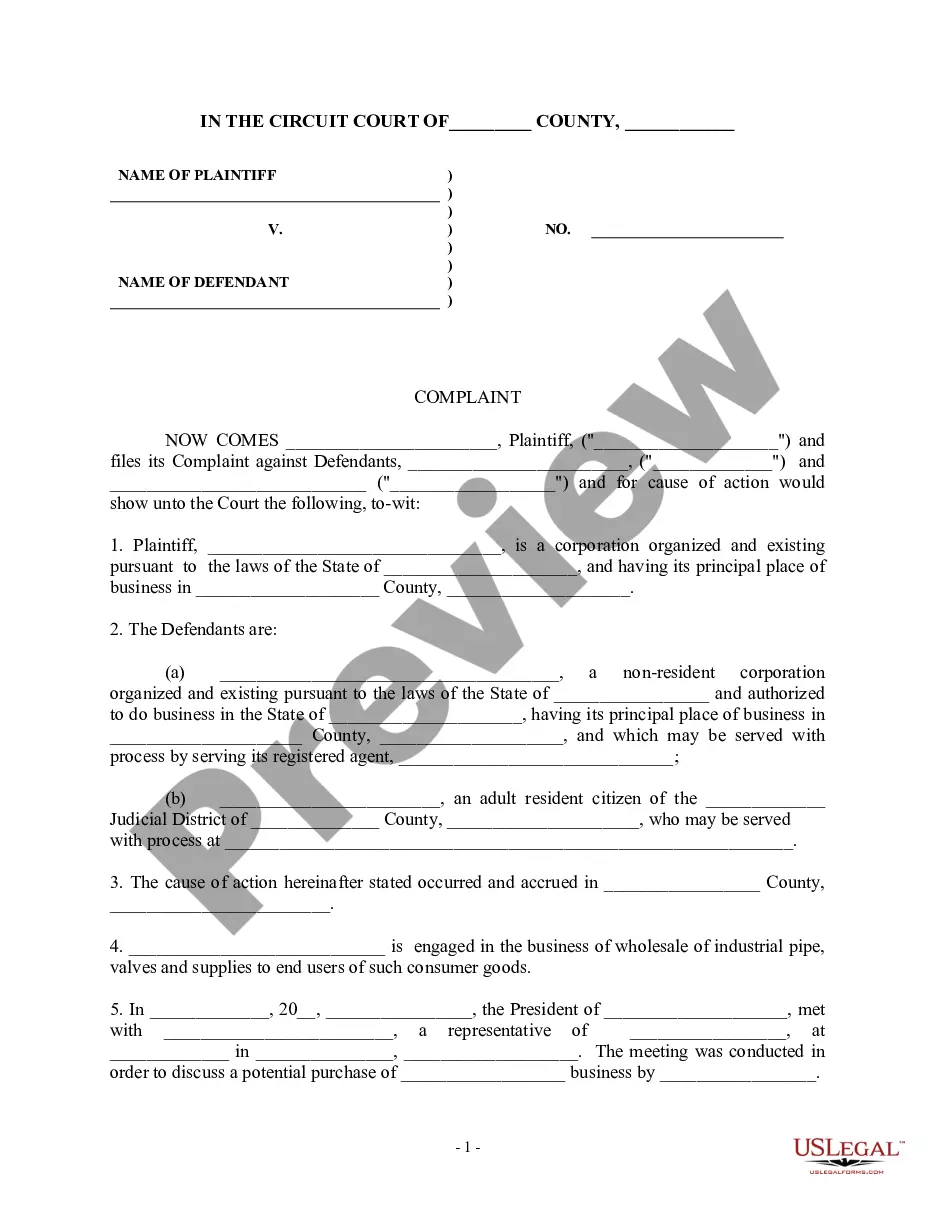
The prayer for relief is the part of complaint where a plaintiff states the damages or other remedies it is seeking from the court in a lawsuit. Federal Rules of Civil Procedure 8(a)(3) requires that a plaintiff's pleadings contains a prayer for relief. The prayer is often located at the end of the complaint.
Call 3-1-1. Describe the situation you observe and provide an address. It's best to specify if the violation is more likely to occur at certain times of the day or during the week. The County also has a 3-1-1 mobile app on which you can report code enforcement issues.
A prayer for relief, in the law of civil procedure, is a portion of a complaint in which the plaintiff describes the remedies that the plaintiff seeks from the court.
In your complaint, state the facts as you view them, why you feel entitled to relief, and how the company can make amends. Keep your request reasonable. For example, don't ask for a full refund on a home improvement project if four out of five tasks were performed correctly.
In such cases, a party may seek relief to protect or enforce their legal rights even in the absence of a direct injury. For example, relief can be sought through a declaratory judgment, where a court is asked to determine the legal rights or status of parties without ordering any specific action or awarding damages.
Your answer should include the court name, case name, case number, and your affirmative defenses. Print three copies of your answer. File one with the clerk's office and mail (or “serve”) one to the plaintiff or plaintiff's attorney. The plaintiff is the debt collector, creditor, or law firm suing you.
The prayer for relief is the part of complaint where a plaintiff states the damages or other remedies it is seeking from the court in a lawsuit. Federal Rules of Civil Procedure 8(a)(3) requires that a plaintiff's pleadings contains a prayer for relief. The prayer is often located at the end of the complaint.
