Injunctive Relief Agreement Without Posting Bond In Ohio
Description

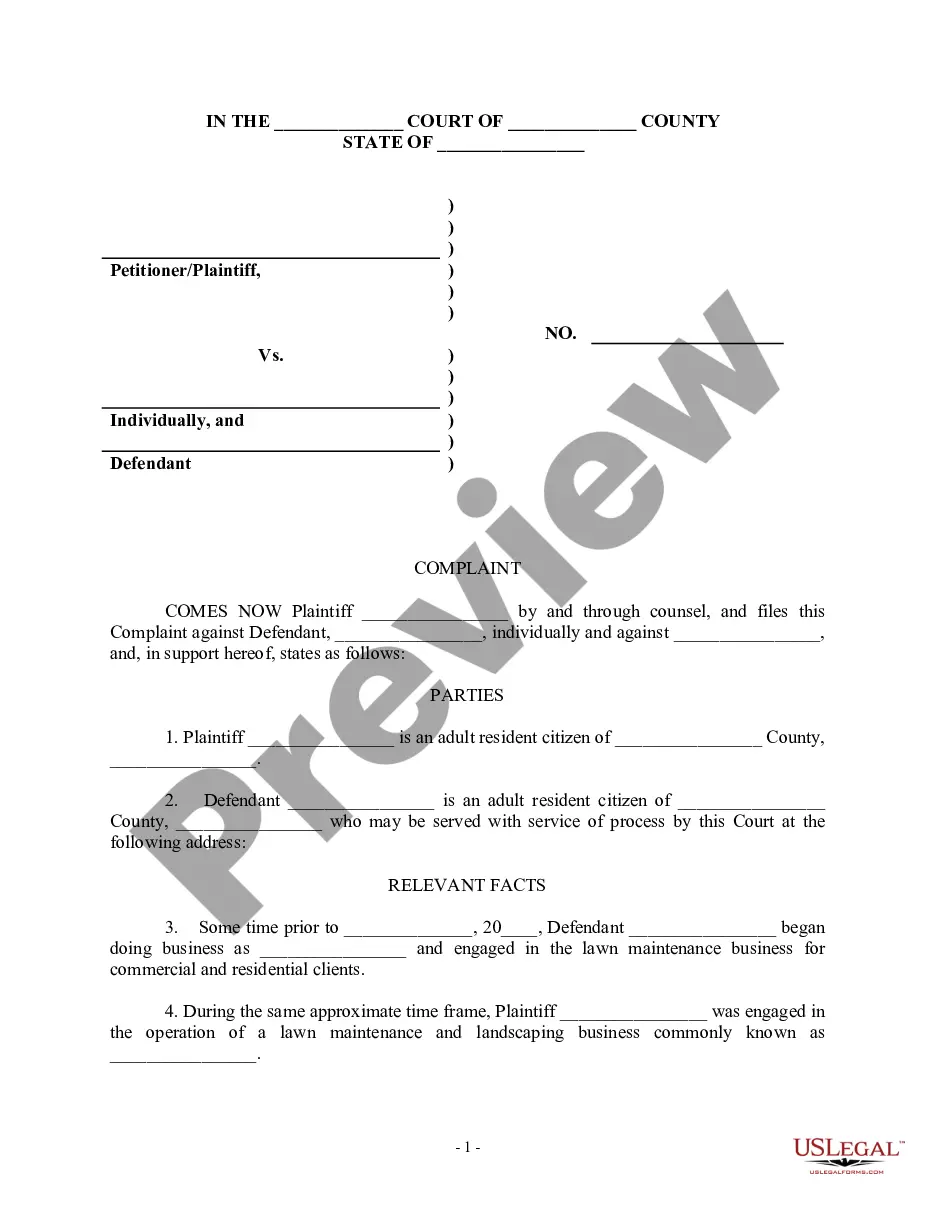
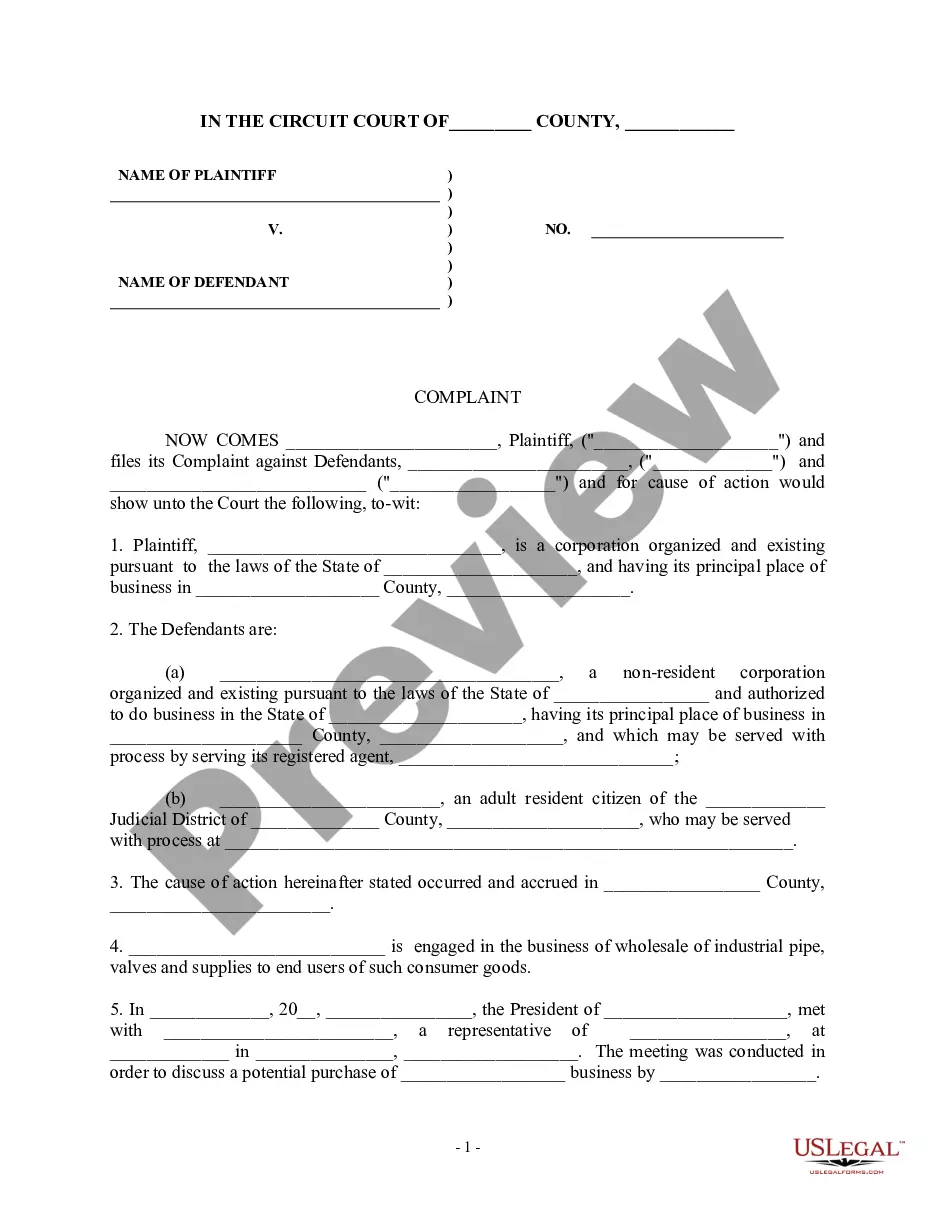

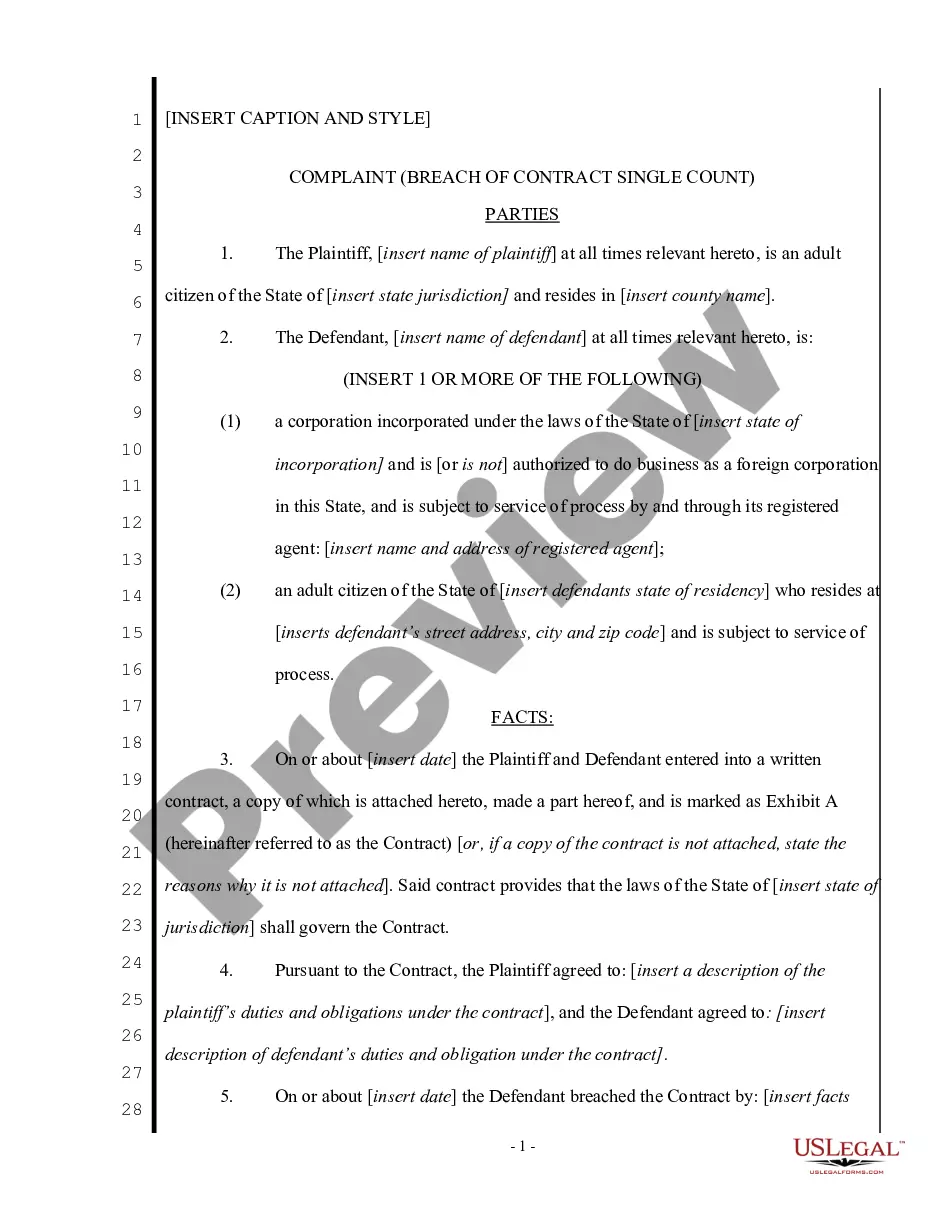
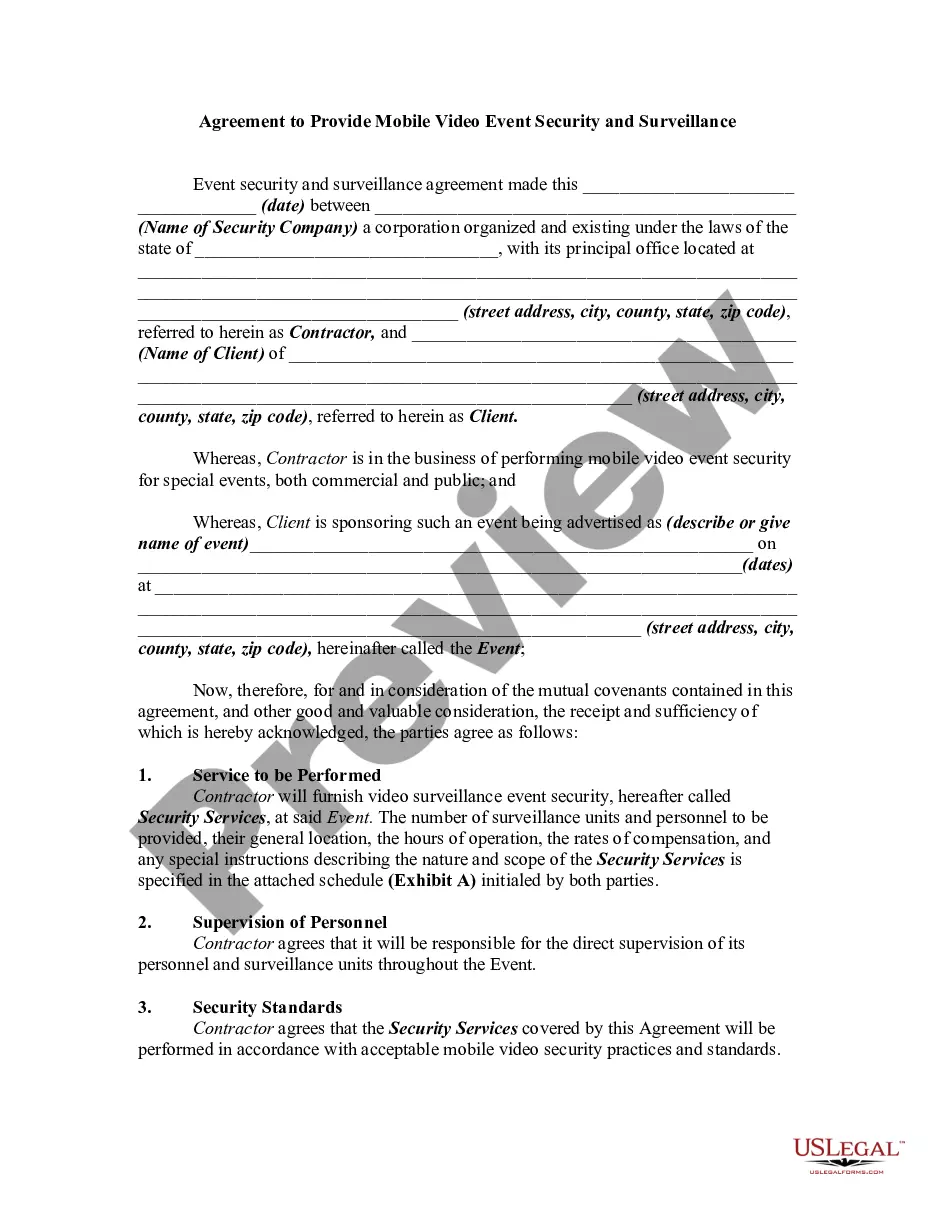
Get your form ready online
Our built-in tools help you complete, sign, share, and store your documents in one place.
Make edits, fill in missing information, and update formatting in US Legal Forms—just like you would in MS Word.
Download a copy, print it, send it by email, or mail it via USPS—whatever works best for your next step.
Sign and collect signatures with our SignNow integration. Send to multiple recipients, set reminders, and more. Go Premium to unlock E-Sign.
If this form requires notarization, complete it online through a secure video call—no need to meet a notary in person or wait for an appointment.
We protect your documents and personal data by following strict security and privacy standards.

Make edits, fill in missing information, and update formatting in US Legal Forms—just like you would in MS Word.

Download a copy, print it, send it by email, or mail it via USPS—whatever works best for your next step.

Sign and collect signatures with our SignNow integration. Send to multiple recipients, set reminders, and more. Go Premium to unlock E-Sign.

If this form requires notarization, complete it online through a secure video call—no need to meet a notary in person or wait for an appointment.

We protect your documents and personal data by following strict security and privacy standards.
Looking for another form?








Form popularity
FAQ
After a nonjury trial, the court may, on motion for a new trial, open the judgment if one has been entered, take additional testimony, amend findings of fact and conclusions of law or make new ones, and direct the entry of a new judgment.
R. 11 governs the signing of pleadings, motions and other documents. For a “willful” violation of this rule, an attorney or pro se party, upon motion of a party or upon the court's own motion, may be subjected to appropriate action, including an award to the opposing party of expenses and reasonable attorney fees.
Section 2737.20 | Injunctive relief. In addition to, or in lieu of, any other relief available under sections 2737.01 to 2737.19 of the Revised Code, the court may grant a temporary restraining order, preliminary injunction, or permanent injunction in ance with the Rules of Civil Procedure.
Ohio Civil Rule 60 allows a party to seek relief from a judgment or order. Mistakes, and (B) Mistakes; inadvertence; excusable neglect; newly discovered evidence, fraud, etc. Works.
Ohio Civil Rule 60 allows a party to seek relief from a judgment or order. Mistakes, and (B) Mistakes; inadvertence; excusable neglect; newly discovered evidence, fraud, etc.
The "Rule of 60" is a guideline often used in retirement plans, where an employee becomes eligible for a pension or early retirement benefits once their age combined with years of service equals 60. This rule aims to reward long-serving employees by allowing them to retire earlier with full or partial benefits.
Civil Rule 45 (C) Protection of persons subject to subpoenas. (1) A party or an attorney responsible for the issuance and service of a subpoena shall take reasonable steps to avoid imposing undue burden or expense on a person subject to that subpoena.
In many cases, a contract will include an injunctive relief clause stating that one or both parties are entitled to relief to prevent them from suffering harm due to a breach of contract.
To warrant preliminary injunctive relief, the moving party must show (1) a substantial likelihood of success on the merits, (2) that it would suffer irrepa- rable injury if the injunction were not granted, (3) that an injunction would not substantially injure other interested parties, and (4) that the public interest ...
A preliminary injunction bond is generally required to be posted by the plaintiff in a court case when a plaintiff wants to prevent the other party (the defendant) from a certain action. This type of bond indemnifies the defendant against loss if it is determined that the injunction should not have been granted.
