Damages For Wrongful Injunction In Nassau
Description

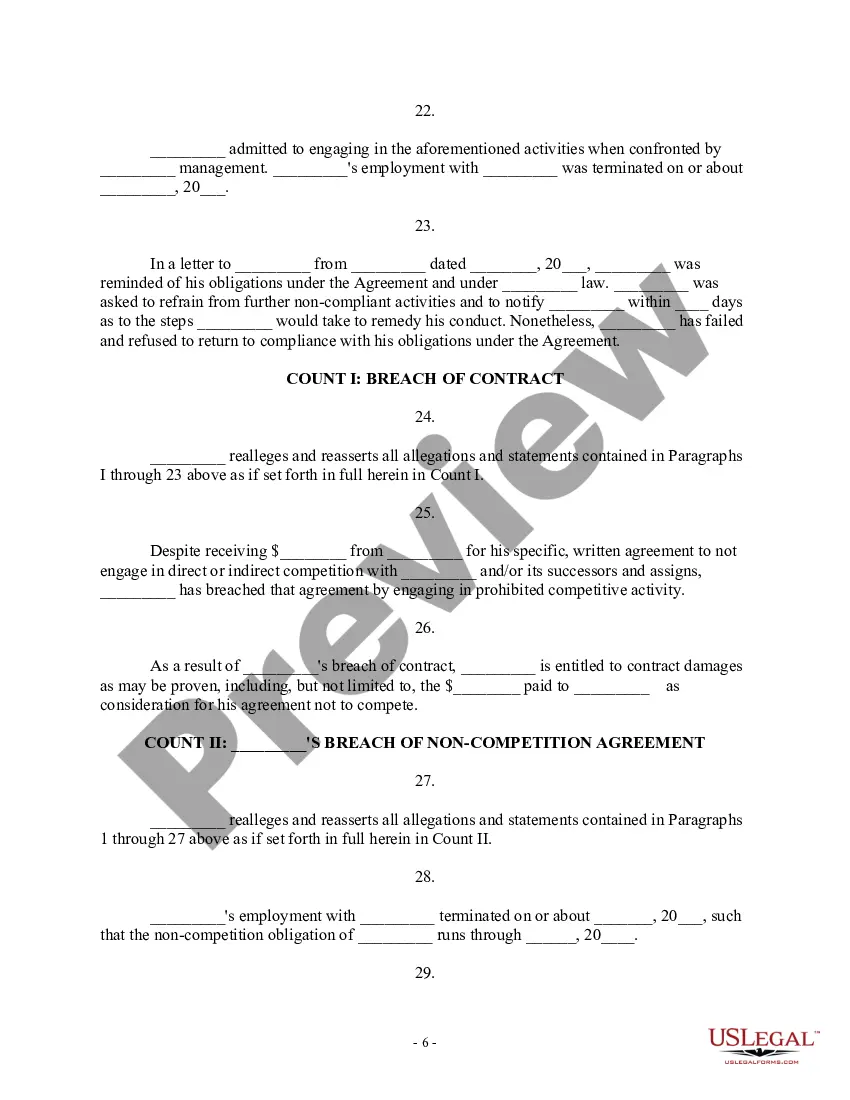
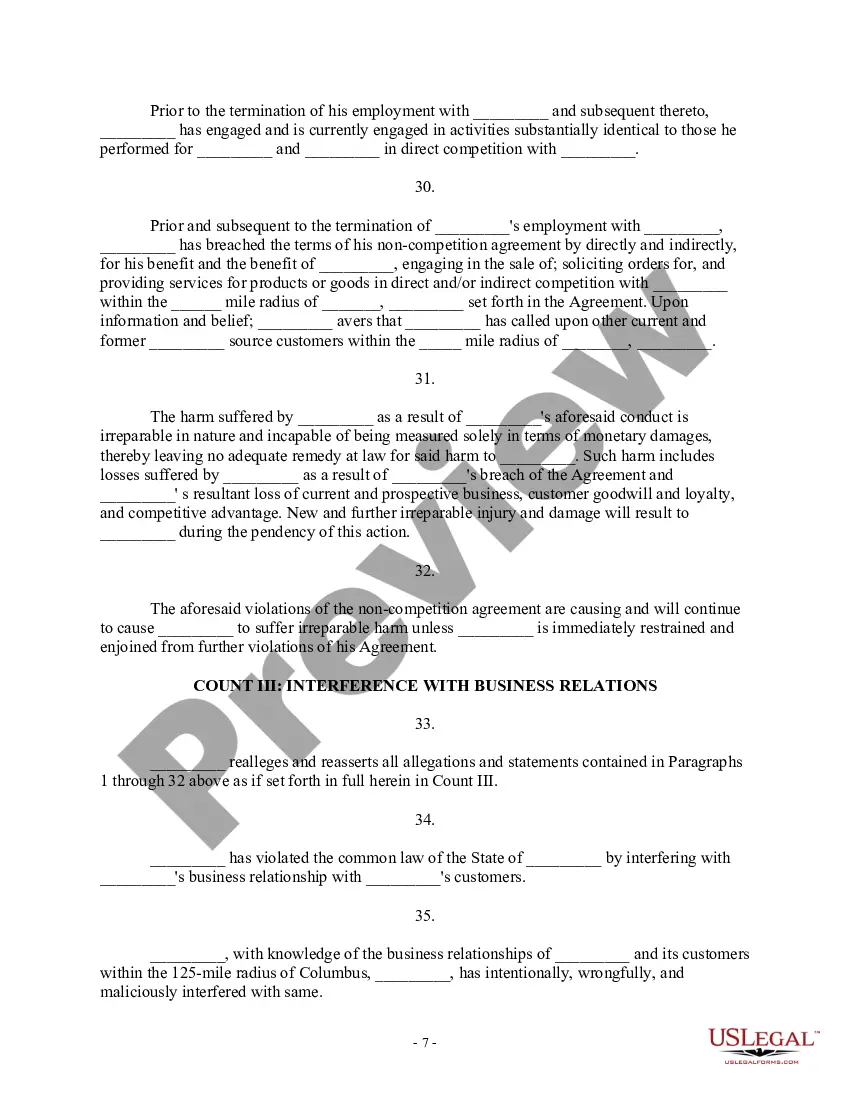
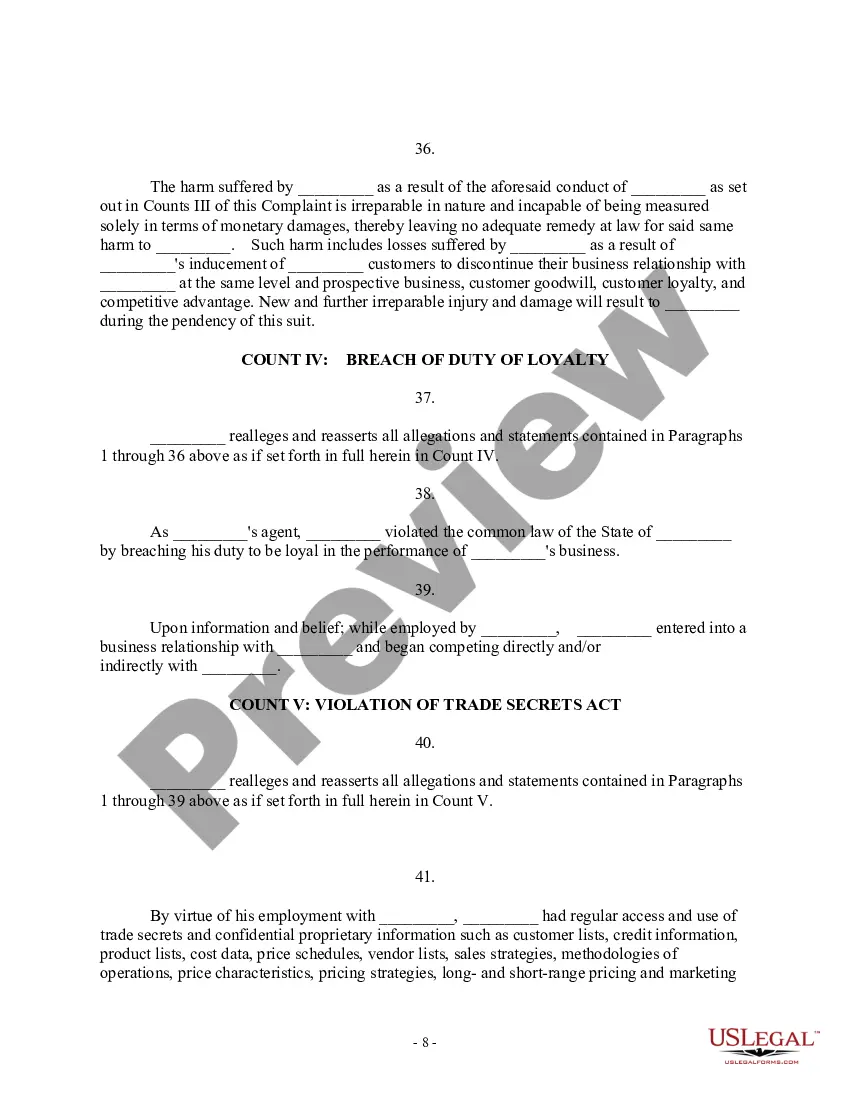


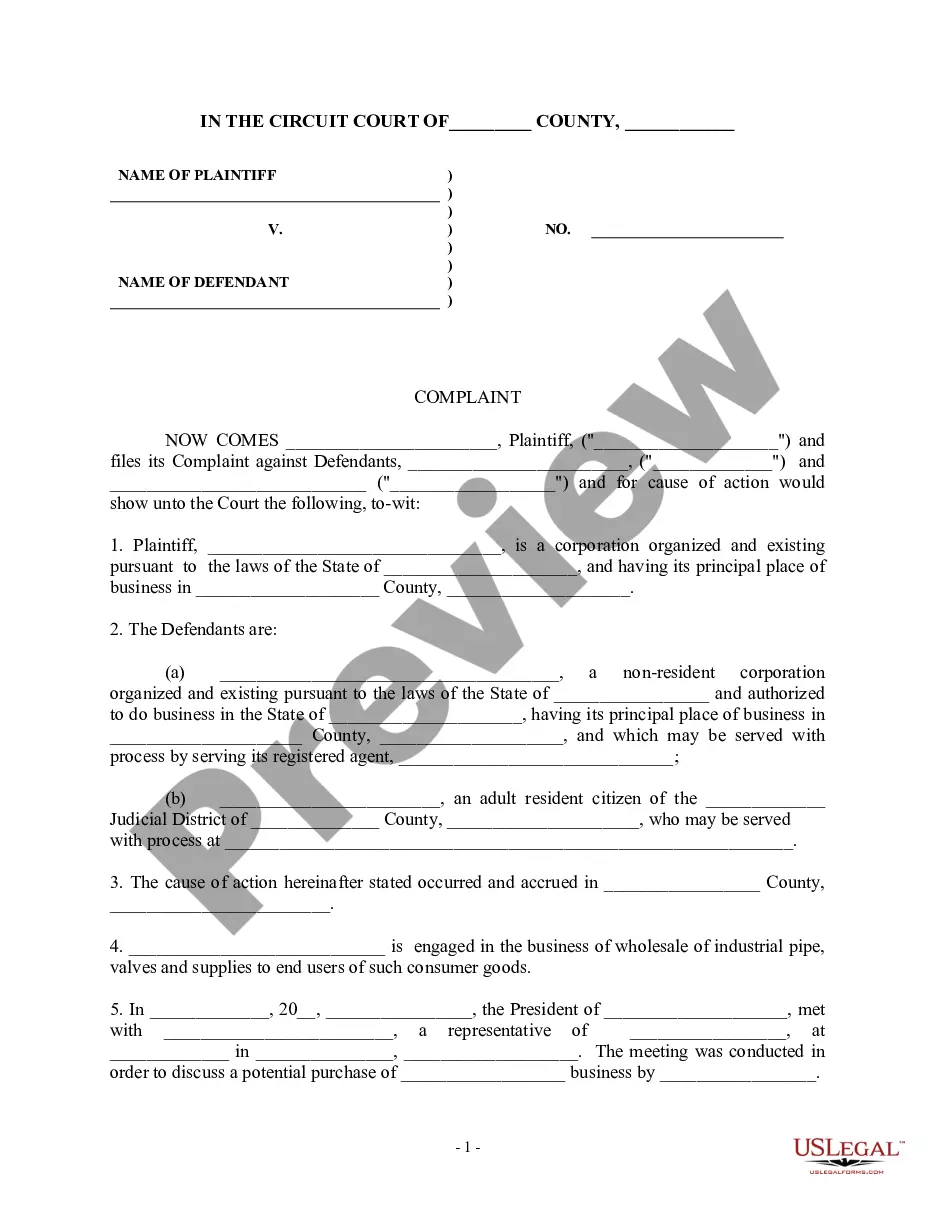


Get your form ready online
Our built-in tools help you complete, sign, share, and store your documents in one place.
Make edits, fill in missing information, and update formatting in US Legal Forms—just like you would in MS Word.
Download a copy, print it, send it by email, or mail it via USPS—whatever works best for your next step.
Sign and collect signatures with our SignNow integration. Send to multiple recipients, set reminders, and more. Go Premium to unlock E-Sign.
If this form requires notarization, complete it online through a secure video call—no need to meet a notary in person or wait for an appointment.
We protect your documents and personal data by following strict security and privacy standards.

Make edits, fill in missing information, and update formatting in US Legal Forms—just like you would in MS Word.

Download a copy, print it, send it by email, or mail it via USPS—whatever works best for your next step.

Sign and collect signatures with our SignNow integration. Send to multiple recipients, set reminders, and more. Go Premium to unlock E-Sign.

If this form requires notarization, complete it online through a secure video call—no need to meet a notary in person or wait for an appointment.

We protect your documents and personal data by following strict security and privacy standards.
Looking for another form?





Form popularity
FAQ
A preliminary injunction is temporary relief that preserves the status quo until the courts decide on the merits of the case. The relief sought often involves asking a court to prevent an opposing party from taking specific action or continuing a current course of action.
It either stops someone from doing something or requires them to do something. It's used when no other legal remedy is available and to prevent irreparable harm. Injunctive relief is typically sought when monetary damages are insufficient to right a legal wrong or prevent future harm.
To warrant preliminary injunctive relief, the moving party must show (1) a substantial likelihood of success on the merits, (2) that it would suffer irrepa- rable injury if the injunction were not granted, (3) that an injunction would not substantially injure other interested parties, and (4) that the public interest ...
Irreparable harm is a legal term that refers to harm or injury that cannot be adequately compensated or remedied by any monetary award or damages that may be awarded later. Irreparable harm is a necessary requirement for a court to grant a preliminary injunction or temporary restraining order.
To seek a permanent injunction, the plaintiff must pass the four-step test: (1) that the plaintiff has suffered an irreparable injury; (2) that remedies available at law, such as monetary damages, are inadequate to compensate for the injury; (3) that the remedy in equity is warranted upon consideration of the balance ...
Harm that no measurable monetary compensation can cure or reverse, such as cutting down shade trees, polluting a stream, or not giving a child needed medication.
Small Claims Court helps individuals or corporations resolve disputes when the amount of the claim is $10,000 or less. All defendants must have an address in New York City. Get Small Claims Court information, including locations and hours of operation. Learn about case types handled by Small Claims Court.
You do not need a lawyer to sue in Small Claims Court. But you may hire one, if you want. The other side may also hire a lawyer. The Court will not give you a lawyer.
Conclusion: Going to small claims court may be worth it for $500, but it will determine how you weigh your costs versus benefits. At a minimum, it is worth it to send a demand letter.
Injunctive relief is a legal remedy that can be awarded by a court to prevent a party from taking certain actions or to require them to take certain actions. It is a form of equitable remedy that is used when monetary damages are not sufficient to remedy a breach of contract.
