Event Planning Contracts For Clients In California
Description

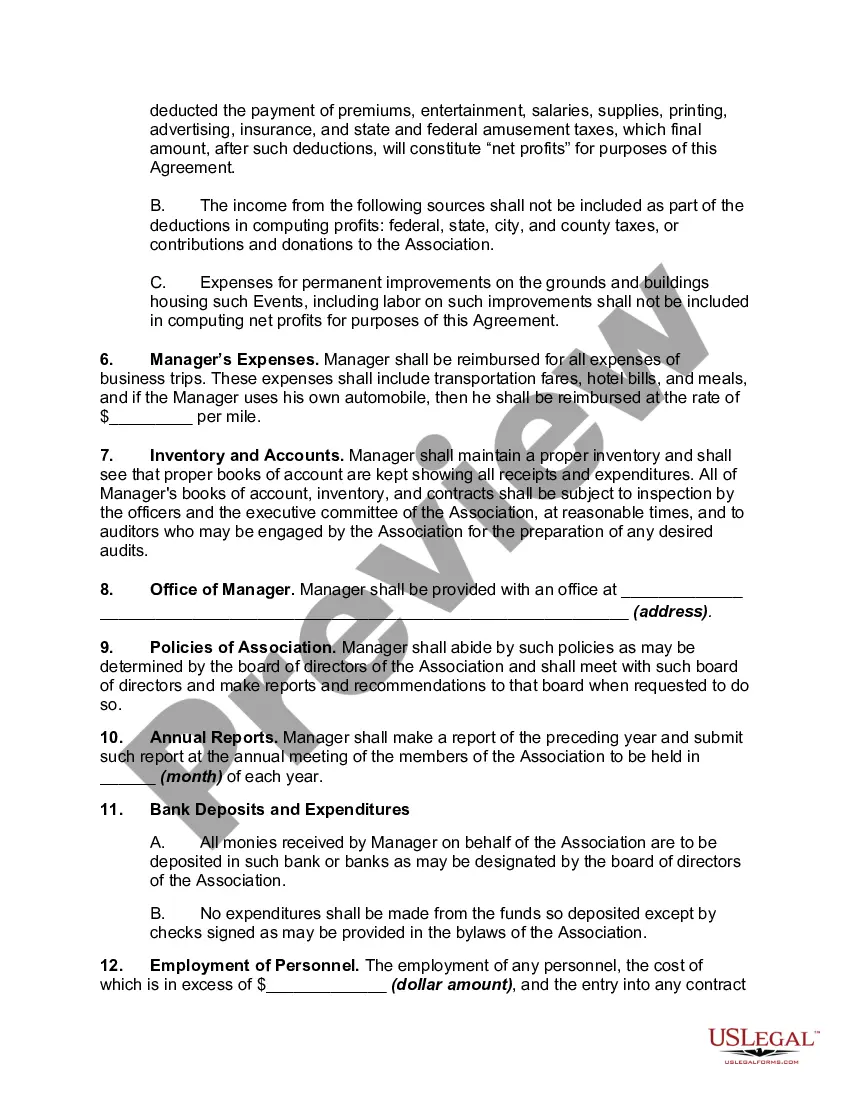
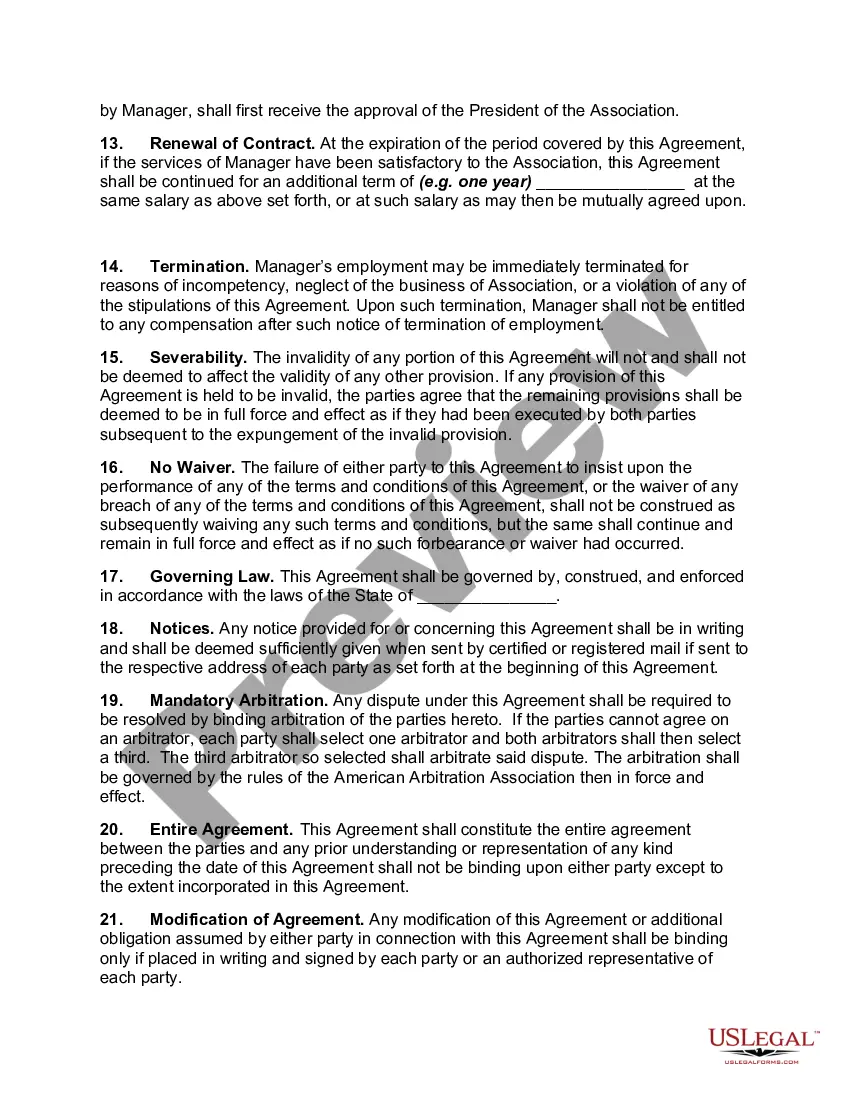
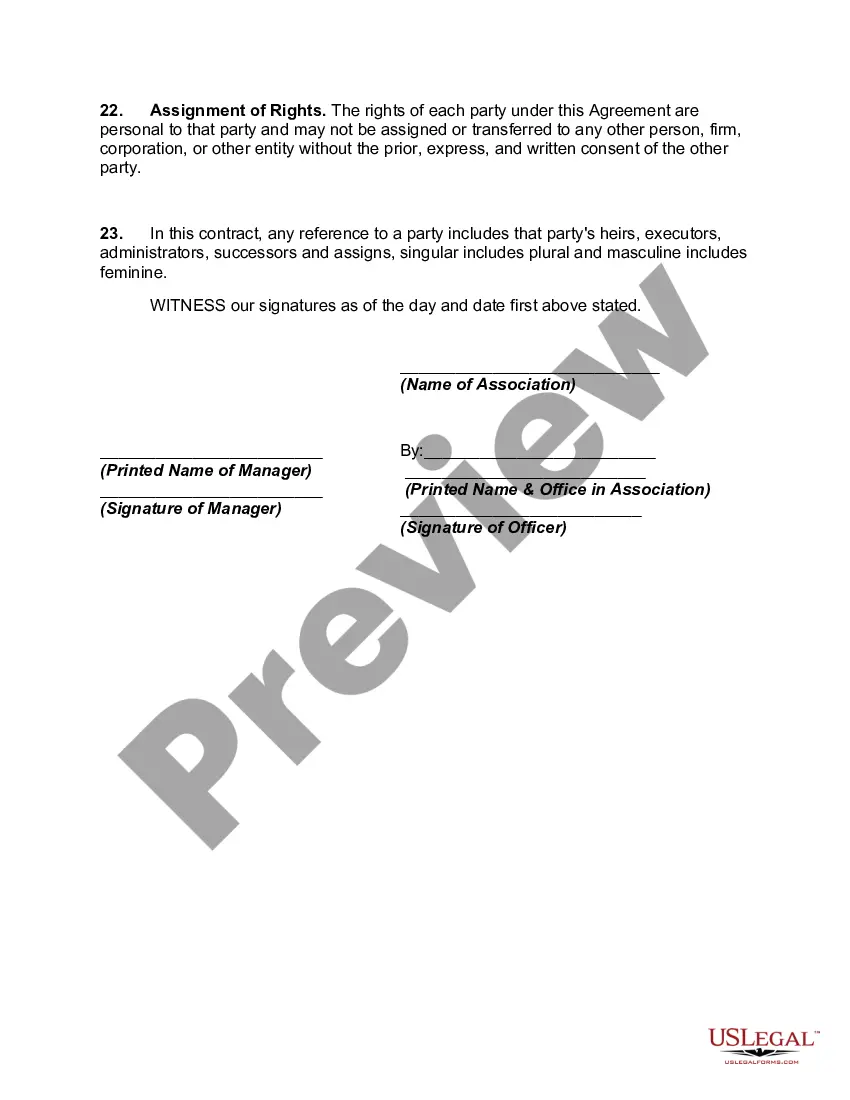
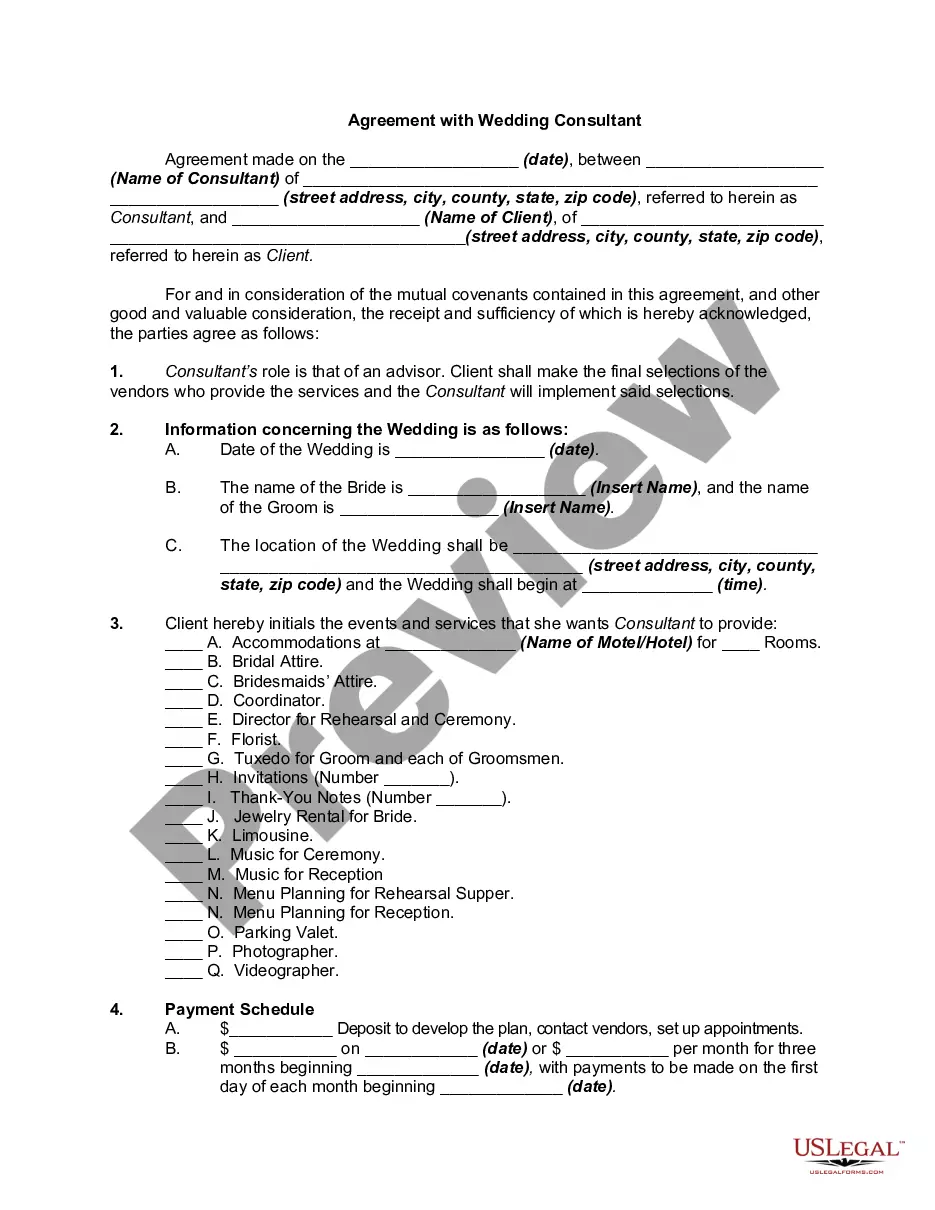
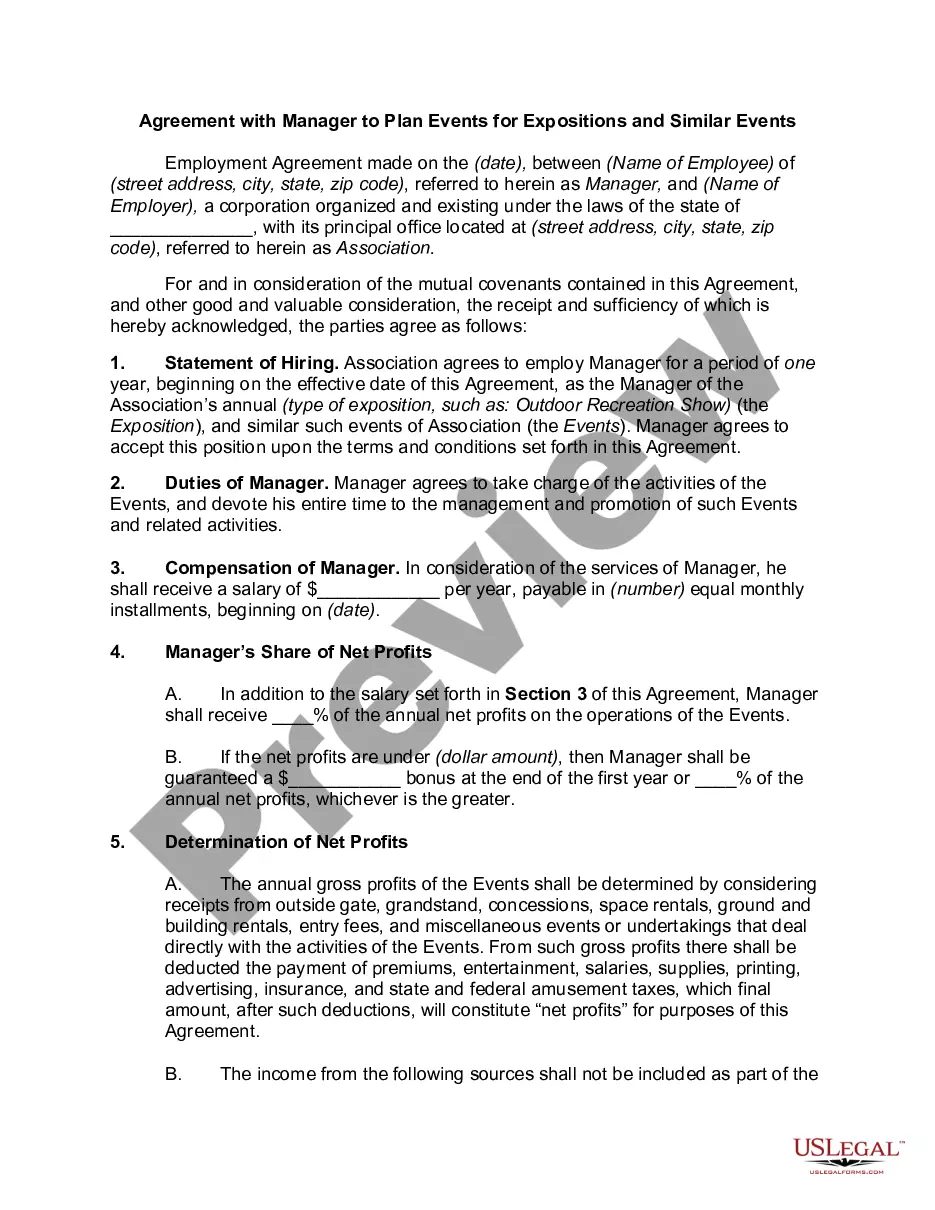
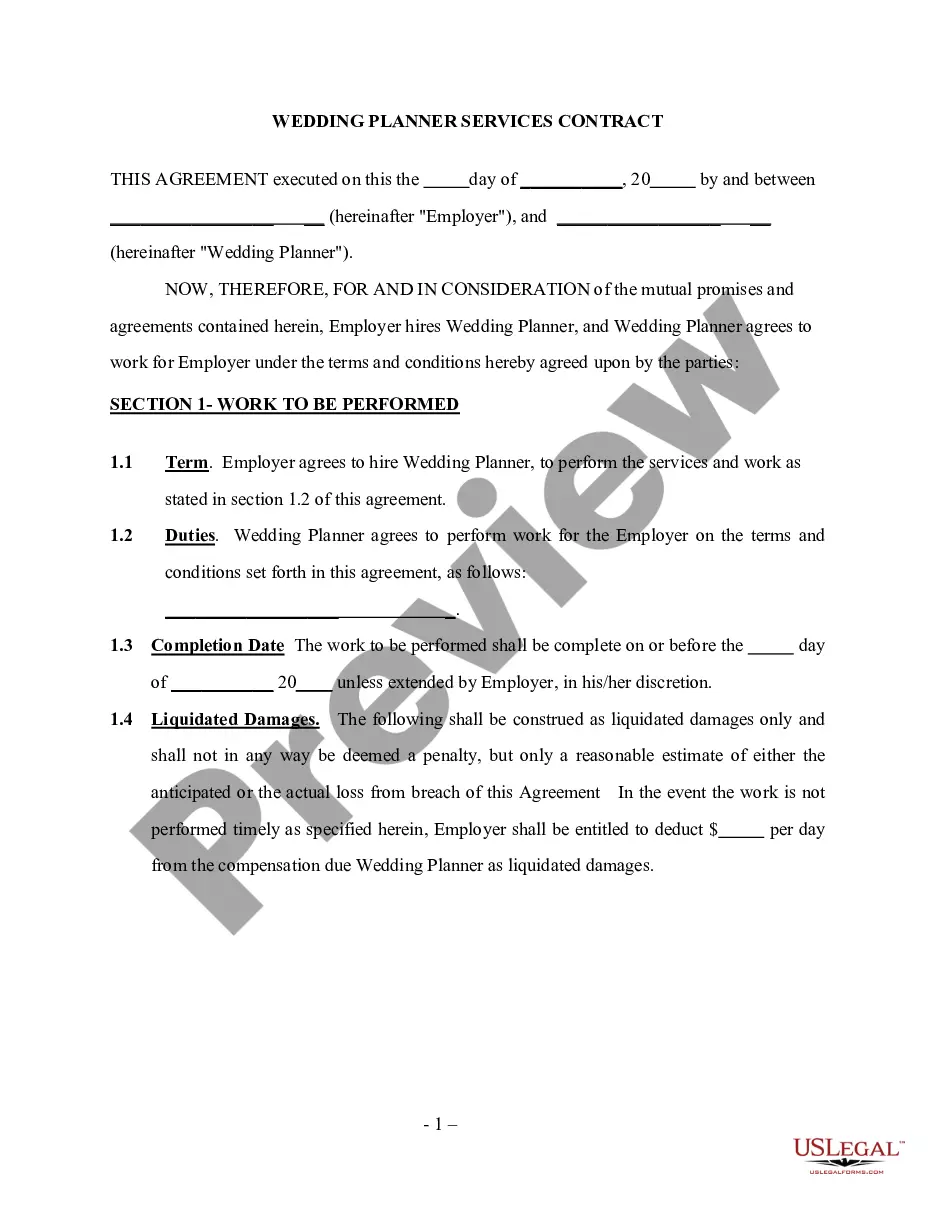
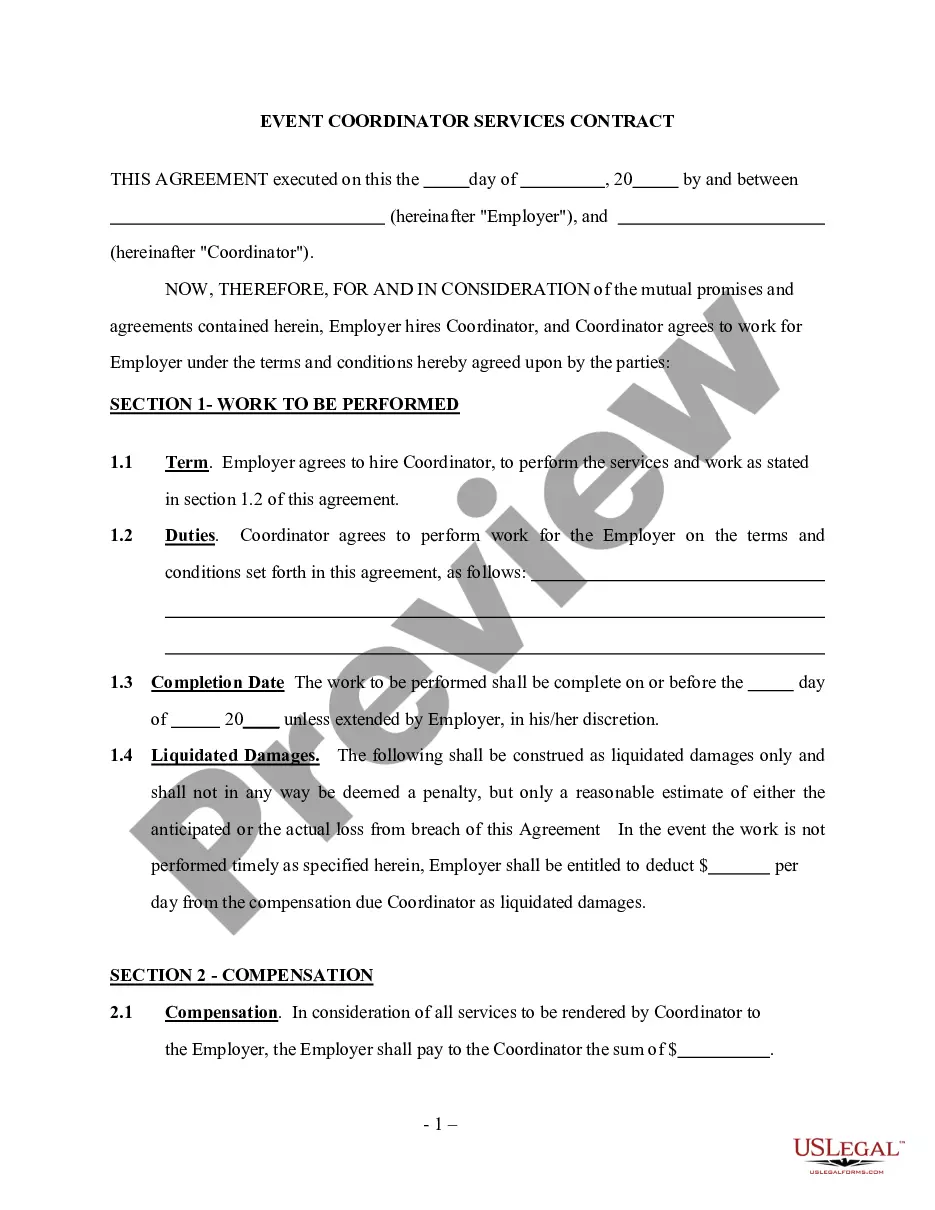
Get your form ready online
Our built-in tools help you complete, sign, share, and store your documents in one place.
Make edits, fill in missing information, and update formatting in US Legal Forms—just like you would in MS Word.
Download a copy, print it, send it by email, or mail it via USPS—whatever works best for your next step.
Sign and collect signatures with our SignNow integration. Send to multiple recipients, set reminders, and more. Go Premium to unlock E-Sign.
If this form requires notarization, complete it online through a secure video call—no need to meet a notary in person or wait for an appointment.
We protect your documents and personal data by following strict security and privacy standards.

Make edits, fill in missing information, and update formatting in US Legal Forms—just like you would in MS Word.

Download a copy, print it, send it by email, or mail it via USPS—whatever works best for your next step.

Sign and collect signatures with our SignNow integration. Send to multiple recipients, set reminders, and more. Go Premium to unlock E-Sign.

If this form requires notarization, complete it online through a secure video call—no need to meet a notary in person or wait for an appointment.

We protect your documents and personal data by following strict security and privacy standards.
Looking for another form?






Form popularity
FAQ
As the employers and recruiters who've contributed to this site will testify, you do not need a bachelor's degree to become an event planner. You still need a good standard of education, but in the event planning industry, experience trumps qualifications every time!
One study found that having a certification can help you earn a 35.2% higher salary than people who do not have a certification. Certification programs also teach invaluable skills that help event planners stand out in a crowded job market, earn new business, and expand their professional networks.
There are two million events organized in the US every year. That is almost 5,500 events every single day. And a profit margin of planners is 15-40% of the budget (some $500 billion annually spent on events, ing to Entrepreneur).
While there isn't really such a thing as a registered event planner in the U.S., an event planning certification will be more recognized in the industry than a certificate.
You can become an event planner by earning a relevant bachelor's degree or gaining suitable experience in the service industry. While many event planners did not attend college, increased competition in this field has encouraged more aspiring planners to earn degrees.
Although a degree rarely isn't a requirement to work as an independent event planner, a bachelor's in arts in fields such as hospitality, business or communications can help you hone your skills and become an expert in industry practices.
How to plan an event in 10 steps Organize your objectives. Establish a budget. Build an event team. Select a venue and date. Choose event management software. Establish vendors, sponsors and partners. Plan the program and entertainment. Brand and market the event.
How to Get Clients as an Event Planner Carve out a niche for yourself in the event industry. Build up a solid portfolio of clients. Start your own website. Advertise on social media. Build up a local buzz. Network with nonprofits.
Know Your Niche. Choose Social Media Wisely. Optimise Your Website with SEO. Produce Guest Content. Share Your Previous Work. Gather Client Testimonials. Set up an Email Newsletter. Attend Industry Events.
How to Get Clients as an Event Planner Carve out a niche for yourself in the event industry. Build up a solid portfolio of clients. Start your own website. Advertise on social media. Build up a local buzz. Network with nonprofits.
