Injunction With Damages In Miami-Dade
Description

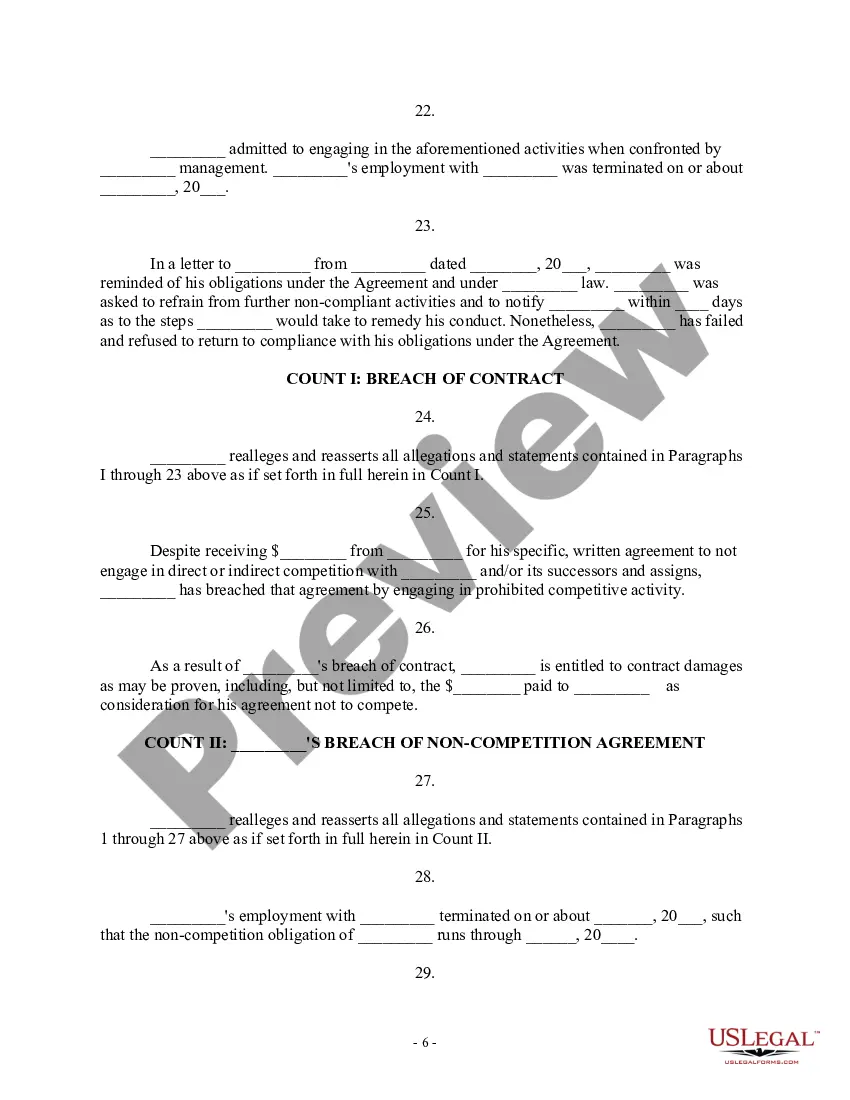
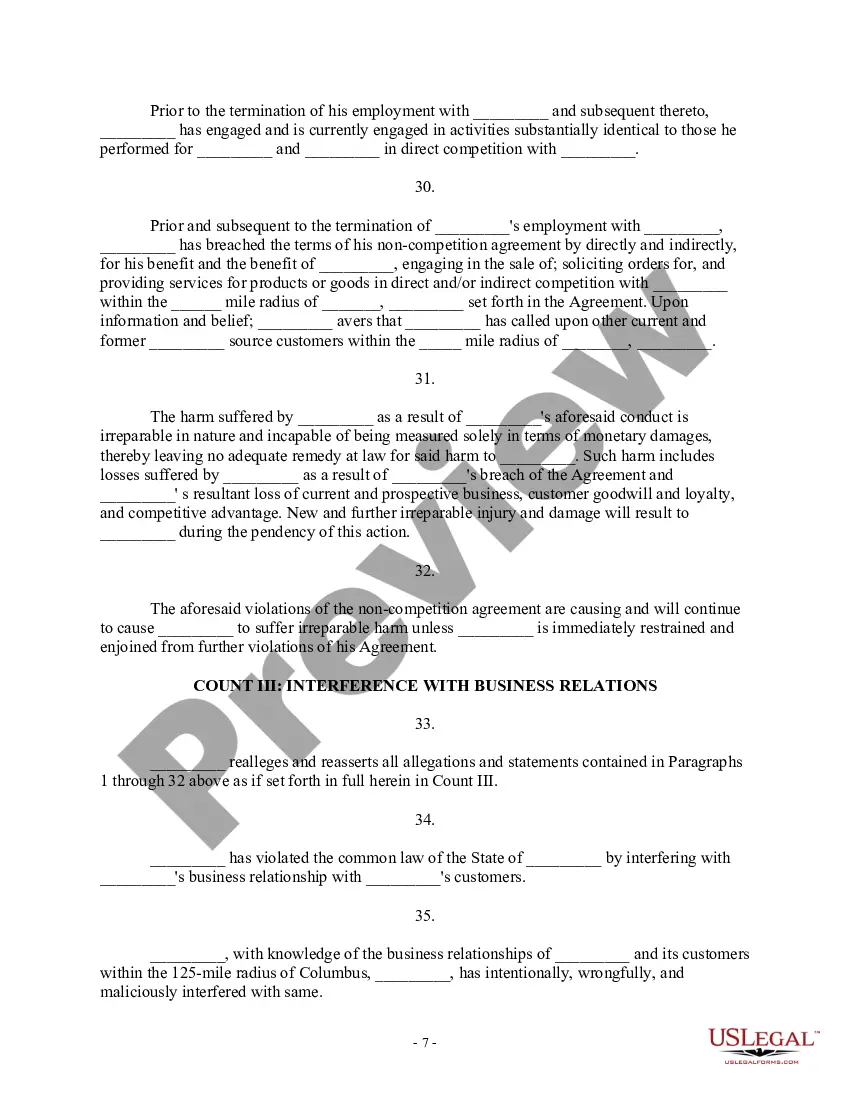
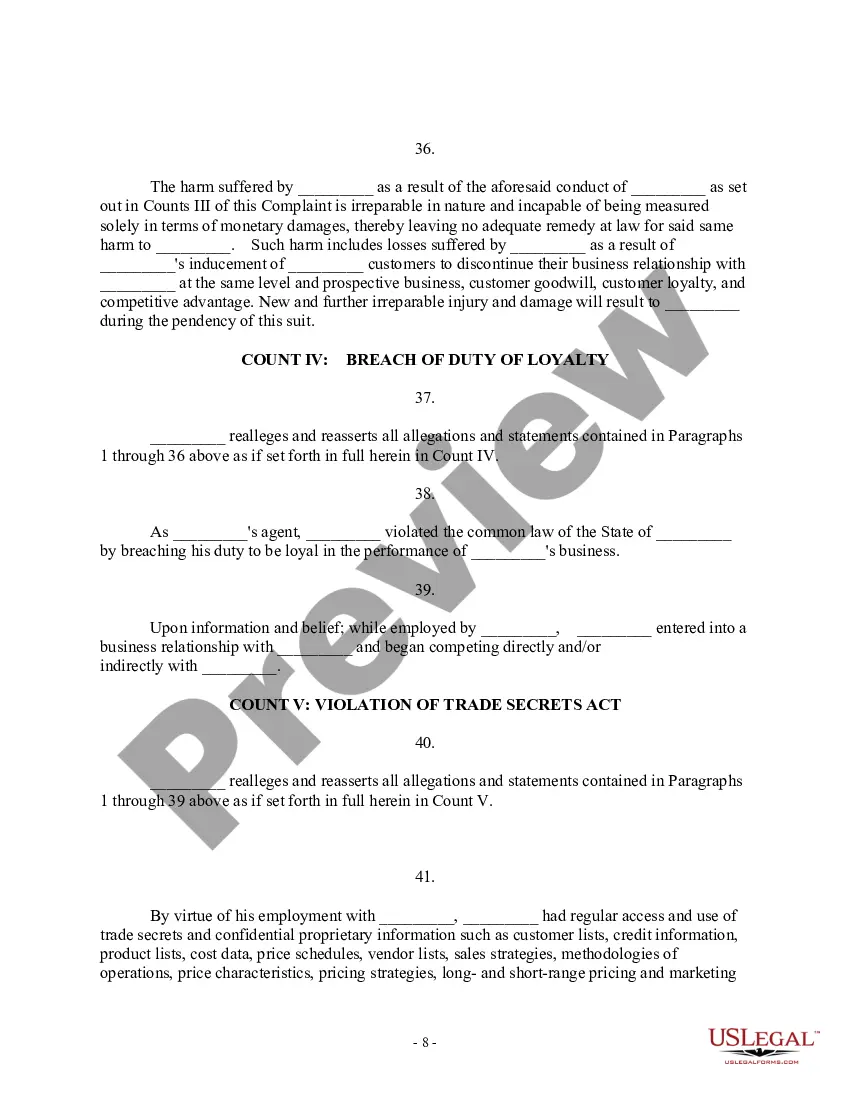
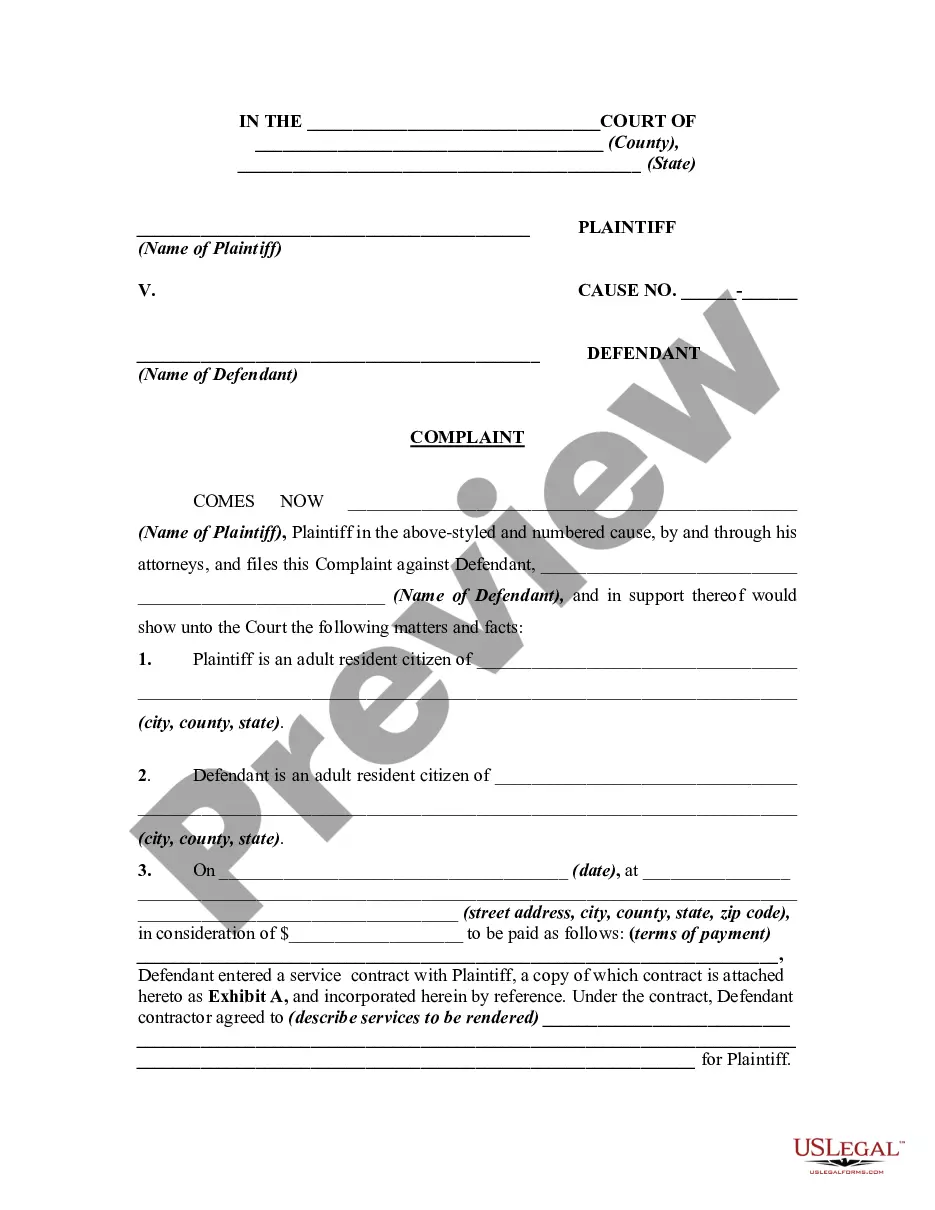


Get your form ready online
Our built-in tools help you complete, sign, share, and store your documents in one place.
Make edits, fill in missing information, and update formatting in US Legal Forms—just like you would in MS Word.
Download a copy, print it, send it by email, or mail it via USPS—whatever works best for your next step.
Sign and collect signatures with our SignNow integration. Send to multiple recipients, set reminders, and more. Go Premium to unlock E-Sign.
If this form requires notarization, complete it online through a secure video call—no need to meet a notary in person or wait for an appointment.
We protect your documents and personal data by following strict security and privacy standards.

Make edits, fill in missing information, and update formatting in US Legal Forms—just like you would in MS Word.

Download a copy, print it, send it by email, or mail it via USPS—whatever works best for your next step.

Sign and collect signatures with our SignNow integration. Send to multiple recipients, set reminders, and more. Go Premium to unlock E-Sign.

If this form requires notarization, complete it online through a secure video call—no need to meet a notary in person or wait for an appointment.

We protect your documents and personal data by following strict security and privacy standards.
Looking for another form?









Form popularity
FAQ
Unlike criminal records, injunctions cannot be expunged or sealed in Florida. However, if the order is dismissed or denied in court, it will not appear as an active injunction.
An injunction is a court order requiring a person to do or cease doing a specific action. There are three types of injunctions: Permanent injunctions , Temporary restraining orders and preliminary injunctions . Temporary restraining orders (TRO) and preliminary injunctions are equitable in nature.
Unlike criminal cases, where the prosecution must prove guilt "beyond a reasonable doubt," the standard of proof for domestic violence injunctions is "preponderance of the evidence." This means the petitioner must show that it is more likely than not that domestic violence occurred or is likely to occur.
Steps to Request an Injunction Dismissal in Florida Step 1: File a Motion to Dismiss. To begin the process, we must file a Motion to Dissolve Injunction in the court that issued the original order. Step 2: Prepare for the Hearing. Step 3: Argue Your Case in Court. Step 4: Obtain a Court Order Removing the Injunction.
The Importance of Witnesses and Evidence Having strong evidence can make the difference between losing and winning an injunction hearing. Some of the best types of evidence include: Text messages and emails – These can show whether communication was truly threatening or taken out of context.
To appeal an injunction in Florida requires careful adherence to a complex legal process involving nuanced court rules and procedures. Every case is different, so it's advisable to consult with an attorney for guidance regarding your situation.
For example, the complaint must adequately state a legal claim against the defendant, and the proof offered in support of the preliminary injunction motion must demonstrate that the defendant's conduct entitles the plaintiff to relief under each legal theory alleged.
A prohibitory injunction is the most common form of injunction, and directs a party to refrain from acting in a certain manner. Examples of a prohibitory injunction are cease and desist orders such as an order stopping a bulldozer prior to the razing of an historic building.
Second, the preliminary injunction analysis requires considering the plaintiff's reasonable likelihood of success on the merits, whereas a permanent injunction is not even being considered until the plaintiff has won.
Standard of Proof In Florida, a petitioner for an injunction must establish by “preponderance of the evidence” (i.e. greater weight of the evidence) that he or she is either a victim of domestic violence or is in imminent danger of being a victim of domestic violence.
