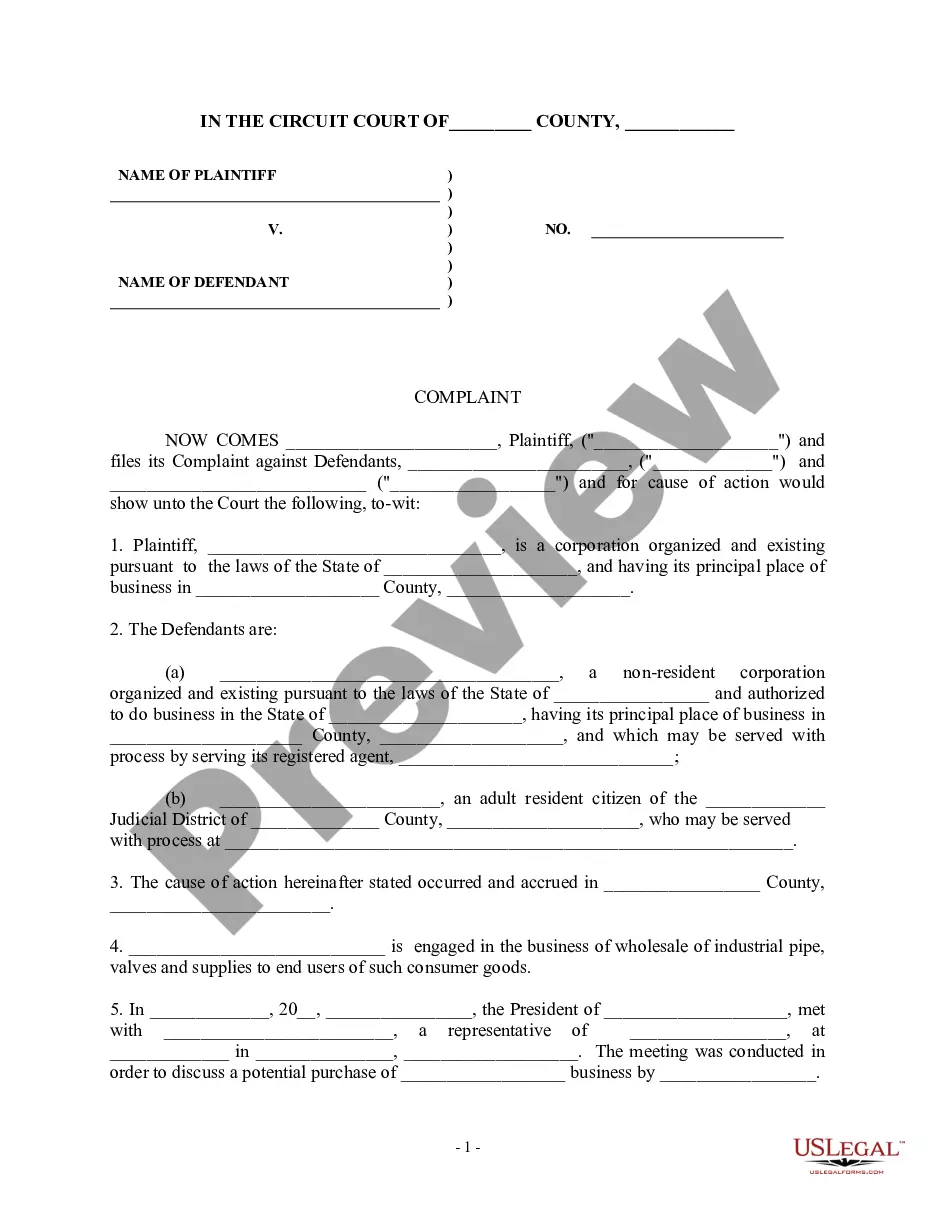
Injunctive Relief Without Posting Bond In King
Description

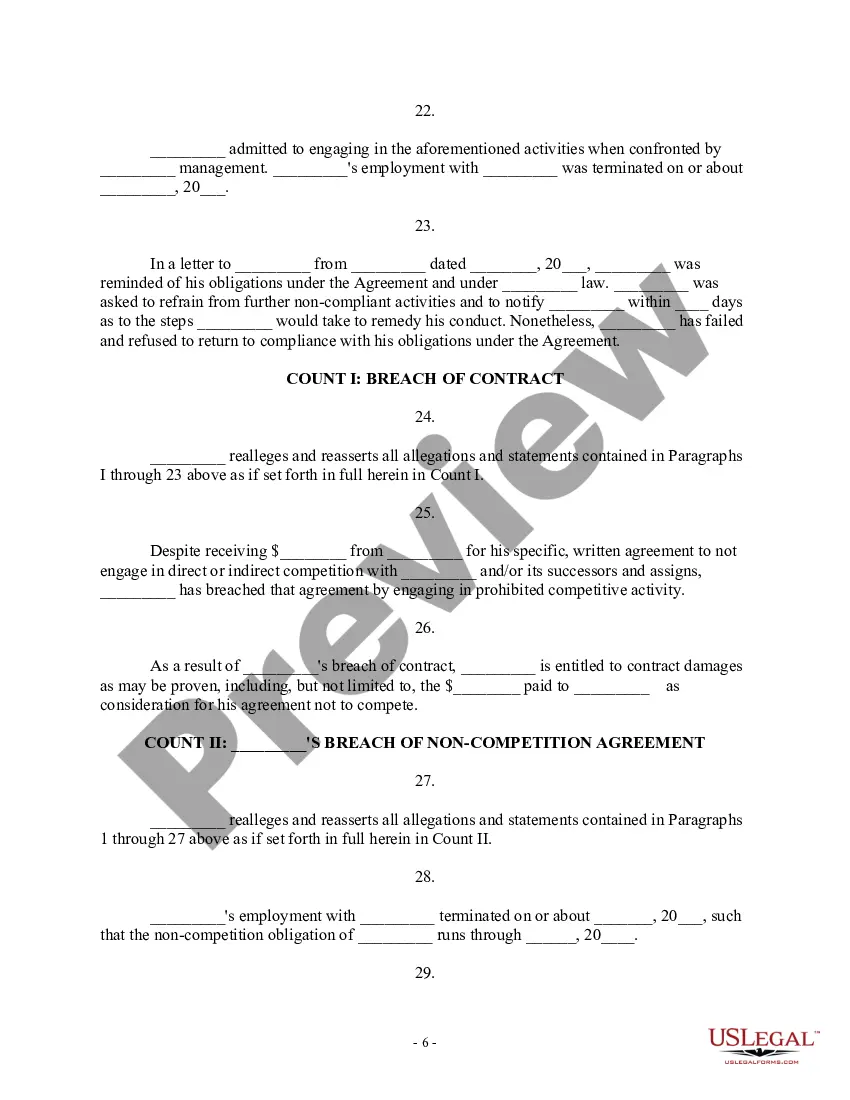
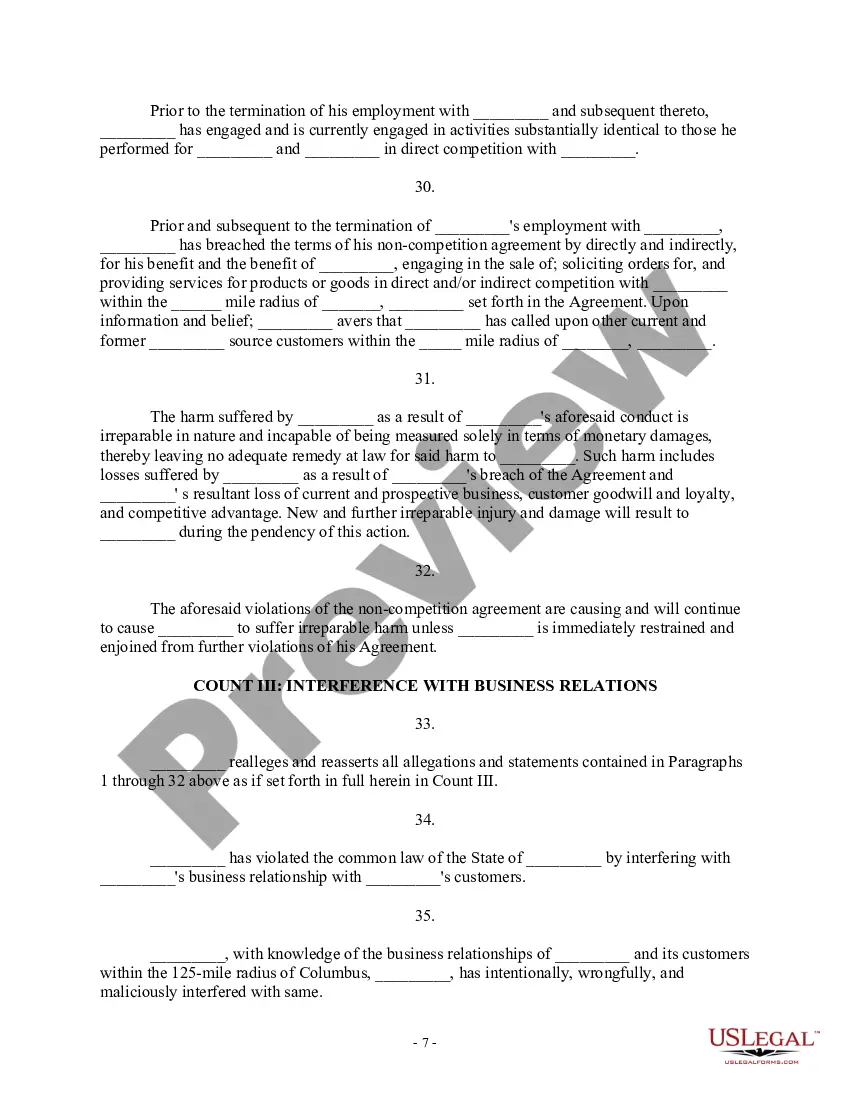
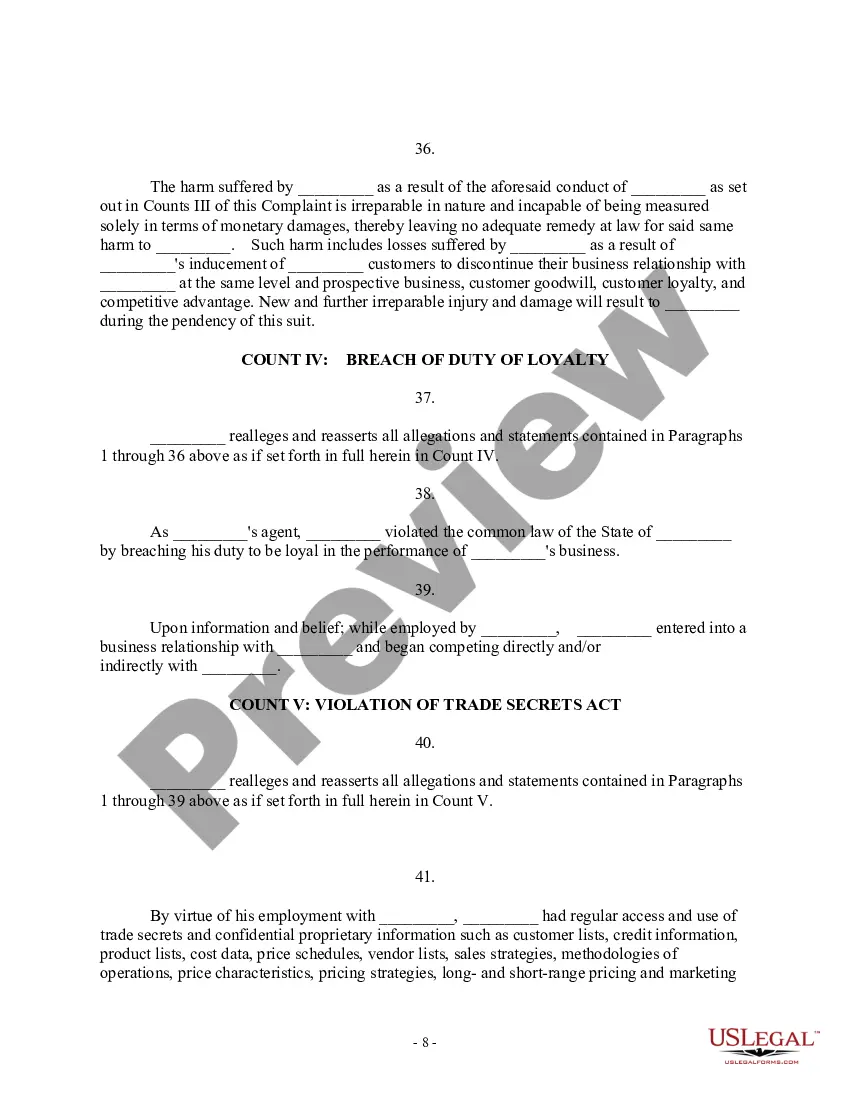
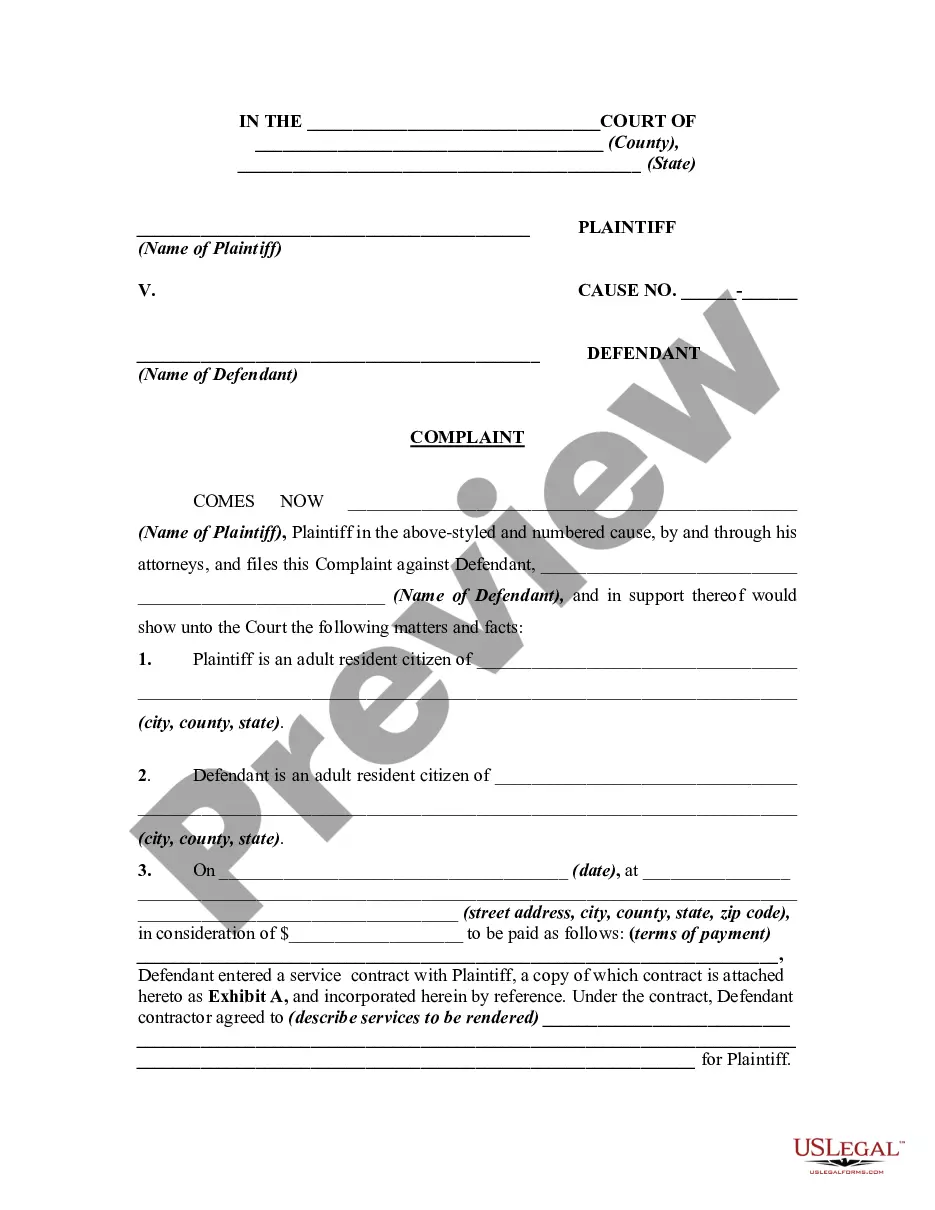



Get your form ready online
Our built-in tools help you complete, sign, share, and store your documents in one place.
Make edits, fill in missing information, and update formatting in US Legal Forms—just like you would in MS Word.
Download a copy, print it, send it by email, or mail it via USPS—whatever works best for your next step.
Sign and collect signatures with our SignNow integration. Send to multiple recipients, set reminders, and more. Go Premium to unlock E-Sign.
If this form requires notarization, complete it online through a secure video call—no need to meet a notary in person or wait for an appointment.
We protect your documents and personal data by following strict security and privacy standards.

Make edits, fill in missing information, and update formatting in US Legal Forms—just like you would in MS Word.

Download a copy, print it, send it by email, or mail it via USPS—whatever works best for your next step.

Sign and collect signatures with our SignNow integration. Send to multiple recipients, set reminders, and more. Go Premium to unlock E-Sign.

If this form requires notarization, complete it online through a secure video call—no need to meet a notary in person or wait for an appointment.

We protect your documents and personal data by following strict security and privacy standards.
Looking for another form?







Form popularity
FAQ
Injunctive relief. A court order to stop doing a particular act. Synonyms: Injunction.
A final injunction is essentially a court order that requires or prohibits specific actions by a party after the main issues of the case have been resolved. It remains effective until the court issues a different order or a superseding order steps in.
The injunctive relief clause is a contractual provision that allows a party to seek a court-ordered injunction to prevent the other party from engaging in specific actions that could cause irreparable harm.
Injunctive relief, also known as an injunction , is a court-ordered remedy which restricts a party from committing specific actions or requires a party to complete specific actions.
Some jurisdictions may require the party seeking equitable relief to post a bond or other security prior to granting such relief. The purpose of this requirement is to protect the party against which equitable relief is sought in the event it is ultimately determined that such relief was not appropriate.
Injunctive relief means that the discloser is able to obtain a preemptive court order preventing the information from being spread. A clause can entitle a party to apply for an injunction to prevent the other party disclosing, or continuing to disclose, the confidential information.
An injunction is a remedy granted by the court that prohibits the commission of a wrong threatened or the continuance of a wrongful course of action already begun. If a party fails to comply with an injunction granted by a court, then the party could face criminal or civil penalties or contempt of court.
It states: "A court of the United States may not grant an injunction to stay proceedings in a state court except as expressly authorized by Act of Congress, or where necessary in aid of its jurisdiction, or to protect or effectuate its judgments." The Act was originally enacted as part of the Judiciary Act of 1793.
To warrant preliminary injunctive relief, the moving party must show (1) a substantial likelihood of success on the merits, (2) that it would suffer irrepa- rable injury if the injunction were not granted, (3) that an injunction would not substantially injure other interested parties, and (4) that the public interest ...
These courts consider: (1) the likelihood of success on the merits; (2) irreparable harm if the injunction is not granted; (3) whether a balancing of the relevant equities favors the injunction; and (4) whether the issuance of the injunction is in the public interest.
