Damages For Wrongful Injunction In King
Description

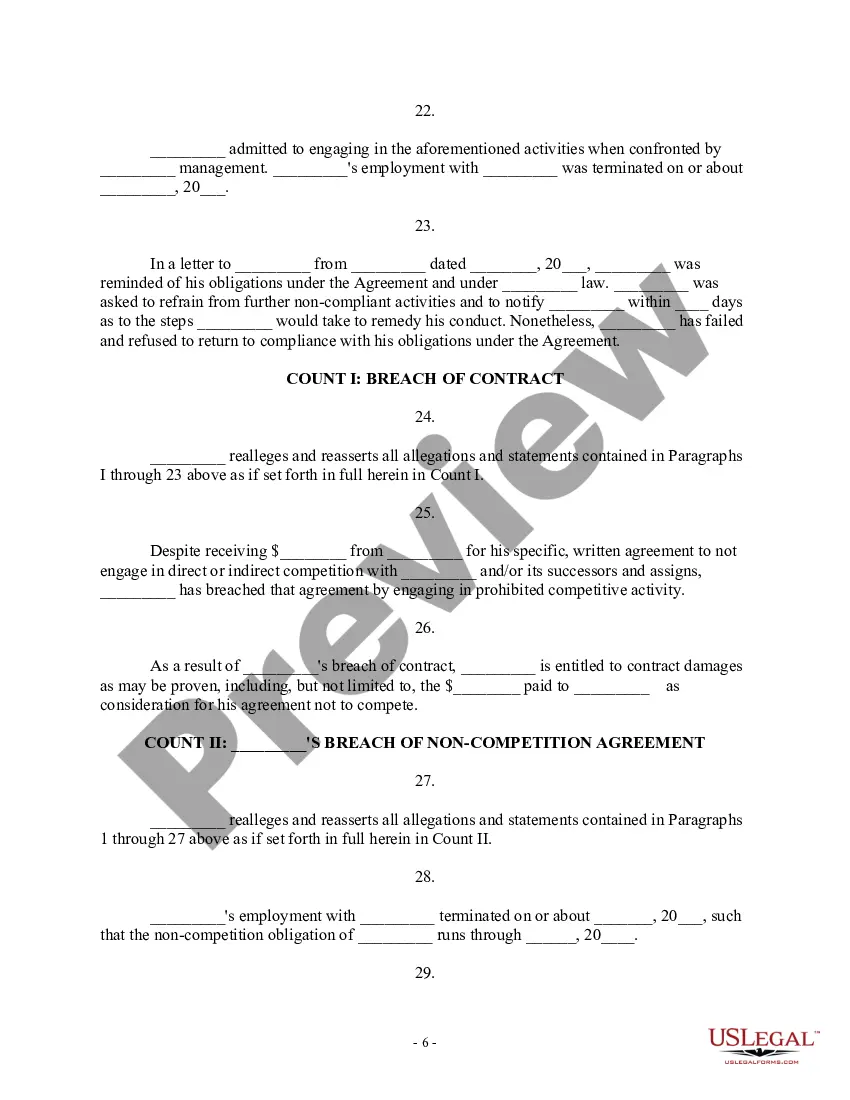
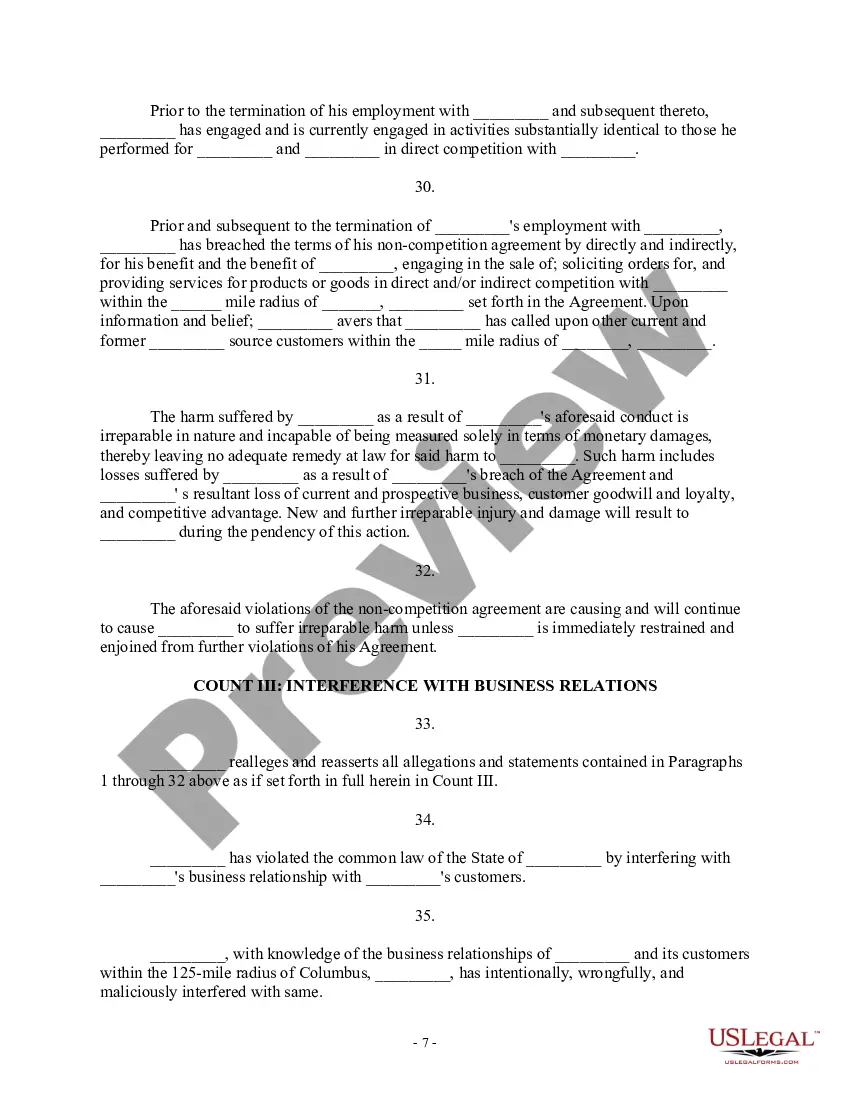
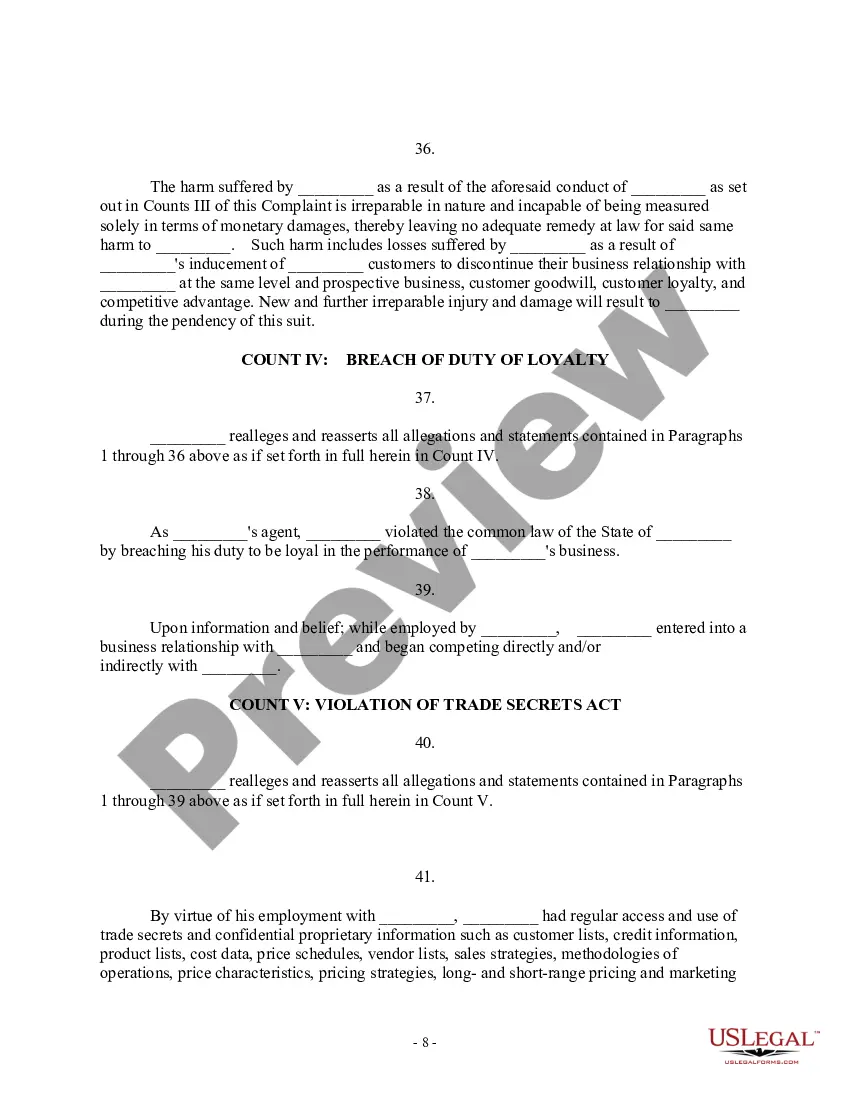
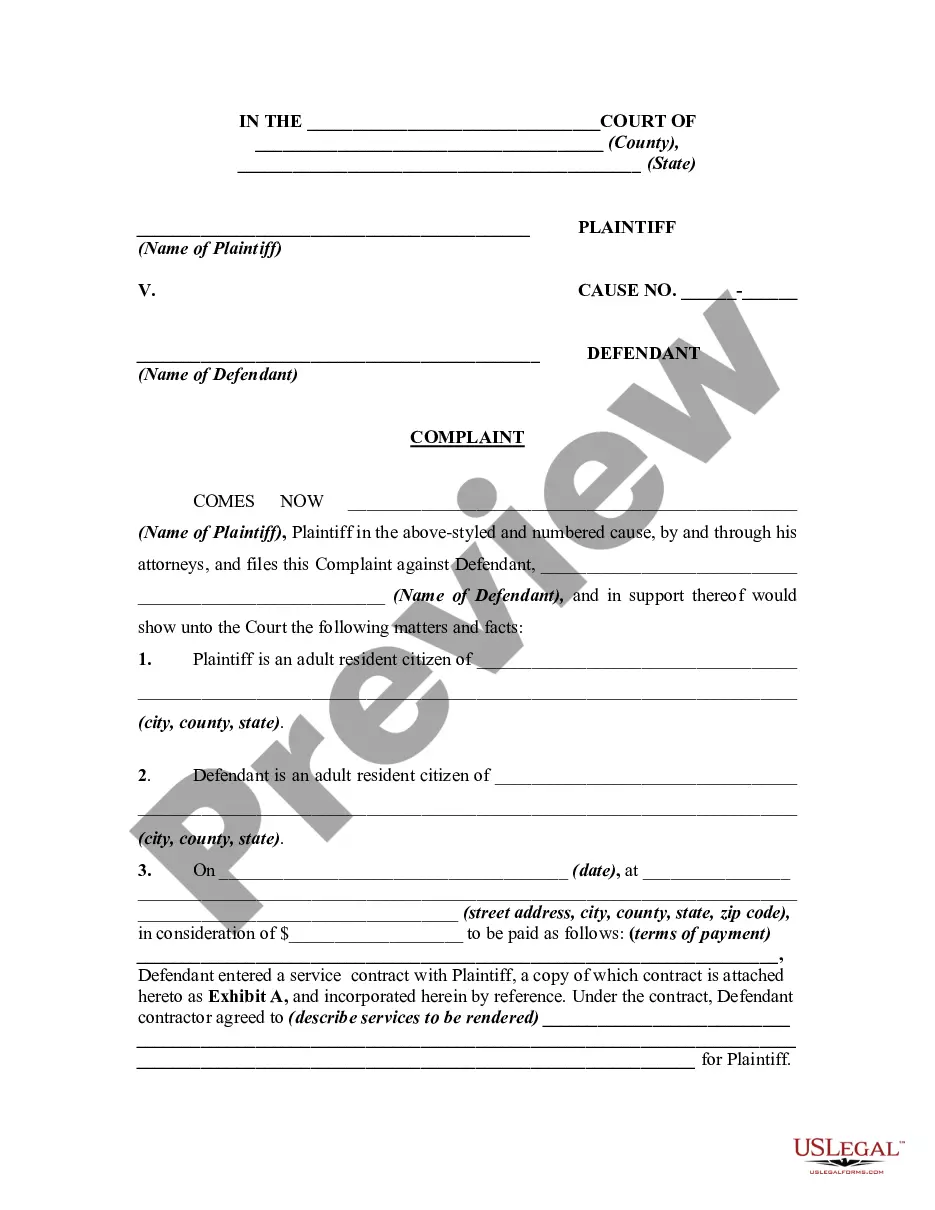

Get your form ready online
Our built-in tools help you complete, sign, share, and store your documents in one place.
Make edits, fill in missing information, and update formatting in US Legal Forms—just like you would in MS Word.
Download a copy, print it, send it by email, or mail it via USPS—whatever works best for your next step.
Sign and collect signatures with our SignNow integration. Send to multiple recipients, set reminders, and more. Go Premium to unlock E-Sign.
If this form requires notarization, complete it online through a secure video call—no need to meet a notary in person or wait for an appointment.
We protect your documents and personal data by following strict security and privacy standards.

Make edits, fill in missing information, and update formatting in US Legal Forms—just like you would in MS Word.

Download a copy, print it, send it by email, or mail it via USPS—whatever works best for your next step.

Sign and collect signatures with our SignNow integration. Send to multiple recipients, set reminders, and more. Go Premium to unlock E-Sign.

If this form requires notarization, complete it online through a secure video call—no need to meet a notary in person or wait for an appointment.

We protect your documents and personal data by following strict security and privacy standards.
Looking for another form?








Form popularity
FAQ
Injunctions are powerful remedies. They can force a person to act or refrain from acting, dictate policies that the government must adopt, or even refashion public institutions. Violations of an injunction can result in contempt.
The plaintiff has the burden of proving that the defendant has breached the contract and that injunctive relief is necessary to prevent further harm. The plaintiff must also prove that the harm caused by the breach cannot be adequately compensated through monetary damages alone.
These are the most common ways you can beat an injunction: Petitioner voluntarily dismisses it. Petitioner does not show up to the final injunction hearing. Petitioner agrees to keep the injunction temporary. Fighting the injunction in court (this one is the hardest and most expensive option).
A boilerplate inadequacy of damages clause seeking to persuade a court to exercise its discretion and grant the equitable remedies of specific performance or injunction.
A preliminary injunction is an interlocutory order issued by a judge early in a lawsuit to stop the defendant from continuing their allegedly harmful actions, or commanding them to act in a certain manner to preserve the status quo before the final judgment.
To seek a permanent injunction, the plaintiff must pass the four-step test: (1) that the plaintiff has suffered an irreparable injury; (2) that remedies available at law, such as monetary damages, are inadequate to compensate for the injury; (3) that the remedy in equity is warranted upon consideration of the balance ...
The first step to seek injunctive relief is to file your lawsuit in the appropriate county. It must be the county in which the majority of the issues have taken place or otherwise in the county where the defendant resided or worked. Select your court with due care.
Harm that no measurable monetary compensation can cure or reverse, such as cutting down shade trees, polluting a stream, or not giving a child needed medication.
To warrant preliminary injunctive relief, the moving party must show (1) a substantial likelihood of success on the merits, (2) that it would suffer irrepa- rable injury if the injunction were not granted, (3) that an injunction would not substantially injure other interested parties, and (4) that the public interest ...
