Injunctive Relief Agreement For Copyright Infringement In Cook
Description

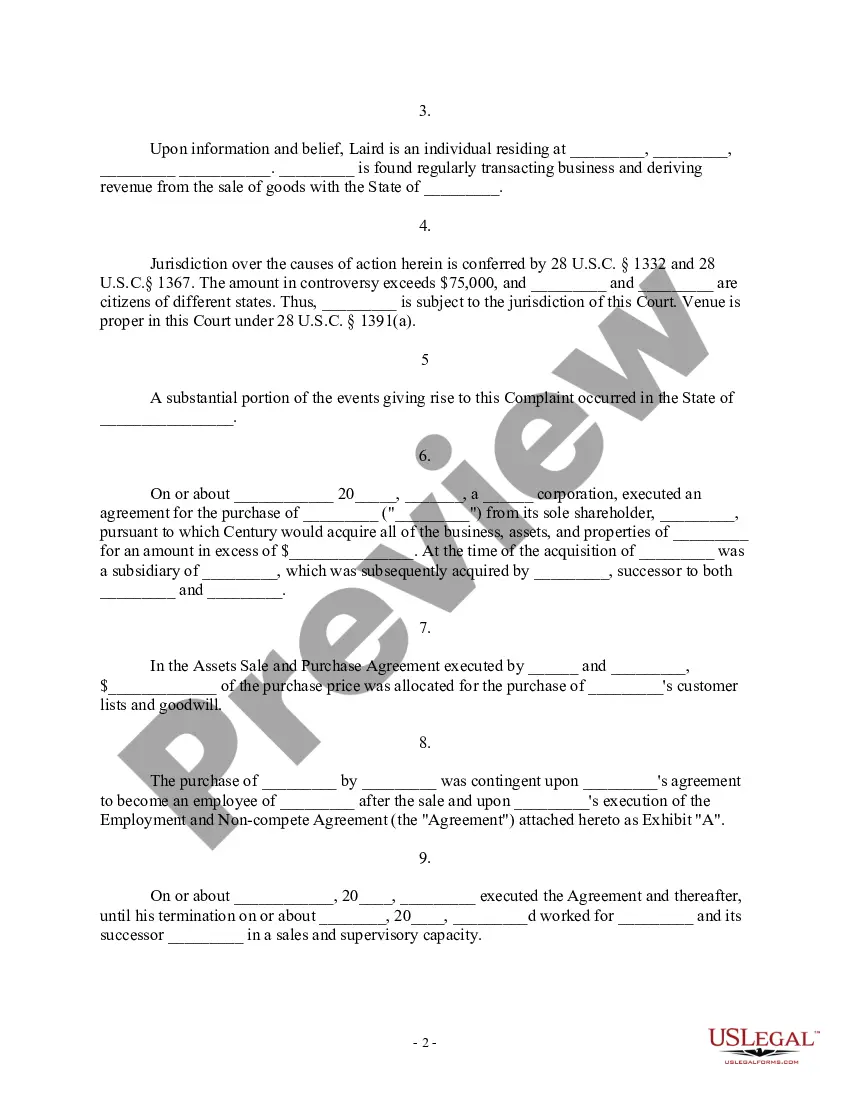
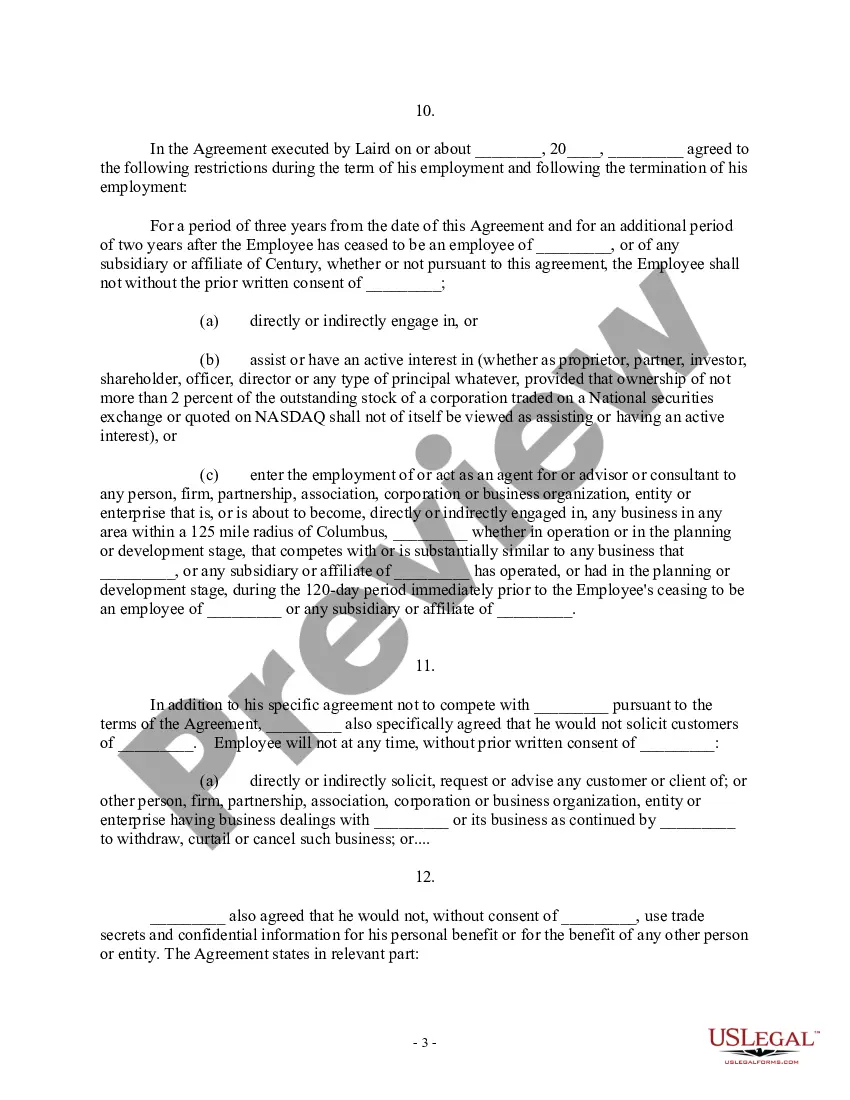
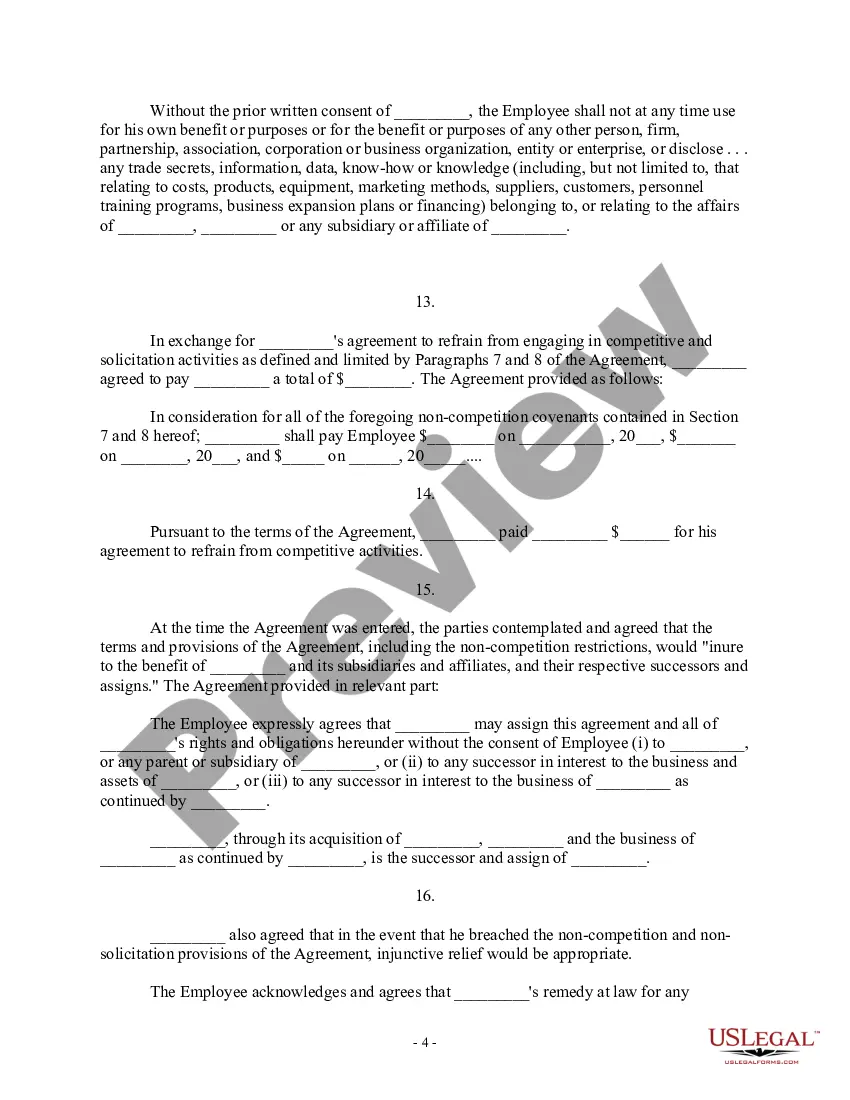
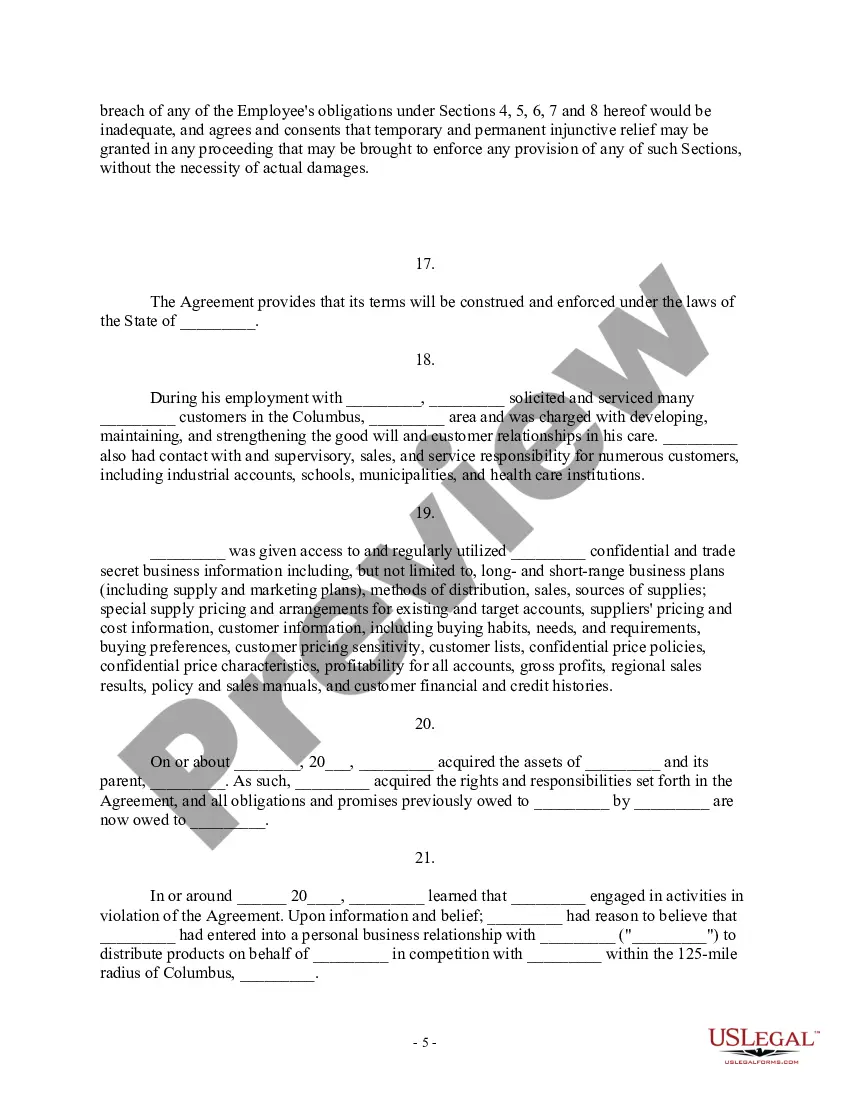
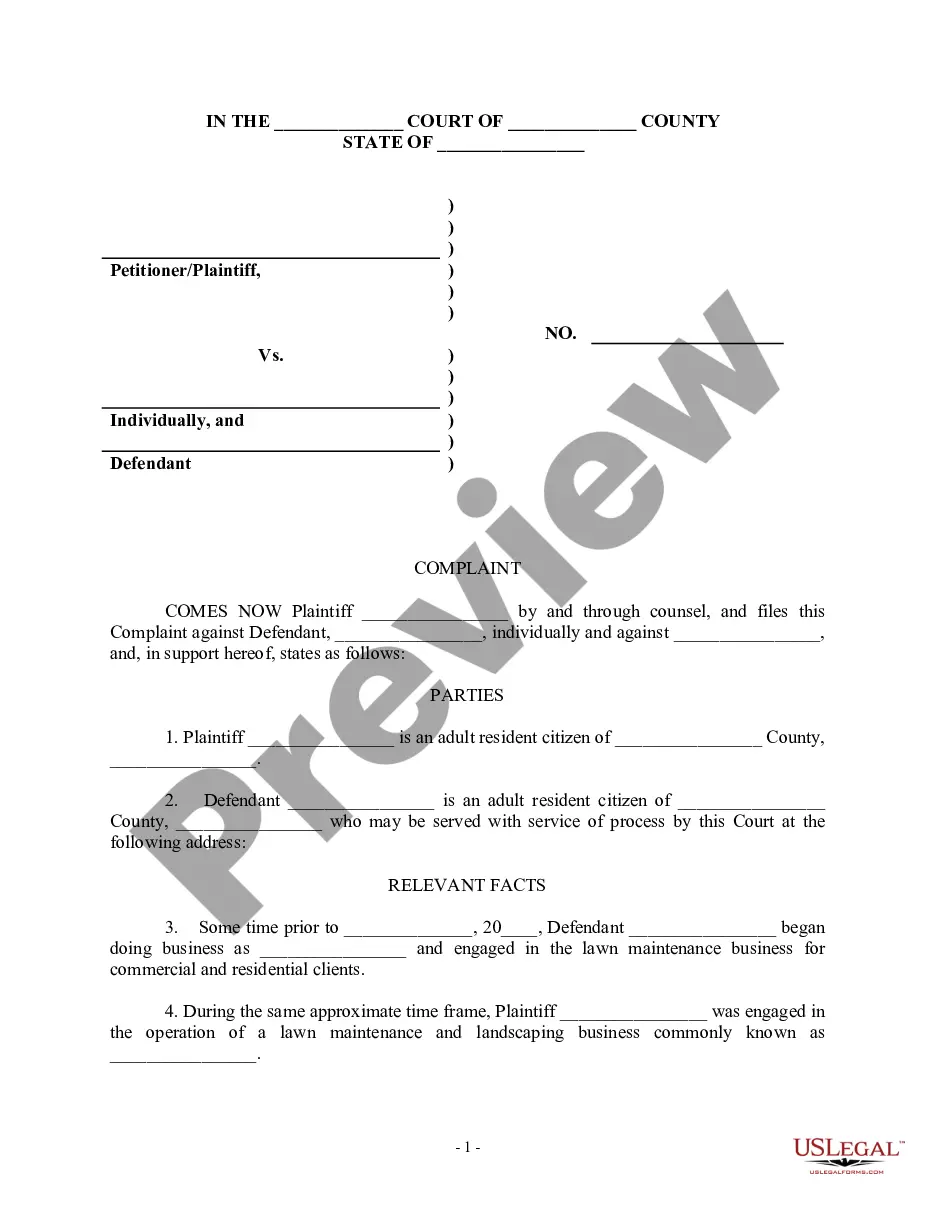
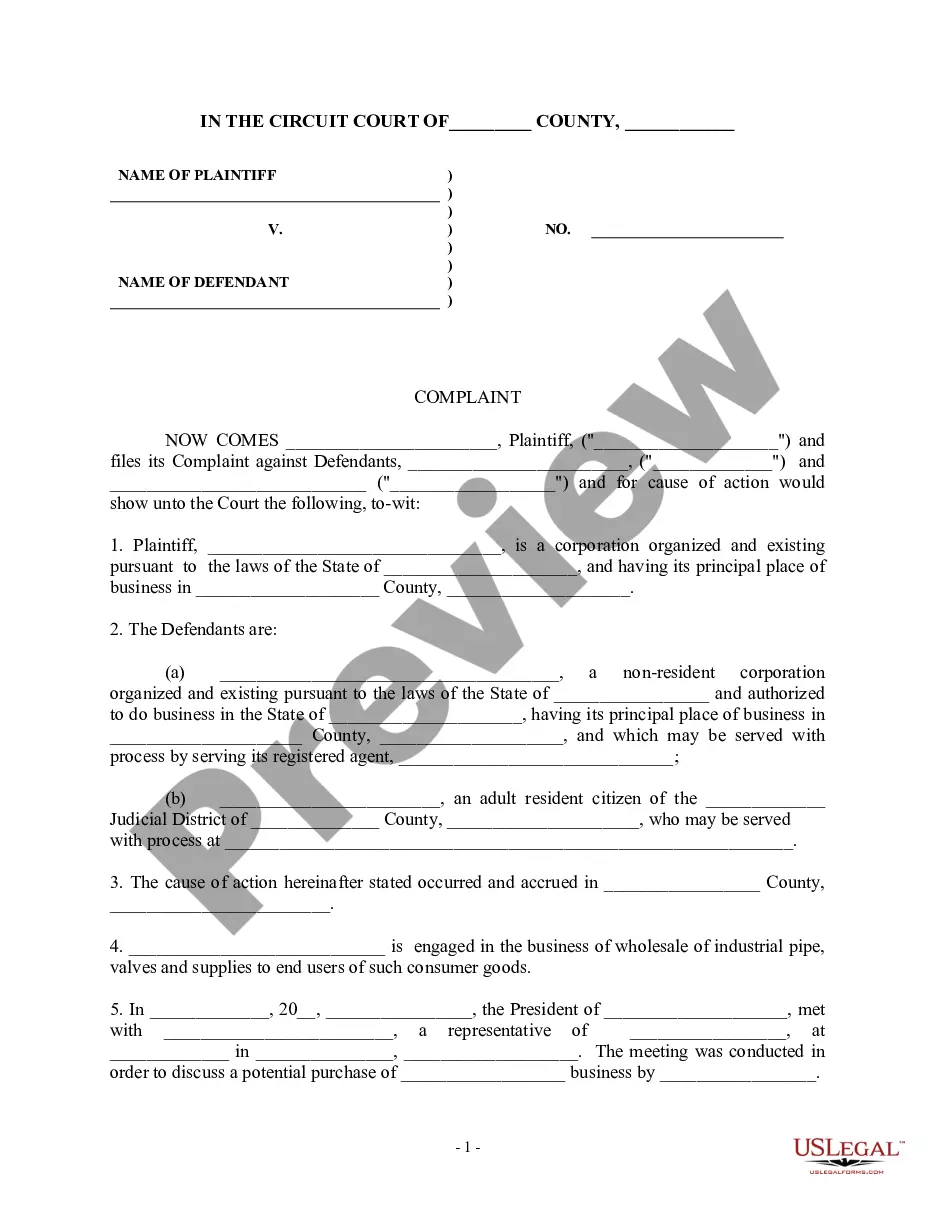


Get your form ready online
Our built-in tools help you complete, sign, share, and store your documents in one place.
Make edits, fill in missing information, and update formatting in US Legal Forms—just like you would in MS Word.
Download a copy, print it, send it by email, or mail it via USPS—whatever works best for your next step.
Sign and collect signatures with our SignNow integration. Send to multiple recipients, set reminders, and more. Go Premium to unlock E-Sign.
If this form requires notarization, complete it online through a secure video call—no need to meet a notary in person or wait for an appointment.
We protect your documents and personal data by following strict security and privacy standards.

Make edits, fill in missing information, and update formatting in US Legal Forms—just like you would in MS Word.

Download a copy, print it, send it by email, or mail it via USPS—whatever works best for your next step.

Sign and collect signatures with our SignNow integration. Send to multiple recipients, set reminders, and more. Go Premium to unlock E-Sign.

If this form requires notarization, complete it online through a secure video call—no need to meet a notary in person or wait for an appointment.

We protect your documents and personal data by following strict security and privacy standards.
Looking for another form?









Form popularity
FAQ
The main 'physical' copyright offences (ss. 107(1), 107(2), (107(3), 198(1), 296ZB, 297 and 297A of CDPA 1988) carry a ten-year maximum penalty but the provisions governing online infringement (ss.
In many patent suits, patent holders seek injunctive relief to prevent an accused infringer from continuingto practice the patented invention. Whether an injunction can be granted depends on various considerations a judge may weigh under her equitable powers.
Injunctive relief, also known as an injunction , is a court-ordered remedy which restricts a party from committing specific actions or requires a party to complete specific actions.
Injunctive relief is one of the main remedial measures regarding patent infringement. It usually involves an order that a court issues to prevent an infringer from continuing in any infringed activity.
In summary, an injunctive relief clause provides for urgent judicial enforcement of vital obligations that cannot await standard remedies or compensation without potentially irreparable harm.
An injunction is an order by a court that requires someone to do something or stop doing something. Outside the patent context, people often seek injunctions in situations that involve intrusions on their privacy or property.
Generally, a patent indemnification agreement obligates one party to compensate the other party for losses or damages covered by the indemnity clause. For example, in litigation against a seller of goods, an indemnified seller can shift defense of litigation to the supplier.
Natural Resources Defense Council, Inc., 555 U.S. 7 (2008), is applicable to all other litigants seeking preliminary injunctions, and requires that a party seeking a preliminary injunction must establish: (1) it is likely to succeed on the merits, (2) it is likely to suffer irreparable harm in the absence of ...
The party seeking a preliminary injunction must demonstrate that they will suffer irreparable harm if the injunction is not granted. Irreparable harm means that the harm cannot be adequately compensated by monetary damages or any other remedy except an injunction.
The party seeking a preliminary injunctive relief must demonstrate: (1) irreparable injury in the absence of such an order; (2) that the threatened injury to the moving party outweighs the harm to the opposing party resulting from the order; (3) that the injunction is not adverse to public interest; and (4) that the ...
