Injunctive Relief Agreement For Breach In Contra Costa
Description

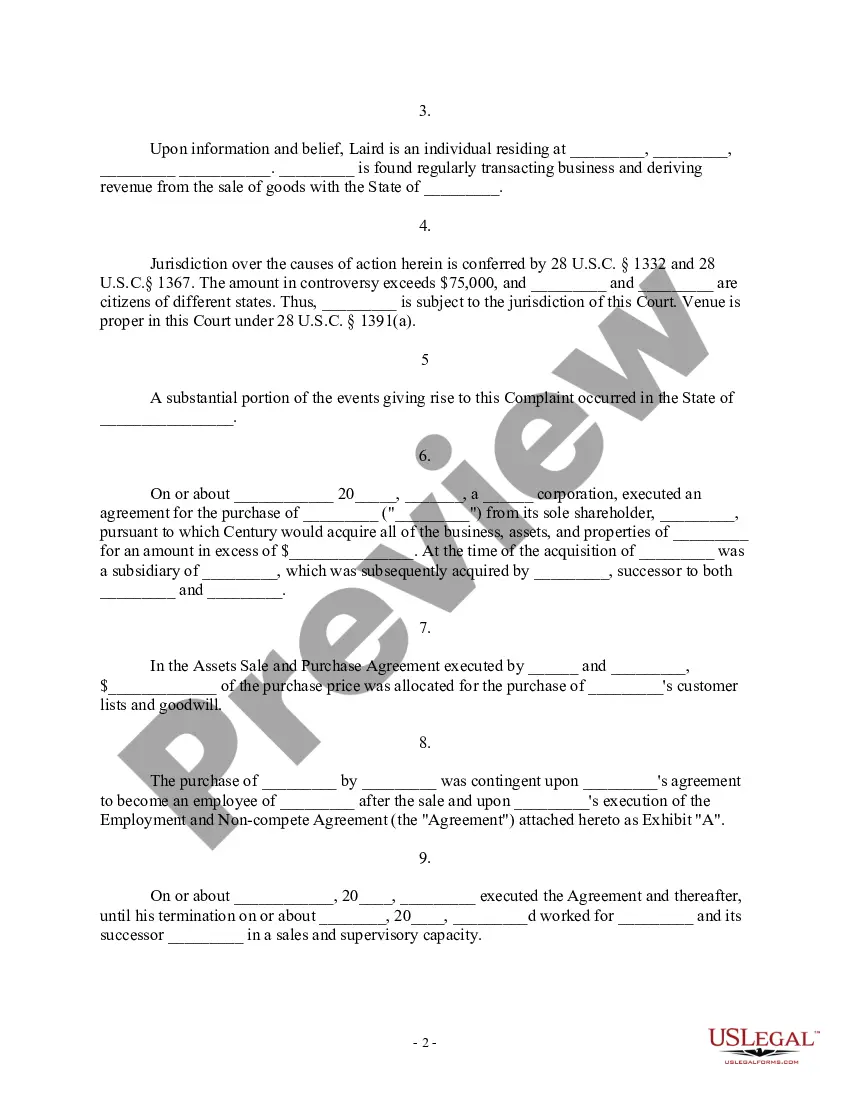
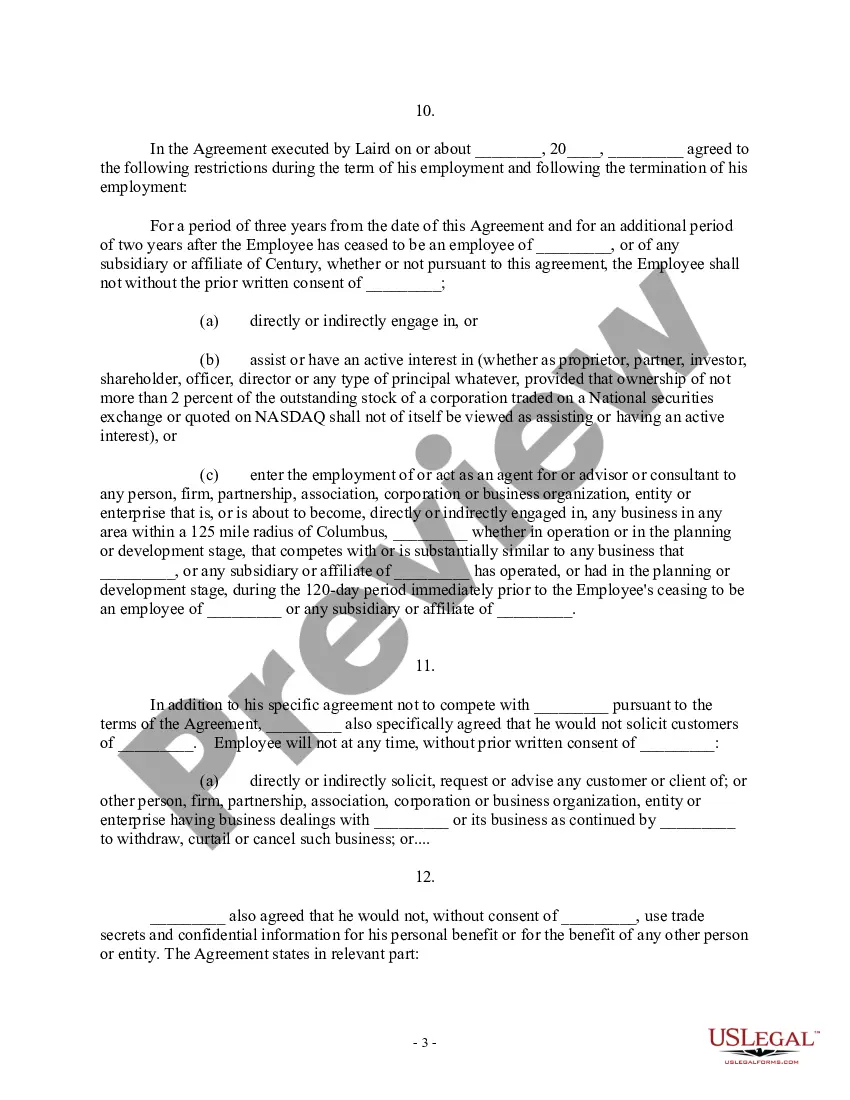
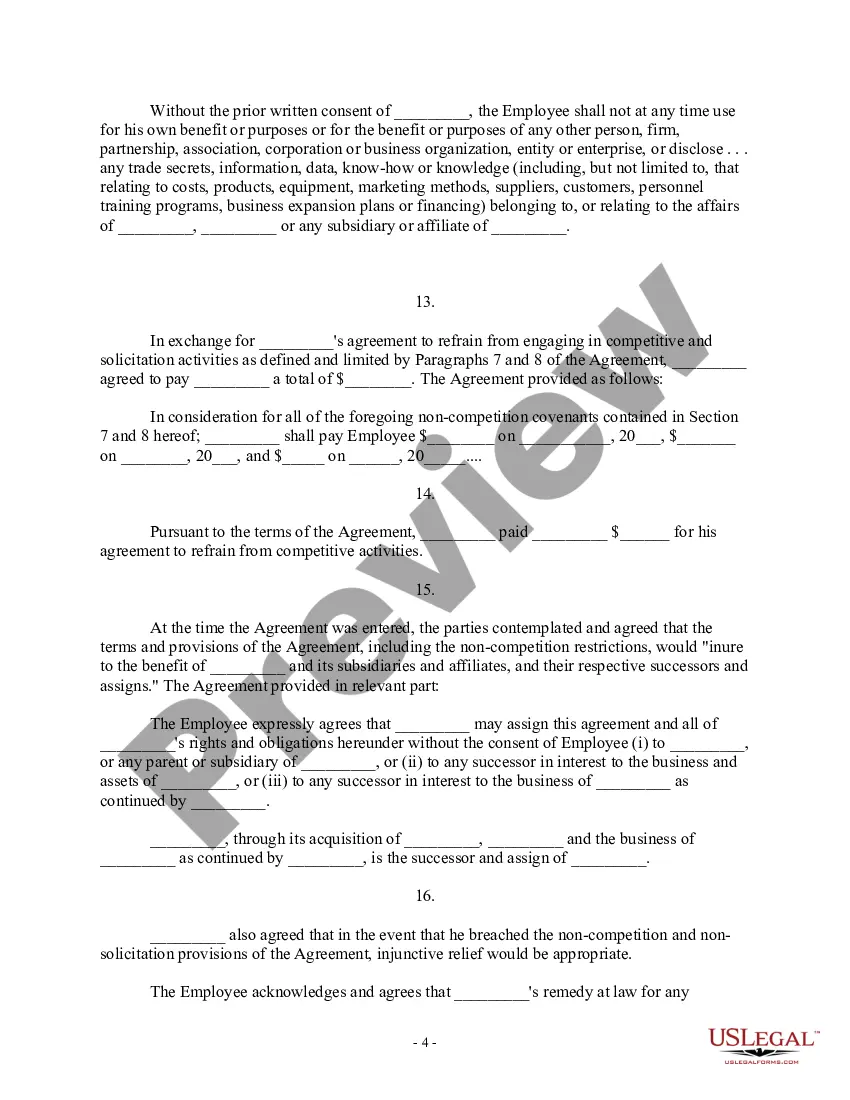
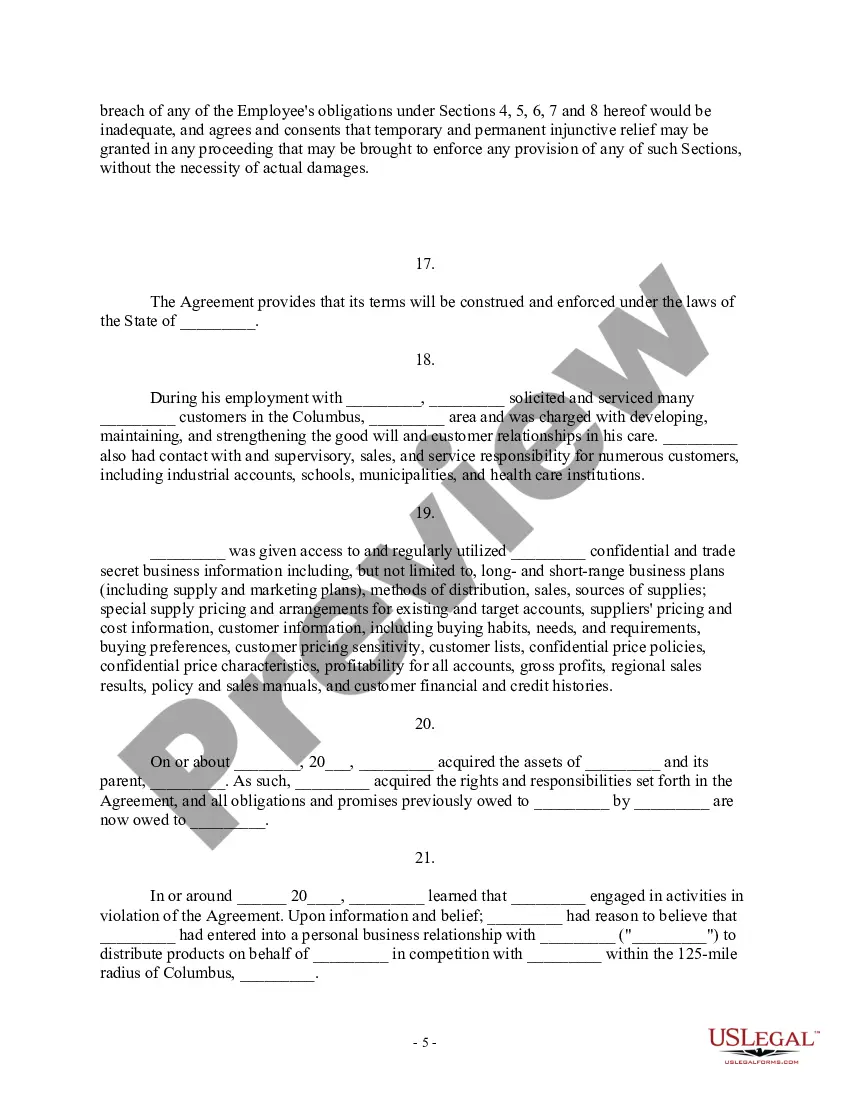
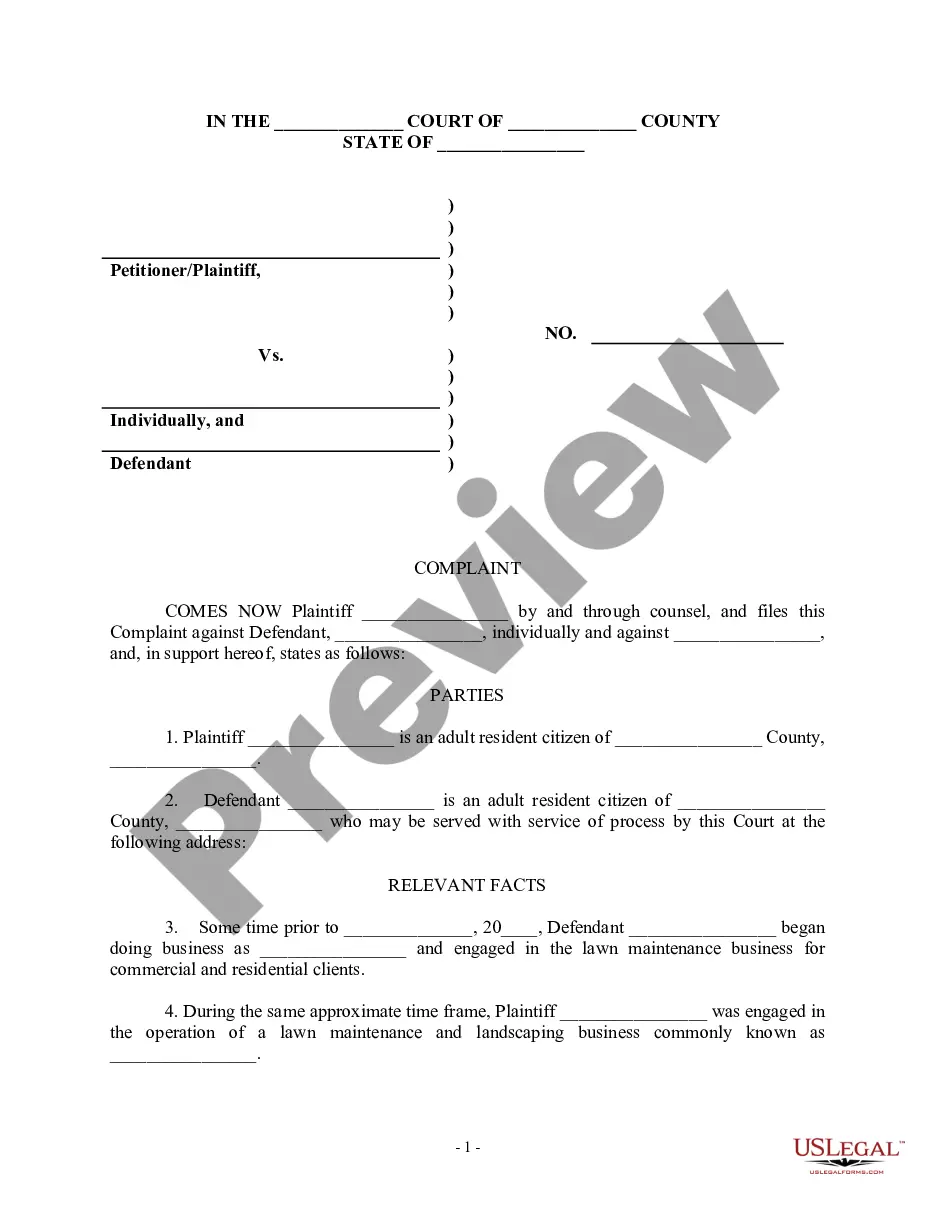
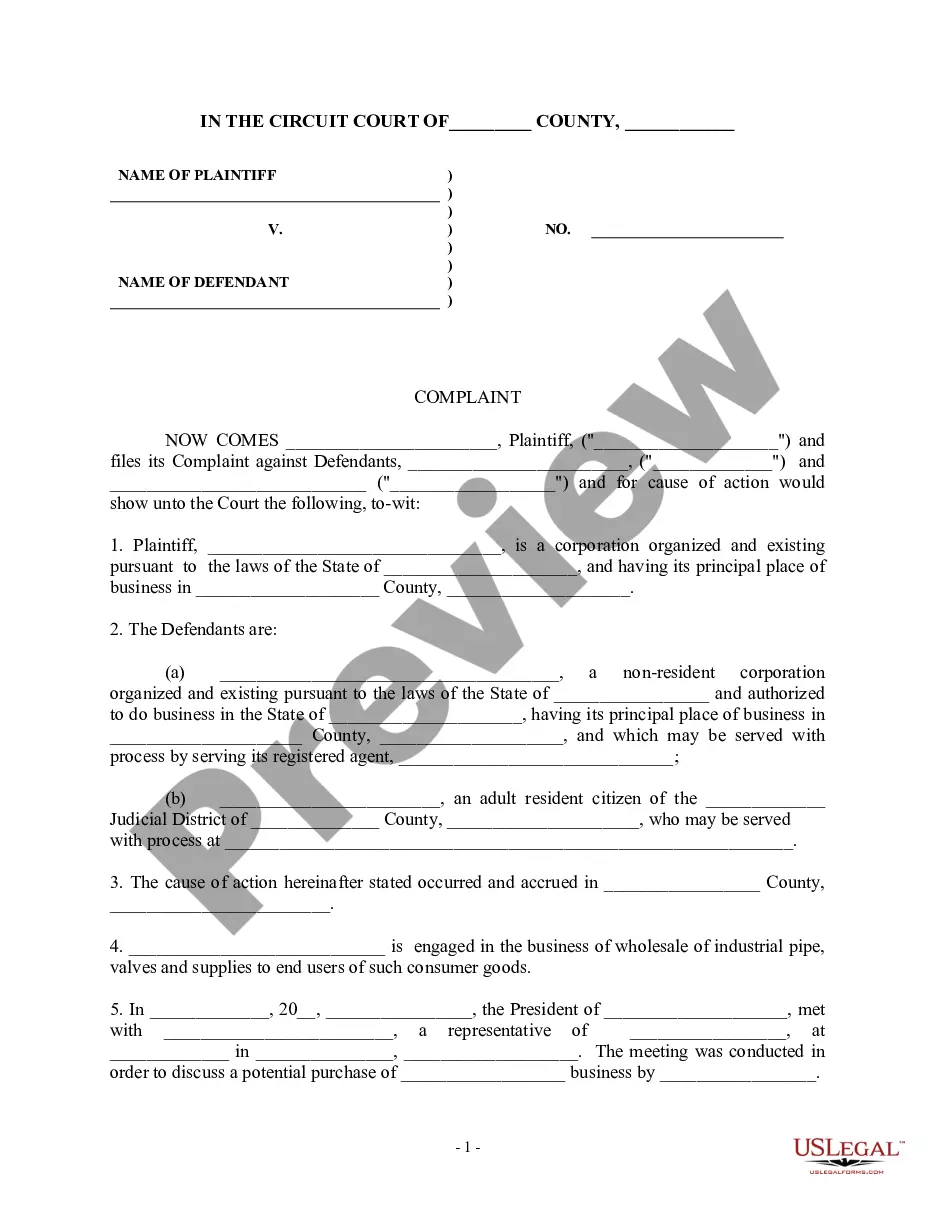

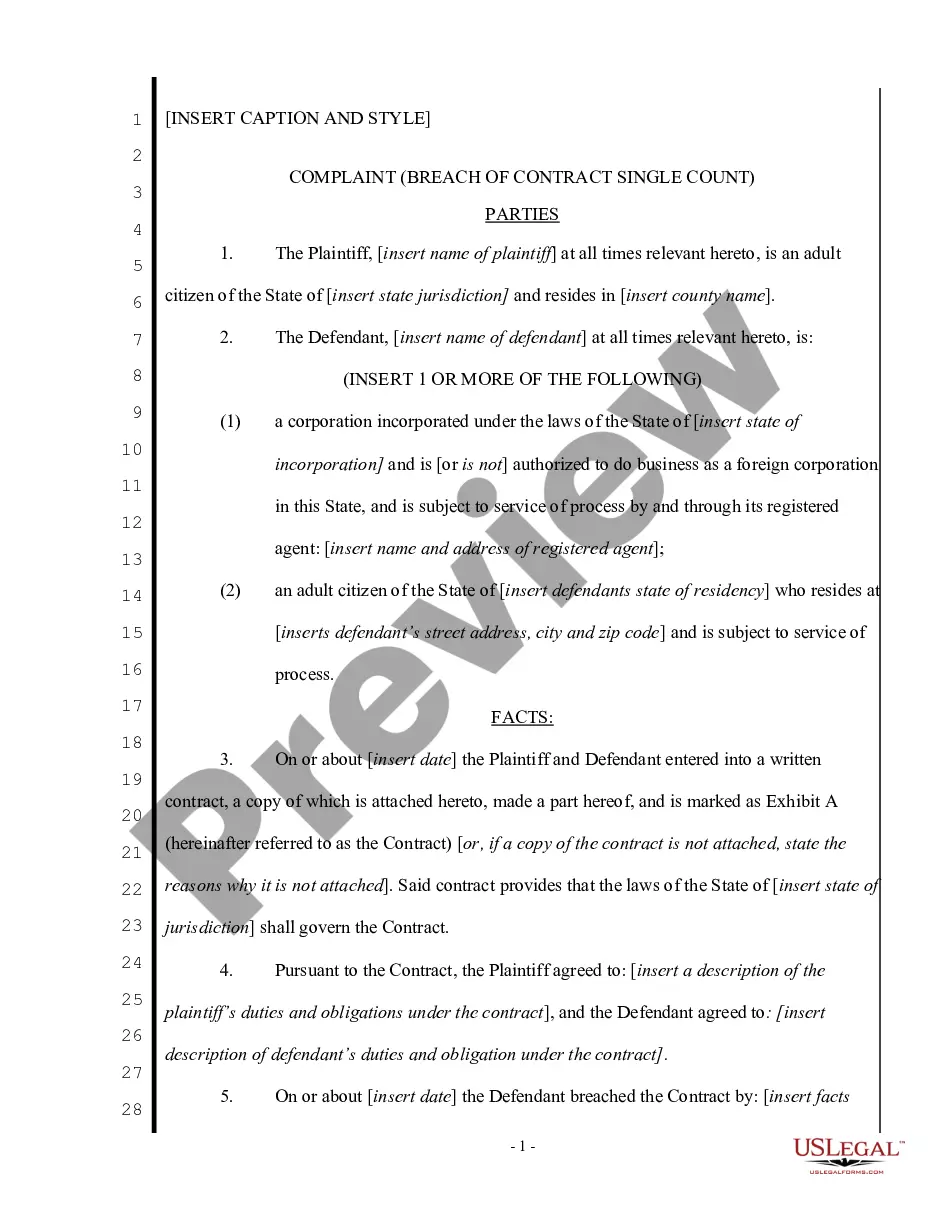
Get your form ready online
Our built-in tools help you complete, sign, share, and store your documents in one place.
Make edits, fill in missing information, and update formatting in US Legal Forms—just like you would in MS Word.
Download a copy, print it, send it by email, or mail it via USPS—whatever works best for your next step.
Sign and collect signatures with our SignNow integration. Send to multiple recipients, set reminders, and more. Go Premium to unlock E-Sign.
If this form requires notarization, complete it online through a secure video call—no need to meet a notary in person or wait for an appointment.
We protect your documents and personal data by following strict security and privacy standards.

Make edits, fill in missing information, and update formatting in US Legal Forms—just like you would in MS Word.

Download a copy, print it, send it by email, or mail it via USPS—whatever works best for your next step.

Sign and collect signatures with our SignNow integration. Send to multiple recipients, set reminders, and more. Go Premium to unlock E-Sign.

If this form requires notarization, complete it online through a secure video call—no need to meet a notary in person or wait for an appointment.

We protect your documents and personal data by following strict security and privacy standards.
Looking for another form?









Form popularity
FAQ
If you are: a person (this includes sole-proprietors) you may claim up to $12,500; if you are a Corporation, limited liability company or partnership, you may claim up to $6,250.
Conclusion: Going to small claims court may be worth it for $500, but it will determine how you weigh your costs versus benefits. At a minimum, it is worth it to send a demand letter.
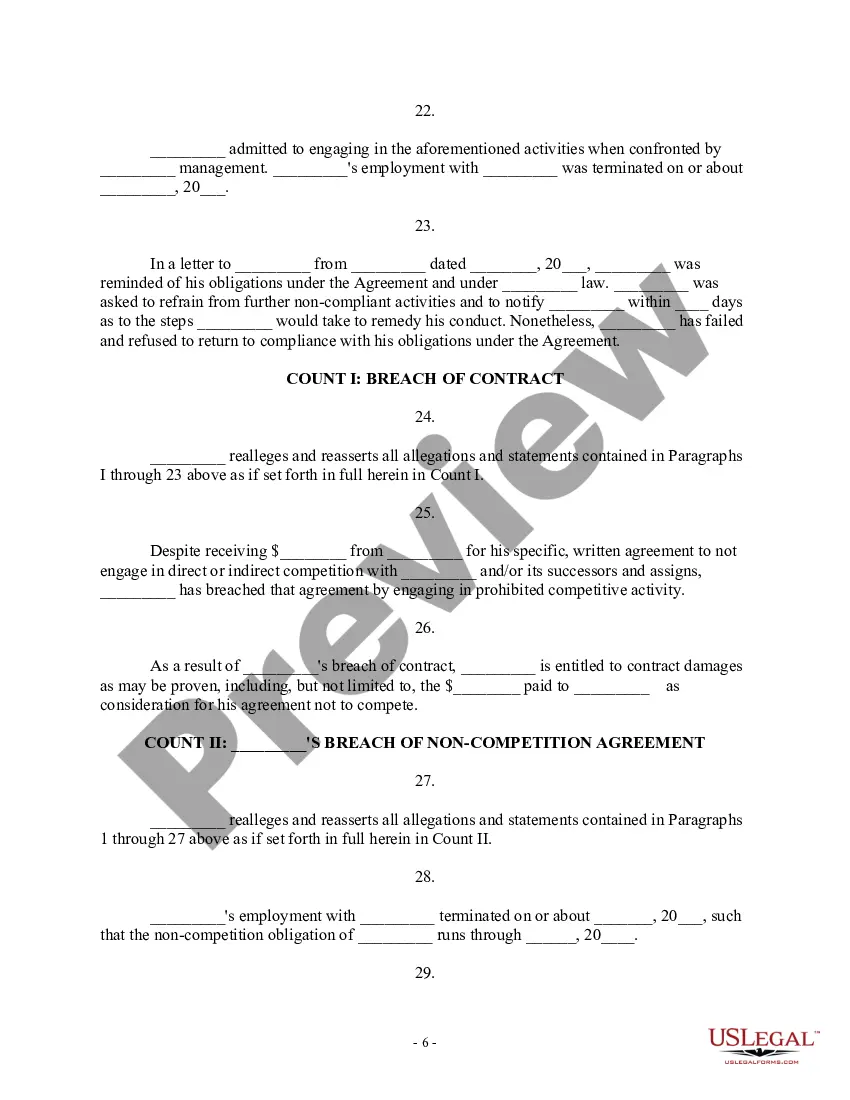
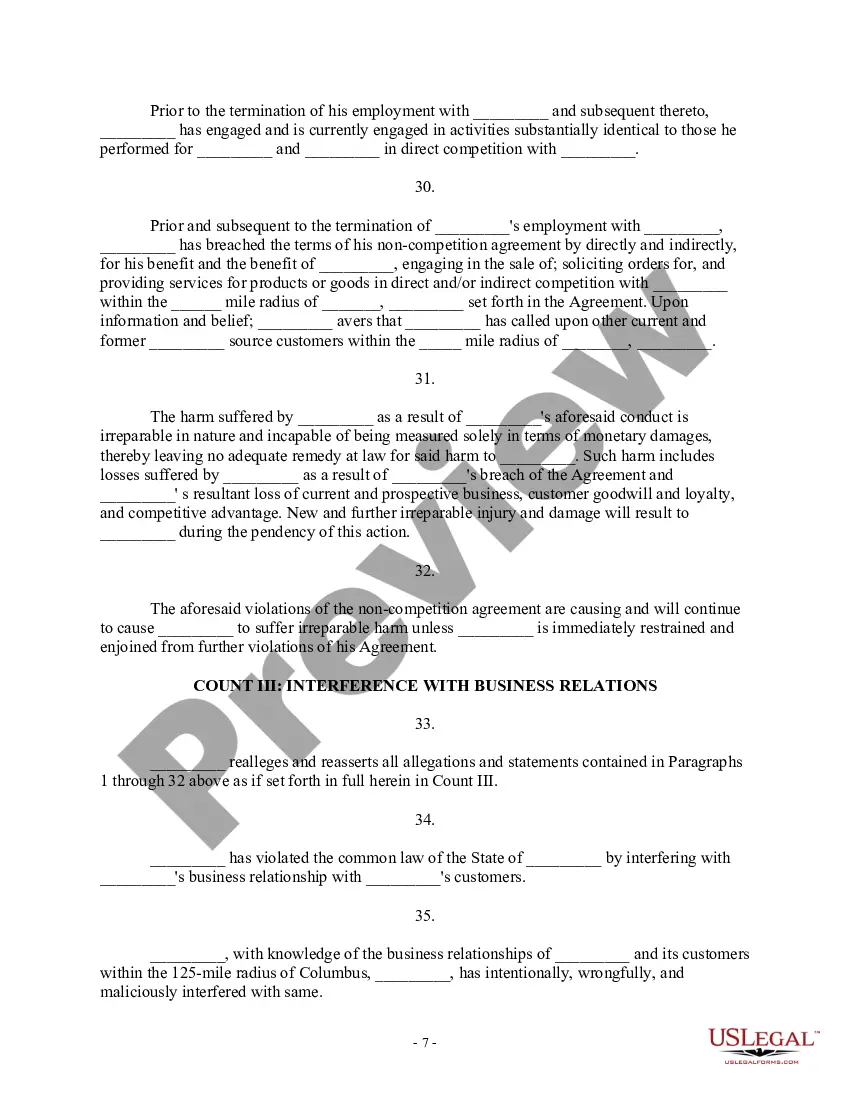
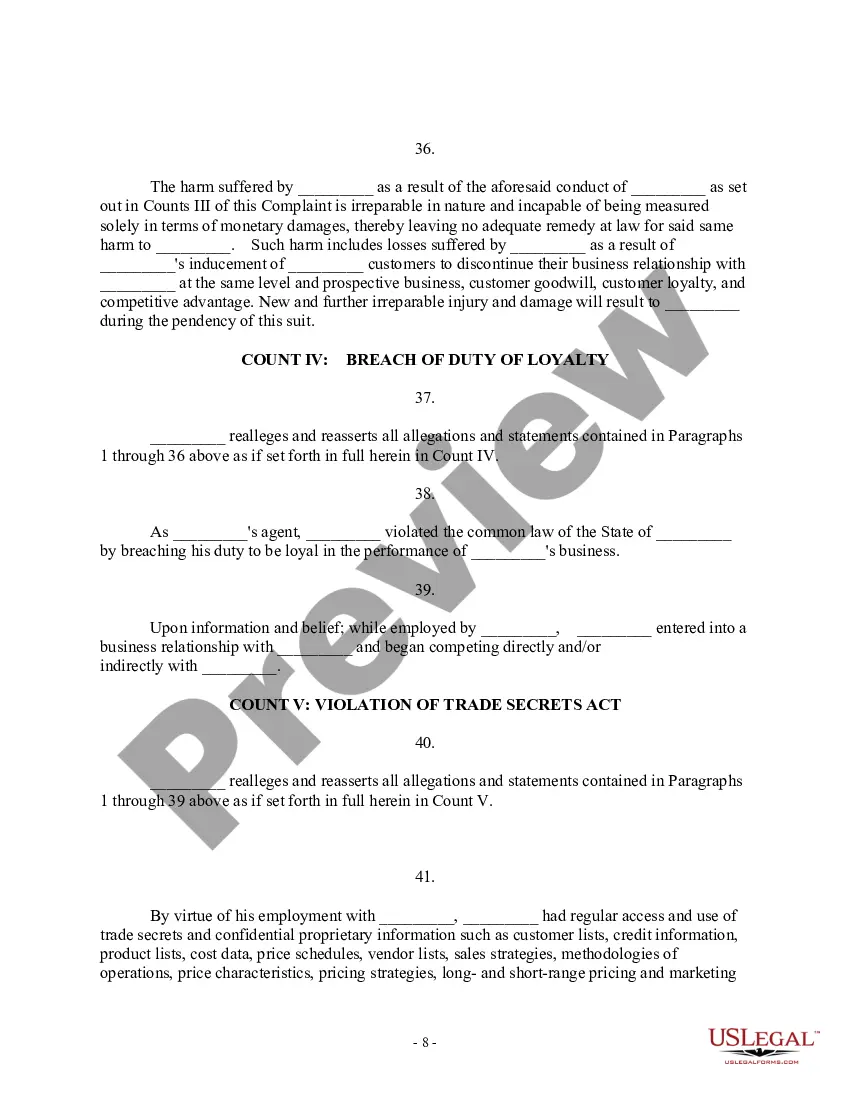
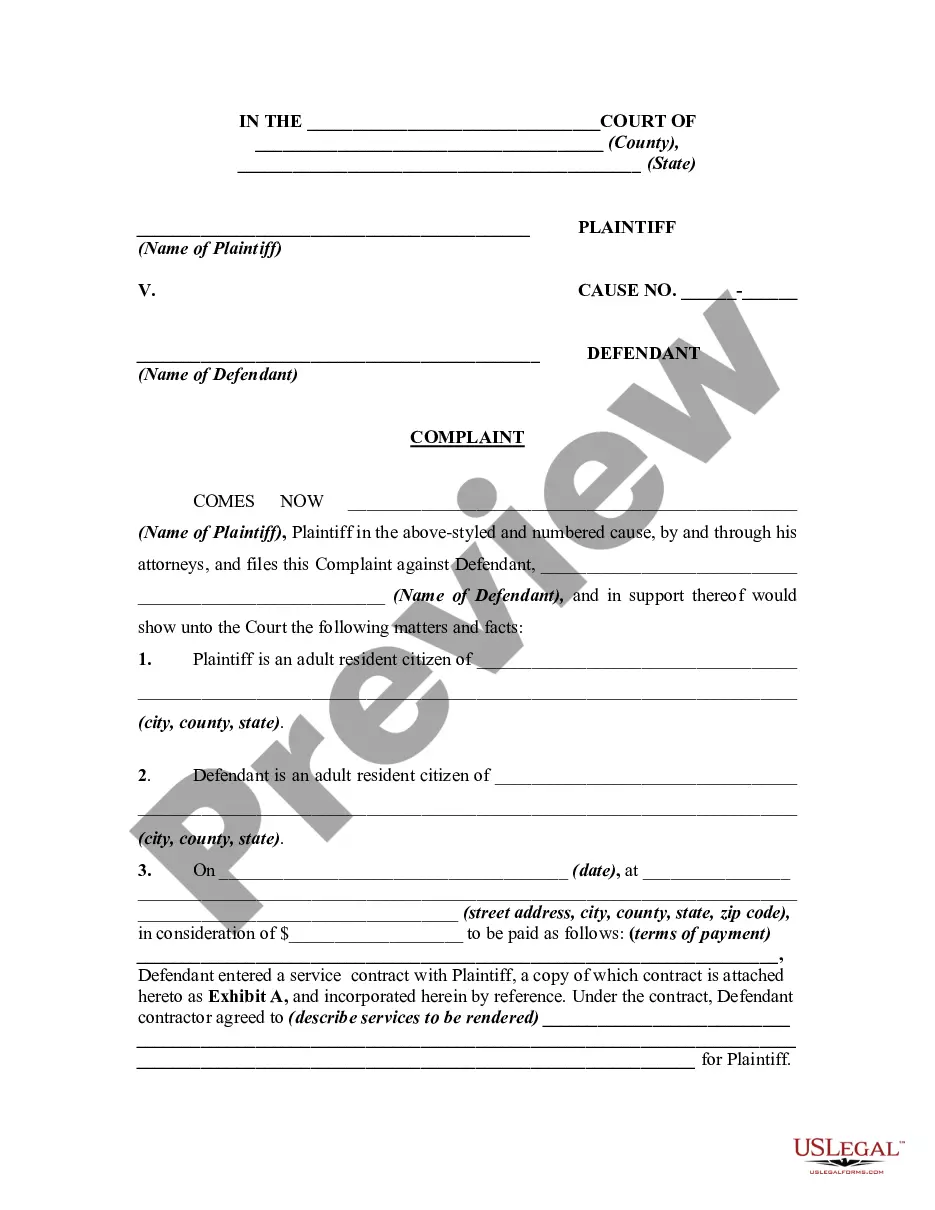
Injunctive relief is sought when a breach of contract threatens to cause irreparable harm that can't be adequately compensated by monetary damages. Injunctive relief can help safeguard the interests of the non-breaching party and prevent additional harm.
If you are: a person (this includes sole-proprietors) you may claim up to $12,500; if you are a Corporation, limited liability company or partnership, you may claim up to $6,250.
Generally, you can only sue for up to $12,500 in small claims court (or up to $6,250 if you're a business). You can ask a lawyer for advice before you go to court, but you can't have one with you in court.
It either stops someone from doing something or requires them to do something. It's used when no other legal remedy is available and to prevent irreparable harm. Injunctive relief is typically sought when monetary damages are insufficient to right a legal wrong or prevent future harm.
So, What Is Injunctive Relief? An Injunction (also known as “equitable relief”) is a legal remedy that can be sought in a civil lawsuit in addition to, or in place of, monetary damages. Basically, injunctive relief means a court will issue an order for the defendant to stop committing one or more specified actions.
Unlike monetary damages, which compensate a party for harm or losses, equitable relief directs a party to act—or refrain from acting—in a way that restores balance between the parties.
The first step to seek injunctive relief is to file your lawsuit in the appropriate county. It must be the county in which the majority of the issues have taken place or otherwise in the county where the defendant resided or worked. Select your court with due care.
(a) An injunction may be granted in the following cases: (1) When it appears by the complaint that the plaintiff is entitled to the relief demanded, and the relief, or any part thereof, consists in restraining the commission or continuance of the act complained of, either for a limited period or perpetually.