Person In Custody Meaning In Fairfax
Description






Get your form ready online
Our built-in tools help you complete, sign, share, and store your documents in one place.
Make edits, fill in missing information, and update formatting in US Legal Forms—just like you would in MS Word.
Download a copy, print it, send it by email, or mail it via USPS—whatever works best for your next step.
Sign and collect signatures with our SignNow integration. Send to multiple recipients, set reminders, and more. Go Premium to unlock E-Sign.
If this form requires notarization, complete it online through a secure video call—no need to meet a notary in person or wait for an appointment.
We protect your documents and personal data by following strict security and privacy standards.

Make edits, fill in missing information, and update formatting in US Legal Forms—just like you would in MS Word.

Download a copy, print it, send it by email, or mail it via USPS—whatever works best for your next step.

Sign and collect signatures with our SignNow integration. Send to multiple recipients, set reminders, and more. Go Premium to unlock E-Sign.

If this form requires notarization, complete it online through a secure video call—no need to meet a notary in person or wait for an appointment.

We protect your documents and personal data by following strict security and privacy standards.
Looking for another form?

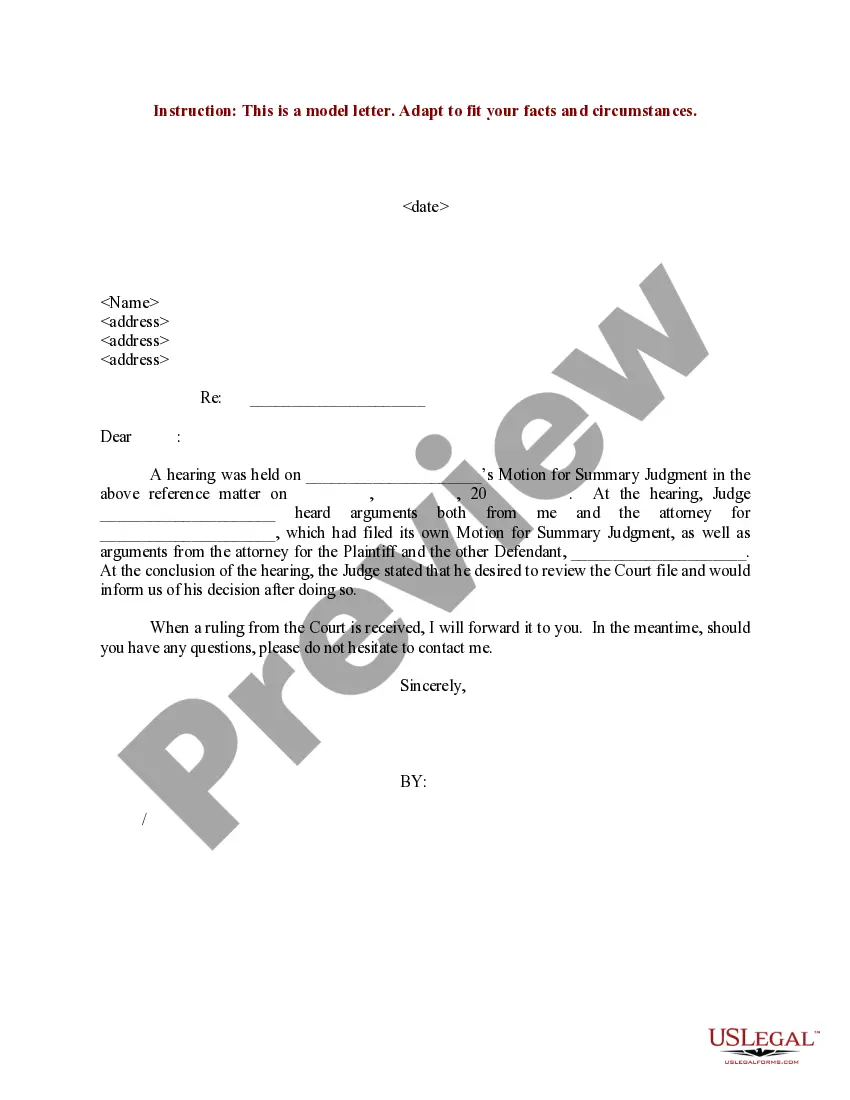
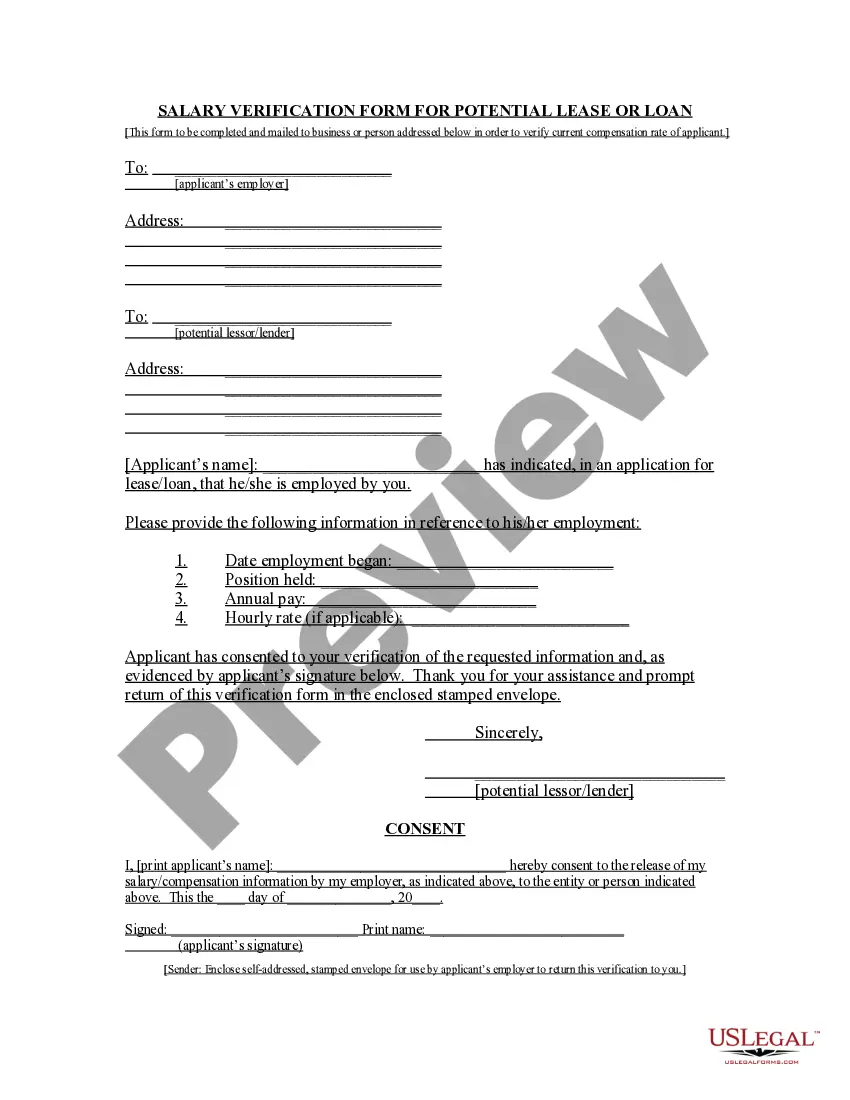

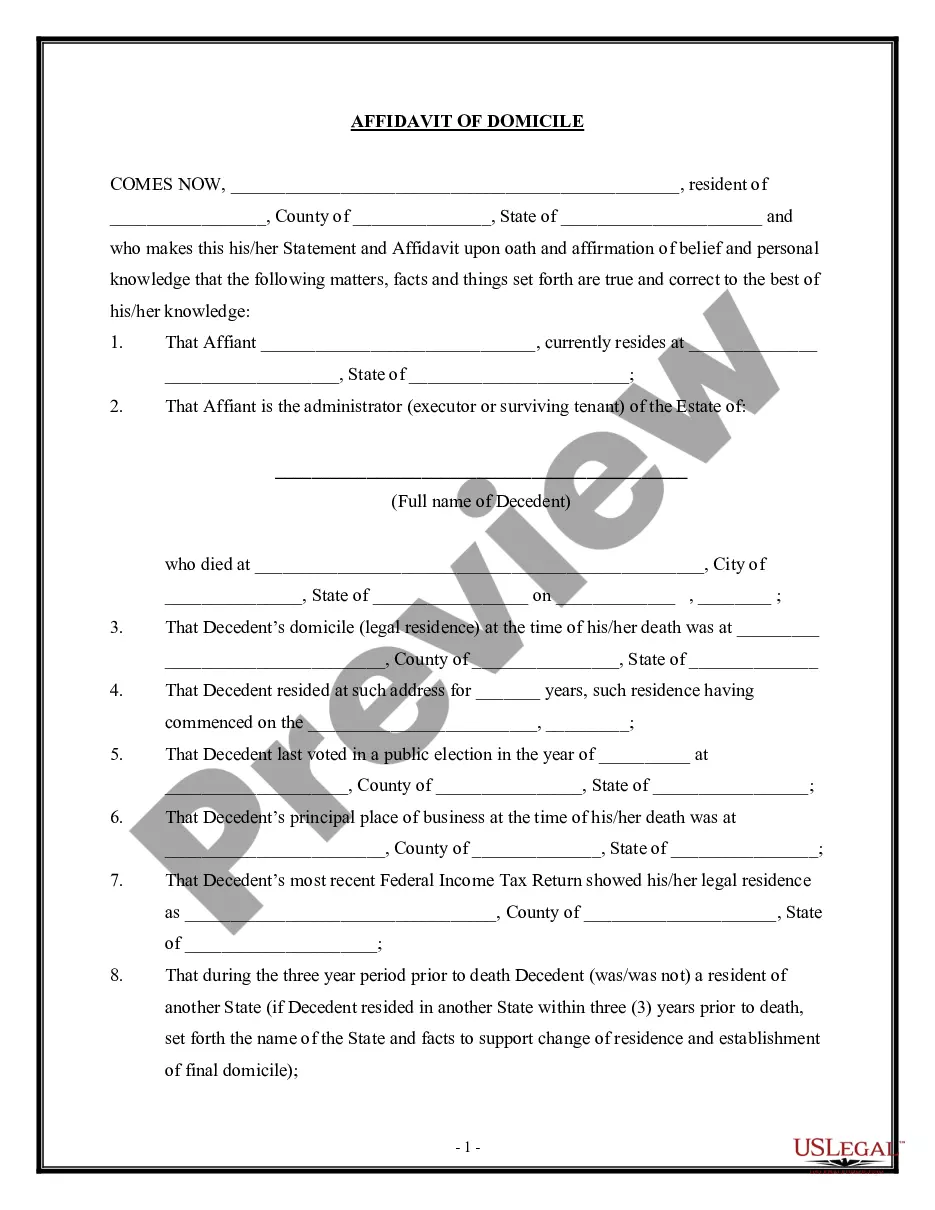

Form popularity
FAQ
a parent or a "person with a legitimate interest" seeking custody or visitation files a "petition" (form) with the Court Services Unit of the Juvenile and Domestic Relations District Court ("J&DR Court") of the city or county where the child has lived for at least six months.
In determining custody, the court shall give primary consideration to the best interests of the child. The court shall consider and may award joint legal, joint physical, or sole custody, and there shall be no presumption in favor of any form of custody.
Custody Battle Blunders: Top 10 Mistakes To Avoid Negative Speech About The Other Parent. Seeking Sympathy From The Child. Poor Communication With The Other Parent. Unjustifiably Withholding Access With The Other Parent. Misrepresenting Substance Abuse. Separating Siblings In Blended Families.
Yes, it's possible to get sole custody of your child, even if something was never filed with the court, you have to go to the court yourself and file a petition for sole custody of the child. If the other parent has not been in the child's life, i...
The parent should file a petition with the family court requesting the custody transfer. The petition should include reasons for the transfer and any relevant supporting documents. Notify the other parent (if applicable) and any other parties involved in the child's life, as required by law.
a parent or a "person with a legitimate interest" seeking custody or visitation files a "petition" (form) with the Court Services Unit of the Juvenile and Domestic Relations District Court ("J&DR Court") of the city or county where the child has lived for at least six months.
Virginia Custody Law Explained Physical custody is a term used to designate who the child lives with. In Virginia the court can award either sole legal custody to one parent or joint legal custody to both parents. A parent who is awarded sole legal custody retains 100% authority to make decisions concerning the child.
As the custodial parent, you likely have both legal and physical custody. Legal custody gives you the responsibility and authority to decide your child's upbringing. This includes their education, discipline, medical care, and religious teachings.
Custody is distinct from both paternity and parentage. Custody refers to who has the right to make important decisions on the part of the involved children (legal custody) and to how both parents divide their time between the children (physical custody).
Primary custody gives one parent the vast majority of parenting time. The other parent gets some visitation time. In states that use this term, like Tennessee, the parent whom the child mostly lives with is often called the primary residential custodian or primary residential parent.
