Injunctive Relief For In California
Description

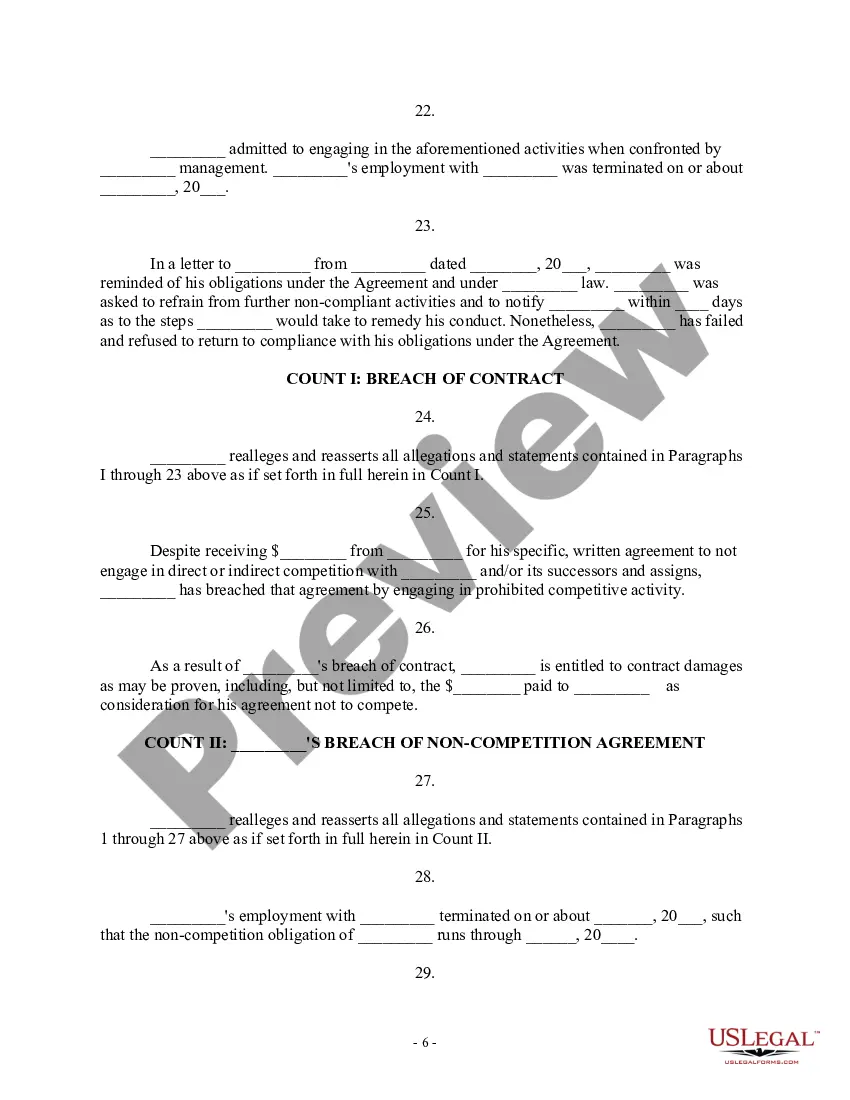
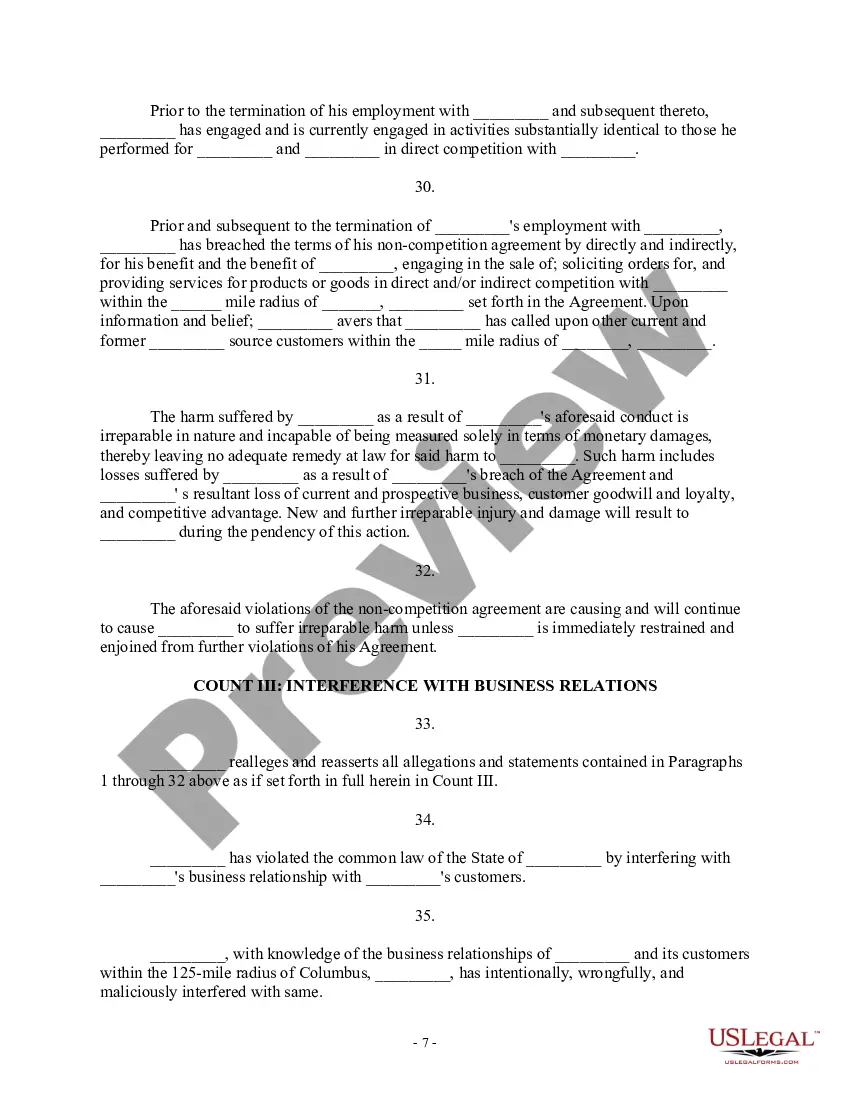
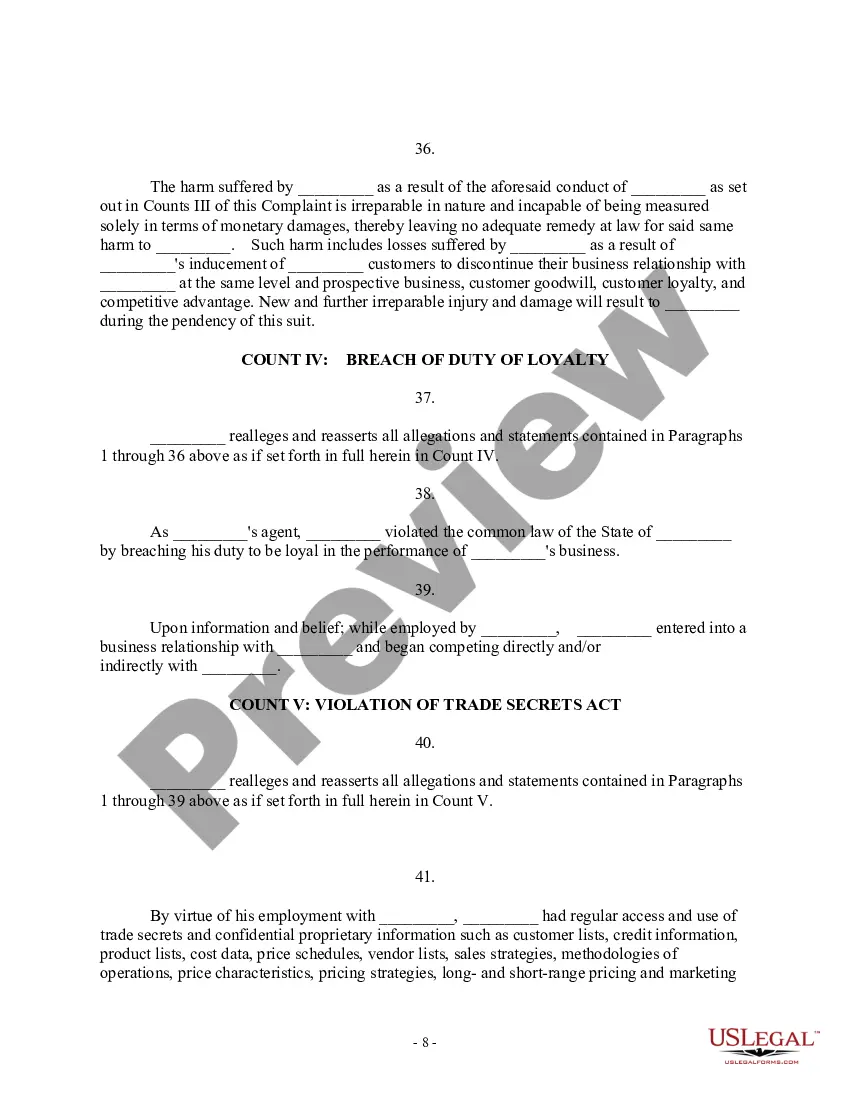
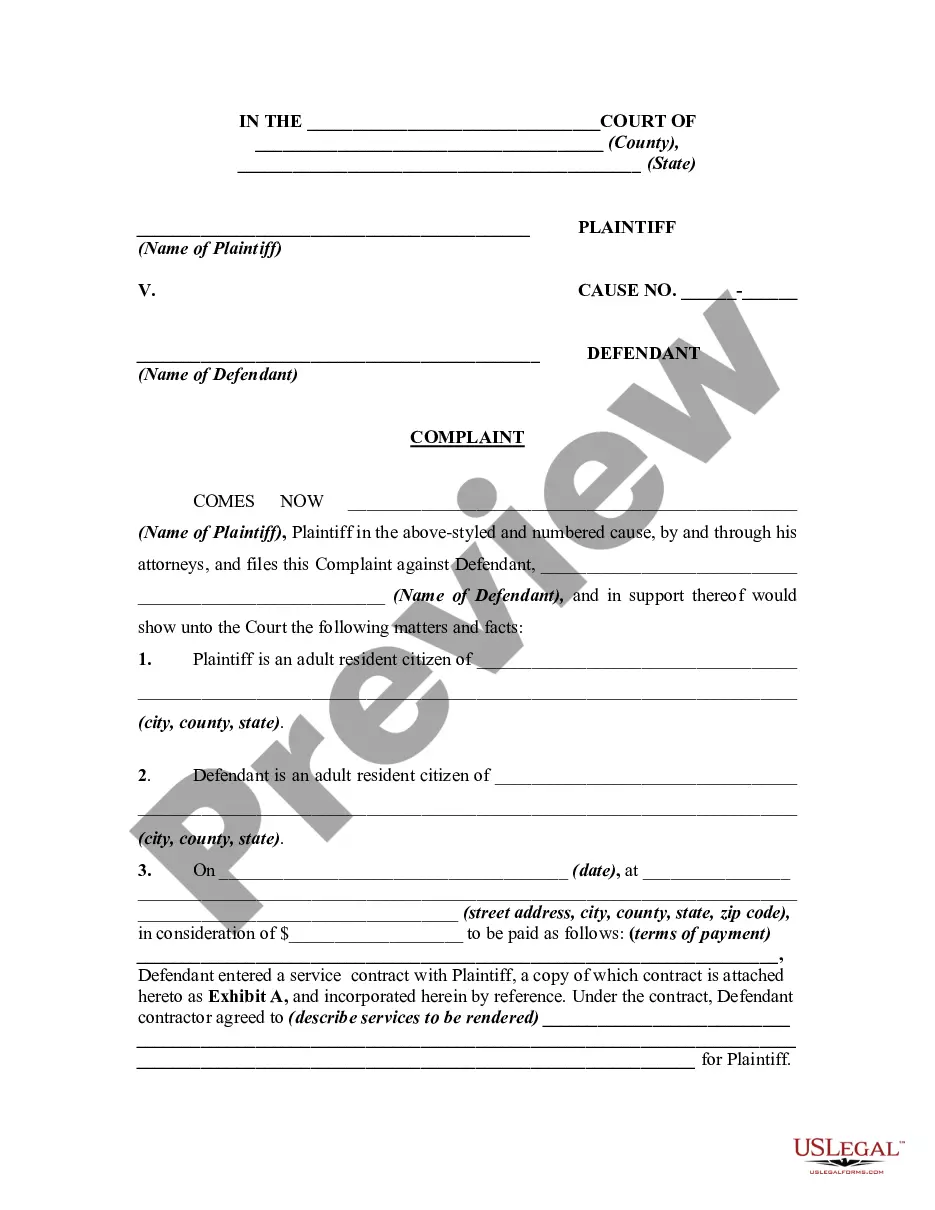

Get your form ready online
Our built-in tools help you complete, sign, share, and store your documents in one place.
Make edits, fill in missing information, and update formatting in US Legal Forms—just like you would in MS Word.
Download a copy, print it, send it by email, or mail it via USPS—whatever works best for your next step.
Sign and collect signatures with our SignNow integration. Send to multiple recipients, set reminders, and more. Go Premium to unlock E-Sign.
If this form requires notarization, complete it online through a secure video call—no need to meet a notary in person or wait for an appointment.
We protect your documents and personal data by following strict security and privacy standards.

Make edits, fill in missing information, and update formatting in US Legal Forms—just like you would in MS Word.

Download a copy, print it, send it by email, or mail it via USPS—whatever works best for your next step.

Sign and collect signatures with our SignNow integration. Send to multiple recipients, set reminders, and more. Go Premium to unlock E-Sign.

If this form requires notarization, complete it online through a secure video call—no need to meet a notary in person or wait for an appointment.

We protect your documents and personal data by following strict security and privacy standards.
Looking for another form?







Form popularity
FAQ
Injunctive relief in a breach of contract claim is a court-ordered legal remedy whereby the court orders a party to either do something or refrain from doing something. Injunctive relief is sought when a breach of contract threatens to cause irreparable harm that can't be adequately compensated by monetary damages.
Any person interested under a written instrument, excluding a will or a trust, or under a contract, or who desires a declaration of his or her rights or duties with respect to another, or in respect to, in, over or upon property, or with respect to the location of the natural channel of a watercourse, may, in cases of ...
The California Anti-Injunction Statutes One of the statutes at issue in the Ralphs decision, the Moscone Act (California Code of Civil Procedure section 527.3), provides that picketing and related union activities during a labor dispute cannot be enjoined except in the case of certain unlawful conduct.
Declaratory relief: is a legal term that refers to a type of court action in which a plaintiff seeks a judgment from a court declaring the rights, duties, or obligations of one or more parties. The purpose of a declaratory relief action is to obtain clarity on a legal issue before any harm or damage has occurred.
Declaratory Relief is a legal procedure designed for those seeking “preventive justice.” Specifically, its purpose is to “set controversies at rest before they lead to repudiation of obligations, invasions of rights or commissions of wrongs.” It is a vehicle to allow a presumptive defendant or respondent take ...
The “5-year rule” in California refers to summary dissolution, which is a simplified process for ending a marriage or domestic partnership without a formal court hearing. Its hope is to be a fast and less expensive option for couples who meet the specific criteria.
The caption of a declaration must state the name of the declarant and must specifically identify the motion or other proceeding that it supports or opposes.
To obtain a preliminary injunction, the seeking party must generally show that they are likely to succeed on the merits of their case, that they will suffer irreparable harm without the injunction, that the balance of hardships favors them, and that the public interest supports the injunction.
Injunctive relief usually takes one of three forms: temporary restraining order (TRO), preliminary injunction, and permanent injunction. As their modifying terms imply, each has a different level of the time commitment involved.
(11) A plaintiff seeking a preliminary injunction bears the burden of presenting facts which show a reasonable probability that he will succeed on the merits.
