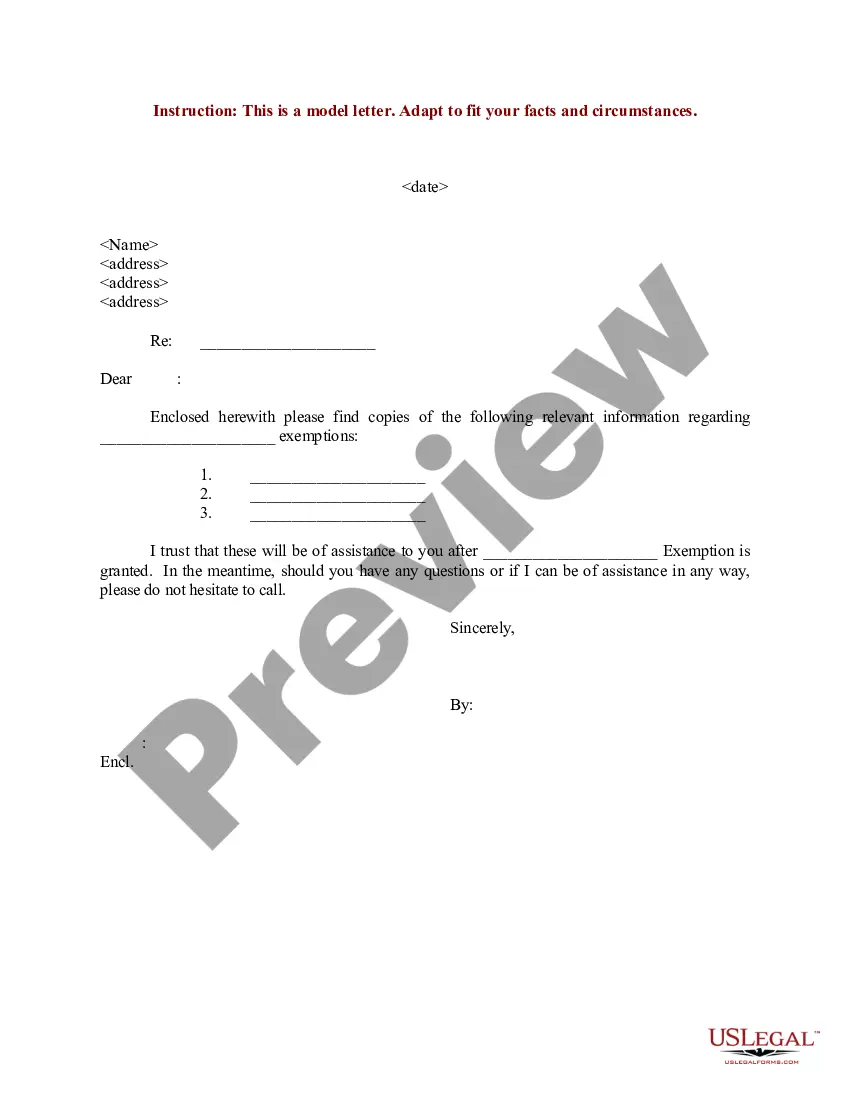
Sample Exemption Letter For Jury Duty In Illinois
Description
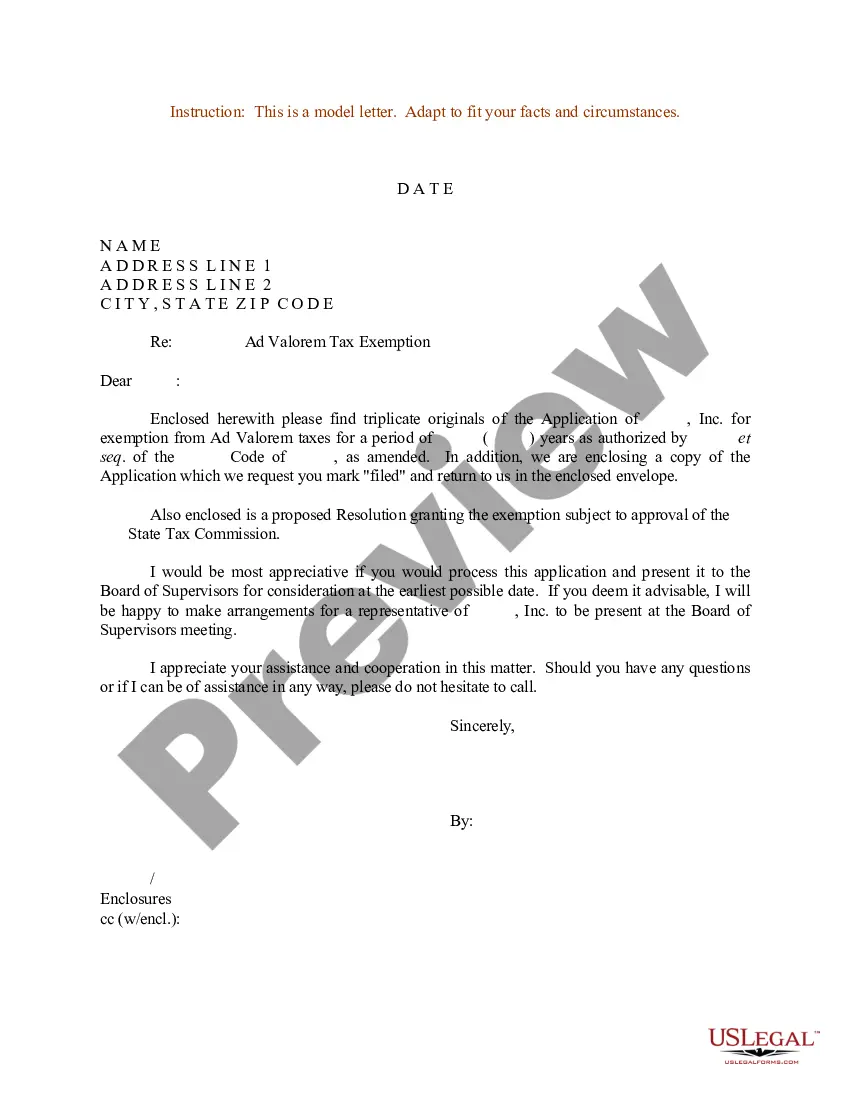
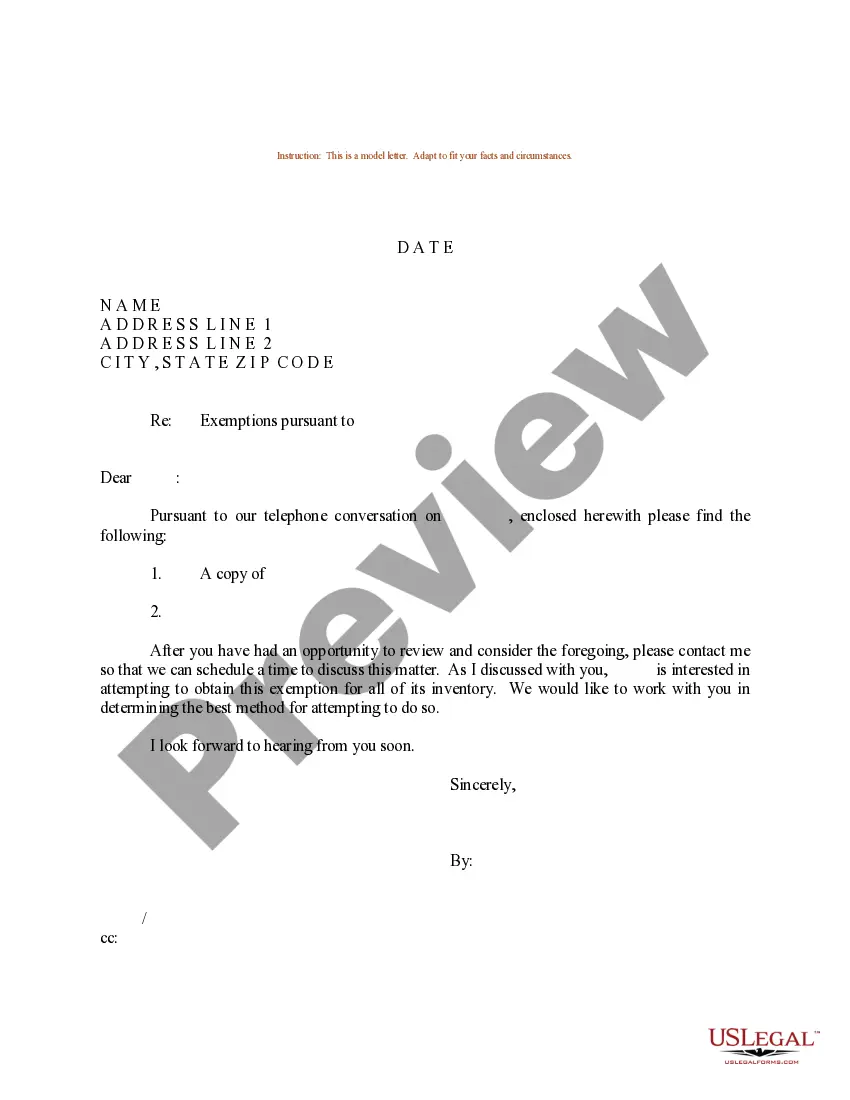
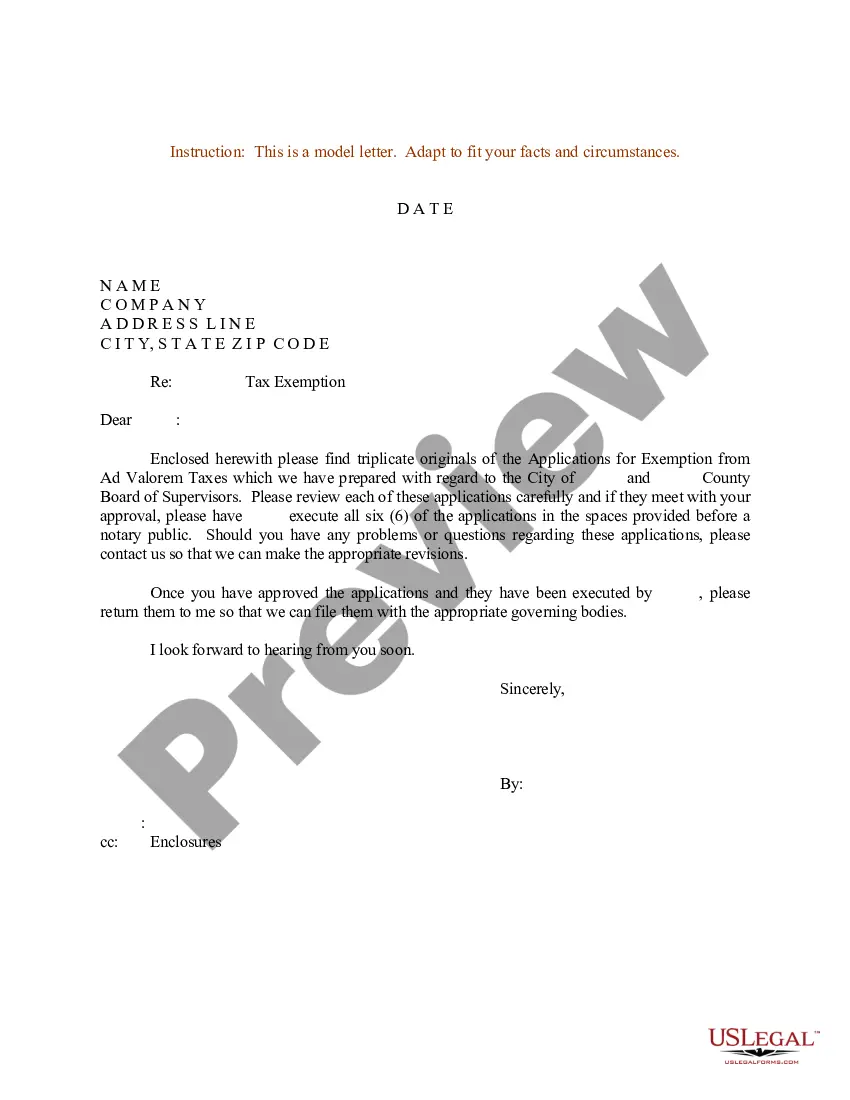
Get your form ready online
Our built-in tools help you complete, sign, share, and store your documents in one place.
Make edits, fill in missing information, and update formatting in US Legal Forms—just like you would in MS Word.
Download a copy, print it, send it by email, or mail it via USPS—whatever works best for your next step.
Sign and collect signatures with our SignNow integration. Send to multiple recipients, set reminders, and more. Go Premium to unlock E-Sign.
If this form requires notarization, complete it online through a secure video call—no need to meet a notary in person or wait for an appointment.
We protect your documents and personal data by following strict security and privacy standards.

Make edits, fill in missing information, and update formatting in US Legal Forms—just like you would in MS Word.

Download a copy, print it, send it by email, or mail it via USPS—whatever works best for your next step.

Sign and collect signatures with our SignNow integration. Send to multiple recipients, set reminders, and more. Go Premium to unlock E-Sign.

If this form requires notarization, complete it online through a secure video call—no need to meet a notary in person or wait for an appointment.

We protect your documents and personal data by following strict security and privacy standards.
Looking for another form?









Form popularity
FAQ
The summons is issued by the clerk or jury commission of the U.S. District Court.
If you have been convicted of a felony when the conviction has not been set aside or a pardon issued. If you are a judge, clerk of a district court, a sheriff, or a jailer. If your spouse has been summoned for the same jury panel. If you or your spouse have a pending jury trial in any court.
The clerk or jury commission will first attempt mail service via registered, certified, or first-class mail addressed to the named individual at his or her usual residence or business address.
Dear Office of Jury Commissioner: I am a physician treating Juror Name for identify general nature of medical condition - specific diagnosis is not required.. This medical condition is a permanent medical condition. In my opinion, Juror Name will never be able to perform juror service.
It means that you have to report to the court for jury selection. It's usually in letter format and there is usually a form to fill out or a way to do that form online. Sometimes you have to call a number during the week that you have to report to see if you have to come in.
By law, the courts will excuse from jury duty anyone with a mental or physical condition that would keep them from serving as a juror. There is not an exemption based on age, but you may request to be excused if you have a hardship that would make it difficult to serve.
When writing a jury excuse letter, directly state why you cannot serve and how serving would lead to hardship. Valid exemptions include being ill or disabled, being the sole guardian of young children, or being over the age of 70. Include documentation such as a doctor's note or a letter from an employer.
Some valid reasons include: You have a medical condition and jury service presents a hazard to your health. You are an active member of the military. You currently have a lawsuit filed in Cook County. You currently reside in a nursing home or institution. You will suffer extreme financial hardship.
When writing a jury excuse letter, directly state why you cannot serve and how serving would lead to hardship. Valid exemptions include being ill or disabled, being the sole guardian of young children, or being over the age of 70. Include documentation such as a doctor's note or a letter from an employer.