Bonus Letter Sample For Scholarship Application In Texas
Description
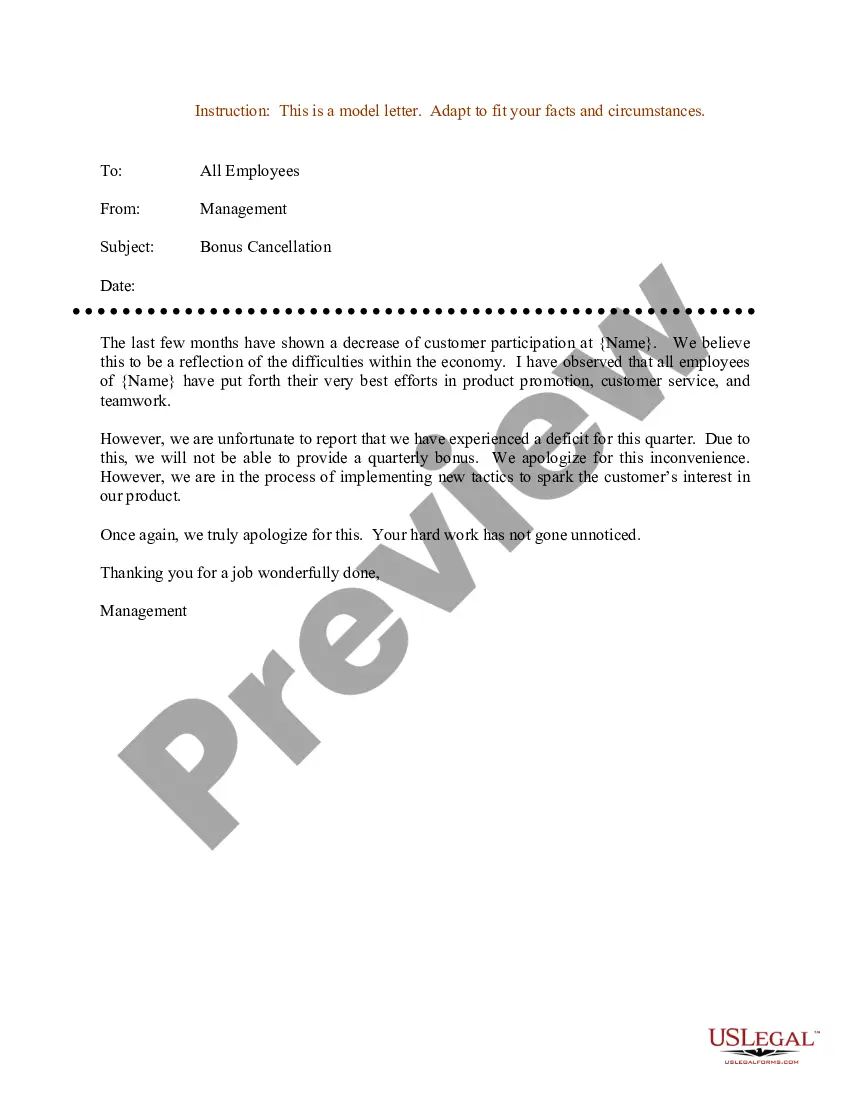
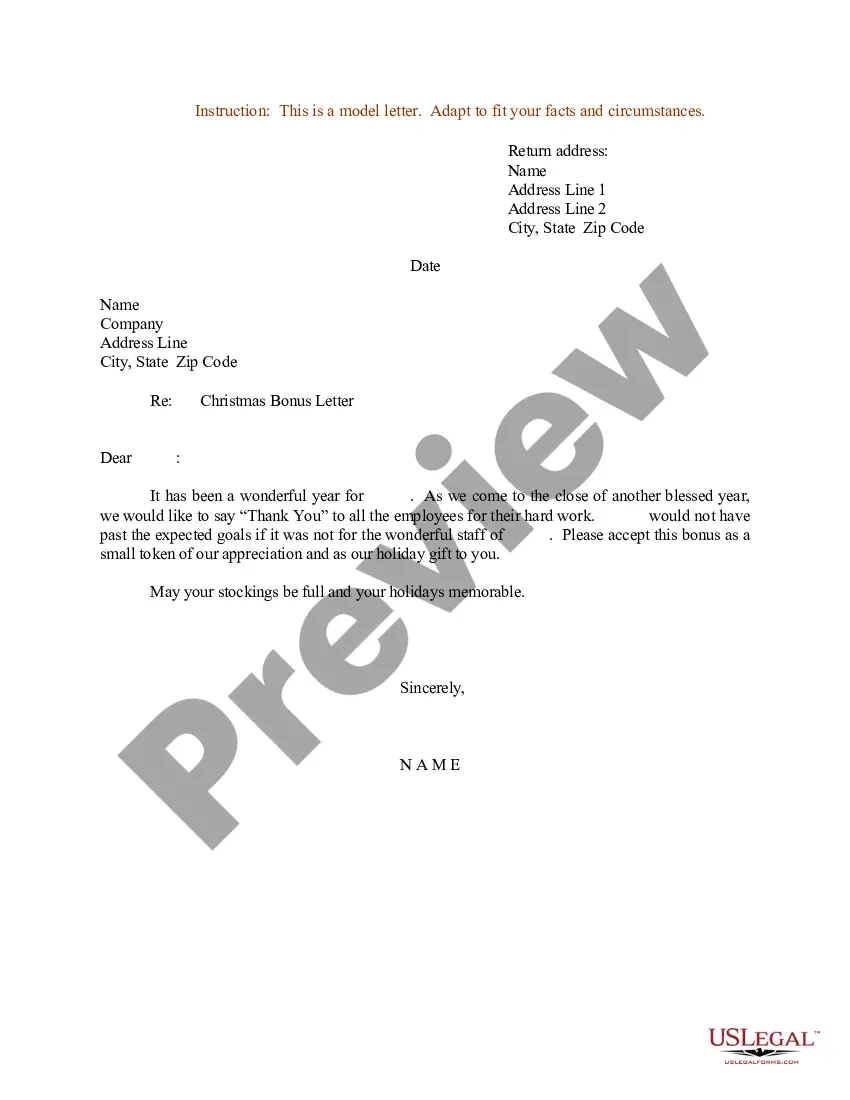
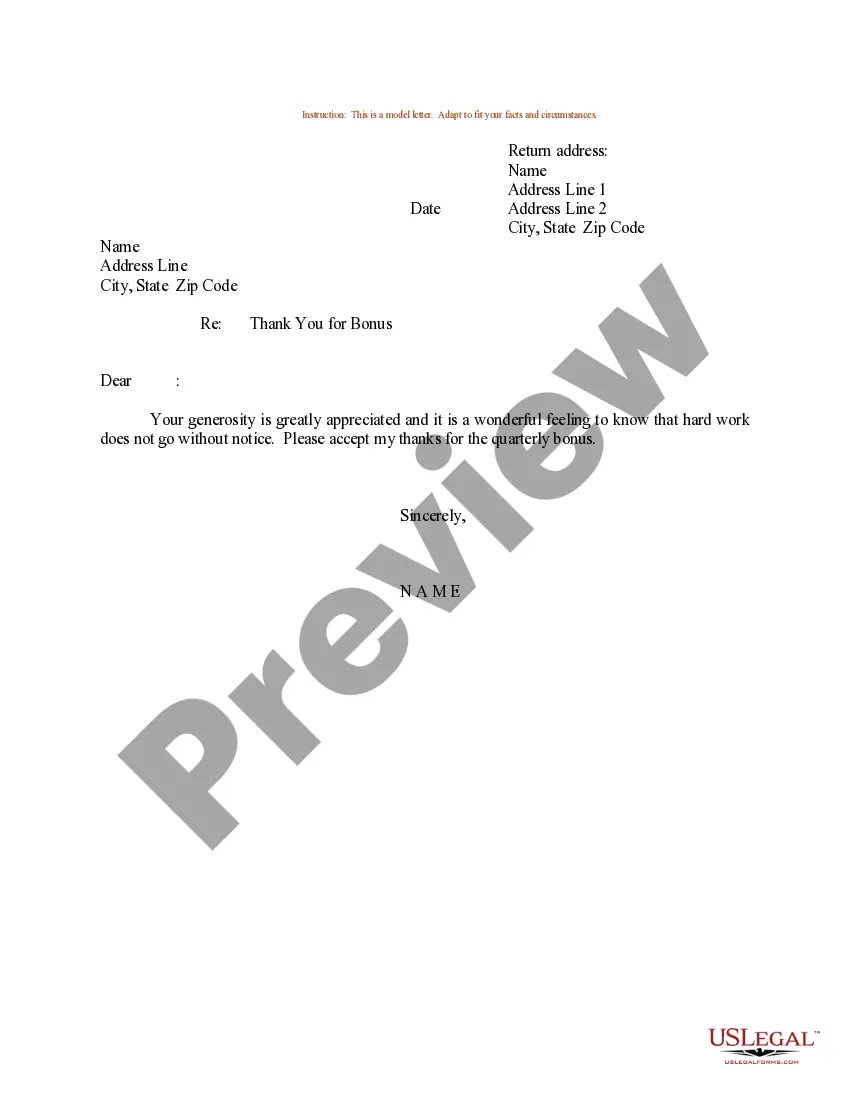
Get your form ready online
Our built-in tools help you complete, sign, share, and store your documents in one place.
Make edits, fill in missing information, and update formatting in US Legal Forms—just like you would in MS Word.
Download a copy, print it, send it by email, or mail it via USPS—whatever works best for your next step.
Sign and collect signatures with our SignNow integration. Send to multiple recipients, set reminders, and more. Go Premium to unlock E-Sign.
If this form requires notarization, complete it online through a secure video call—no need to meet a notary in person or wait for an appointment.
We protect your documents and personal data by following strict security and privacy standards.

Make edits, fill in missing information, and update formatting in US Legal Forms—just like you would in MS Word.

Download a copy, print it, send it by email, or mail it via USPS—whatever works best for your next step.

Sign and collect signatures with our SignNow integration. Send to multiple recipients, set reminders, and more. Go Premium to unlock E-Sign.

If this form requires notarization, complete it online through a secure video call—no need to meet a notary in person or wait for an appointment.

We protect your documents and personal data by following strict security and privacy standards.
Looking for another form?








Form popularity
FAQ
I am confident that my passion for the subject, combined with my academic achievements and research experience, make me a strong candidate for this scholarship. In conclusion, I am deeply grateful for the opportunity to apply for this scholarship.
How to write a scholarship application letter Review the organization's requirements. Include your contact information. Introduce yourself and why you're applying. Discuss your major accomplishments. List your unique skills or qualities. Express your interest in your education or career. Conclude and thank the reader.
Request an aid adjustment. To request an aid adjustment, contact your school's financial aid office. Your school may ask you to provide documentation about your circumstances so that they can consider making an adjustment to your FAFSA information and aid offer.
First paragraph – identify what you are applying for. Second paragraph (or combine with first paragraph) – explain your goals. Third paragraph – talk about yourself, including what the scholarship committee wants to know about you. Fourth paragraph – summarize how you have met their requirements.
I am applying for (name of scholarship) because (your reason for applying). I want to pursue a degree in (career) because (describe your interests and goals). Tell about your important life experiences, your activities in school, your community or church, and what you have learned from these experiences.
How to write a scholarship application letter Review the organization's requirements. Include your contact information. Introduce yourself and why you're applying. Discuss your major accomplishments. List your unique skills or qualities. Express your interest in your education or career. Conclude and thank the reader.
Briefly introduce yourself, state the scholarship you are applying for, and express your enthusiasm. Mention a compelling reason or a personal story that makes the scholarship particularly significant to you. Clearly articulate your academic pursuits and how they align with your career aspirations.
Reward good performance: Bonuses can be given to recognize and reward employees for exceptional performance or for meeting certain performance targets. Show appreciation/Boost morale: Bonuses can be given as a way for companies to show appreciation to their employees and boost morale.

