Sample Bonus Policy In San Bernardino
Description
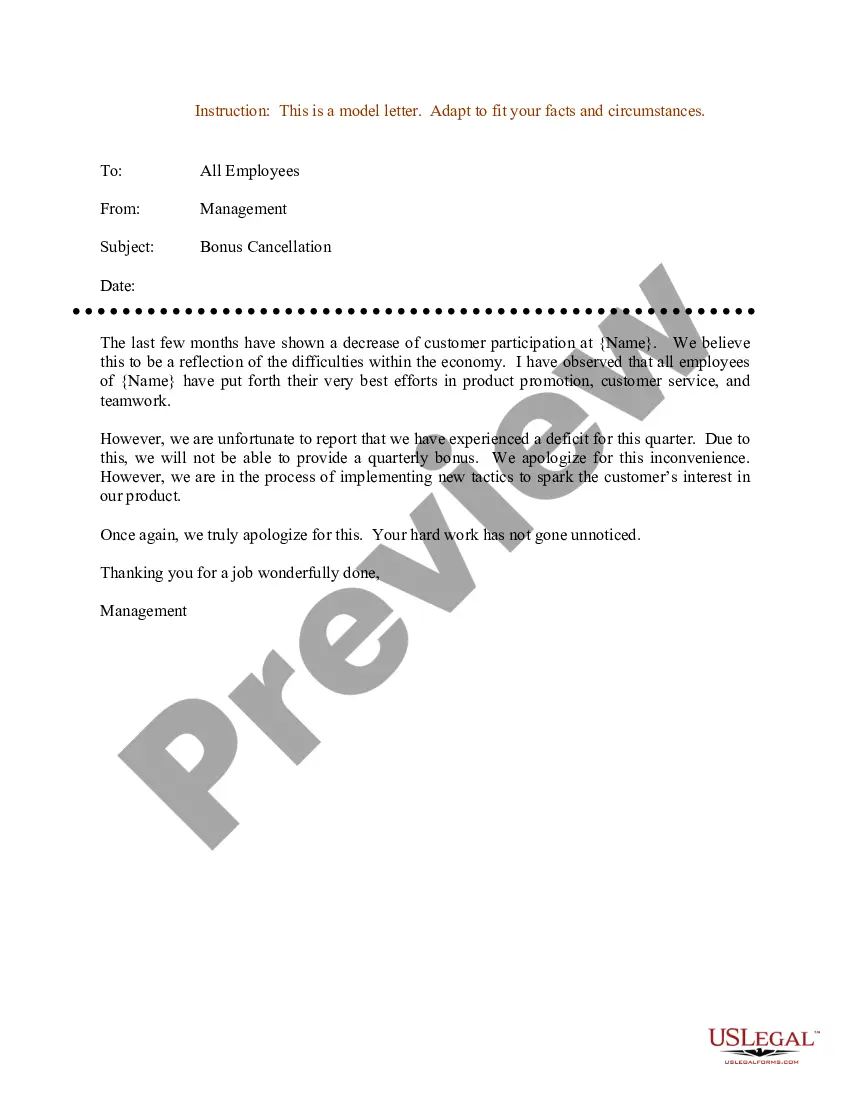
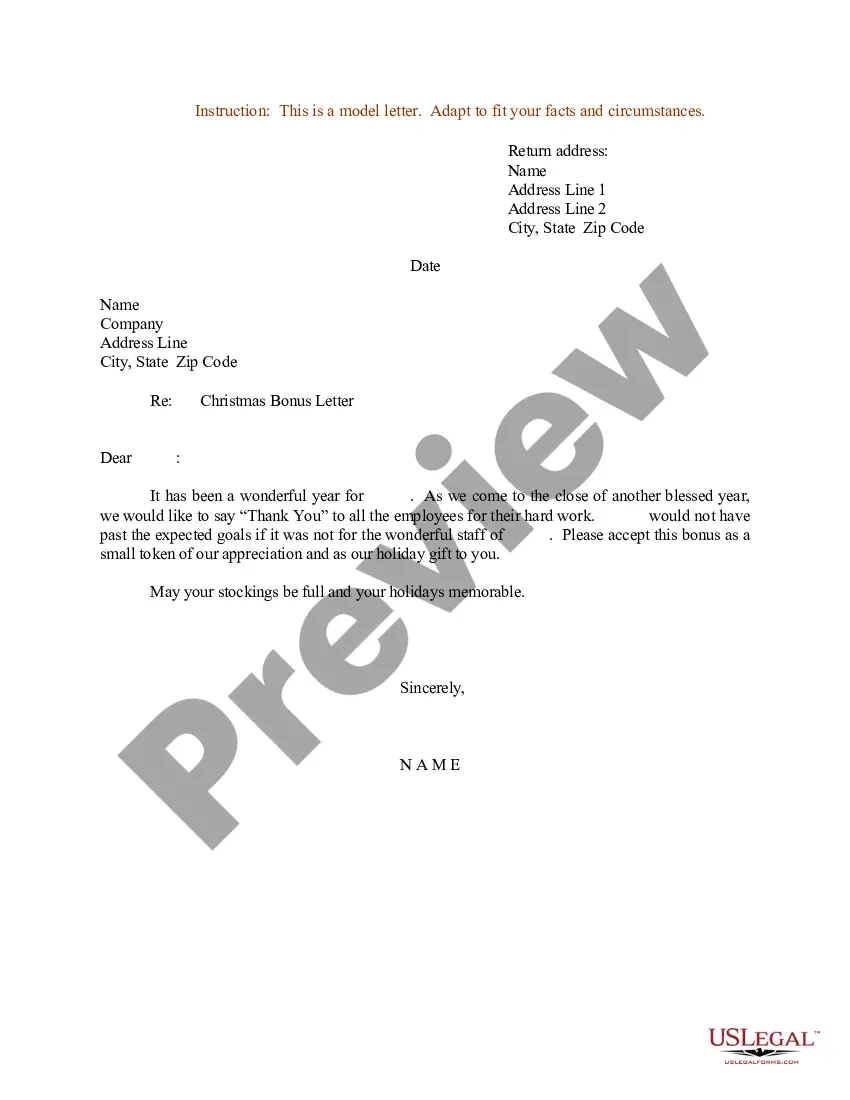
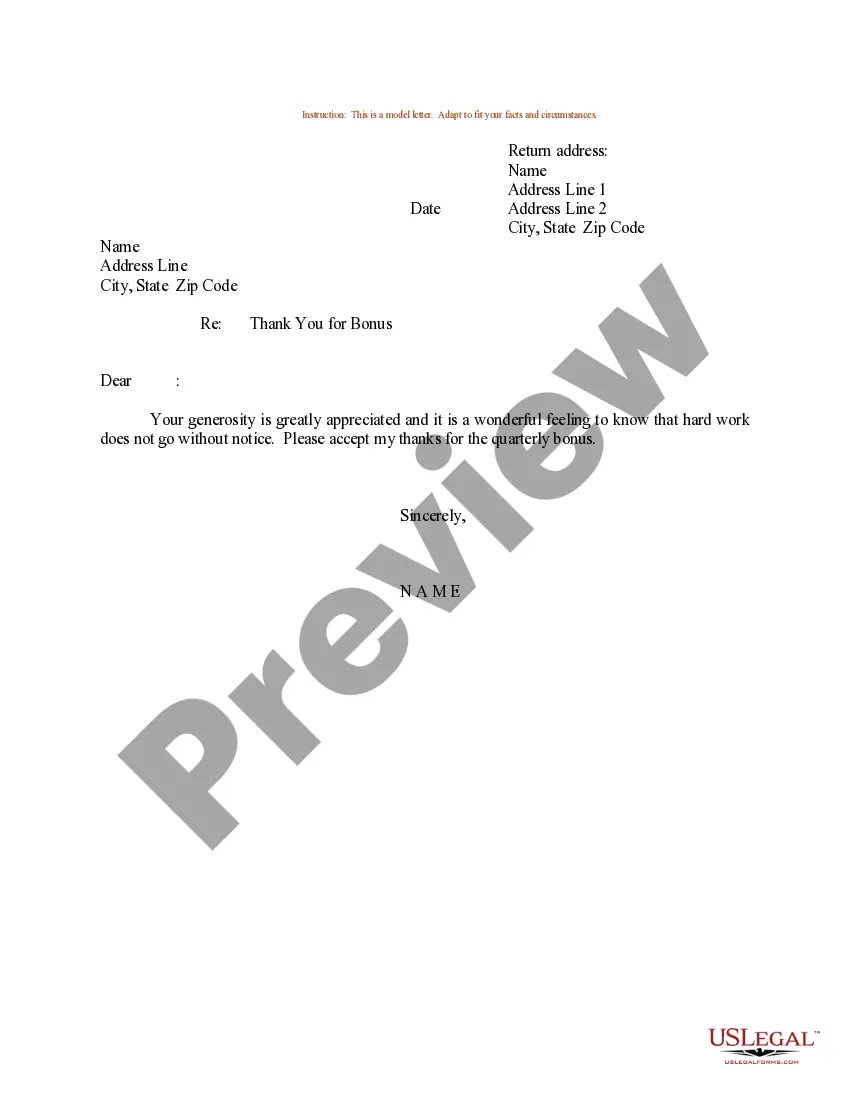
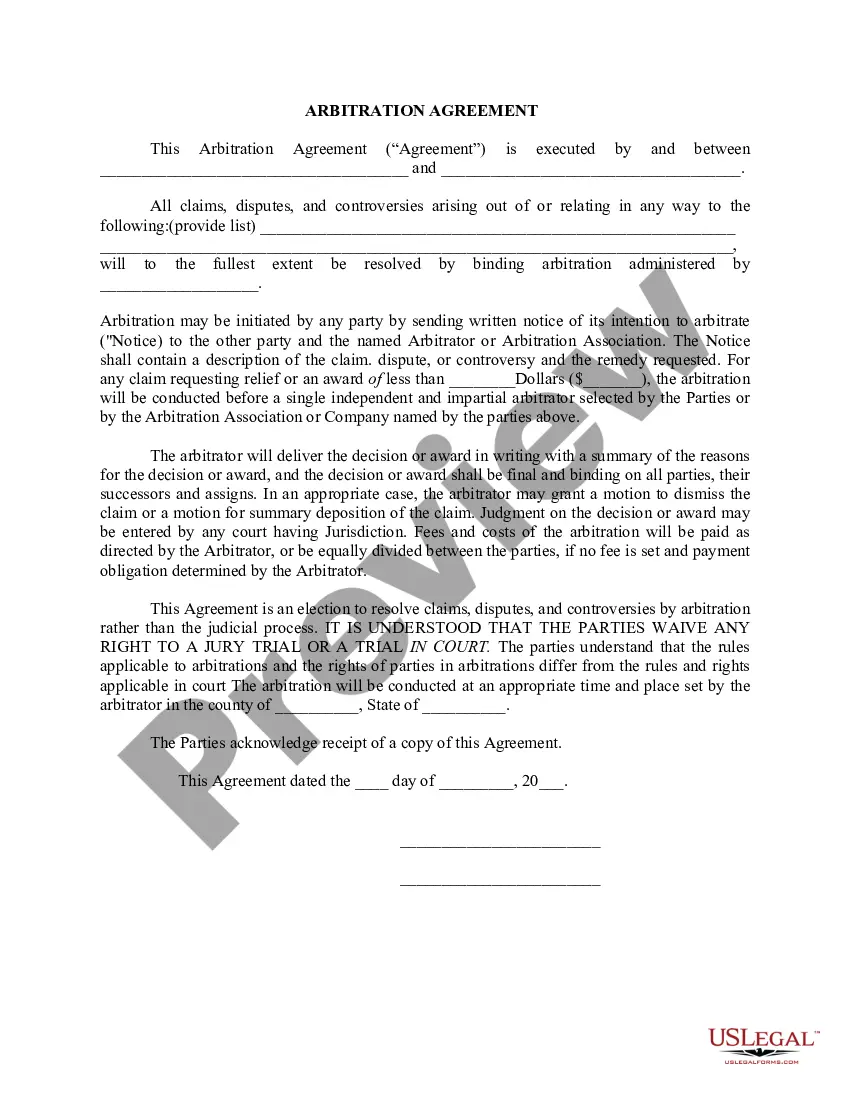
Get your form ready online
Our built-in tools help you complete, sign, share, and store your documents in one place.
Make edits, fill in missing information, and update formatting in US Legal Forms—just like you would in MS Word.
Download a copy, print it, send it by email, or mail it via USPS—whatever works best for your next step.
Sign and collect signatures with our SignNow integration. Send to multiple recipients, set reminders, and more. Go Premium to unlock E-Sign.
If this form requires notarization, complete it online through a secure video call—no need to meet a notary in person or wait for an appointment.
We protect your documents and personal data by following strict security and privacy standards.

Make edits, fill in missing information, and update formatting in US Legal Forms—just like you would in MS Word.

Download a copy, print it, send it by email, or mail it via USPS—whatever works best for your next step.

Sign and collect signatures with our SignNow integration. Send to multiple recipients, set reminders, and more. Go Premium to unlock E-Sign.

If this form requires notarization, complete it online through a secure video call—no need to meet a notary in person or wait for an appointment.

We protect your documents and personal data by following strict security and privacy standards.
Looking for another form?









Form popularity
FAQ
The Incentive Bonus Policy compensates for performance above the acceptable standard. It is not intended to make up for or add to an employee's regular hourly wage or compensation for meeting the minimum standards of your job position.
An employee bonus policy provides guidelines on how a company rewards its employees with additional financial incentives. It details eligibility, types of bonuses, and the procedures for granting them, ensuring fairness and transparency.
A management bonus clause outlines the conditions under which a company's managers are eligible to receive additional compensation beyond their regular salary. It typically specifies performance metrics, financial targets, or other criteria that must be met for the bonus to be awarded.
Some businesses might base their bonus structure on the overall performance of the company, giving managers a percentage of the profit. Others may take a more individual approach, looking at each manager's performance and contribution to the business, perhaps in cutting costs or in increasing business.
Industry: More traditional sectors like banking or finance may offer higher percentages, ranging from 10% to 30% of your base salary. In tech and startups, it can be lower, around 5% to 15%. Position: Executive-level roles usually have higher percentages, while mid-level managers may receive 10% to 20%.
Create a written document outlining the employee bonus plan's details. Give all employees this information so they understand how and why bonuses are given. Provide details on the bonus types in your plan, why they exist and how employees can earn these bonuses, especially if a bonus is tied to a specific outcome.
California: Bonuses are taxed at a supplemental flat rate of 10.23% for standard supplemental income and a higher rate of 13.3% for stock options and bonuses above $1 million. New York: The state taxes bonuses as part of total annual income, with rates ranging from 4% to 10.9%, depending on the income bracket.
Clawback Provisions for Sign-On Bonuses However, under California law, the employer cannot withhold the bonus from the employee's final wages, even if the employee fails to meet the conditions.
Can a Company Withhold Your Bonus If You Quit or Get Fired? With discretionary bonuses, the short answer is yes, a company can withhold those bonuses. Because discretionary bonuses are at the employer's sole discretion and not contract- or performance-based, you will not likely be able to recover them.

