Template For Bonus Ball In Riverside
Description
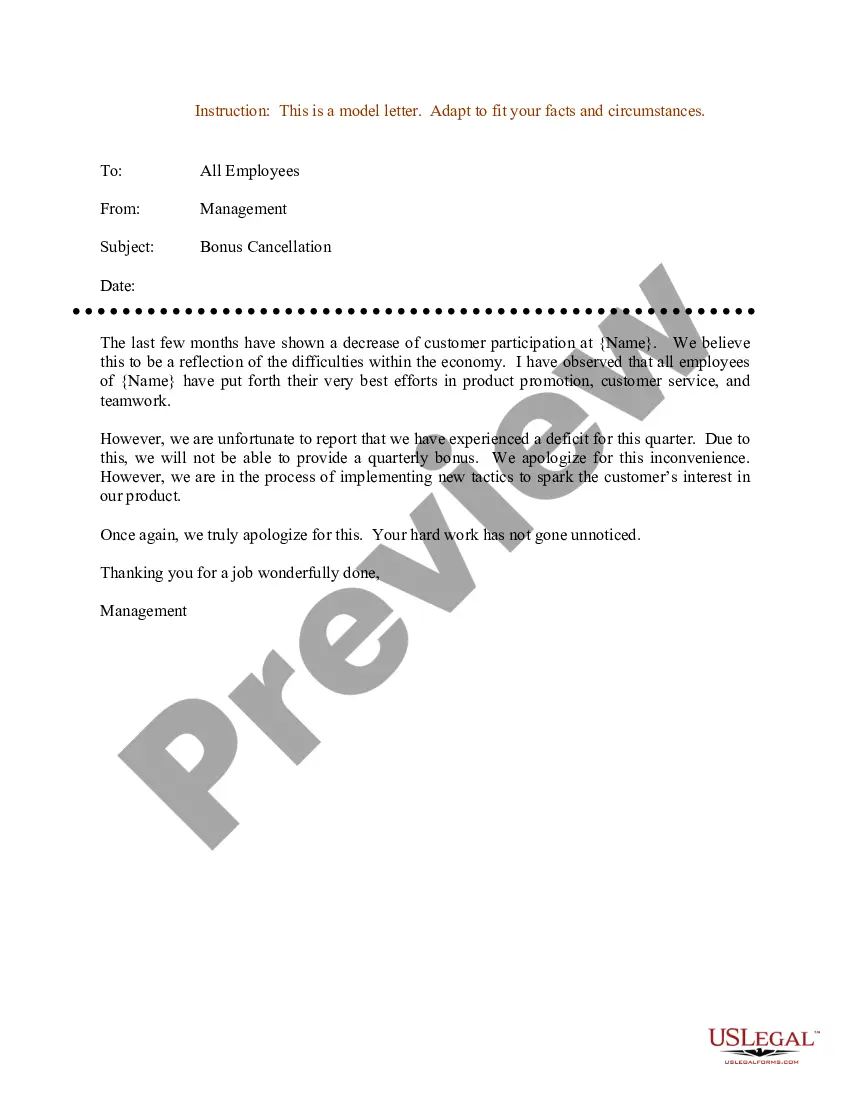
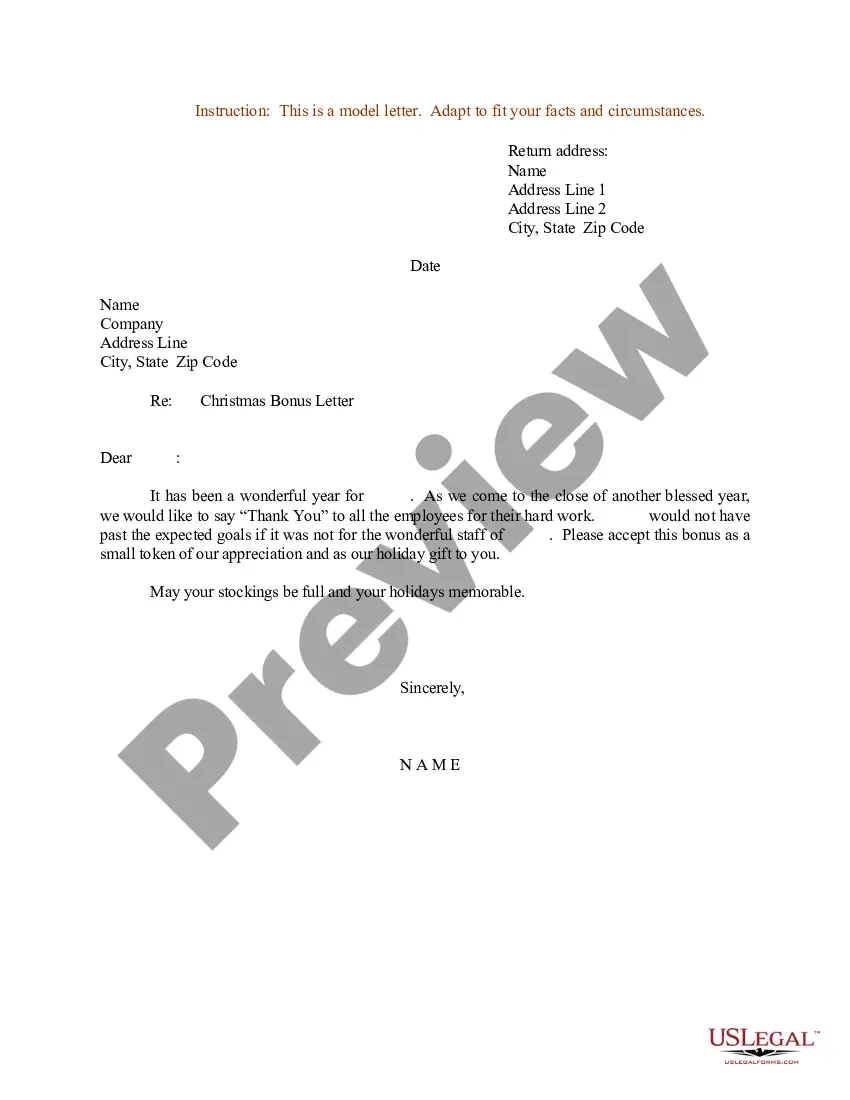
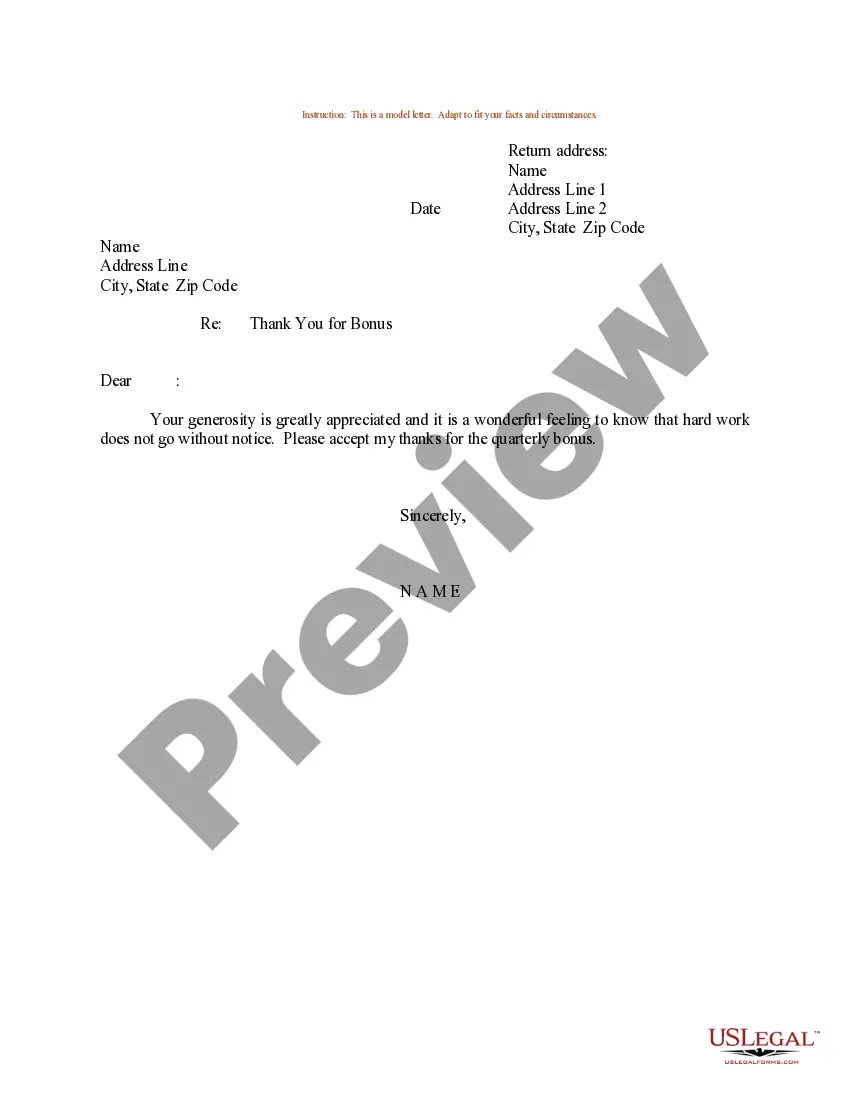
Get your form ready online
Our built-in tools help you complete, sign, share, and store your documents in one place.
Make edits, fill in missing information, and update formatting in US Legal Forms—just like you would in MS Word.
Download a copy, print it, send it by email, or mail it via USPS—whatever works best for your next step.
Sign and collect signatures with our SignNow integration. Send to multiple recipients, set reminders, and more. Go Premium to unlock E-Sign.
If this form requires notarization, complete it online through a secure video call—no need to meet a notary in person or wait for an appointment.
We protect your documents and personal data by following strict security and privacy standards.

Make edits, fill in missing information, and update formatting in US Legal Forms—just like you would in MS Word.

Download a copy, print it, send it by email, or mail it via USPS—whatever works best for your next step.

Sign and collect signatures with our SignNow integration. Send to multiple recipients, set reminders, and more. Go Premium to unlock E-Sign.

If this form requires notarization, complete it online through a secure video call—no need to meet a notary in person or wait for an appointment.

We protect your documents and personal data by following strict security and privacy standards.
Looking for another form?








Form popularity
FAQ
Discover Riverside's latest features for editing individual tracks! Learn how to eliminate crosstalk, adjust volume manually, and apply magic audio tools to enhance your recordings. Watch the full tutorial to see these tools in action and make your editing process smoother than ever.
To summarise, the one page synopsis must include: the event, without which the story would not begin; the decisions and actions the characters make in pursuit of their goals; the obstacles and barriers they encounter and what they do about them; whether they win or lose; and where we leave them in the end.
How to write a podcast summary: 10 Steps Step 1: Listen to the episode. Step 2: Make some key notes. Step 3: Identify the episode's unique selling point. Step 4: Create a catchy first line. Step 5: Add in the vital details. Step 6: Optimize your summary. Step 7: Cut your summary down. Step 8: Proofread your content.
There are five key steps that can help you to write a summary: Read the text. Break it down into sections. Identify the key points in each section. Write the summary. Check the summary against the article.
Write one or two paragraphs summarizing the episode or movie as objectively as possible. Try to include the major plot points, characters, and conflicts. Write a paragraph that transitions from summary to response: what were your reactions to the episode or movie? What do you think produced those reactions?
You can use to search any podcasts channel, follow them and get automatic summaries. Additionally you can summarize any episodes as needed.
Write one or two paragraphs summarizing the episode or movie as objectively as possible. Try to include the major plot points, characters, and conflicts. Write a paragraph that transitions from summary to response: what were your reactions to the episode or movie? What do you think produced those reactions?
Writing better podcast show notes: 9 best practices Start with your hook. Expand your description. Provide guest, cast, and crew information. Connect your audience with relevant resources. Include calls to action. Incorporate keywords for SEO. Summarize key points. Add timestamps for major segments.
Use an app: Momento (includes a steering wheel tap function to log a note), Airr, Snipd. Each are designed specifically to automatically capture a snapshot of audio from podcasts, then auto transcribe it into text. They integrate with most podcast apps, spotify, apple podcasts, castro etc etc.

