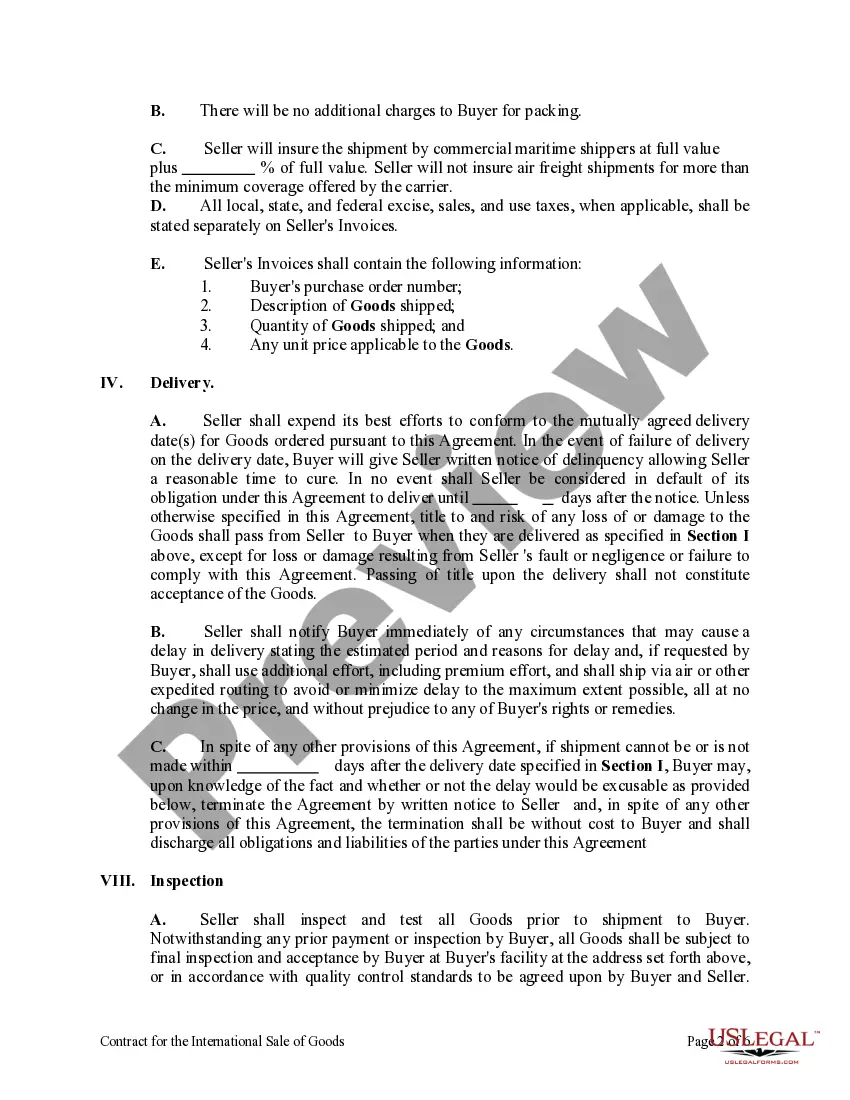
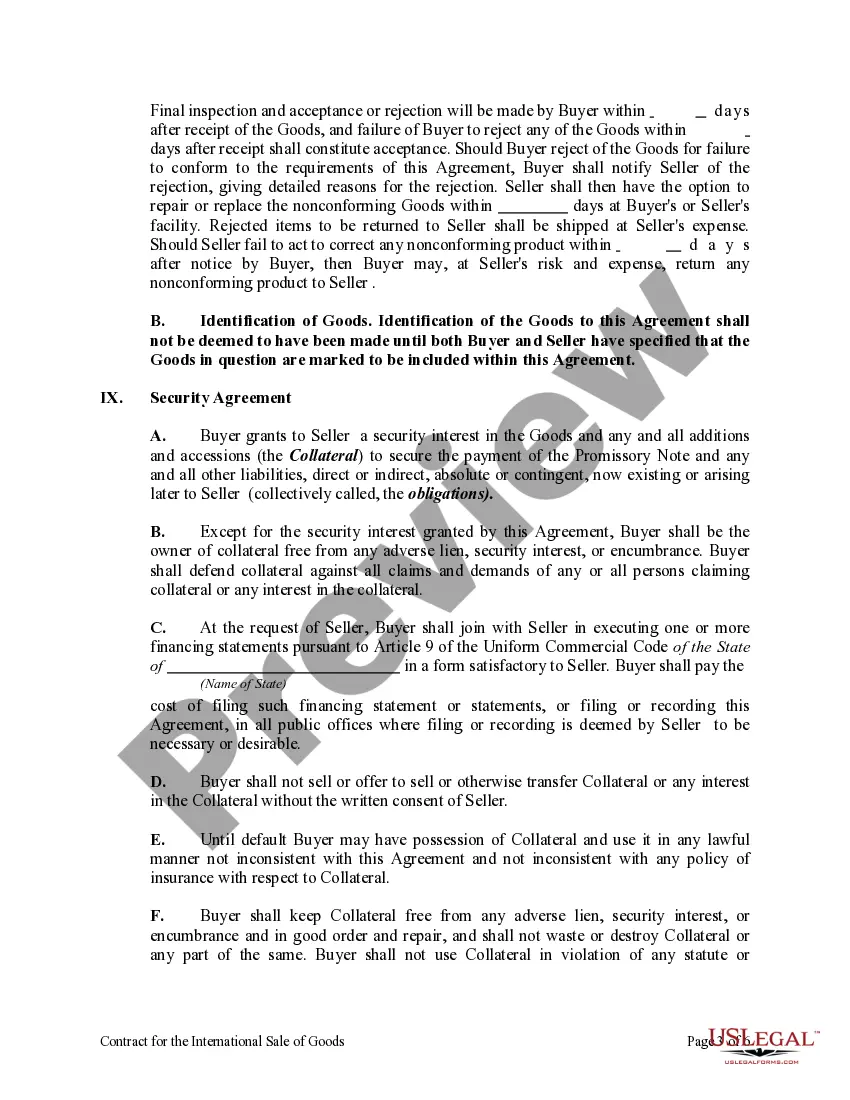
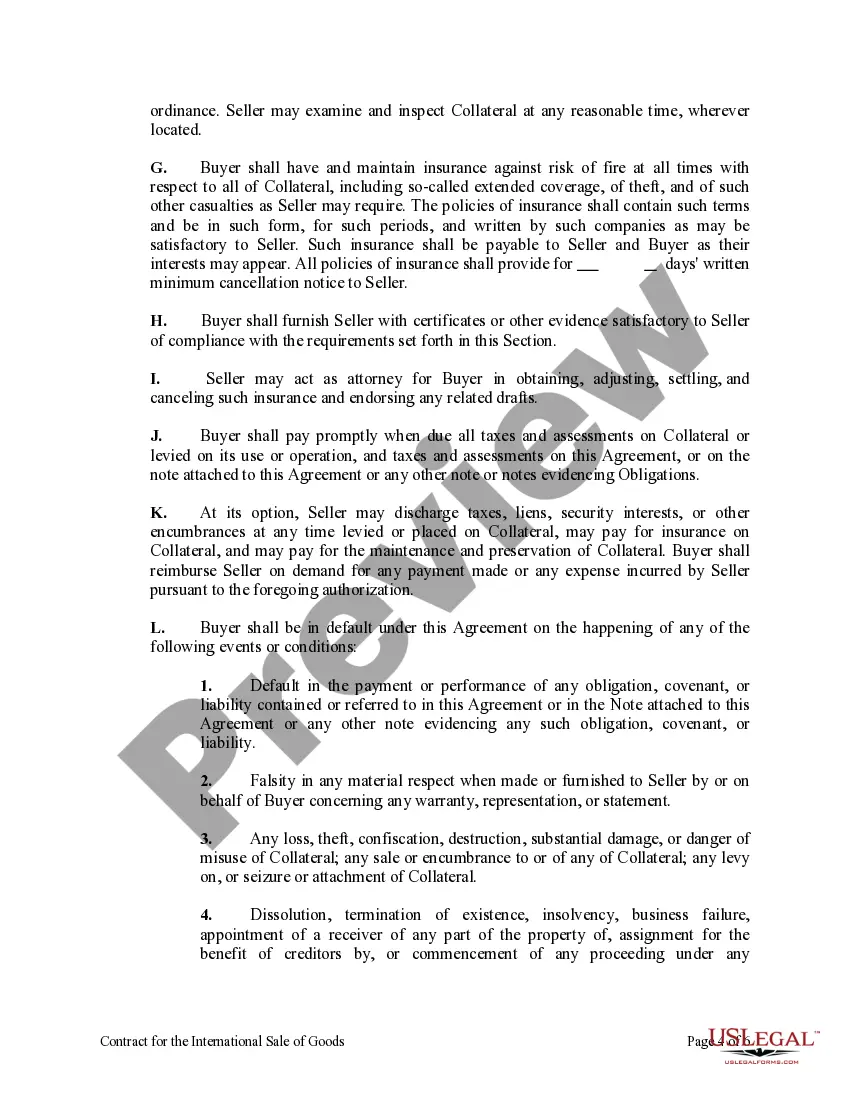
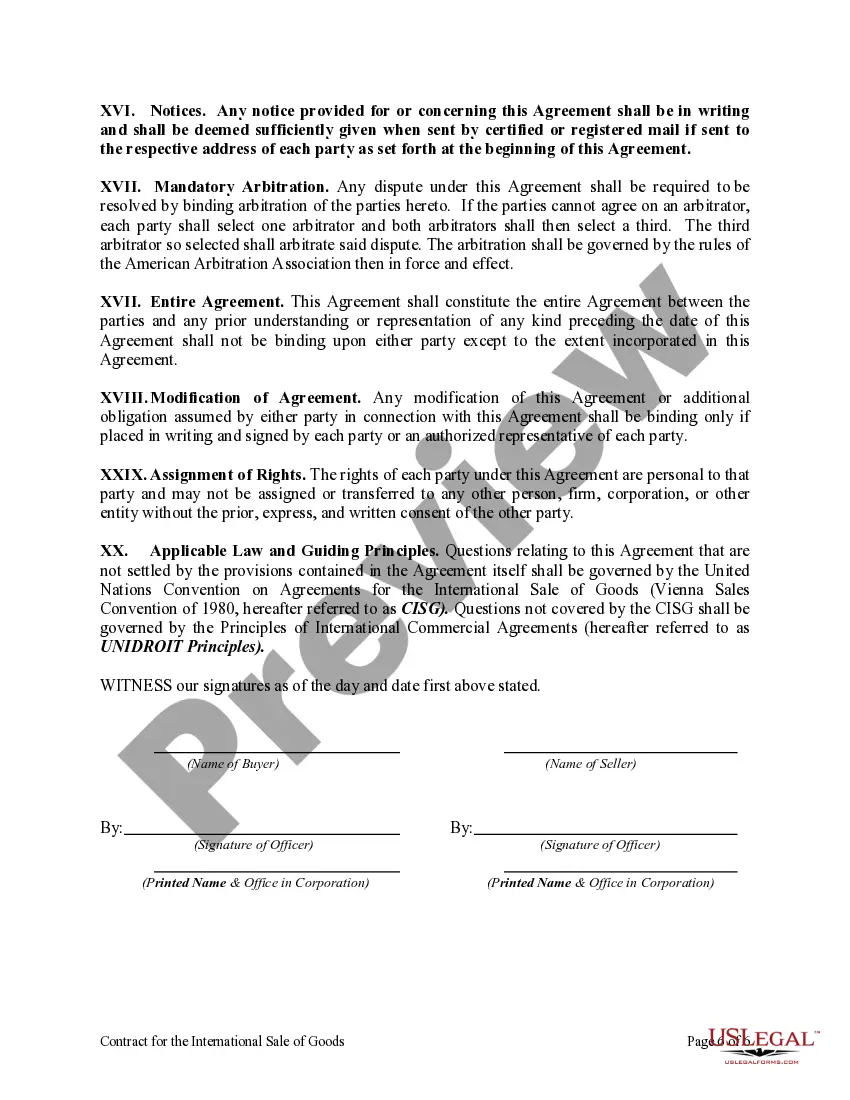
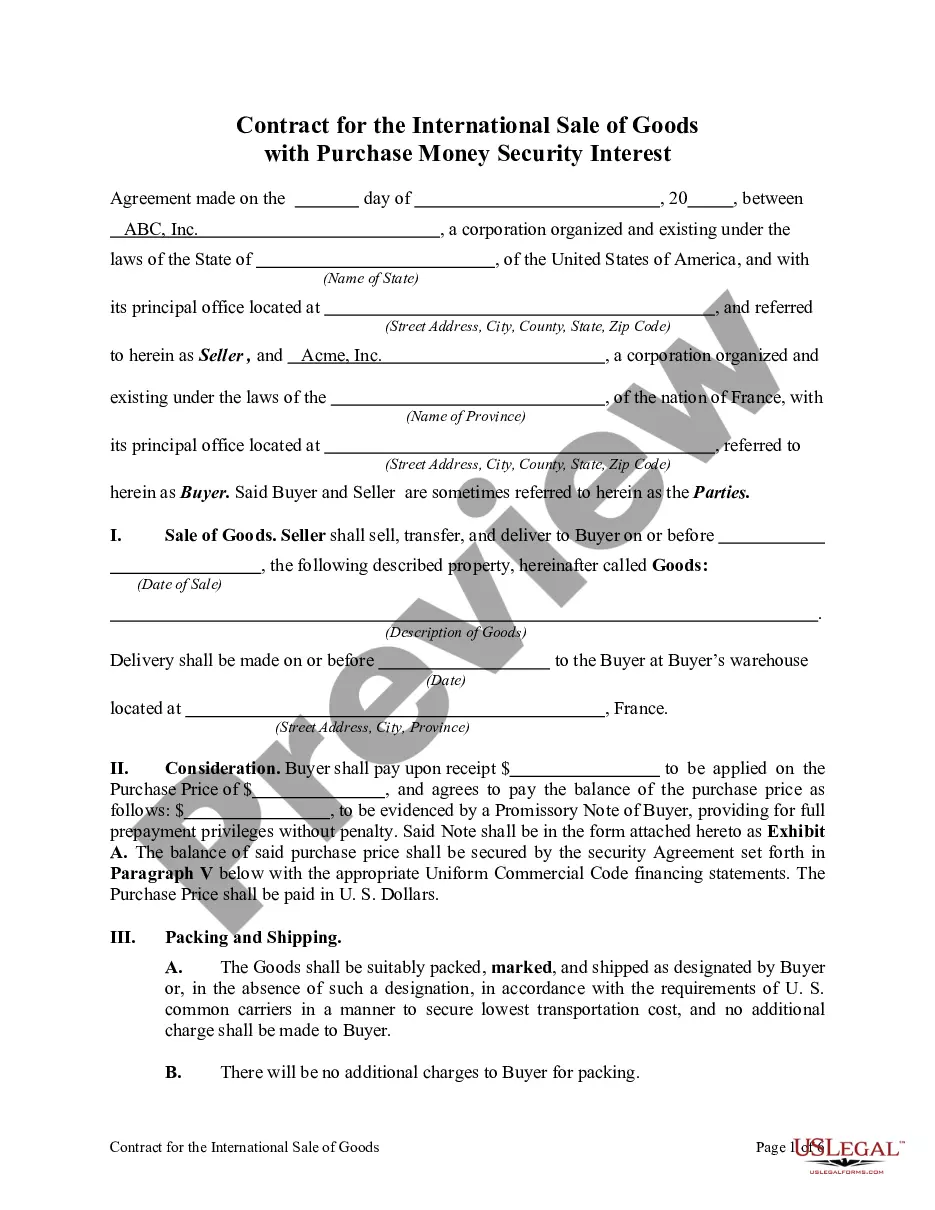
Contract International Purchase Sample With Credit Card In Virginia
Description


Get your form ready online
Our built-in tools help you complete, sign, share, and store your documents in one place.
Make edits, fill in missing information, and update formatting in US Legal Forms—just like you would in MS Word.
Download a copy, print it, send it by email, or mail it via USPS—whatever works best for your next step.
Sign and collect signatures with our SignNow integration. Send to multiple recipients, set reminders, and more. Go Premium to unlock E-Sign.
If this form requires notarization, complete it online through a secure video call—no need to meet a notary in person or wait for an appointment.
We protect your documents and personal data by following strict security and privacy standards.

Make edits, fill in missing information, and update formatting in US Legal Forms—just like you would in MS Word.

Download a copy, print it, send it by email, or mail it via USPS—whatever works best for your next step.

Sign and collect signatures with our SignNow integration. Send to multiple recipients, set reminders, and more. Go Premium to unlock E-Sign.

If this form requires notarization, complete it online through a secure video call—no need to meet a notary in person or wait for an appointment.

We protect your documents and personal data by following strict security and privacy standards.
Looking for another form?







Form popularity
FAQ
In the area of law, for a contract to be legally enforceable, several requirements must be met, including an offer; acceptance of that offer; mutual understanding of the agreement; capacity to agree; an item or service; consideration in exchange for the item or service; and legality of the contract itself, including ...
A cardholder agreement is a legal document outlining the terms under which a credit card is offered to a customer. Among other provisions, the cardholder agreement states the annual percentage rate (APR) of the card, as well as how the card's minimum payments are calculated.
Contact your credit card issuer to inquire about their policies regarding international usage and residency changes. Some issuers may allow you to maintain your account while living abroad, while others may require you to close your account. Notify your credit card company about your move.
What Is a Cardholder Agreement? A cardholder agreement is a legal document outlining the terms under which a credit card is offered to a customer. Among other provisions, the cardholder agreement states the annual percentage rate (APR) of the card, as well as how the card's minimum payments are calculated.
“Credit card issuers endeavor… to make contracts as readable as possible, but government regulations, contract law, courts, and plaintiff's lawyers demand that certain words be used in order to be effective from a legal perspective,” she wrote.
A contract is an agreement between parties, creating mutual obligations that are enforceable by law. The basic elements required for the agreement to be a legally enforceable contract are: mutual assent, expressed by a valid offer and acceptance; adequate consideration; capacity; and legality.
For a contract to be valid and recognized by the common law, it must include certain elements-- offer, acceptance, consideration, intention to create legal relations, authority and capacity, and certainty. Without these elements, a contract is not legally binding and may not be enforced by the courts.
No contract is valid unless it contains three essential elements: (1) the names of the "parties," (2) the "subject matter," and (3) "consideration." Each of these terms is defined below. Term: The "term" is the length of time over which the contract will be valid.
