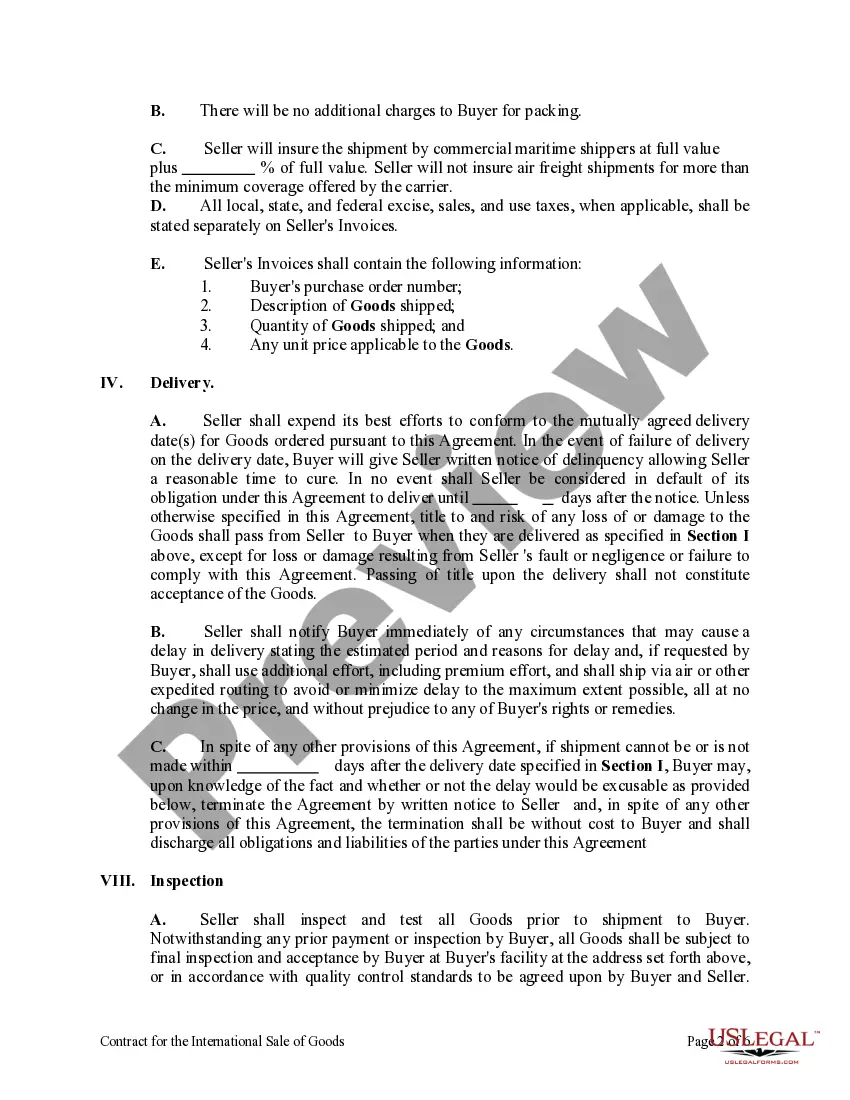
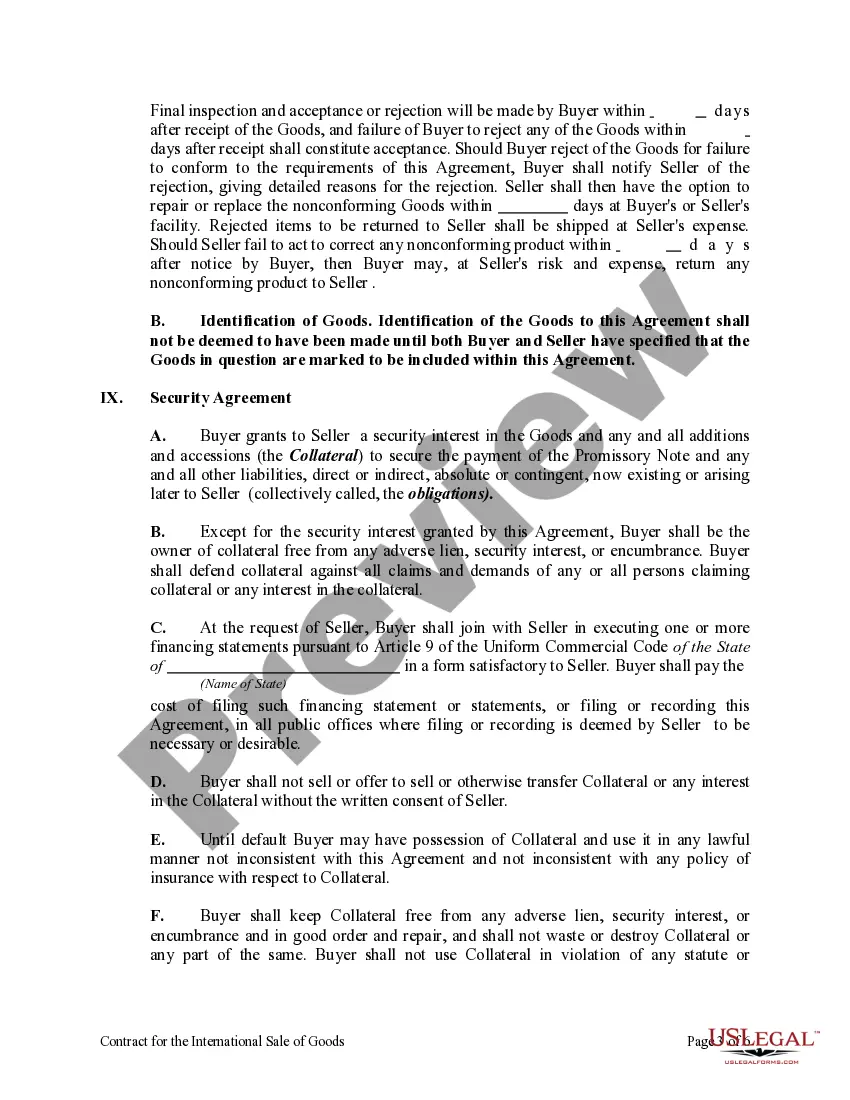
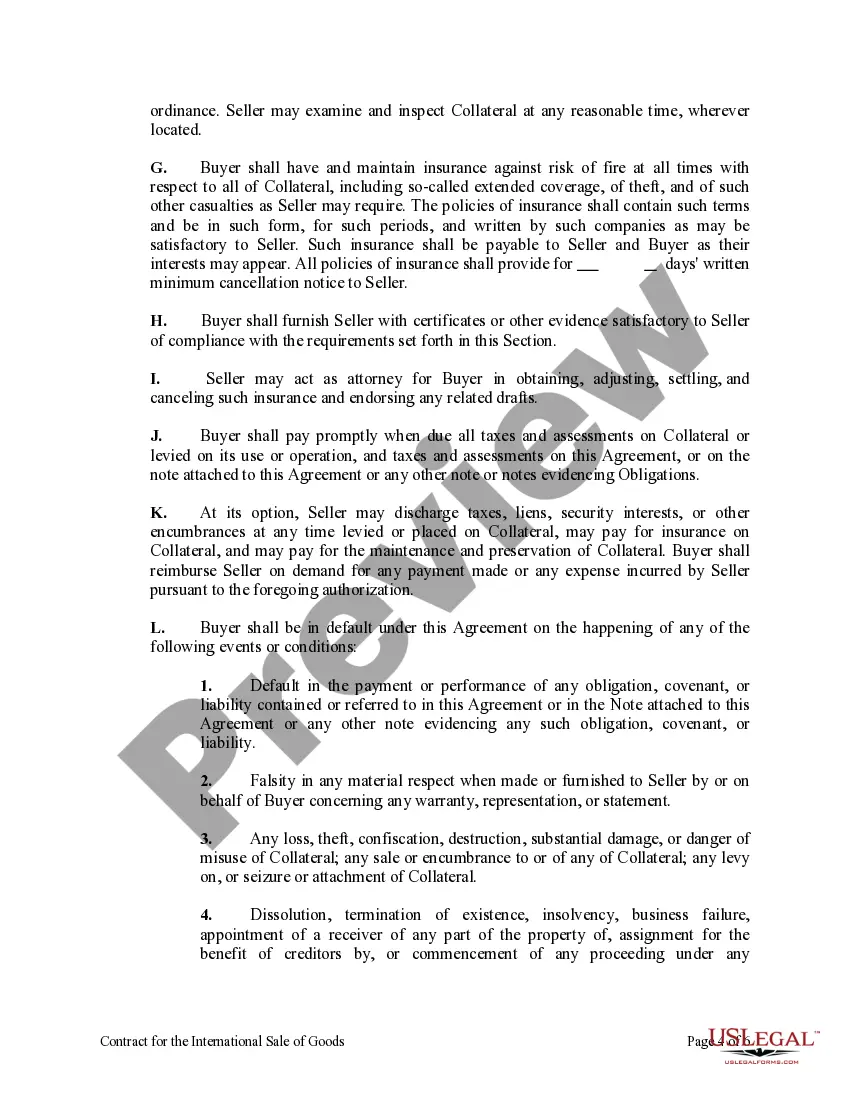
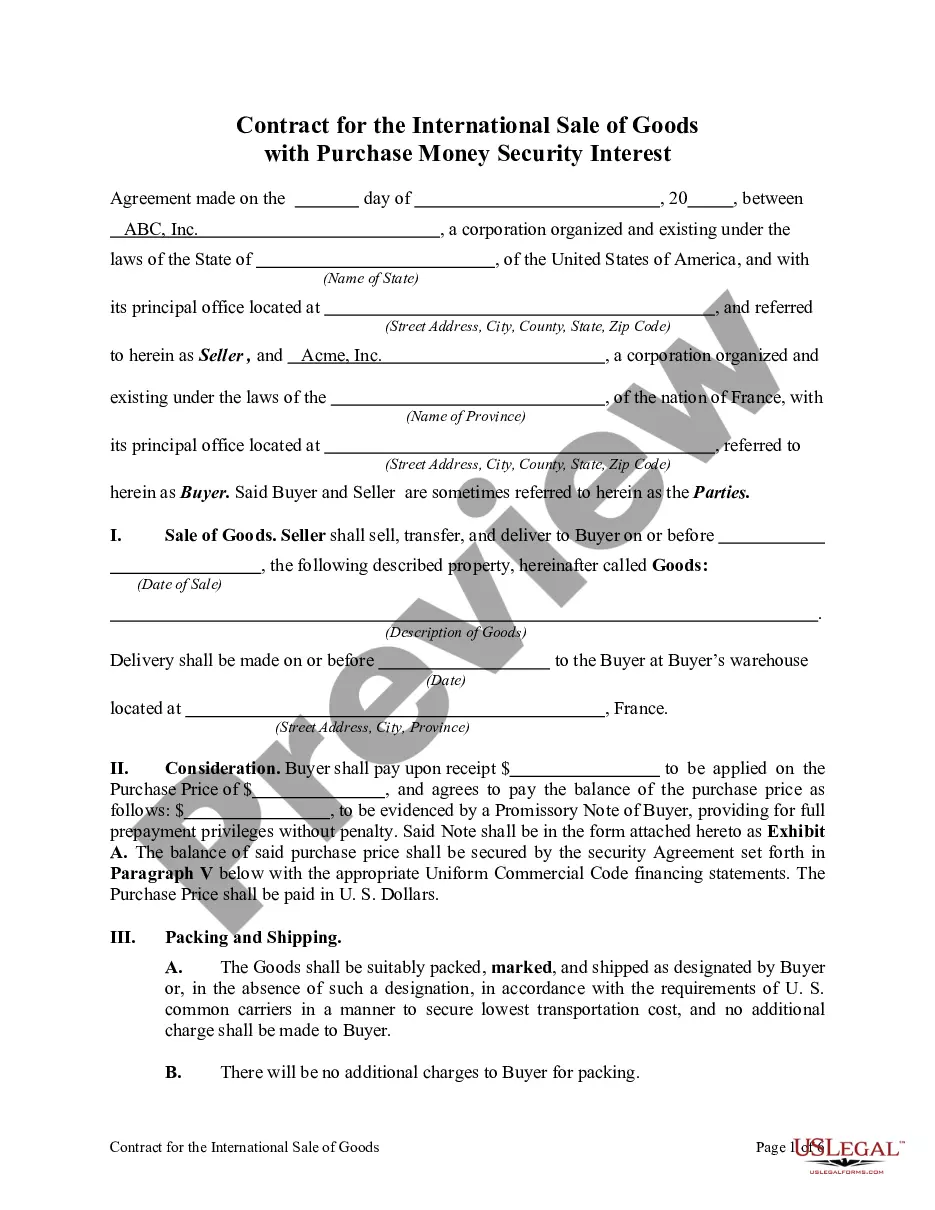
Contract With Security For Costs In Ohio
Description



Get your form ready online
Our built-in tools help you complete, sign, share, and store your documents in one place.
Make edits, fill in missing information, and update formatting in US Legal Forms—just like you would in MS Word.
Download a copy, print it, send it by email, or mail it via USPS—whatever works best for your next step.
Sign and collect signatures with our SignNow integration. Send to multiple recipients, set reminders, and more. Go Premium to unlock E-Sign.
If this form requires notarization, complete it online through a secure video call—no need to meet a notary in person or wait for an appointment.
We protect your documents and personal data by following strict security and privacy standards.

Make edits, fill in missing information, and update formatting in US Legal Forms—just like you would in MS Word.

Download a copy, print it, send it by email, or mail it via USPS—whatever works best for your next step.

Sign and collect signatures with our SignNow integration. Send to multiple recipients, set reminders, and more. Go Premium to unlock E-Sign.

If this form requires notarization, complete it online through a secure video call—no need to meet a notary in person or wait for an appointment.

We protect your documents and personal data by following strict security and privacy standards.
Looking for another form?









Form popularity
FAQ
New Trial. On a defendant's motion, the court may grant a new trial to that defendant if the interests of justice so require. If trial was by the court without a jury, the court may-on defendant's motion for new trial-vacate the judgment, take additional testimony, and direct the entry of a new judgment.
Pursuant to Ohio Civil Rule 32, every deposition intended to be presented as evidence must be filed with the Clerk of Courts at least one day before the day of trial or hearing unless for good cause shown the court permits a later filing.
Rule 53 - Magistrates (A)Appointment A court of record may appoint one or more magistrates who shall have been engaged in the practice of law for at least four years and be in good standing with the Supreme Court of Ohio at the time of appointment.
A person who is subject to service of process shall be joined as a party in the action if (1) in his absence complete relief cannot be ed among those already parties, or (2) he claims an interest relating to the subject of the action and is so situated that the disposition of the action in his absence may (a) as ...
Application for a new trial shall be made by motion which, except for the cause of newly discovered evidence, shall be filed within fourteen days after the verdict was rendered, or the decision of the court where a trial by jury has been waived, unless it is made to appear by clear and convincing proof that the ...
(B)(1) Fees less than or equal to two thousand five hundred dollars shall be presumed to be reasonable. (2) If the private attorney's fees payable are fixed and not determined on an hourly basis, the court shall not consider or require evidence of hours expended or hourly rates.
Rule 33 - Interrogatories to Parties (A) Availability; procedures for use. Any party, without leave of court, may serve upon any other party up to forty written interrogatories to be answered by the party served.
Except for motions made during a hearing or during trial, motions are required to be in writing. They must also be filed in court and served on the opposing party's attorney (or the party if not represented by counsel). If the motion is contested, the opposing attorneys will also file papers opposing the motion.
A judge shall not order, instruct, or otherwise direct, suggest, encourage, or request a party or attorney to dismiss and subsequently refile a case in order to avoid failure by the judge to comply with the time limits specified in this rule.
In the absence of impecuniosity, a plaintiff can challenge a motion for security for costs on the basis that their claim is bona fide. In such a case, however, the threshold is higher than in cases where the plaintiff is also impecunious. The plaintiff would have to demonstrate a strong chance of success in the case.
