Sale Goods With Formula In Minnesota
Description

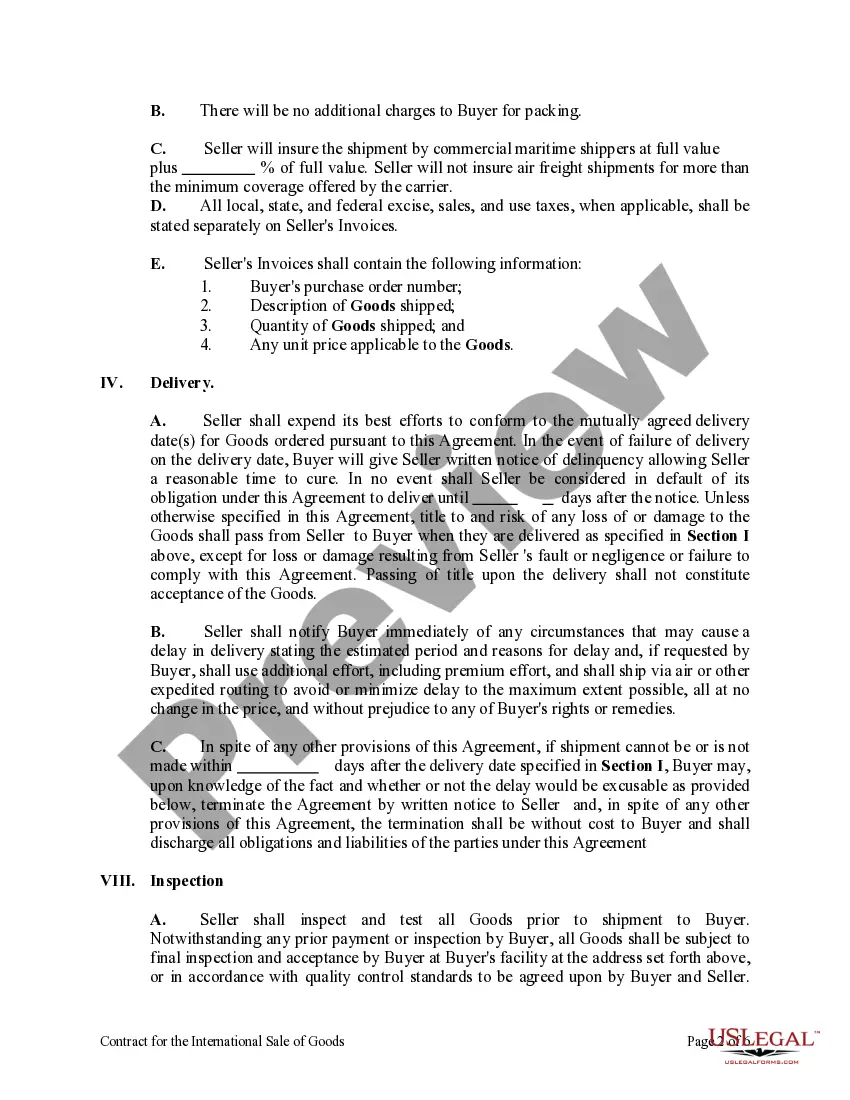
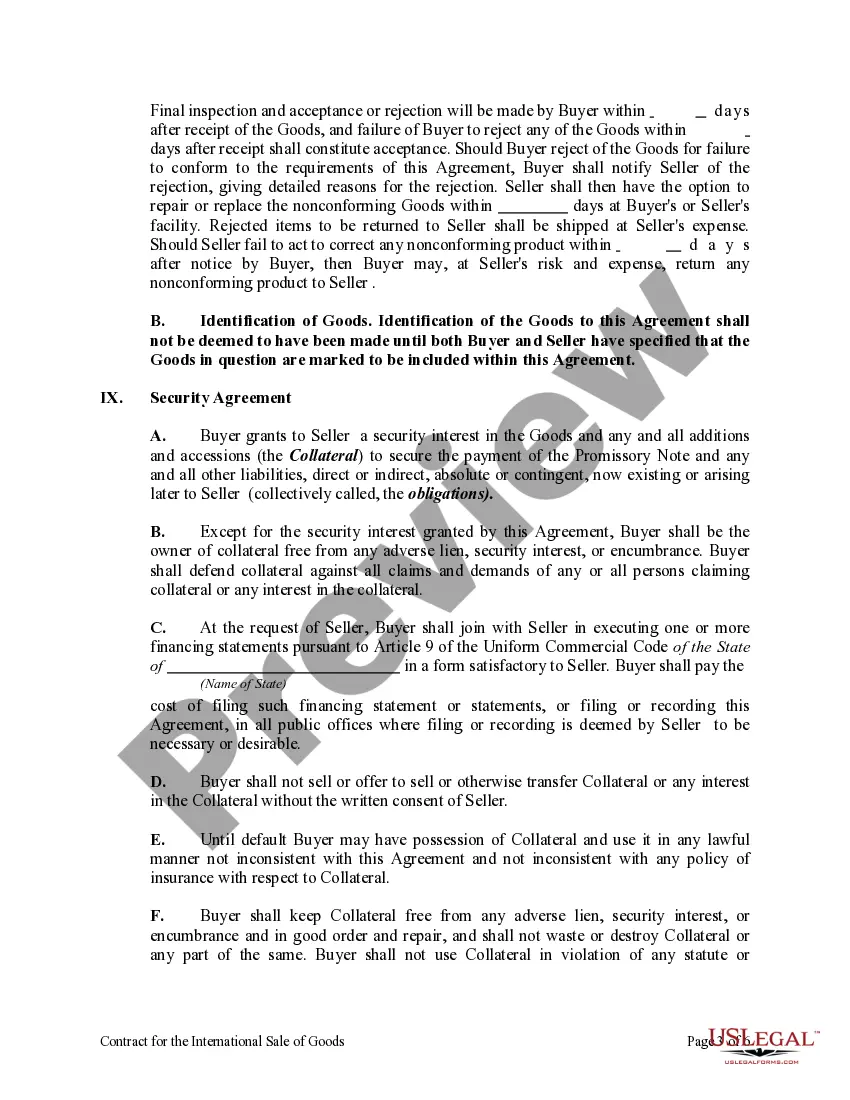
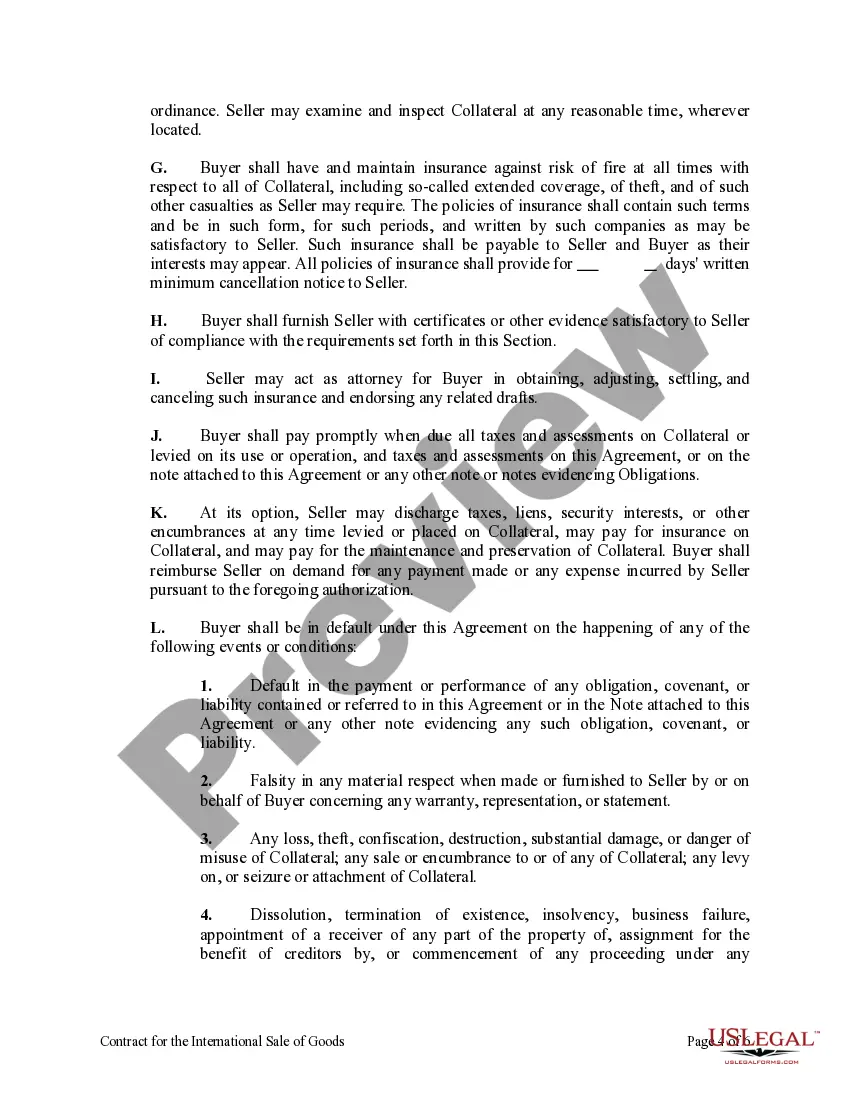

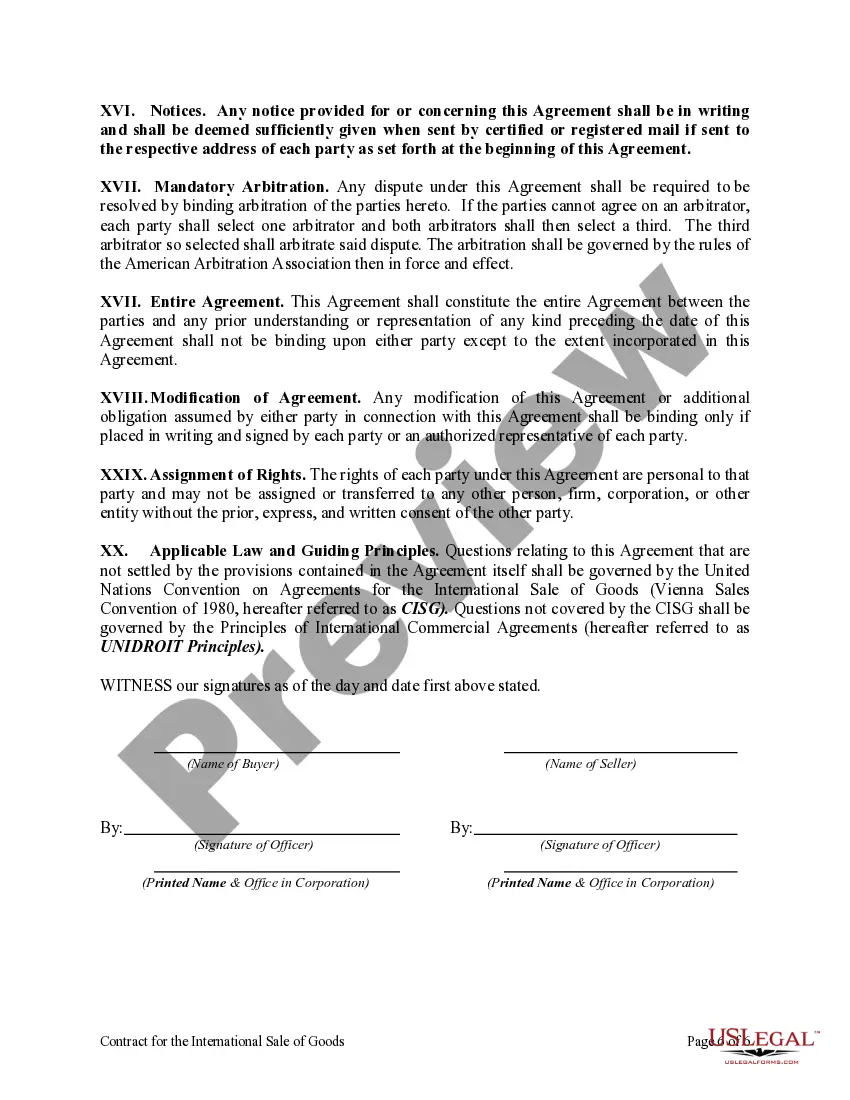
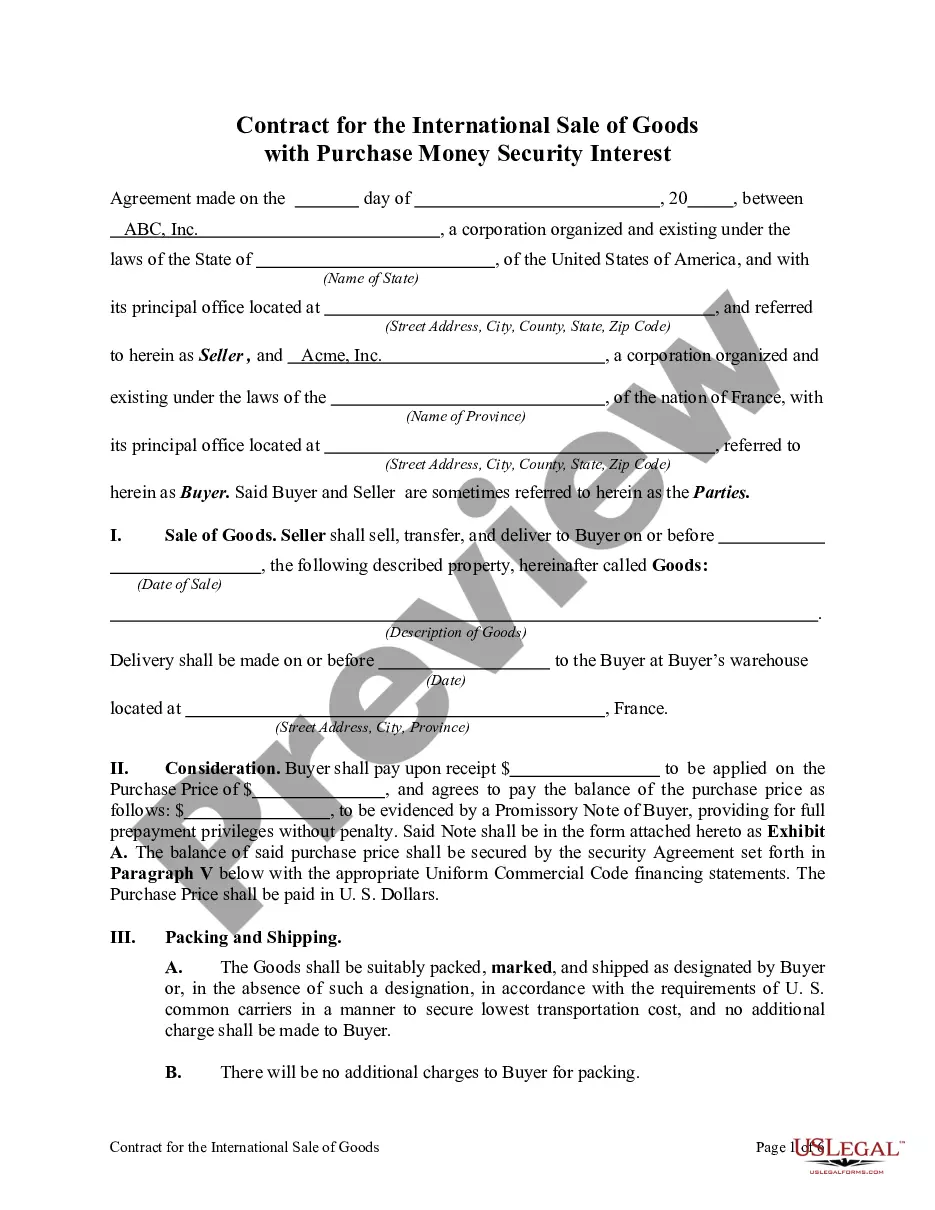
Get your form ready online
Our built-in tools help you complete, sign, share, and store your documents in one place.
Make edits, fill in missing information, and update formatting in US Legal Forms—just like you would in MS Word.
Download a copy, print it, send it by email, or mail it via USPS—whatever works best for your next step.
Sign and collect signatures with our SignNow integration. Send to multiple recipients, set reminders, and more. Go Premium to unlock E-Sign.
If this form requires notarization, complete it online through a secure video call—no need to meet a notary in person or wait for an appointment.
We protect your documents and personal data by following strict security and privacy standards.

Make edits, fill in missing information, and update formatting in US Legal Forms—just like you would in MS Word.

Download a copy, print it, send it by email, or mail it via USPS—whatever works best for your next step.

Sign and collect signatures with our SignNow integration. Send to multiple recipients, set reminders, and more. Go Premium to unlock E-Sign.

If this form requires notarization, complete it online through a secure video call—no need to meet a notary in person or wait for an appointment.

We protect your documents and personal data by following strict security and privacy standards.
Looking for another form?
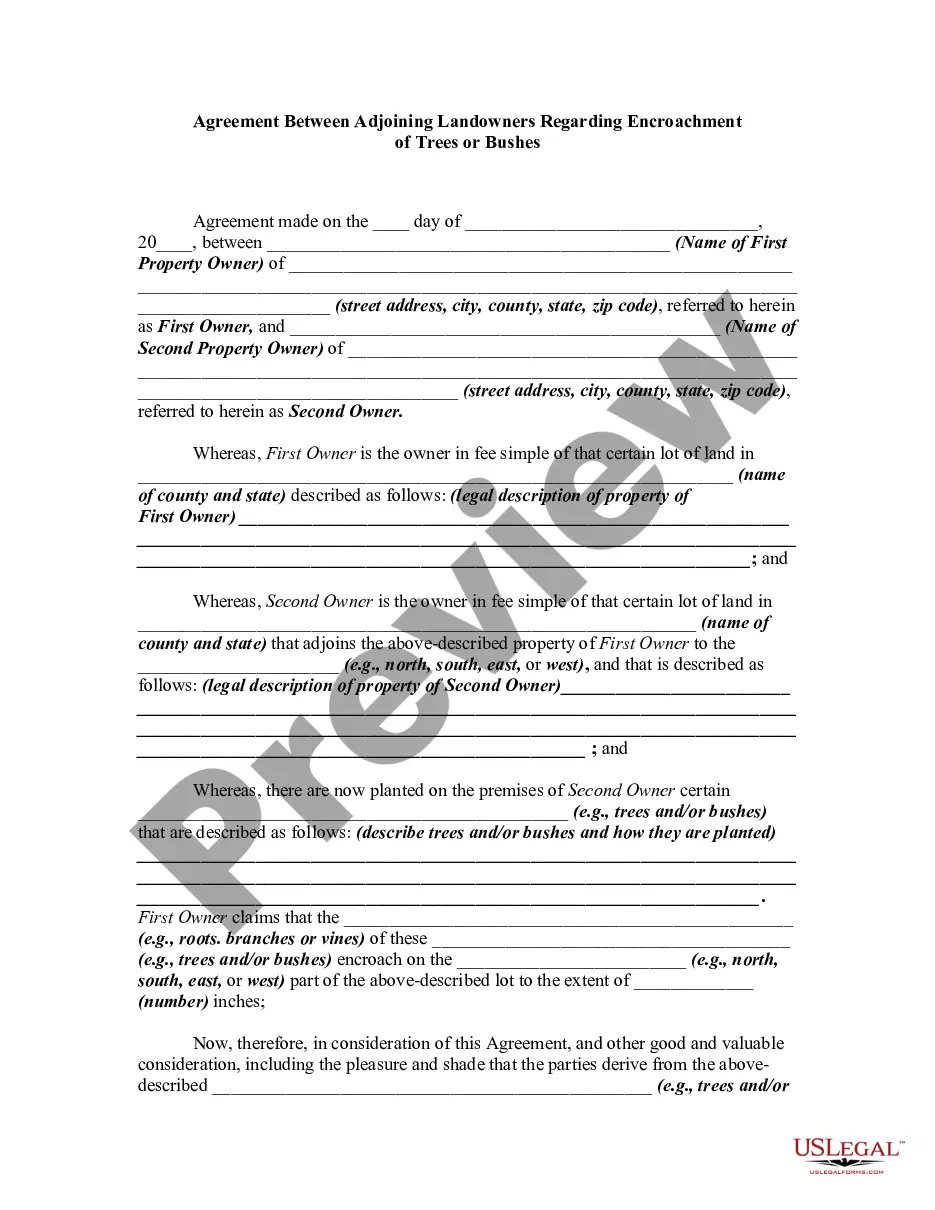
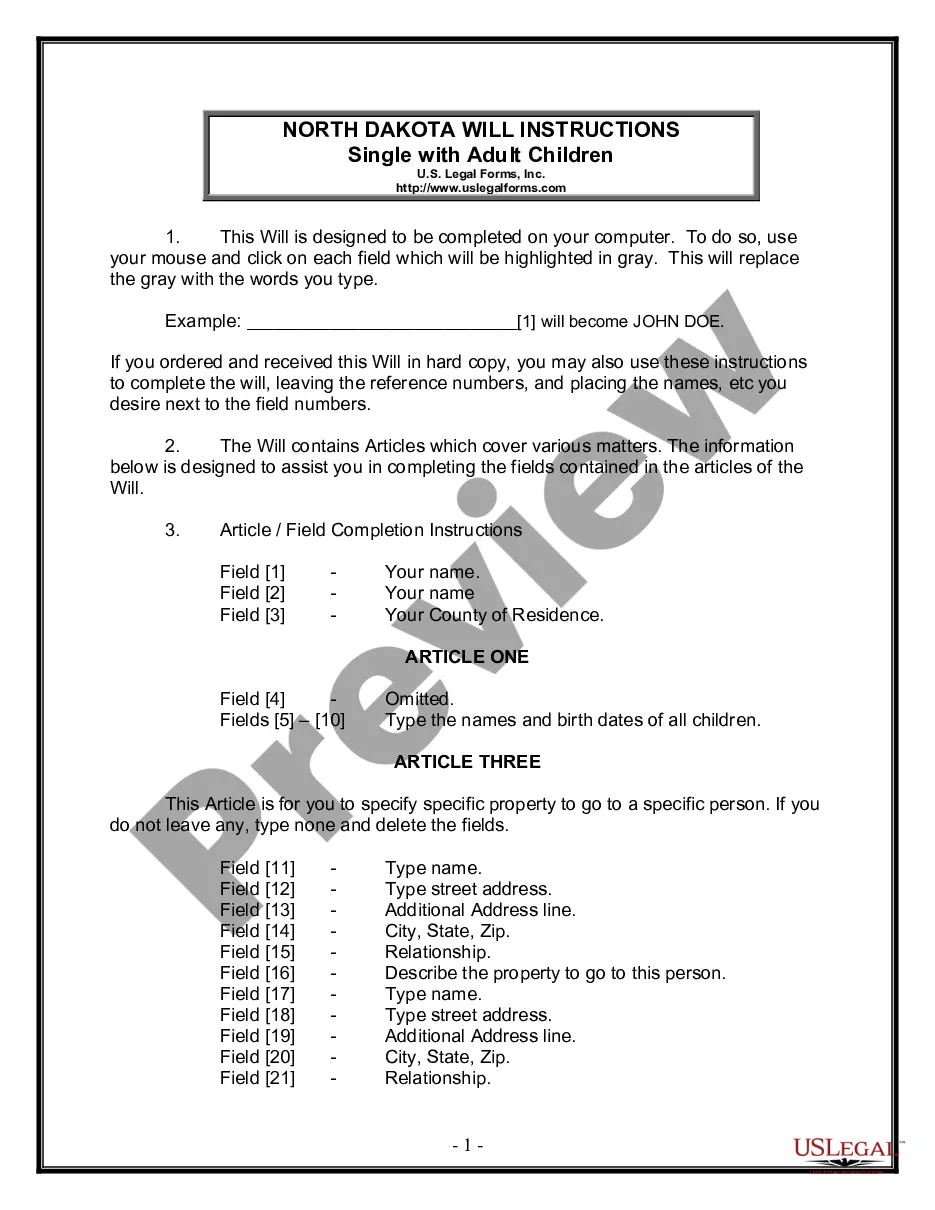

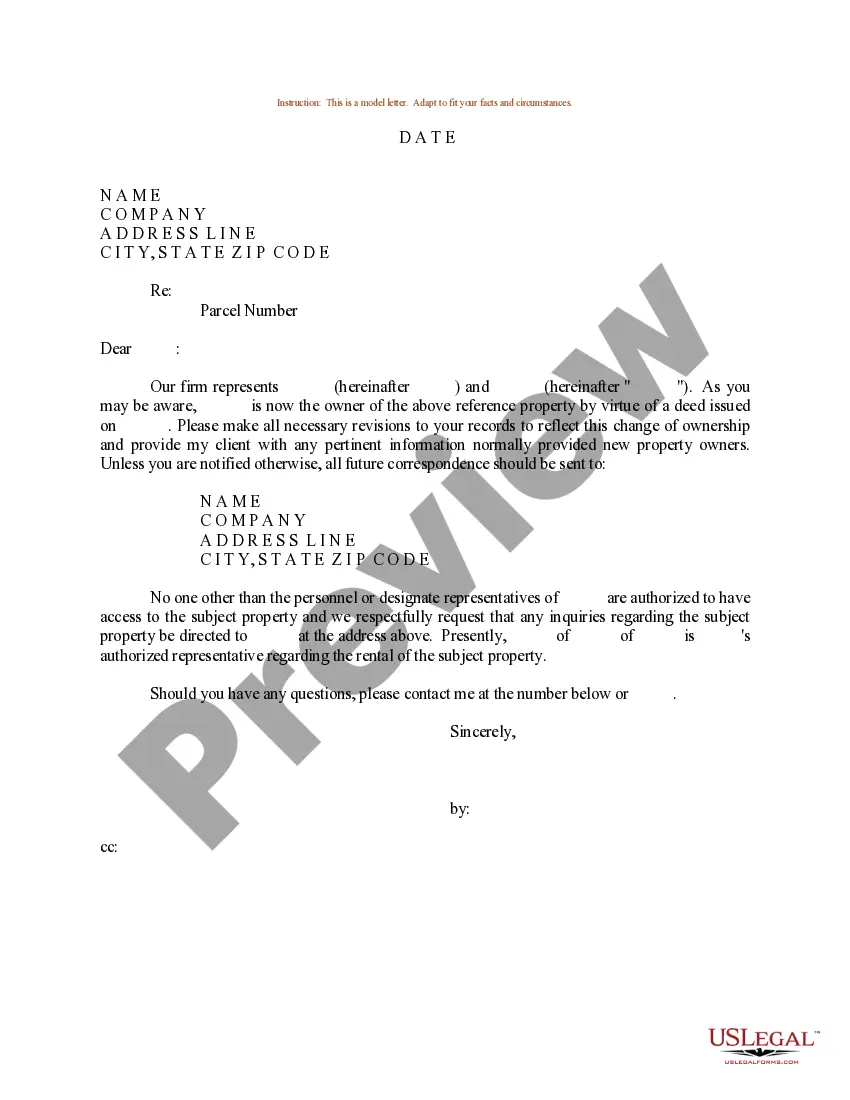

Form popularity
FAQ
The apportionment formula calculates the percentage of the property, payroll and sales of the unitary business, which are attributable to California. The total business income of the unitary business is multiplied by this percentage to derive the amount of business income apportioned to this state.
Apportionment is the determination of the percentage of a business' profits subject to a given jurisdiction's corporate income or other business taxes. U.S. states apportion business profits based on some combination of the percentage of company property, payroll, and sales located within their borders.
Minnesota uses single sales apportionment All states apportion income using some type of formula (the percentage of a business's in-state property, payroll, and sales to its total property, payroll, and sales) to determine a corporation's in-state income.
The following five states currently have no statewide sales tax: Alaska, Delaware, Montana, New Hampshire and Oregon. We take a closer look at those states in this guide. A financial advisor can help you minimize your taxes over the long term.
Under the rule of apportionment, Congress sets the total amount to be raised by a direct tax, then divides that amount among the states ing to each state's population. See, e.g., Act of Aug. 5, 1861, ch. 45, 12 Stat.
Items Exempt by Law Common examples include: Clothing for general use, see Clothing. Food (grocery items), see Food and Food Ingredients. Prescription and over-the-counter drugs for humans, see Drugs.
Gross Sales Defined This does not include things like taxes or service charges, only items sold. Gross Sales represents only the menu items people are buying, so you may see spending that does not attribute to Gross Sales such as: Tips, Taxes, Service Fees/Charges, Gift Cards.
In general, you need a sales tax permit in Minnesota if you have a physical presence or meet economic nexus requirements.
In general, you need a sales tax permit in Minnesota if you have a physical presence or meet economic nexus requirements.
Items Exempt by Law Clothing for general use, see Clothing. Food (grocery items), see Food and Food Ingredients. Prescription and over-the-counter drugs for humans, see Drugs.