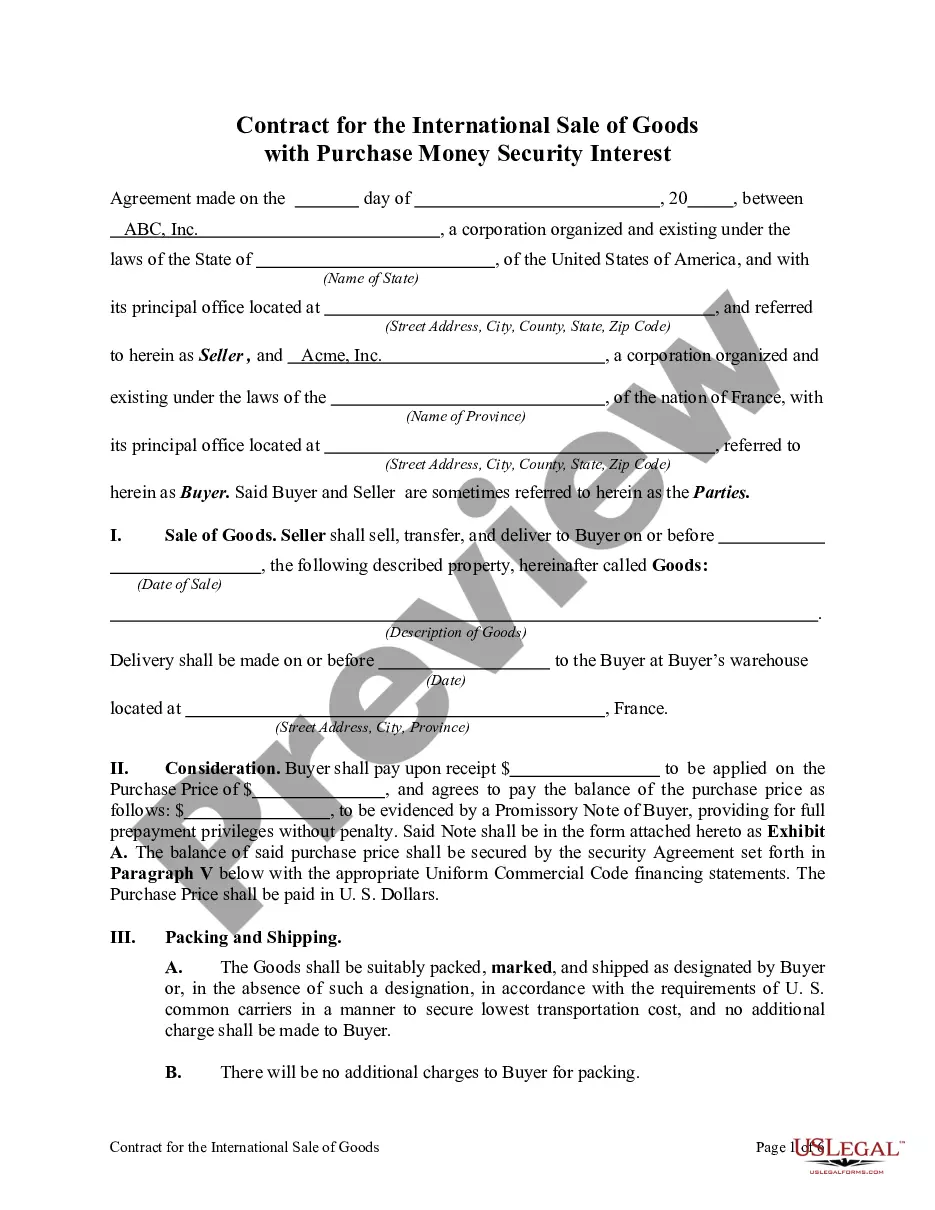
Sale Goods With Forge In Georgia
Description


Get your form ready online
Our built-in tools help you complete, sign, share, and store your documents in one place.
Make edits, fill in missing information, and update formatting in US Legal Forms—just like you would in MS Word.
Download a copy, print it, send it by email, or mail it via USPS—whatever works best for your next step.
Sign and collect signatures with our SignNow integration. Send to multiple recipients, set reminders, and more. Go Premium to unlock E-Sign.
If this form requires notarization, complete it online through a secure video call—no need to meet a notary in person or wait for an appointment.
We protect your documents and personal data by following strict security and privacy standards.

Make edits, fill in missing information, and update formatting in US Legal Forms—just like you would in MS Word.

Download a copy, print it, send it by email, or mail it via USPS—whatever works best for your next step.

Sign and collect signatures with our SignNow integration. Send to multiple recipients, set reminders, and more. Go Premium to unlock E-Sign.

If this form requires notarization, complete it online through a secure video call—no need to meet a notary in person or wait for an appointment.

We protect your documents and personal data by following strict security and privacy standards.
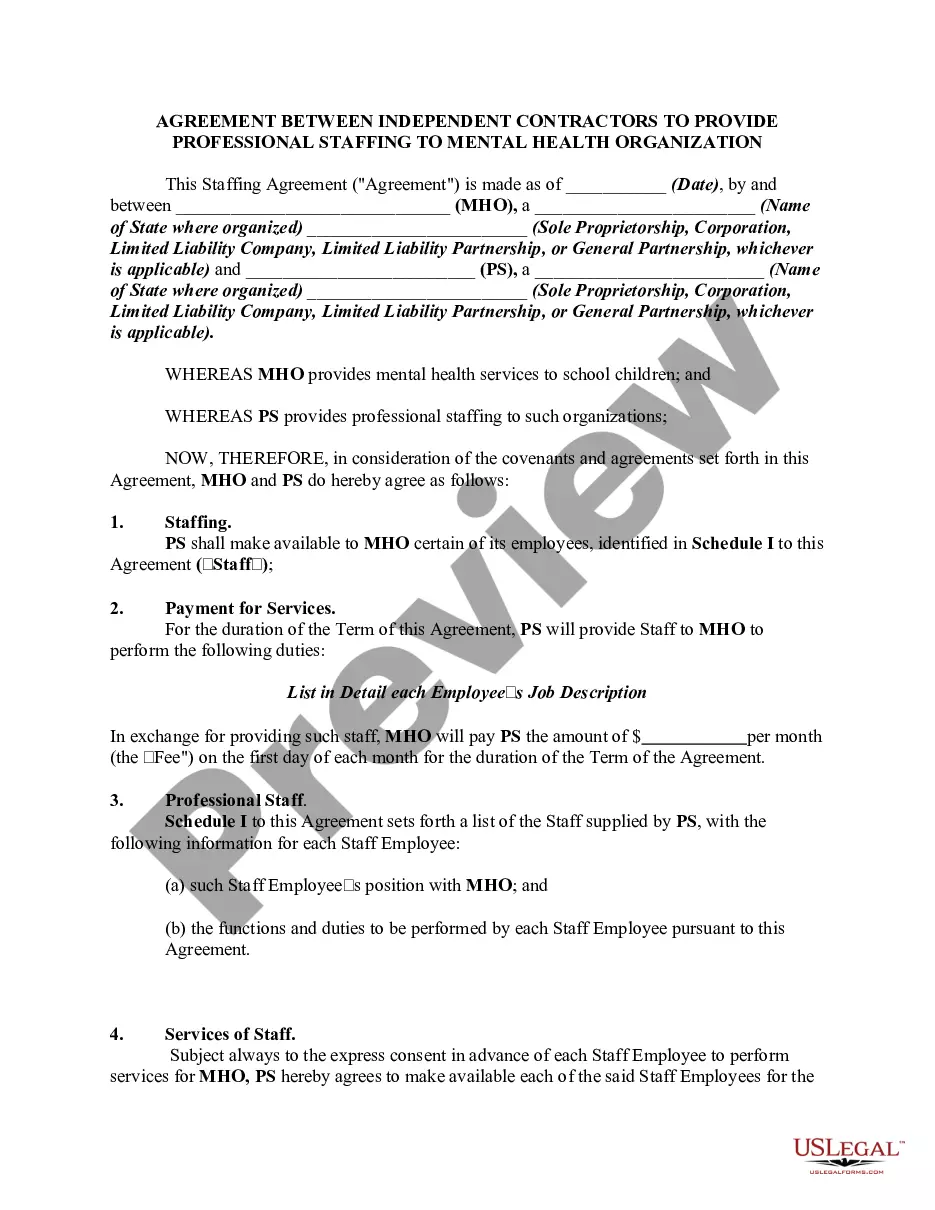
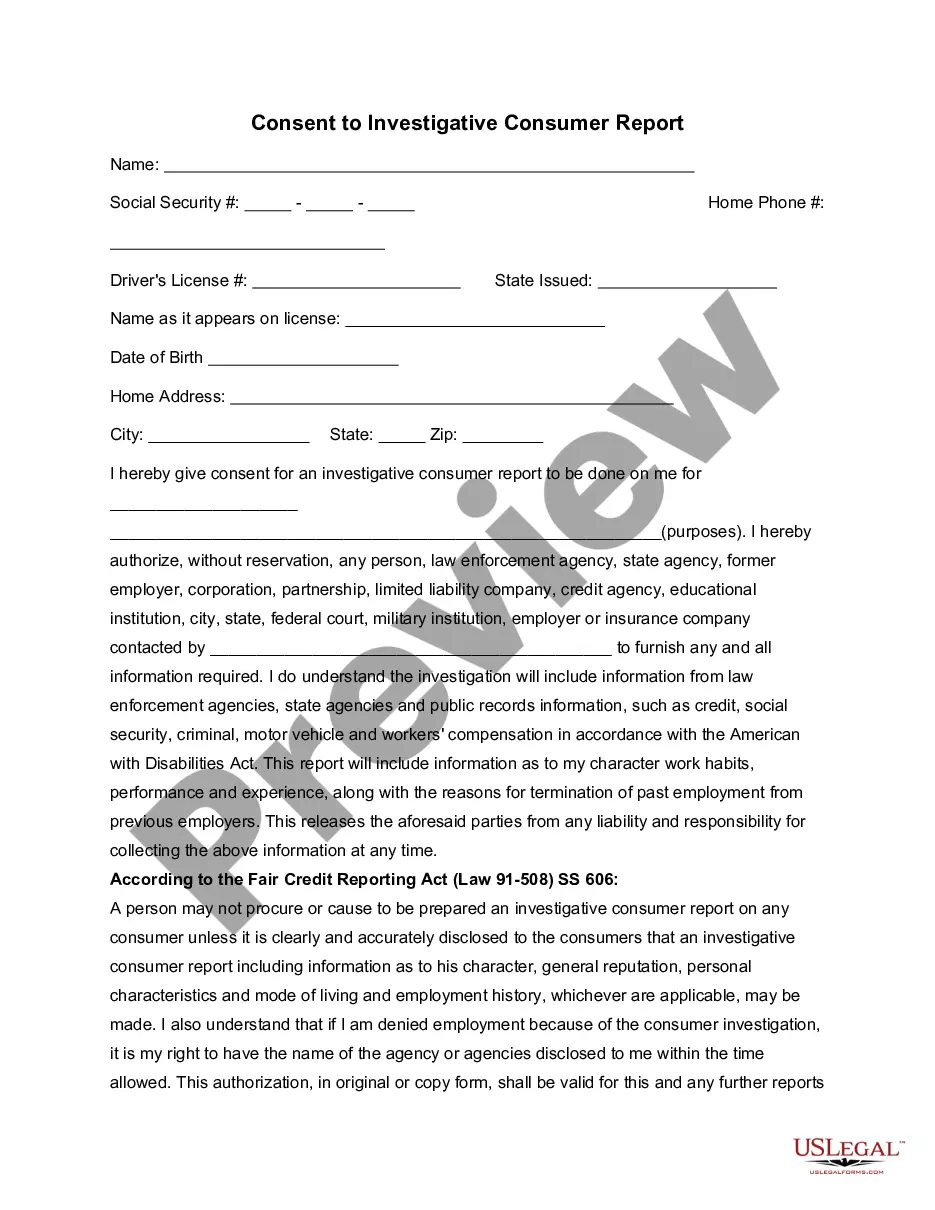
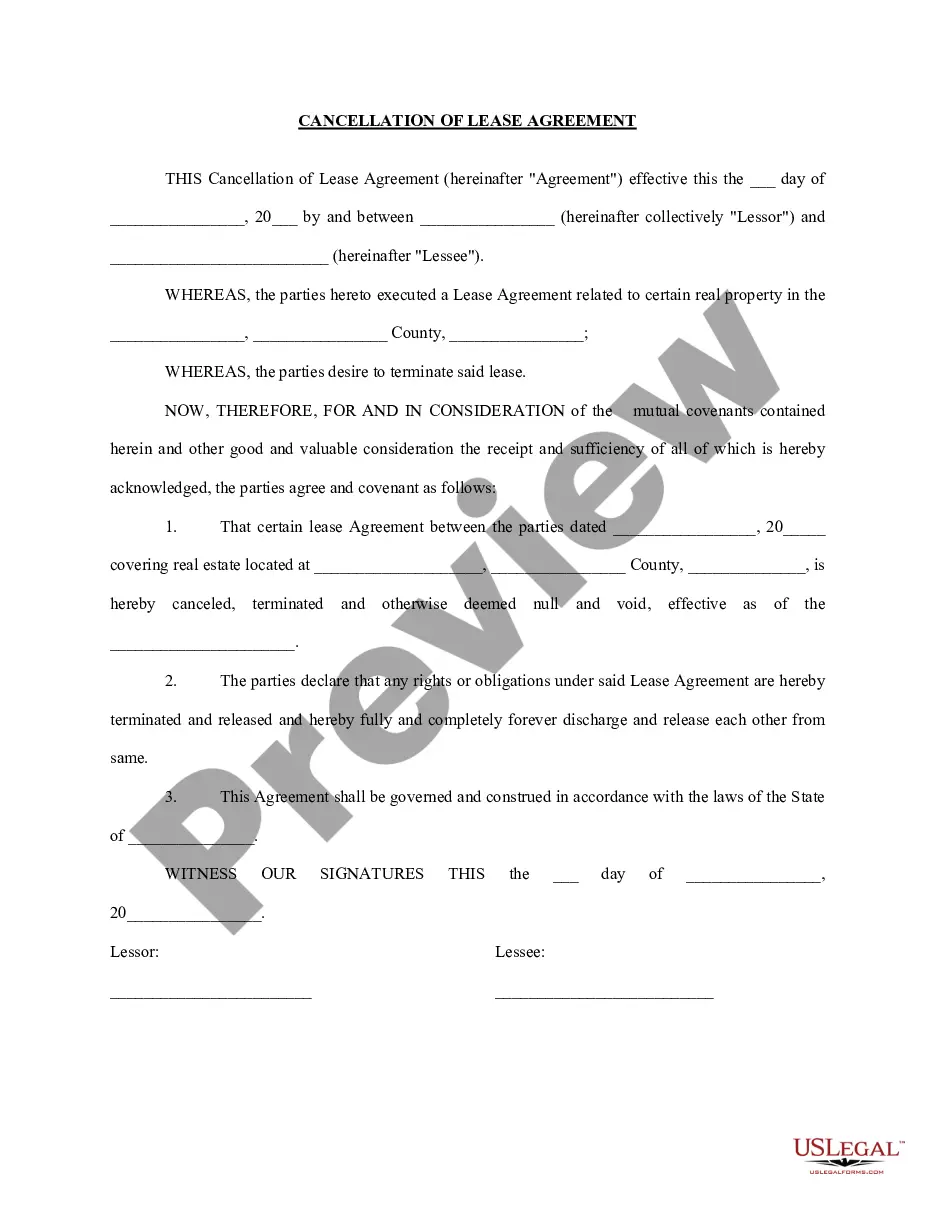
Looking for another form?






Form popularity
FAQ
(1) It shall be unlawful for any person to knowingly possess, display, or use any false, fictitious, fraudulent, or altered identification document.
The maximum penalty on indictment for selling counterfeit goods is an unlimited fine and/or 10 years imprisonment.
§16-13-78.2. If convicted of possessing, manufacturing, delivering, distributing, or selling of counterfeit substances in Georgia, you will be guilty of a misdemeanor. Misdemeanor convictions in Georgia carry fines up to $1,000, jail time up to one year, or both.
(a) Whoever intentionally traffics or attempts to traffic in goods or services and knowingly uses a counterfeit mark on or in connection with such goods or services shall, if an individual, be fined not more than $2,000,000 or imprisoned not more than 10 years, or both, and, if a person other than an individual, be ...
A person commits the offense of forgery in the first degree when with the intent to defraud he or she knowingly makes, alters, or possesses any writing, other than a check, in a fictitious name or in such manner that the writing as made or altered purports to have been made by another person, at another time, with ...
You should obtain a Georgia seller's permit as soon as your business plans to sell any taxable goods or services within the state. Whether you're starting a retail store, an online business, or engaging in wholesale transactions, a seller's permit is necessary before you begin making sales.
Who is required to obtain a Georgia sales and use tax number? Any individual or entity meeting the definition of a “dealer” in O.C.G.A. § 48-8-2 is required to register for a sales and use tax number regardless of whether all sales will be online, out of state, wholesale, or exempt from tax.
Vendors are allowed to keep a percentage of the tax collected, known as the Vendor's Compensation. The deduction consists of 3% of the first $3000 collected, and 0.5% of any amount collected over $3000. For example, if you collected $5000 in taxes, your deduction would be $100.
A seller's permit (also known as a sales tax license, retail license, sales and use tax permit, vendor's license, or sales tax permit) is a business license that allows you to collect sales tax on taxable goods and services you sell or lease, including properties if selling regularly.
As we noted above, one Georgia license all businesses need to have if they wish to sell products or services is a sales tax permit.
