Restraining Order Template Without Notice Alberta In Suffolk
Description
















Get your form ready online
Our built-in tools help you complete, sign, share, and store your documents in one place.
Make edits, fill in missing information, and update formatting in US Legal Forms—just like you would in MS Word.
Download a copy, print it, send it by email, or mail it via USPS—whatever works best for your next step.
Sign and collect signatures with our SignNow integration. Send to multiple recipients, set reminders, and more. Go Premium to unlock E-Sign.
If this form requires notarization, complete it online through a secure video call—no need to meet a notary in person or wait for an appointment.
We protect your documents and personal data by following strict security and privacy standards.

Make edits, fill in missing information, and update formatting in US Legal Forms—just like you would in MS Word.

Download a copy, print it, send it by email, or mail it via USPS—whatever works best for your next step.

Sign and collect signatures with our SignNow integration. Send to multiple recipients, set reminders, and more. Go Premium to unlock E-Sign.

If this form requires notarization, complete it online through a secure video call—no need to meet a notary in person or wait for an appointment.

We protect your documents and personal data by following strict security and privacy standards.
Looking for another form?



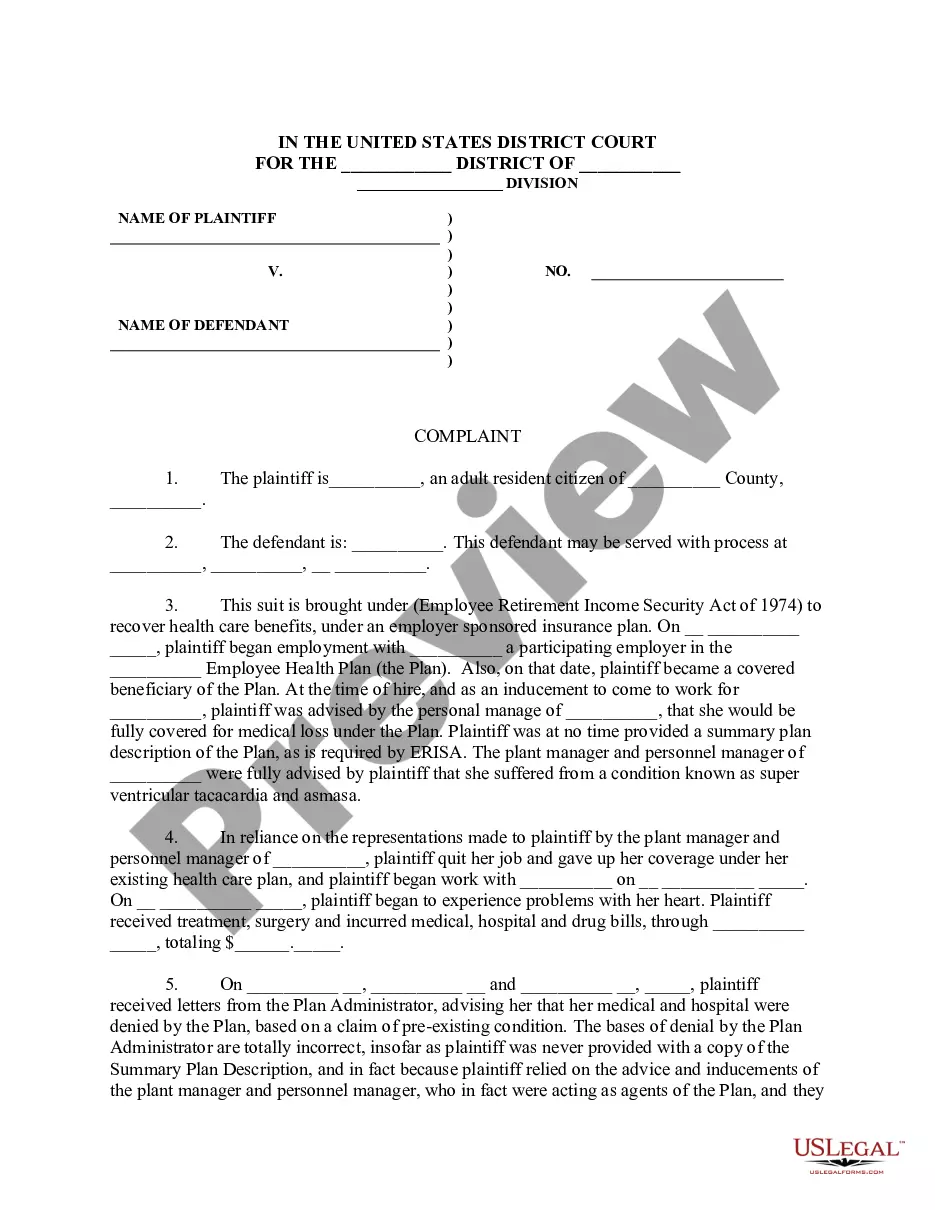
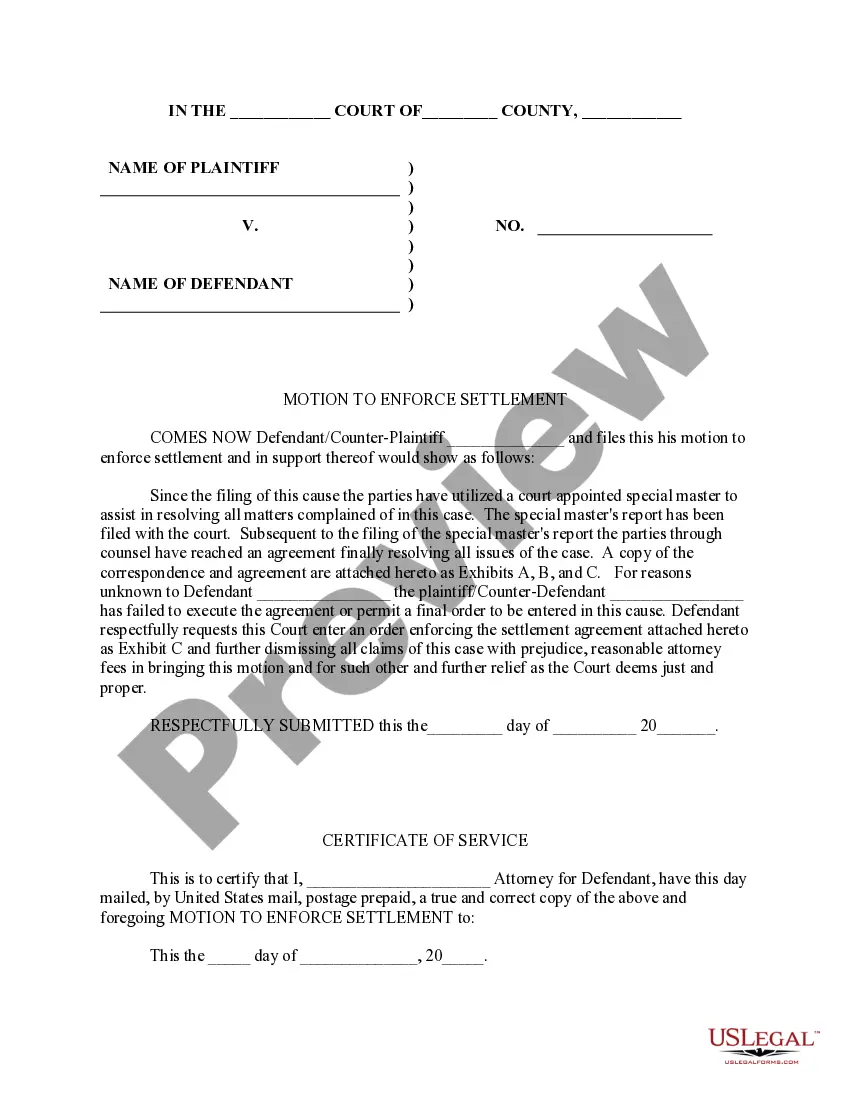
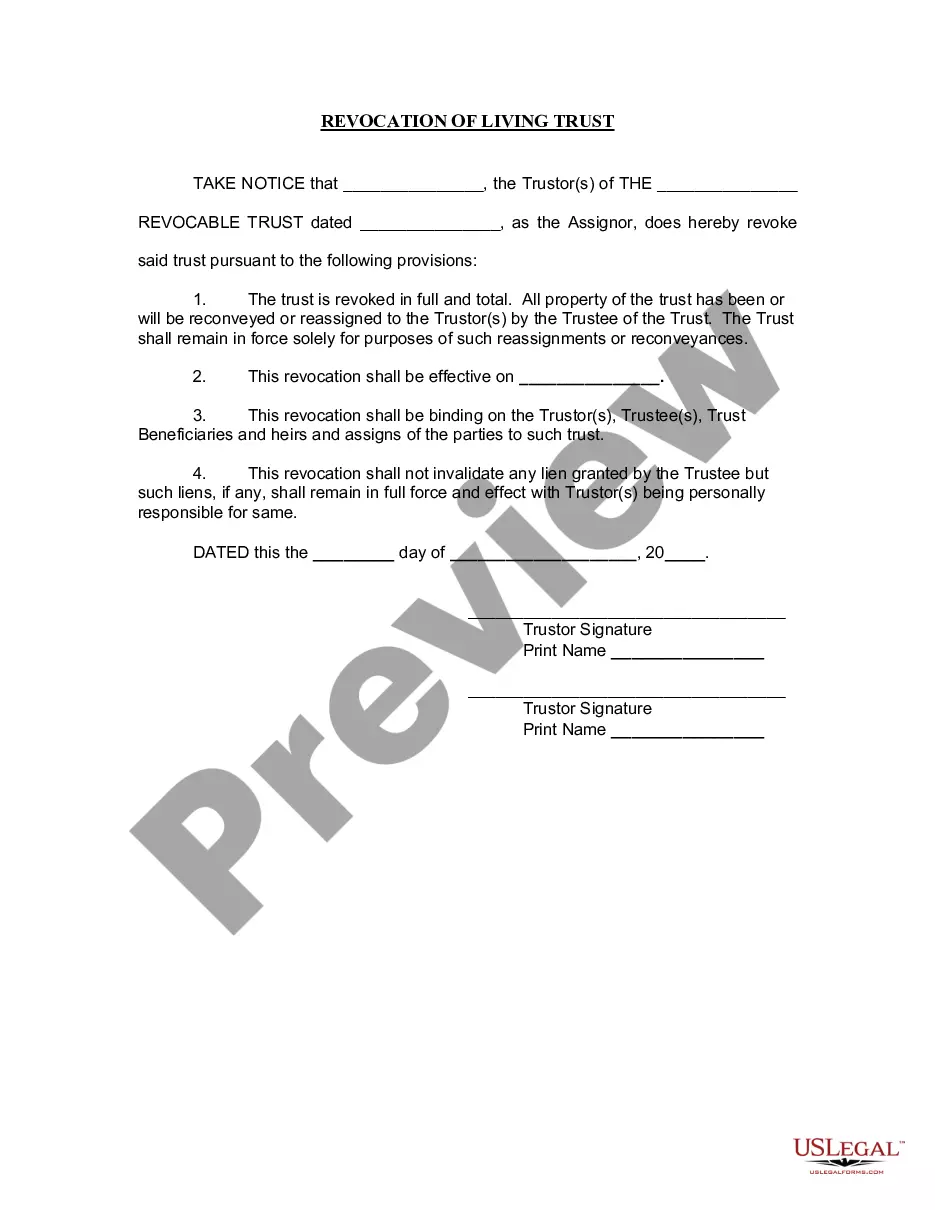




Form popularity
FAQ
If the judge or referee believes you have adequately established the elements of a restraining order (more on that below), it can issue a temporary restraining order. If the order is issued without notifying the other person, it's called an ex parte order.
Regarding the restraining order and your records, restraining orders are typically not considered criminal convictions, but they may show up on background checks depending on the type of check conducted by the employer.
Most state-ordered restraining orders are not sent to border patrol agencies and, as such, do show up on passport control or criminal records. While Canada has access to certain information from the US, it's typically limited to Court-related convictions or criminal offences.
A criminal record check will determine if you have been charged or convicted of a crime. If a name-based criminal record check does not provide a definite way of confirming your identity, you may be asked to provide fingerprints.
Lack of Jurisdiction The respondent can argue that the court does not have jurisdiction to issue a restraining order. This defense can be raised, for instance, if the alleged incidents of domestic violence or harassment did not occur within the jurisdiction of the court.
Final Answer: It Depends. Like all other issues that can affect security clearance applications, there is no binary rule about restraining orders. I saw several denials of clearance and several approvals. It simply depends on whether the event is firmly in the past and how bad the conduct was.
Regarding the restraining order and your records, restraining orders are typically not considered criminal convictions, but they may show up on background checks depending on the type of check conducted by the employer.
