Motion For Temporary Order Sample With No Experience In Maricopa
Description
















Get your form ready online
Our built-in tools help you complete, sign, share, and store your documents in one place.
Make edits, fill in missing information, and update formatting in US Legal Forms—just like you would in MS Word.
Download a copy, print it, send it by email, or mail it via USPS—whatever works best for your next step.
Sign and collect signatures with our SignNow integration. Send to multiple recipients, set reminders, and more. Go Premium to unlock E-Sign.
If this form requires notarization, complete it online through a secure video call—no need to meet a notary in person or wait for an appointment.
We protect your documents and personal data by following strict security and privacy standards.

Make edits, fill in missing information, and update formatting in US Legal Forms—just like you would in MS Word.

Download a copy, print it, send it by email, or mail it via USPS—whatever works best for your next step.

Sign and collect signatures with our SignNow integration. Send to multiple recipients, set reminders, and more. Go Premium to unlock E-Sign.

If this form requires notarization, complete it online through a secure video call—no need to meet a notary in person or wait for an appointment.

We protect your documents and personal data by following strict security and privacy standards.
Looking for another form?

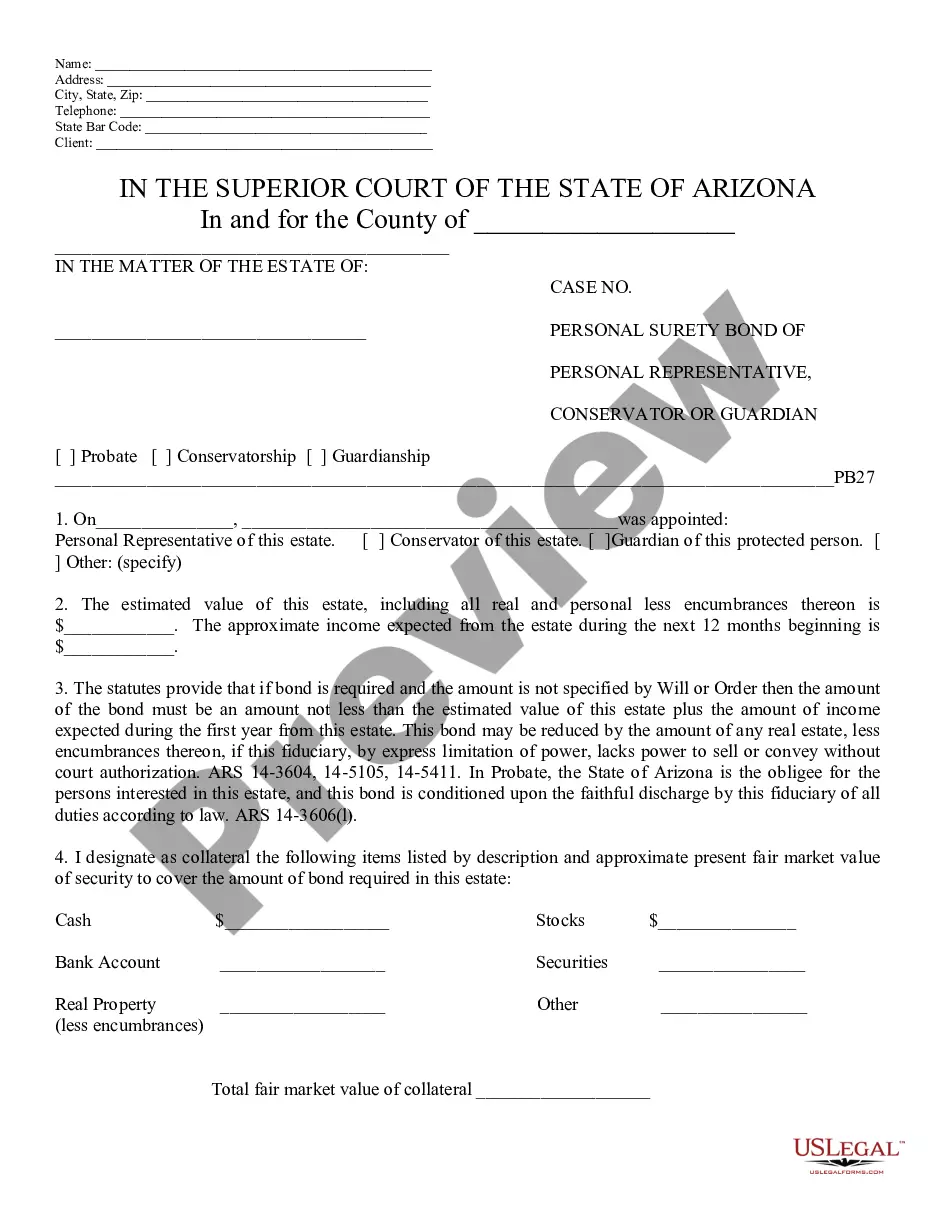

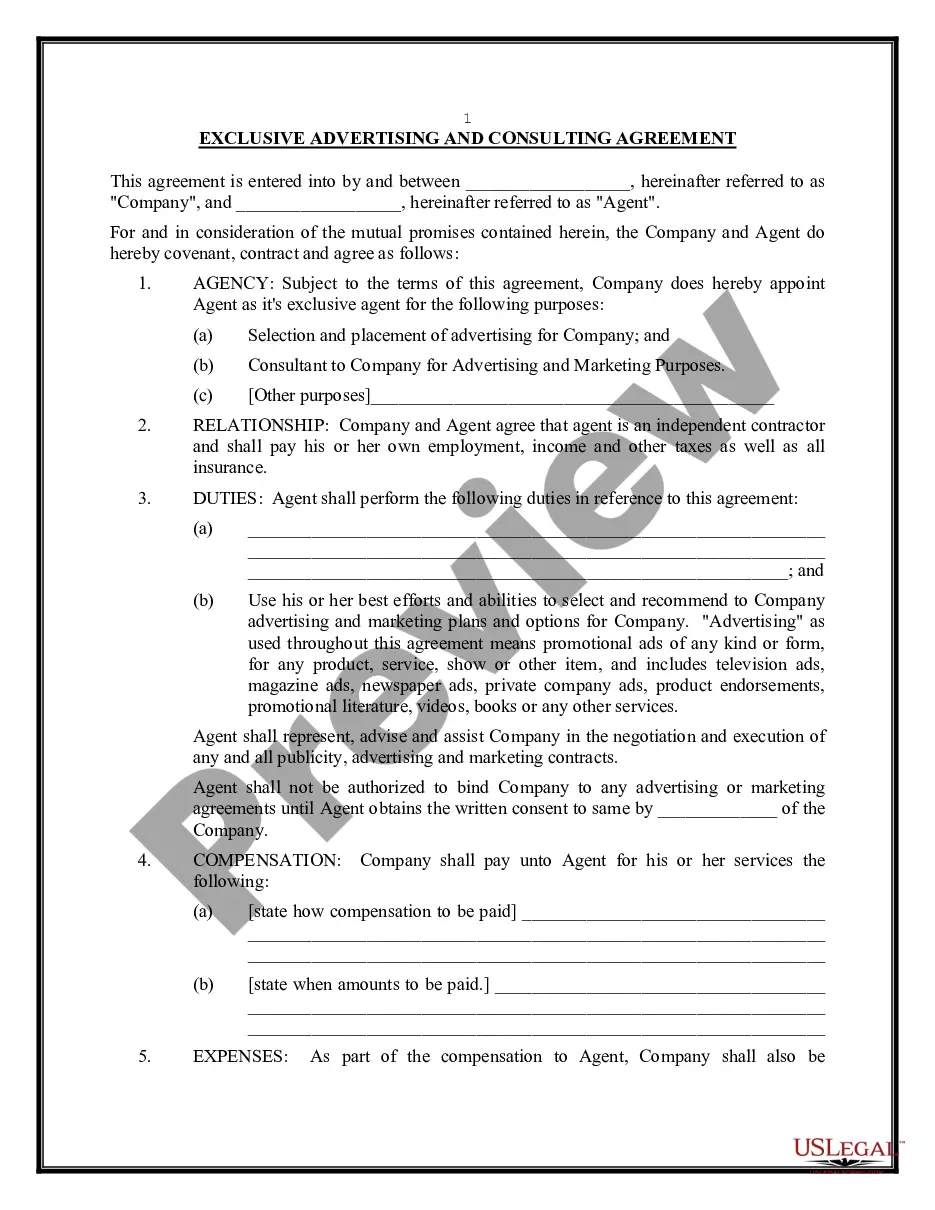




Form popularity
FAQ
Overview. During a civil case, most of your interactions with the judge will be the result of you or the other side filing a written motion. A “motion” is a written request to the judge that asks for a ruling on some issue in the case.
The court procedure that is used to get a temporary order is a motion. A motion is a procedure where one party asks for the court to make an temporary order for some sort of relief while waiting for the trial. It is important to note that there are different types of motions, urgent or non-urgent.
Specifically, the basis for the emergency child custody orders must establish that parenting time with a parent will cause an imminent risk of serious physical, emotional, or psychological harm.
The process of obtaining temporary child custody in Arizona is to file a petition to establish custody of a child or a petition to modify a prior child custody order. In Arizona, it could, in some cases, take as much as a year to have a final child custody trial.
This temporary custody order can last until a permanent agreement is reached or the court makes a final determination. It's crucial to work with an experienced family law attorney to ensure your and your children's best interests.
Filing a motion for a temporary order in divorce can be important when any of the following issues need to be dealt with: Custody and visitation, in which case a temporary order would outline a schedule for when each party has time with the child(ren)
Initially, it may start out with an inquiry or investigation into the matter. Then, after the judge has deliberated, a temp order is issued until the concern is fully grasped and understood. After this and other evidence has come to light, the couple may be issued a final or permanent order on the issue.
To modify the order, you must show the judge there is an issue that cannot wait to be resolved at trial. These matters include such issues as child endangerment or a parent violating the terms of the order. To modify temporary custody orders, you will need to include your reasoning for filing a motion to modify.
Temporary custody orders are short-term solutions meant to last until the court establishes a permanent order. Sometimes, this is only a few days, and other times, especially when soon-to-be ex-spouses don't agree on the terms of their divorce, a temporary order can last months.
To modify the order, you must show the judge there is an issue that cannot wait to be resolved at trial. These matters include such issues as child endangerment or a parent violating the terms of the order. To modify temporary custody orders, you will need to include your reasoning for filing a motion to modify.
