Filing A Motion For Temporary Orders In Los Angeles
Description
















Get your form ready online
Our built-in tools help you complete, sign, share, and store your documents in one place.
Make edits, fill in missing information, and update formatting in US Legal Forms—just like you would in MS Word.
Download a copy, print it, send it by email, or mail it via USPS—whatever works best for your next step.
Sign and collect signatures with our SignNow integration. Send to multiple recipients, set reminders, and more. Go Premium to unlock E-Sign.
If this form requires notarization, complete it online through a secure video call—no need to meet a notary in person or wait for an appointment.
We protect your documents and personal data by following strict security and privacy standards.

Make edits, fill in missing information, and update formatting in US Legal Forms—just like you would in MS Word.

Download a copy, print it, send it by email, or mail it via USPS—whatever works best for your next step.

Sign and collect signatures with our SignNow integration. Send to multiple recipients, set reminders, and more. Go Premium to unlock E-Sign.

If this form requires notarization, complete it online through a secure video call—no need to meet a notary in person or wait for an appointment.

We protect your documents and personal data by following strict security and privacy standards.
Looking for another form?


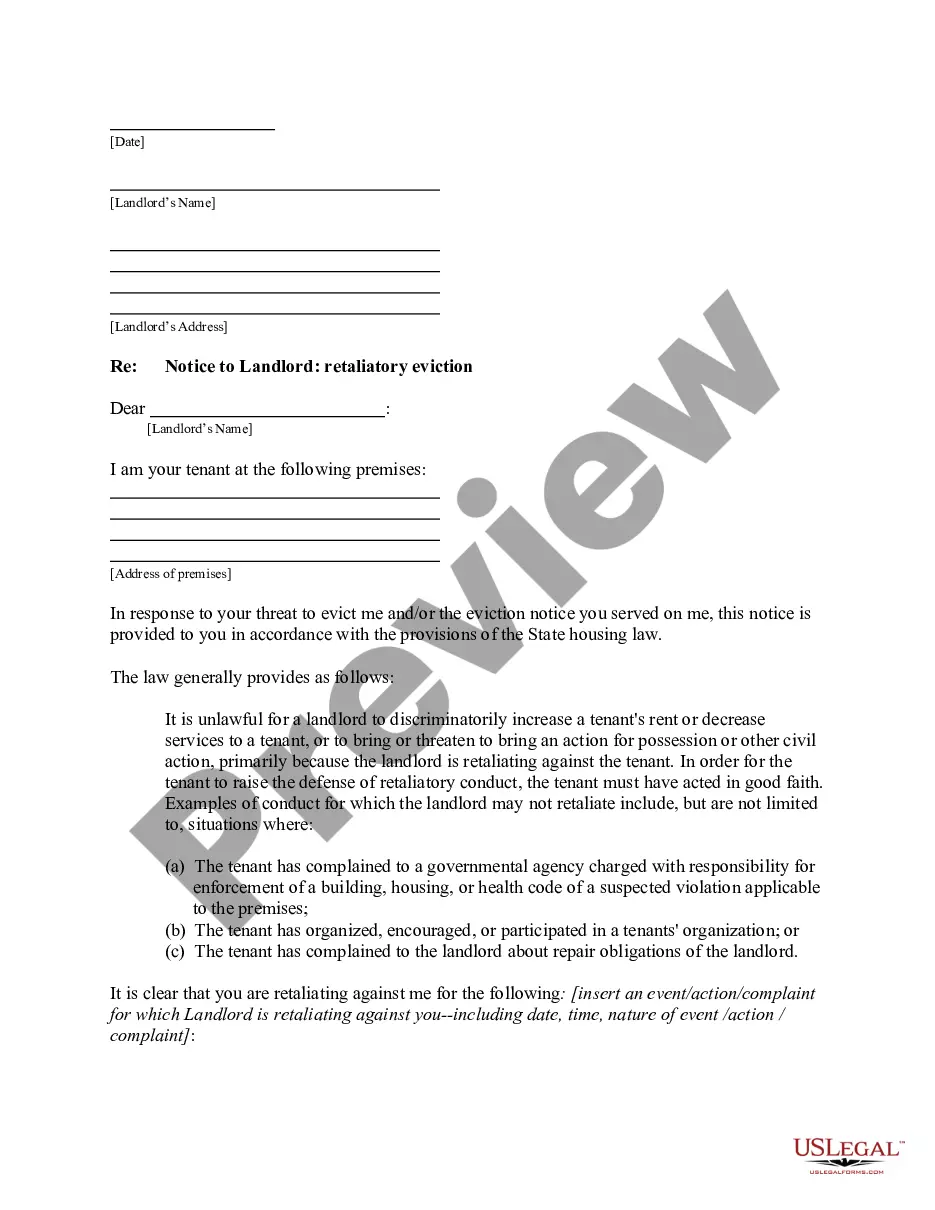






Form popularity
FAQ
Normally, a temporary order remains in effect until a judge ends it, modifies it or issues a final order replacing it. Occasionally, a temporary order has an expiration date. If parents can agree how to co-parent for the duration of their case, they may not need a temporary order.
Emergency custody orders are temporary and typically last until a full custody hearing is scheduled. At this hearing, both parents present more extensive evidence, and the judge makes a long-term decision regarding custody.
To modify the order, you must show the judge there is an issue that cannot wait to be resolved at trial. These matters include such issues as child endangerment or a parent violating the terms of the order. To modify temporary custody orders, you will need to include your reasoning for filing a motion to modify.
Temporary guardianships are awarded for a short period of time, usually no longer than six months. Temporary guardianship grants a guardian all the legal rights and responsibilities relating to the care of the child. A guardian has full legal and physical custody of the child, and makes decisions about their care.
Temporary orders can become permanent custody arrangements after the couple's divorce is finalized. In some cases, this may not truly be in the children's best interest.
In most states, you will need to file: an application for order to show cause. a supporting declaration that relays your reasons for the request. a proposed temporary order and. a proof of service.
Because every situation is different, there is no standard duration regarding the temporary child custody order, and the times can also change depending on the location. The court maintains temporary orders unless it modifies them or issues a final custody order.
Filing a motion for a temporary order in divorce can be important when any of the following issues need to be dealt with: Custody and visitation, in which case a temporary order would outline a schedule for when each party has time with the child(ren)
The Ex Parte Application must show there is an emergency such that there will be irreparable harm or immediate danger if the order is not granted. An Ex Parte Application should only be filed when there is not enough time to hear a regularly noticed motion (16 court days minimum).
