Motion For Temporary Order Sample For Divorce In Contra Costa
Description

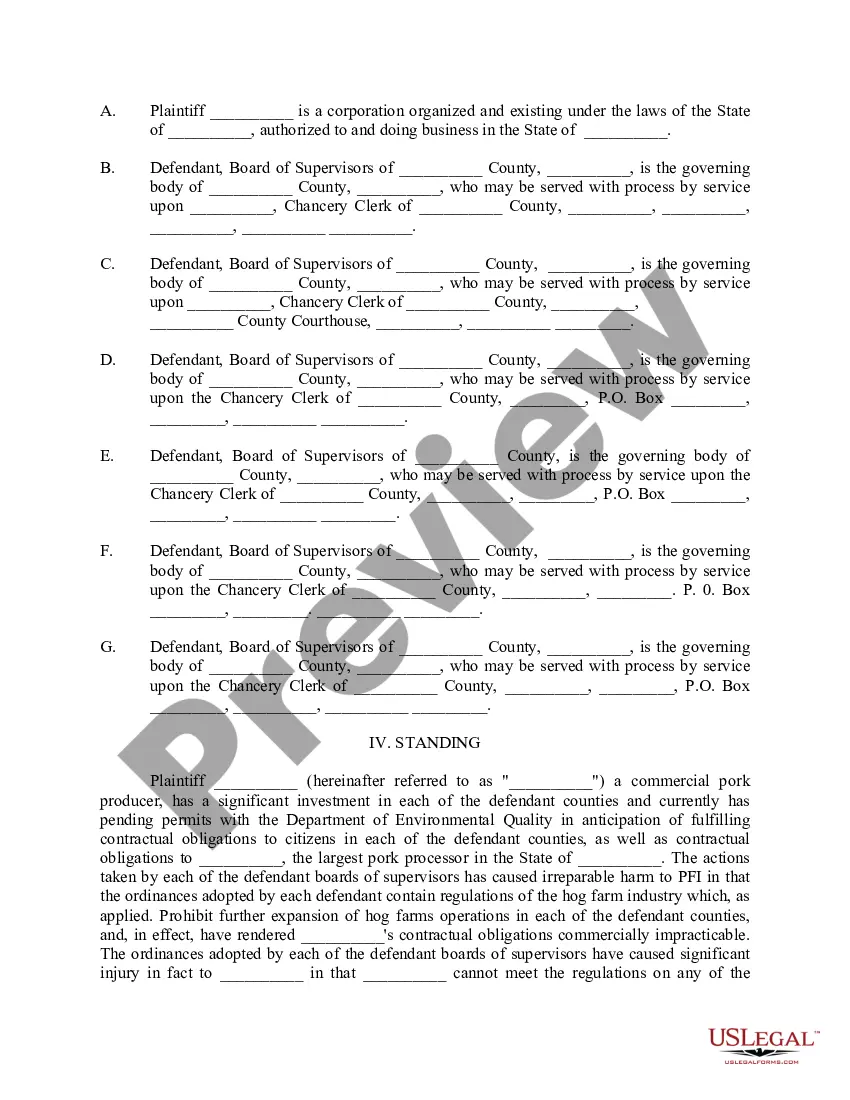
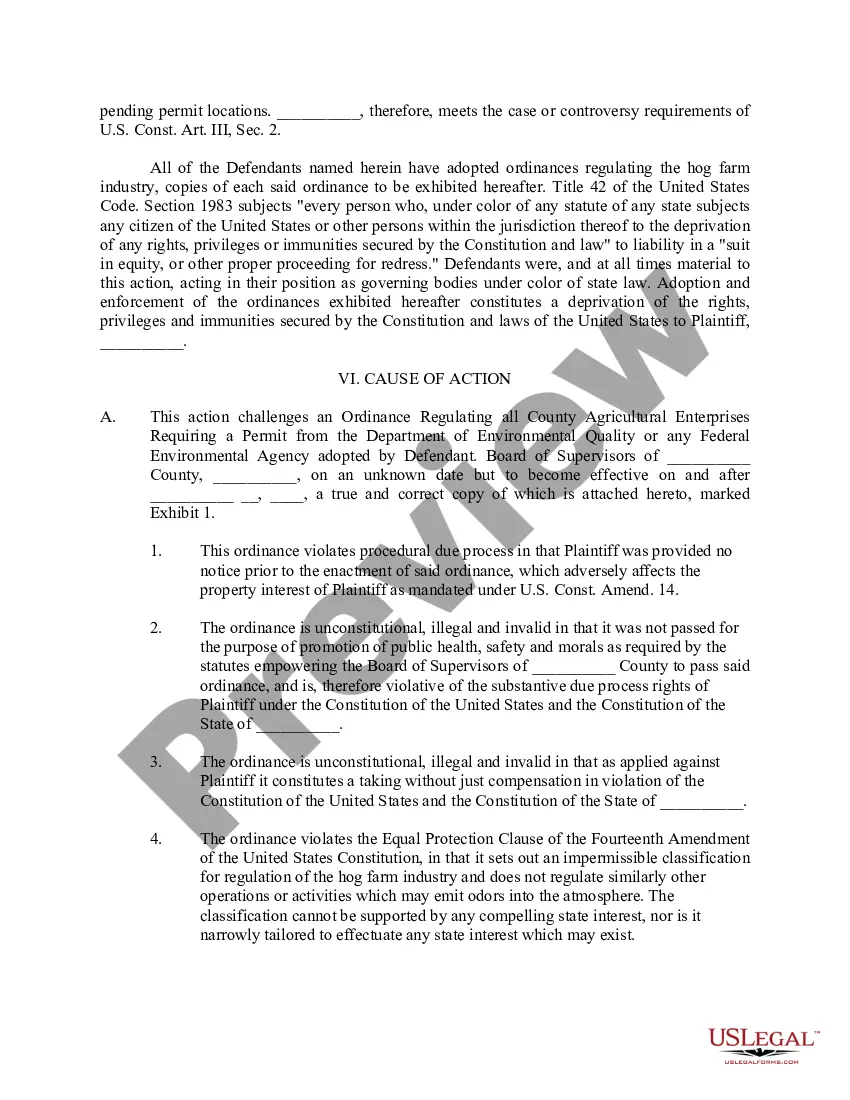
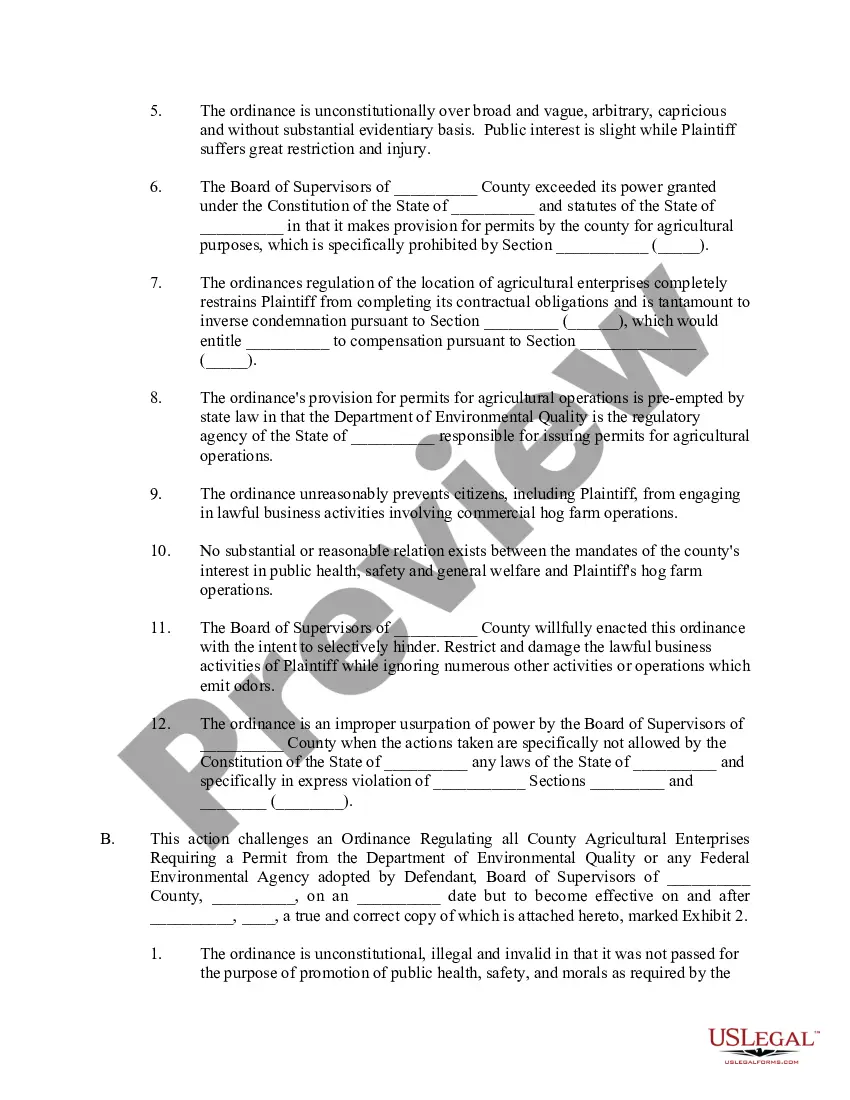
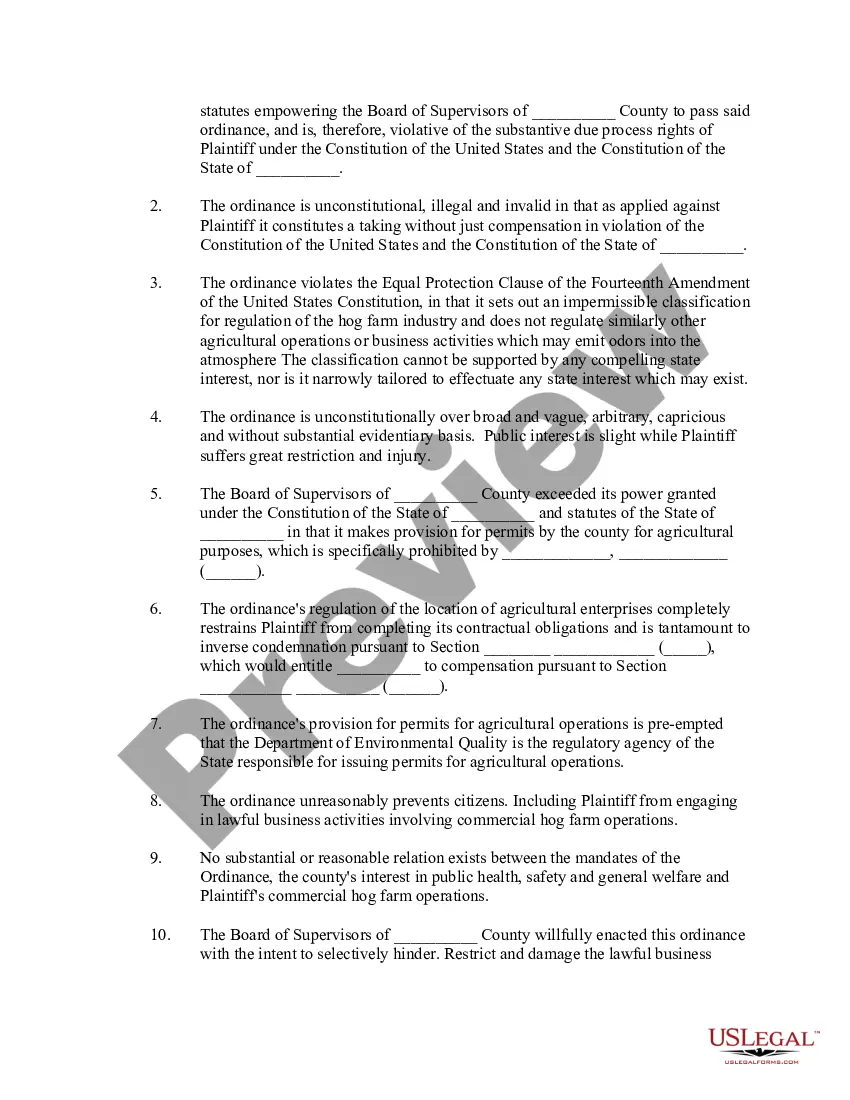






Get your form ready online
Our built-in tools help you complete, sign, share, and store your documents in one place.
Make edits, fill in missing information, and update formatting in US Legal Forms—just like you would in MS Word.
Download a copy, print it, send it by email, or mail it via USPS—whatever works best for your next step.
Sign and collect signatures with our SignNow integration. Send to multiple recipients, set reminders, and more. Go Premium to unlock E-Sign.
If this form requires notarization, complete it online through a secure video call—no need to meet a notary in person or wait for an appointment.
We protect your documents and personal data by following strict security and privacy standards.

Make edits, fill in missing information, and update formatting in US Legal Forms—just like you would in MS Word.

Download a copy, print it, send it by email, or mail it via USPS—whatever works best for your next step.

Sign and collect signatures with our SignNow integration. Send to multiple recipients, set reminders, and more. Go Premium to unlock E-Sign.

If this form requires notarization, complete it online through a secure video call—no need to meet a notary in person or wait for an appointment.

We protect your documents and personal data by following strict security and privacy standards.
Looking for another form?










Form popularity
FAQ
Motions are a part of domestic relations court proceedings. A motion is the method to ask the Court for something. Requests are documented in writing as are responses and replies. Some motions can also be made in person at the beginning of a hearing.
In order to get a temporary order in place during a divorce proceeding, an official request for that order must be made to the court. Formally, this request is known as a motion, and a motion for a temporary order in divorce will explain what is being requested and why this request is being made.
A: The quickest and least expensive way to get a divorce in California is to have an uncontested divorce. This means that both parties are amicable and able to reach a reasonable agreement on the terms of the divorce. The process can take much longer if one or both parties are unwilling to come to an agreement.
Temporary reliefs require a special hearing that provides an impermanent solution based on the circumstances and are typically resolved through settlement negotiations or mediation. When a judge grants a motion for temporary relief, the order will only remain in effect until the formal proceedings are completed.
Clarifying the Difference Between Motion and Petition While petitions are the vehicles that launch a lawsuit, setting the stage for the legal proceedings, motions are the tools used within the ongoing litigation to request specific court actions or rulings.
About the motions A “motion” is a request you file with the court asking the court to do something—in this case, to change or enforce your order.
Mistake #1: Waiting Too Long to Get a Divorce. If you know your marriage is over but just want to wait a little longer, a lot of bad things can happen. When emotions run high, you may find yourself in a physical altercation that could result in an arrest or protective order.
Unless the court orders a different time to serve, your server must mail the papers at least 16 court days plus 5 calendar days before your court date.
In order to get a temporary order in place during a divorce proceeding, an official request for that order must be made to the court. Formally, this request is known as a motion, and a motion for a temporary order in divorce will explain what is being requested and why this request is being made.