Temporary Restraining Order Example In California
Description
















Get your form ready online
Our built-in tools help you complete, sign, share, and store your documents in one place.
Make edits, fill in missing information, and update formatting in US Legal Forms—just like you would in MS Word.
Download a copy, print it, send it by email, or mail it via USPS—whatever works best for your next step.
Sign and collect signatures with our SignNow integration. Send to multiple recipients, set reminders, and more. Go Premium to unlock E-Sign.
If this form requires notarization, complete it online through a secure video call—no need to meet a notary in person or wait for an appointment.
We protect your documents and personal data by following strict security and privacy standards.

Make edits, fill in missing information, and update formatting in US Legal Forms—just like you would in MS Word.

Download a copy, print it, send it by email, or mail it via USPS—whatever works best for your next step.

Sign and collect signatures with our SignNow integration. Send to multiple recipients, set reminders, and more. Go Premium to unlock E-Sign.

If this form requires notarization, complete it online through a secure video call—no need to meet a notary in person or wait for an appointment.

We protect your documents and personal data by following strict security and privacy standards.
Looking for another form?




Form popularity
FAQ
This standard means that the Court must see photographs, text messages, e-mails or any other physical evidence that can support claims made by the Petitioner. The court will not entertain a simple exchange of allegations. The petitioner must provide specific acts of harassment, threats or physical harm as evidence.
The specific elements you need to prove to get a restraining order vary from state to state, but in general, you need to show: A specific instance or instances of abuse or harassment (such as sexual assault by an intimate partner) The threat of violence or of further abusive behavior or harassment.
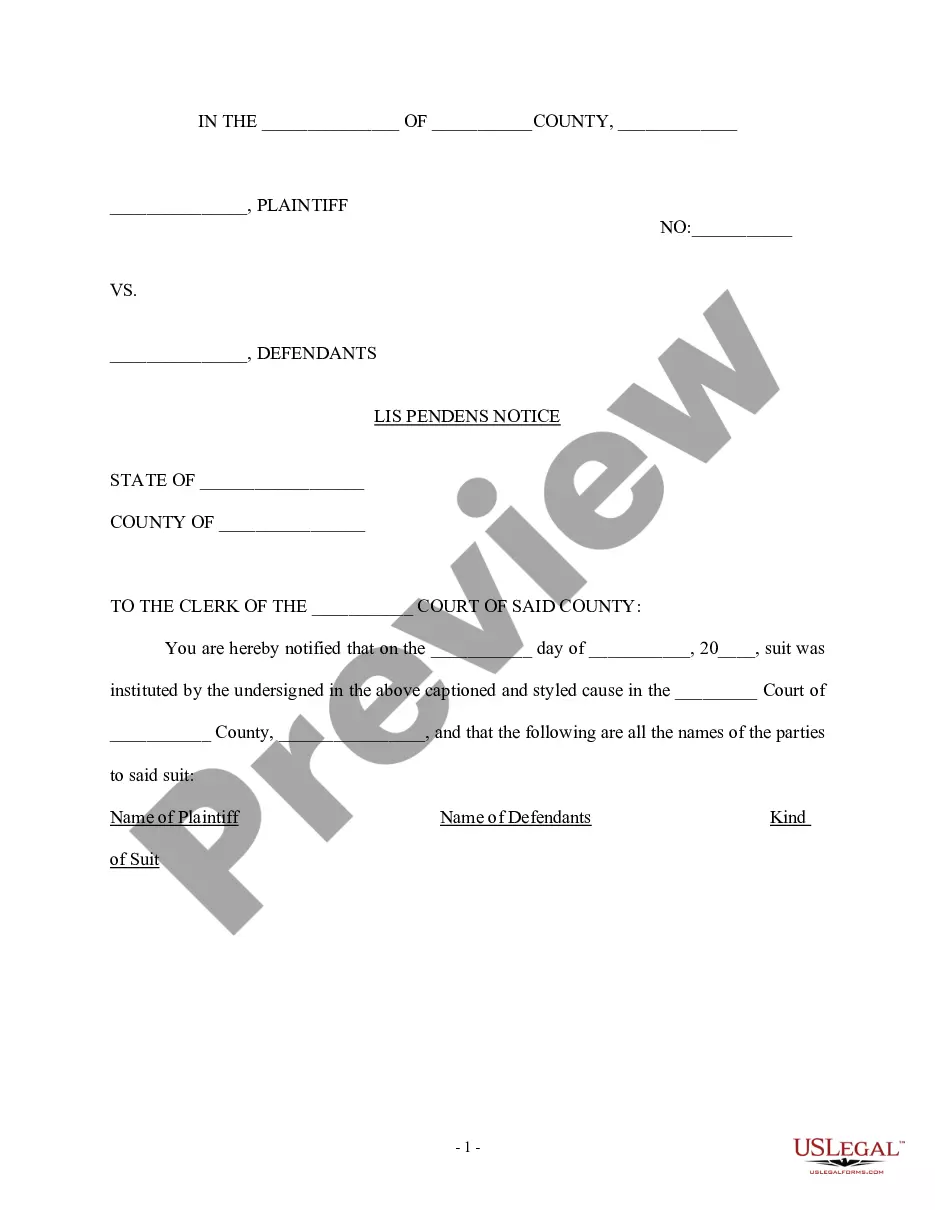
You will need to research and write (1) an “Application for TRO,” stating what you are requesting and when the hearing will be; (2) a “Memorandum of Points and Authorities,” explaining the relevant laws and how they apply to your facts; (3) a “Declaration” under penalty of perjury explaining both the facts of the case, ...
Using the facts of the incident only, keep your statement brief and to the point. Briefly describe the most recent incident of abuse and/or threats of abuse or other behaviors. Focus on the actual behavior. Do not include prior incidents, (that will be the next paragraph).
The judge reviews the submitted documents and decides on immediate protection measures. The judge holds an urgent hearing to assess the petitioner's paperwork. The petitioner presents reasons for seeking protection, and the judge decides whether to grant a temporary order to ensure immediate safety.
You will need to research and write (1) an “Application for TRO,” stating what you are requesting and when the hearing will be; (2) a “Memorandum of Points and Authorities,” explaining the relevant laws and how they apply to your facts; (3) a “Declaration” under penalty of perjury explaining both the facts of the case, ...
Once you turn in your request, a judge will decide quickly whether to grant temporary protection. The whole process can take a few weeks to months, depending on how complicated your case is. If the judge grants you a long-term restraining order, it can last up to five years.
Using the facts of the incident only, keep your statement brief and to the point. Briefly describe the most recent incident of abuse and/or threats of abuse or other behaviors. Focus on the actual behavior. Do not include prior incidents, (that will be the next paragraph).
A temporary restraining order may be issued with or without notice, based on a declaration that, to the satisfaction of the court, shows reasonable proof of harassment of the petitioner by the respondent, and that great or irreparable harm would result to the petitioner.