Sample Petition For Temporary Restraining Order Philippines In Bexar
Description
















Get your form ready online
Our built-in tools help you complete, sign, share, and store your documents in one place.
Make edits, fill in missing information, and update formatting in US Legal Forms—just like you would in MS Word.
Download a copy, print it, send it by email, or mail it via USPS—whatever works best for your next step.
Sign and collect signatures with our SignNow integration. Send to multiple recipients, set reminders, and more. Go Premium to unlock E-Sign.
If this form requires notarization, complete it online through a secure video call—no need to meet a notary in person or wait for an appointment.
We protect your documents and personal data by following strict security and privacy standards.

Make edits, fill in missing information, and update formatting in US Legal Forms—just like you would in MS Word.

Download a copy, print it, send it by email, or mail it via USPS—whatever works best for your next step.

Sign and collect signatures with our SignNow integration. Send to multiple recipients, set reminders, and more. Go Premium to unlock E-Sign.

If this form requires notarization, complete it online through a secure video call—no need to meet a notary in person or wait for an appointment.

We protect your documents and personal data by following strict security and privacy standards.
Looking for another form?





Form popularity
FAQ
In no case shall the total period of the TRO exceed twenty (20) days, including the original seventy-two (72) hours, for the TRO issued by the Executive Judge.
A final protective order may last up to two years and, in some instances, may last longer. The Petitioner has the burden of proof and must prove by a “preponderance of the evidence” that family violence has occurred and is likely again to occur.
Often, the most effective evidence used to win or fight a restraining order is using third-party witnesses. A witness who has little connection to either party and no stake in the outcome of the case can be a powerful factor for the Judge.
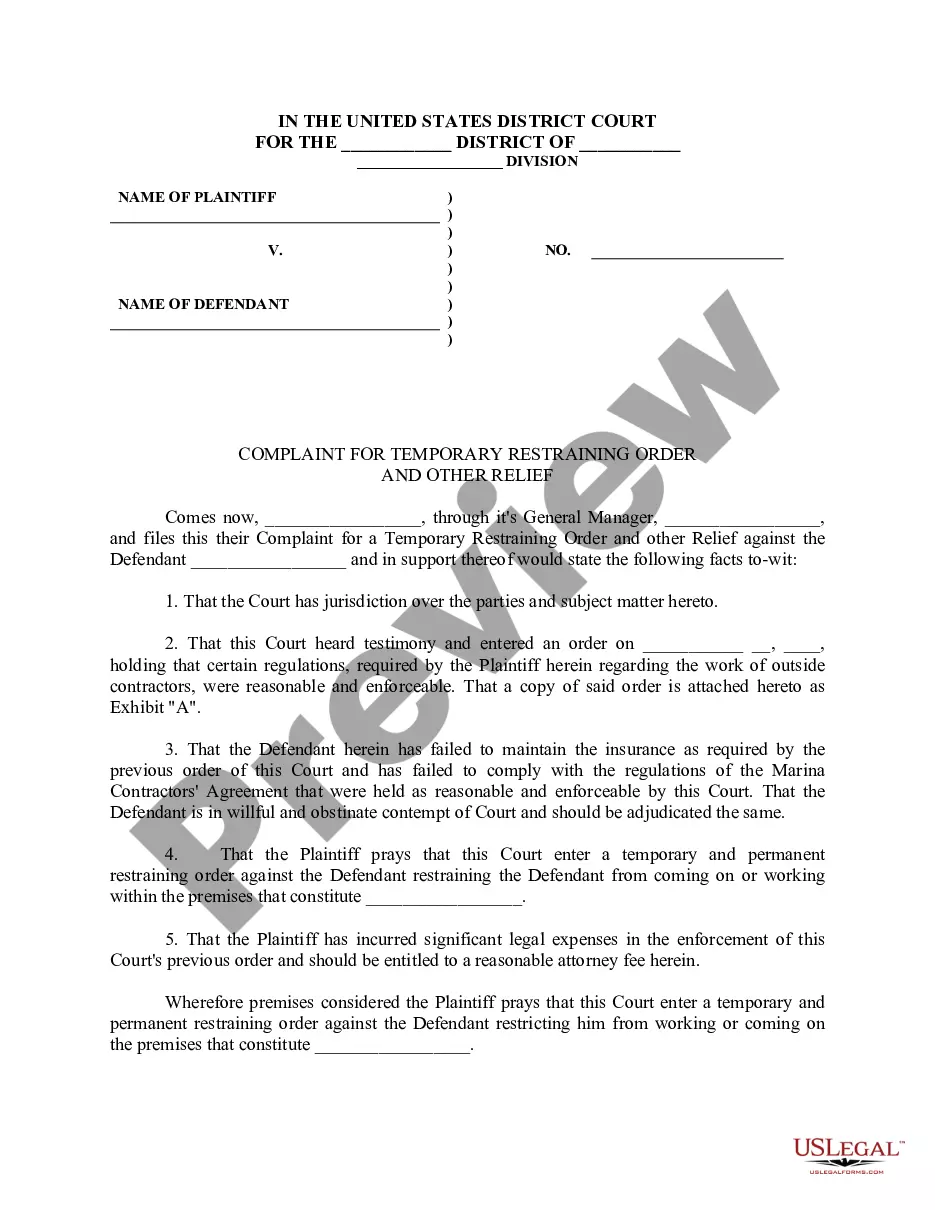
Legal Basis of a TRO This legal remedy is typically requested from the court when immediate action is needed to prevent serious harm or injustice. A TRO can only be issued by a court and must be supported by sufficient evidence showing that the applicant's rights are in imminent danger.
File a Petition: The party seeking a TRO must file a verified petition in the court where the main case is or will be pending. Present Evidence: The petitioner must provide evidence that immediate and irreparable injury, loss, or damage will occur without the TRO.
The injunction is something ordered by the judge that can either be permanent or for a specific period of time. The restraining order usually only happens at the beginning of the case, once the person is served with a temporary restraining order and that will only last until the injunction hearing.
File a Petition: The party seeking a TRO must file a verified petition in the court where the main case is or will be pending. Present Evidence: The petitioner must provide evidence that immediate and irreparable injury, loss, or damage will occur without the TRO.
