Physical Assault In School Uk In Texas
Description


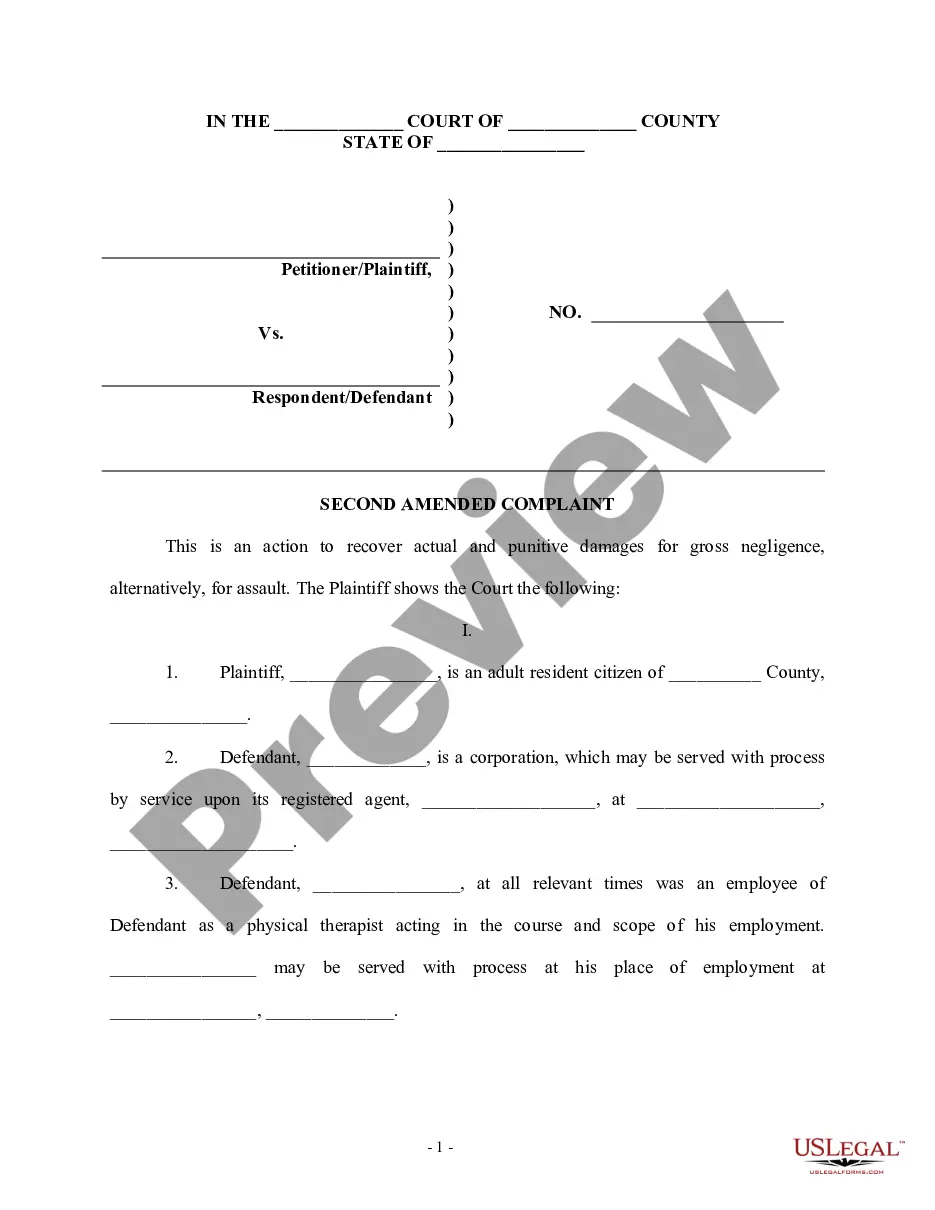
Get your form ready online
Our built-in tools help you complete, sign, share, and store your documents in one place.
Make edits, fill in missing information, and update formatting in US Legal Forms—just like you would in MS Word.
Download a copy, print it, send it by email, or mail it via USPS—whatever works best for your next step.
Sign and collect signatures with our SignNow integration. Send to multiple recipients, set reminders, and more. Go Premium to unlock E-Sign.
If this form requires notarization, complete it online through a secure video call—no need to meet a notary in person or wait for an appointment.
We protect your documents and personal data by following strict security and privacy standards.

Make edits, fill in missing information, and update formatting in US Legal Forms—just like you would in MS Word.

Download a copy, print it, send it by email, or mail it via USPS—whatever works best for your next step.

Sign and collect signatures with our SignNow integration. Send to multiple recipients, set reminders, and more. Go Premium to unlock E-Sign.

If this form requires notarization, complete it online through a secure video call—no need to meet a notary in person or wait for an appointment.

We protect your documents and personal data by following strict security and privacy standards.
Looking for another form?
Form popularity
FAQ
Chapter 37—The Safe Schools Act Chapter 37 of the Texas Education Code provides educators with authority to manage their classroom in certain situations. A teacher has absolute authority to send a student to the camus behavior coordinator's office to maintain effective discipline in the classroom.
Chapter 37 of the Texas Education Code (TEC) gives teachers the authority to remove disruptive students from their classrooms. The law, adopted by the Texas legislature in 2005, allows teachers two types of removals: a discretionary removal and a mandatory removal.
(d) A school district or open-enrollment charter school may not place a student who is homeless in out-of-school suspension unless the student engages in conduct described by Subsections (c)(1)-(3) while on school property or while attending a school-sponsored or school-related activity on or off of school property.
The state allows a teacher to remove a student from her classroom for repeatedly or seriously interfering with instruction. The state mandates removal of a student and placement in a disciplinary alternative education program (DAEP) for more serious misconduct like assault resulting in bodily injury.
The Texas code thus allows school personnel to hit children with objects (“paddling”) and to use “any other physical force” to control children, as long as it is in the name of discipline. Some school districts specify the exact dimensions of the paddles to be used for discipline.
Chapter 37 of the Texas Education Code (TEC) addresses safe schools, student discipline, and behavior management. The Texas Association of School Boards assists districts with legal and policy matters related to student discipline and safe schools.
37.002. REMOVAL BY TEACHER. (a) A teacher may send a student to the campus behavior coordinator's office to maintain effective discipline in the classroom.
You can do both. You can file criminal charges against the student and you can file for a civil restraining order. If the school refuses to move the child, that is their right unless there is a court order that the student cannot be in your presence.
Generally, schools are immune from suit. Unless you can show that the school knew of a serious danger and did nothing to prevent the injury, you are probably going nowhere. If in doubt, you should consult with a local personal injury attorney.
Another option is setting clear consequences for your child's behavior. For example, you might take away your child's phone for a few days if their teacher reports bullying. Making amends with other kids can also be a helpful consequence, like a written apology or doing something nice for the person they hurt.