Second Amendment Print For Dummies In Minnesota
Description


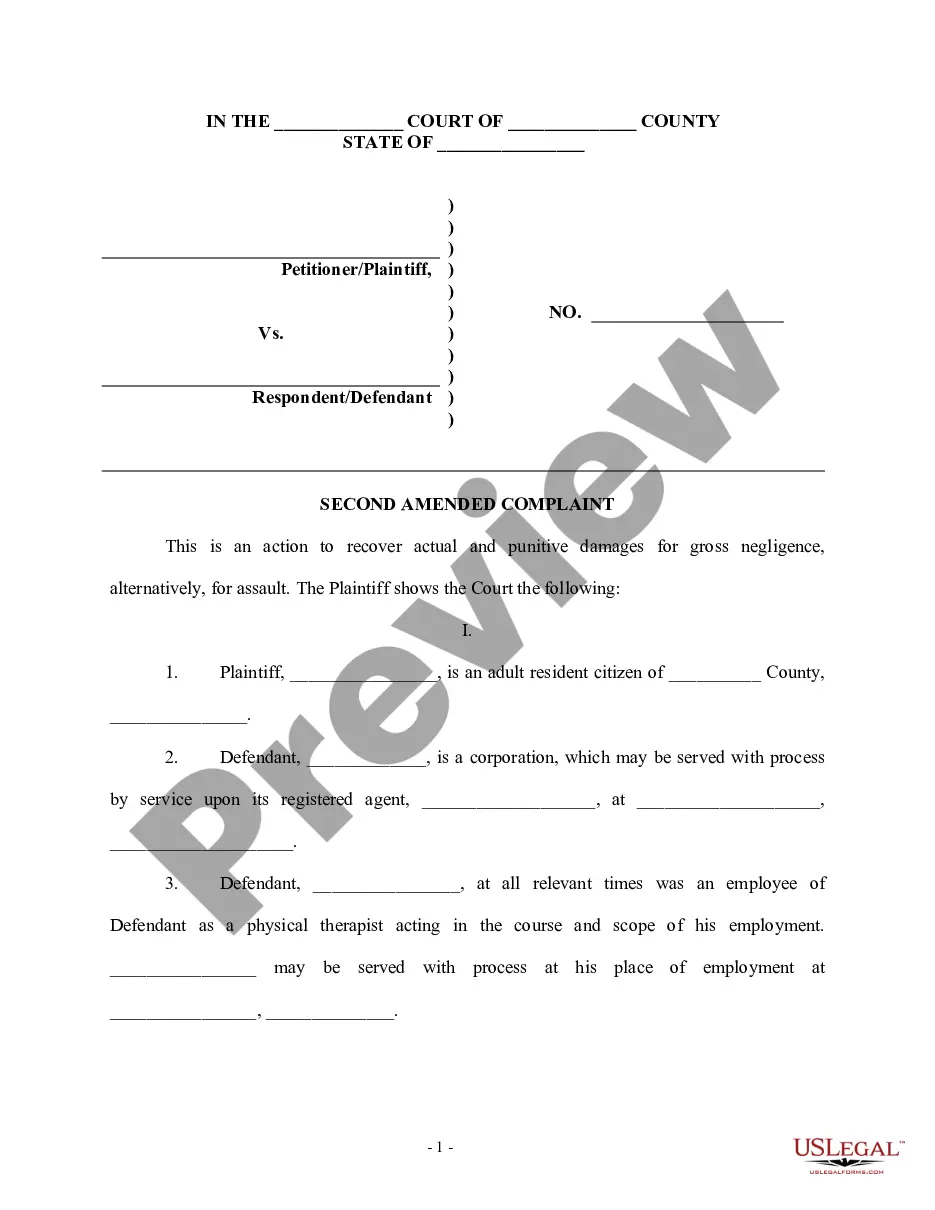
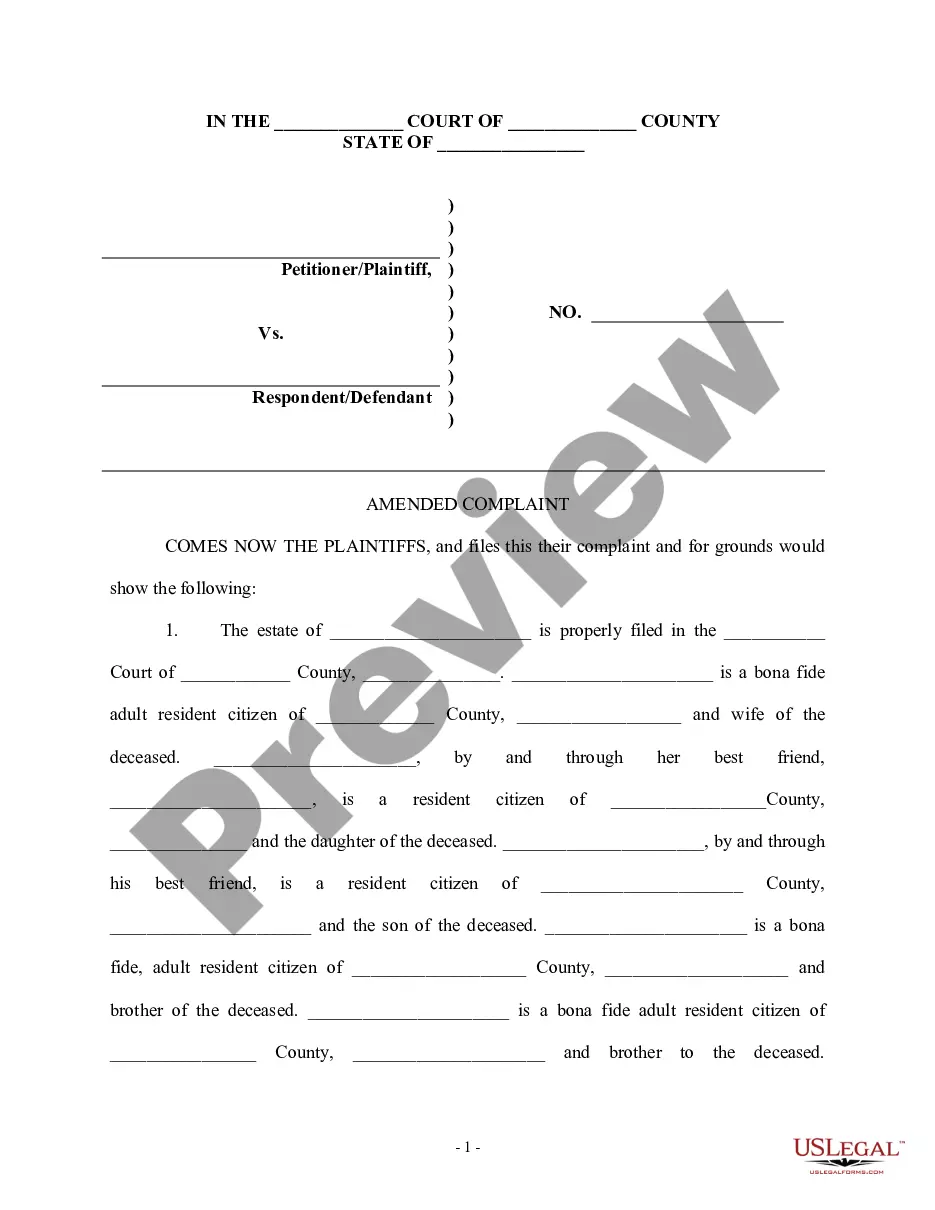
Get your form ready online
Our built-in tools help you complete, sign, share, and store your documents in one place.
Make edits, fill in missing information, and update formatting in US Legal Forms—just like you would in MS Word.
Download a copy, print it, send it by email, or mail it via USPS—whatever works best for your next step.
Sign and collect signatures with our SignNow integration. Send to multiple recipients, set reminders, and more. Go Premium to unlock E-Sign.
If this form requires notarization, complete it online through a secure video call—no need to meet a notary in person or wait for an appointment.
We protect your documents and personal data by following strict security and privacy standards.

Make edits, fill in missing information, and update formatting in US Legal Forms—just like you would in MS Word.

Download a copy, print it, send it by email, or mail it via USPS—whatever works best for your next step.

Sign and collect signatures with our SignNow integration. Send to multiple recipients, set reminders, and more. Go Premium to unlock E-Sign.

If this form requires notarization, complete it online through a secure video call—no need to meet a notary in person or wait for an appointment.

We protect your documents and personal data by following strict security and privacy standards.
Looking for another form?

Form popularity
FAQ
A Second Amendment Sanctuary refers to counties, townships, cities, or other localities in Minnesota that have adopted resolutions or ordinances to prohibit or impede the enforcement of unconstitutional gun control legislation such as universal background checks, red flag laws, “assault weapon” bans, magazine ...
Forty-four states have a provision in their state constitutions similar to the Second Amendment of the U.S. Constitution, which protects the right to keep and bear arms. The exceptions are California, Maryland, Minnesota, New Jersey, and New York.
In short, the Second Amendment states that as an American citizen, you have the individual right to arm yourself. The amendment also firmly establishes that the government cannot infringe on that right.
The Second Amendment protects arms, not firearms,6 and in Heller, the Supreme Court defined an arm as any “weapon of offence” or “thing that a man wears for his defence, or takes into his hands,” that is “carried . . . for the purpose of 'offensive or defensive action.
During the Constitutional Convention, the Framers understood the necessity of a citizen militia to resist a potentially oppressive military if constitutional order broke down. The Second Amendment codified the individual right to firearm possession to combat this fear.
Abundant historical evidence indicates that the Second Amendment was meant to leave citizens with the ability to defend themselves against unlawful violence. Such threats might come from usurpers of governmental power, but they might also come from criminals whom the government is unwilling or unable to control.
Without the Second Amendment, states and the federal government would be able to regulate the manufacturing, sale and use of fire arms any way they like. Government could even go as far as strictly prohibiting anyone from owning or using firearms. There is actually some debate about what the Second Amendment means.
"The right of the citizens to keep and bear arms has justly been considered, as the palladium of the liberties of a republic; since it offers a strong moral check against the usurpation and arbitrary power of rulers; and will generally, even if these are successful in the first instance, enable the people to resist and ...
