Physical Assault At Work In Massachusetts
Description


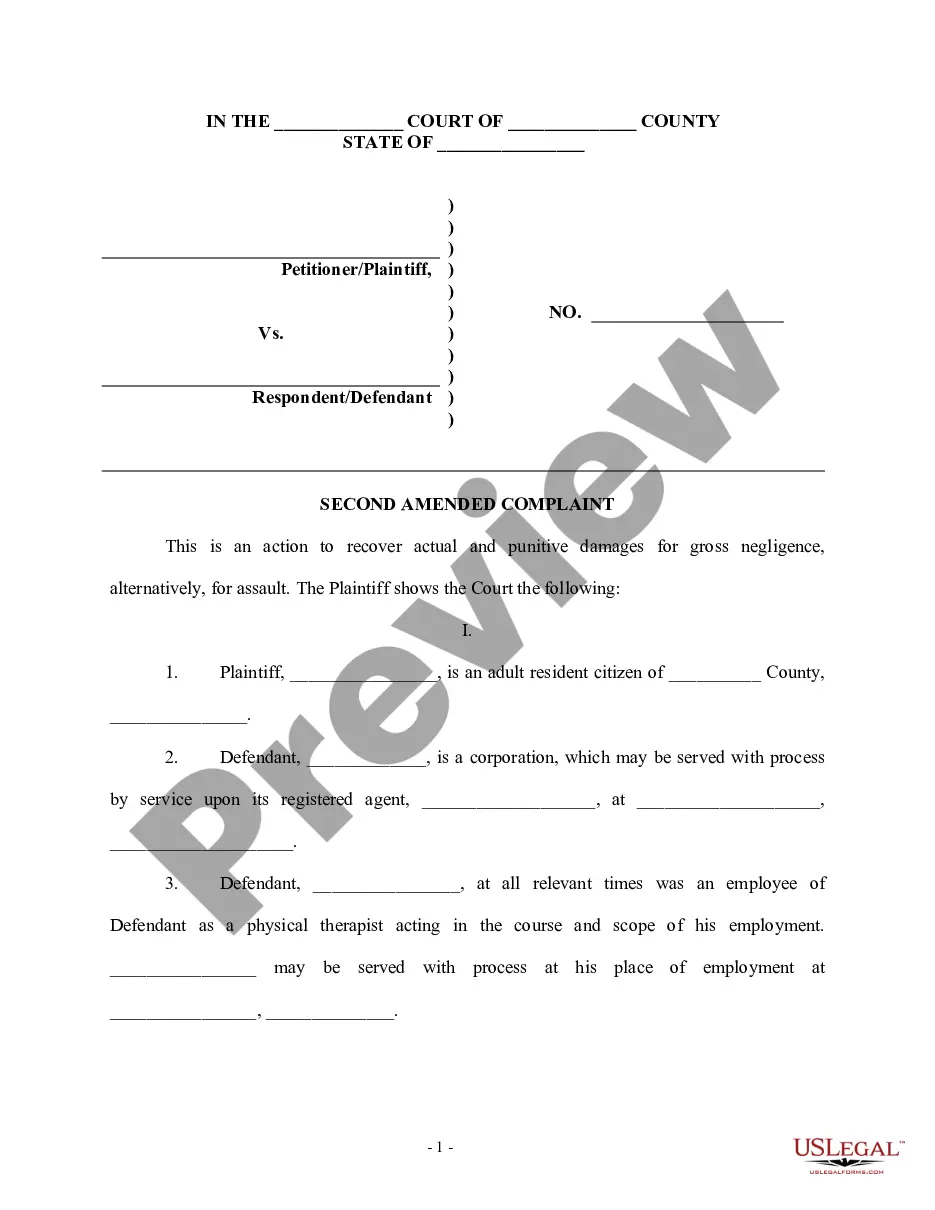
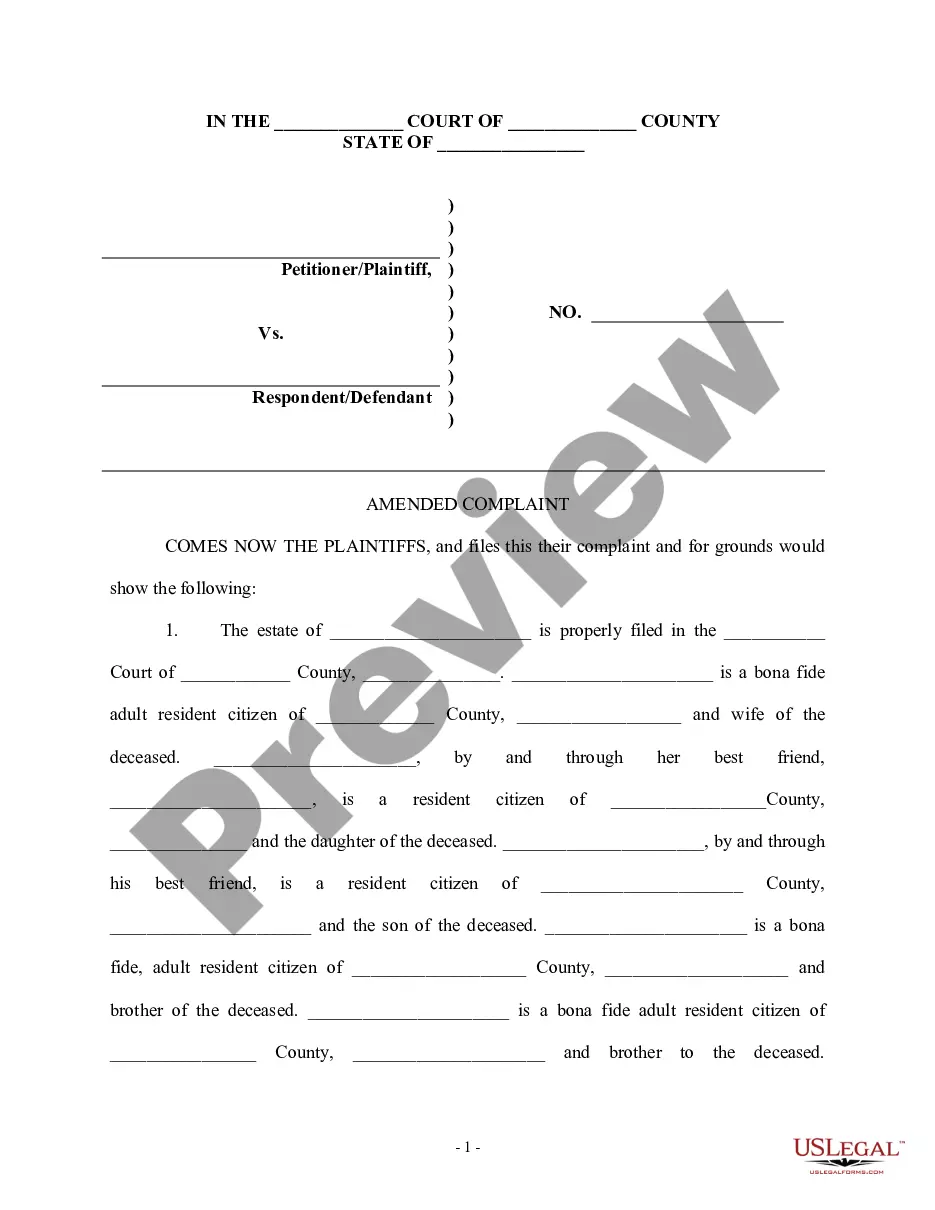
Get your form ready online
Our built-in tools help you complete, sign, share, and store your documents in one place.
Make edits, fill in missing information, and update formatting in US Legal Forms—just like you would in MS Word.
Download a copy, print it, send it by email, or mail it via USPS—whatever works best for your next step.
Sign and collect signatures with our SignNow integration. Send to multiple recipients, set reminders, and more. Go Premium to unlock E-Sign.
If this form requires notarization, complete it online through a secure video call—no need to meet a notary in person or wait for an appointment.
We protect your documents and personal data by following strict security and privacy standards.

Make edits, fill in missing information, and update formatting in US Legal Forms—just like you would in MS Word.

Download a copy, print it, send it by email, or mail it via USPS—whatever works best for your next step.

Sign and collect signatures with our SignNow integration. Send to multiple recipients, set reminders, and more. Go Premium to unlock E-Sign.

If this form requires notarization, complete it online through a secure video call—no need to meet a notary in person or wait for an appointment.

We protect your documents and personal data by following strict security and privacy standards.
Looking for another form?








Form popularity
FAQ
Workplace violence is any act or threat of physical violence, harassment, intimidation, or other threatening behavior that occurs at the work site. It ranges from threats and verbal abuse to physical assaults and even homicide. It can affect and involve employees, clients, customers and visitors.
What is workplace violence? Workplace violence is any act or threat of physical violence, harassment, intimidation, or other threatening behavior that occurs at the work site. It ranges from threats and verbal abuse to physical assaults and even homicide.
NIOSH defines workplace violence as violent acts (including physical assaults and threats of assaults) directed toward persons at work or on duty. Examples of violence include the following: Threats: Expressions of intent to cause harm, including verbal threats, threatening body language, and written threats.
Workers have the right to sue their employers for violations of wage and hour laws and prevailing wage laws. This is called the worker's "private right of action."
Examples of workplace violence include direct physical assaults (with or without weapons), written or verbal threats, physical or verbal harassment, and homicide (Occupational Safety and Health Administration OSHA, 2015). NIOSH classifies workplace violence into four basic types.
Workplace harassment can include unwelcome and/or repeated words or actions that are known or should be known to be offensive, embarrassing, humiliating or demeaning to a worker or group of workers.
Hostile work environment harassment occurs when conduct is objectively and subjectively offensive and interferes with an employee's work performance by creating a workplace that is intimidating, hostile, humiliating, and/or offensive based on the actual, perceived, or associational membership of a protected class.
Typically, in order to sue a company for damages in Massachusetts, you must first draft your civil lawsuit. Then, you must file your civil lawsuit in the proper venue. The appropriate venue is generally the district court in the county that you live in, but it may also be the court where your injury occurred.
