Physical Abuse For Adults In Clark
Description

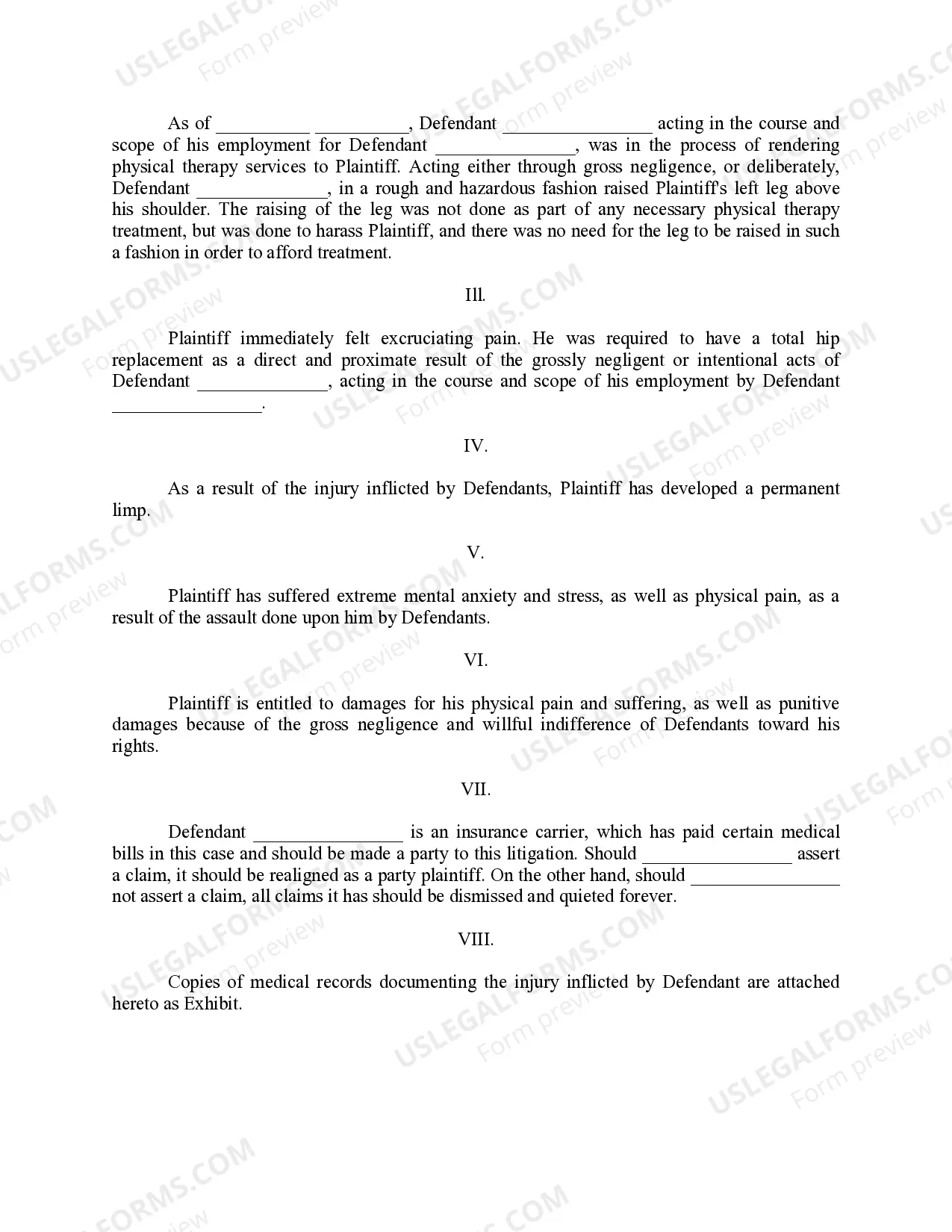
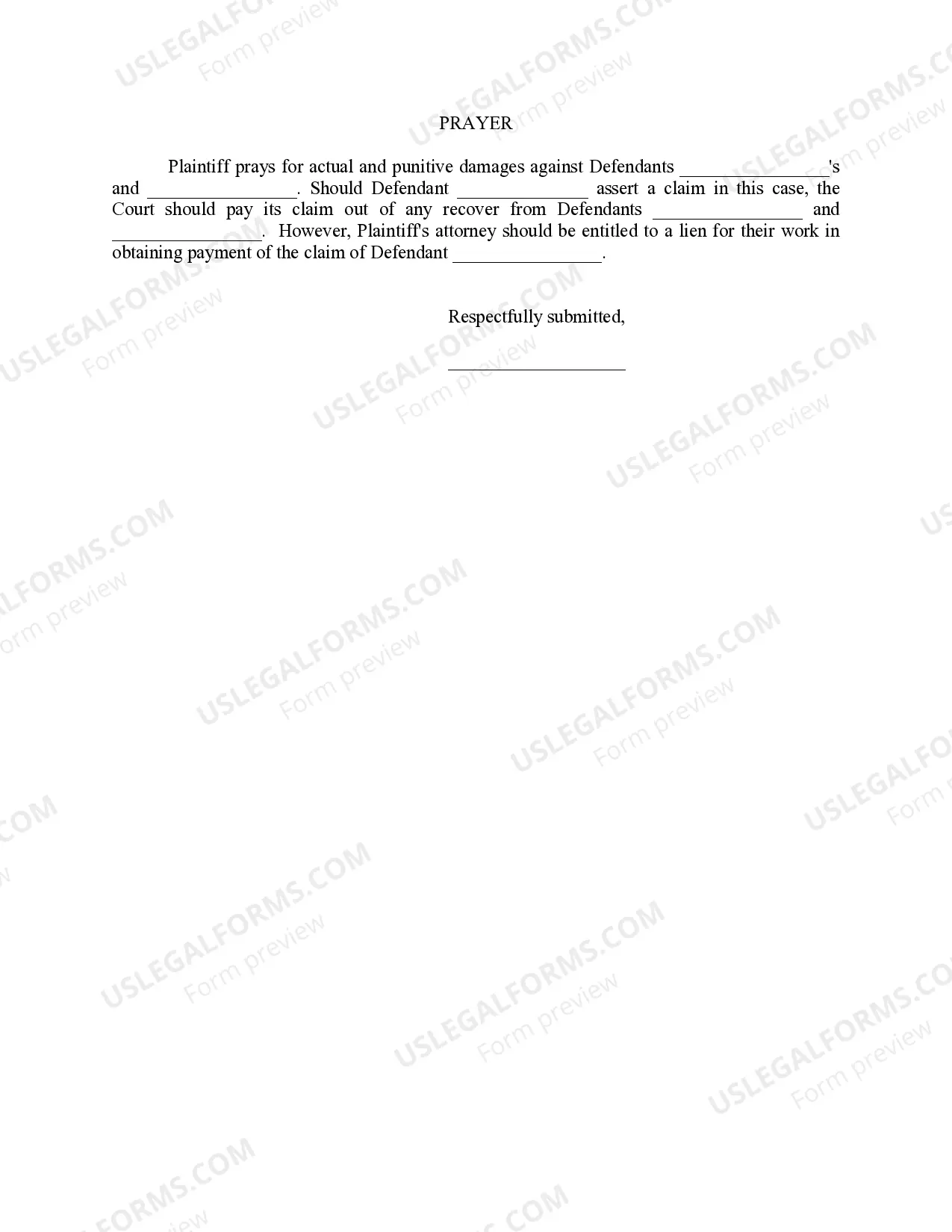

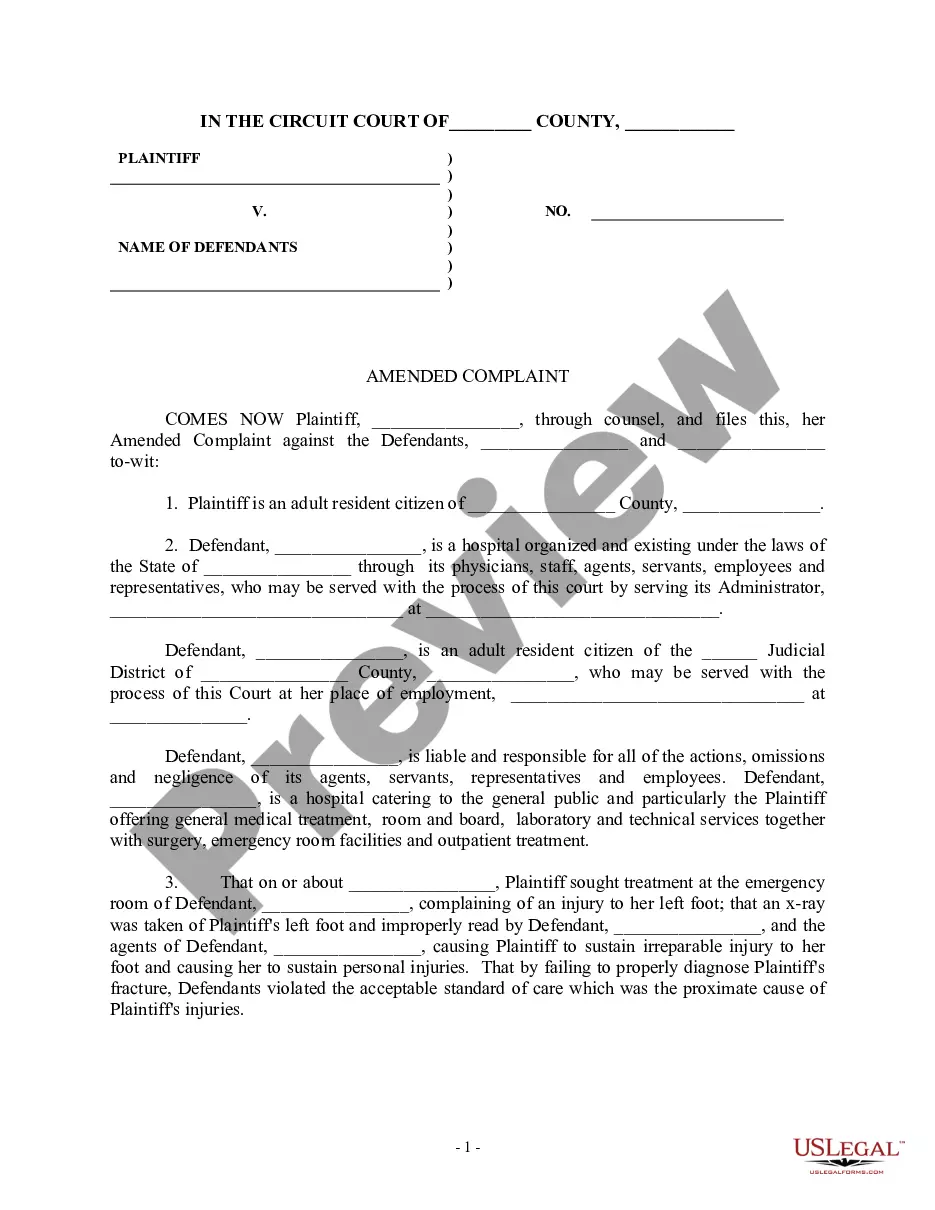
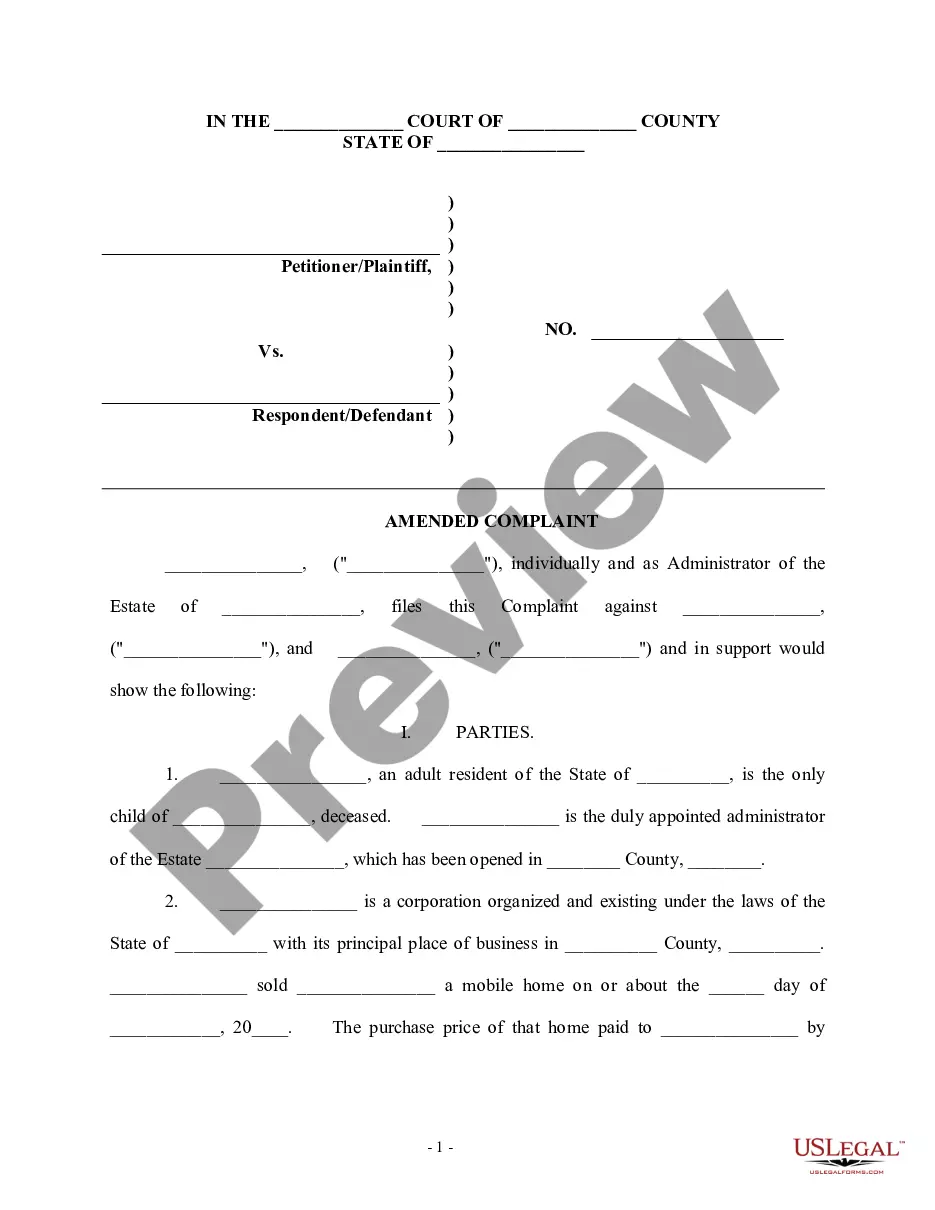
Get your form ready online
Our built-in tools help you complete, sign, share, and store your documents in one place.
Make edits, fill in missing information, and update formatting in US Legal Forms—just like you would in MS Word.
Download a copy, print it, send it by email, or mail it via USPS—whatever works best for your next step.
Sign and collect signatures with our SignNow integration. Send to multiple recipients, set reminders, and more. Go Premium to unlock E-Sign.
If this form requires notarization, complete it online through a secure video call—no need to meet a notary in person or wait for an appointment.
We protect your documents and personal data by following strict security and privacy standards.

Make edits, fill in missing information, and update formatting in US Legal Forms—just like you would in MS Word.

Download a copy, print it, send it by email, or mail it via USPS—whatever works best for your next step.

Sign and collect signatures with our SignNow integration. Send to multiple recipients, set reminders, and more. Go Premium to unlock E-Sign.

If this form requires notarization, complete it online through a secure video call—no need to meet a notary in person or wait for an appointment.

We protect your documents and personal data by following strict security and privacy standards.
Looking for another form?









Form popularity
FAQ
Page 24 Page 4 Page | 4 Nevada's definition of elder abuse mirrors the one used by the National Center on Elder Abuse: “any knowing, intended, or careless act that causes harm or serious risk of harm to an older person (age 60 or older) - physically, mentally, emotionally, or financially.” Crimes against elderly ...
The word abuse covers many different ways someone may harm a vulnerable adult. Physical abuse is intentional bodily injury. Some examples include slapping, pinching, choking, kicking, shoving, or inappropriately using drugs or physical restraints. Signs of physical abuse.
APS is a social service program authorized by law in every state to receive and investigate reports of elder or vulnerable adult maltreatment and to intervene to protect the victims to the extent possible.
Again, on physical evidence as an officer, you want to look for bruises, rashes, and bedsores on that subject. Bedsores can be absolutely indicative of abuse or neglect. Photograph, get statements from neighbors, social workers, family members, physicians, and nurses.
Self-neglect is a general term used to describe a vulnerable adult living in a way that puts his or her health, safety, or well-being at risk. Self-neglect by vulnerable adults is a serious problem. It can be difficult to know when or if you should get involved.
Aging and Disability Services Division (ADSD), Adult Protective Services (APS) receives and investigates statewide reports of abuse, neglect, self-neglect, exploitation, isolation and abandonment for vulnerable persons, age 18-59, in addition to persons 60 years and older, collectively referred to as vulnerable adults.
Signs and indicators Low self-esteem. Feeling that the abuse is their fault when it is not. Physical evidence of violence such as bruising, cuts, broken bones. Verbal abuse and humiliation in front of others. Fear of outside intervention. Damage to home or property. Isolation – not seeing friends and family.
Physical abuse is defined as any intentional act causing injury or trauma to another person through bodily contact. It is a deliberate act of force that results in harm, injury, or trauma to the victim's body. This can include a range of behaviours from hitting, slapping, and punching to more severe forms of violence.
Physical abuse is when someone hurts or harms a child or young person on purpose. It includes: hitting with hands or objects. slapping and punching. kicking.
